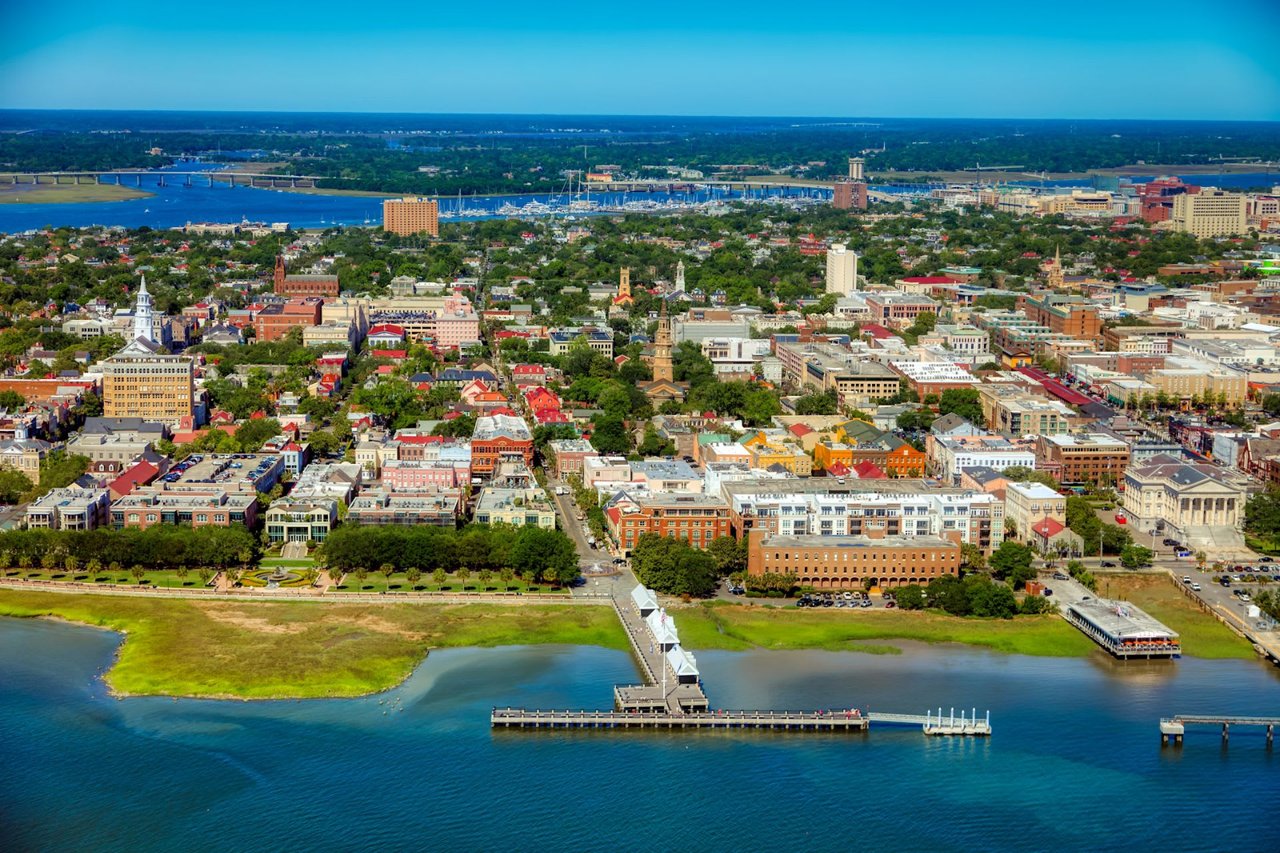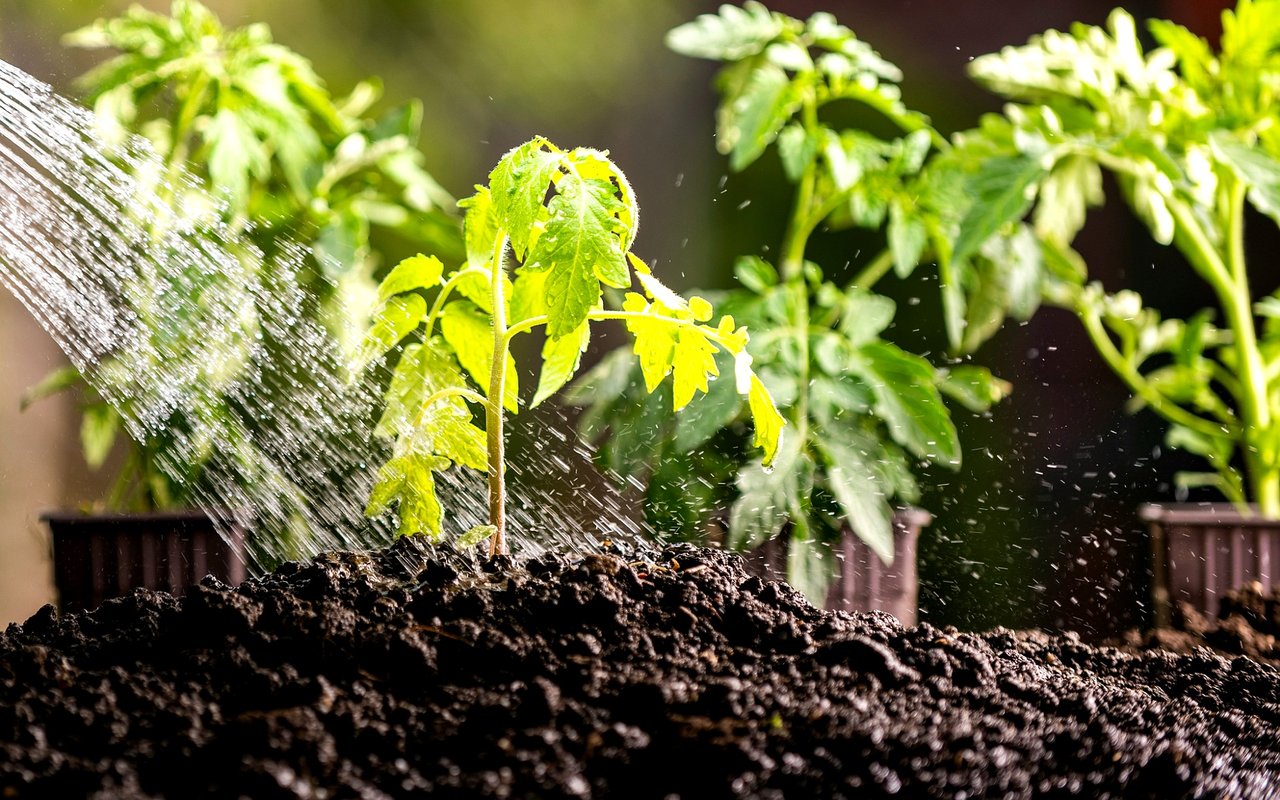
Around four or five o'clock on a summer morning, Sullivan's Island hits its heaviest water demand of the day. Greg Gress, who runs the Town's Water & Sewer Department, told a committee meeting in September 2026 that this is when irrigation systems are running, and that for that hour the island draws water at a rate equal to about 1.8 million gallons per day. That number matters because the island's supply contract counts usage by the day.
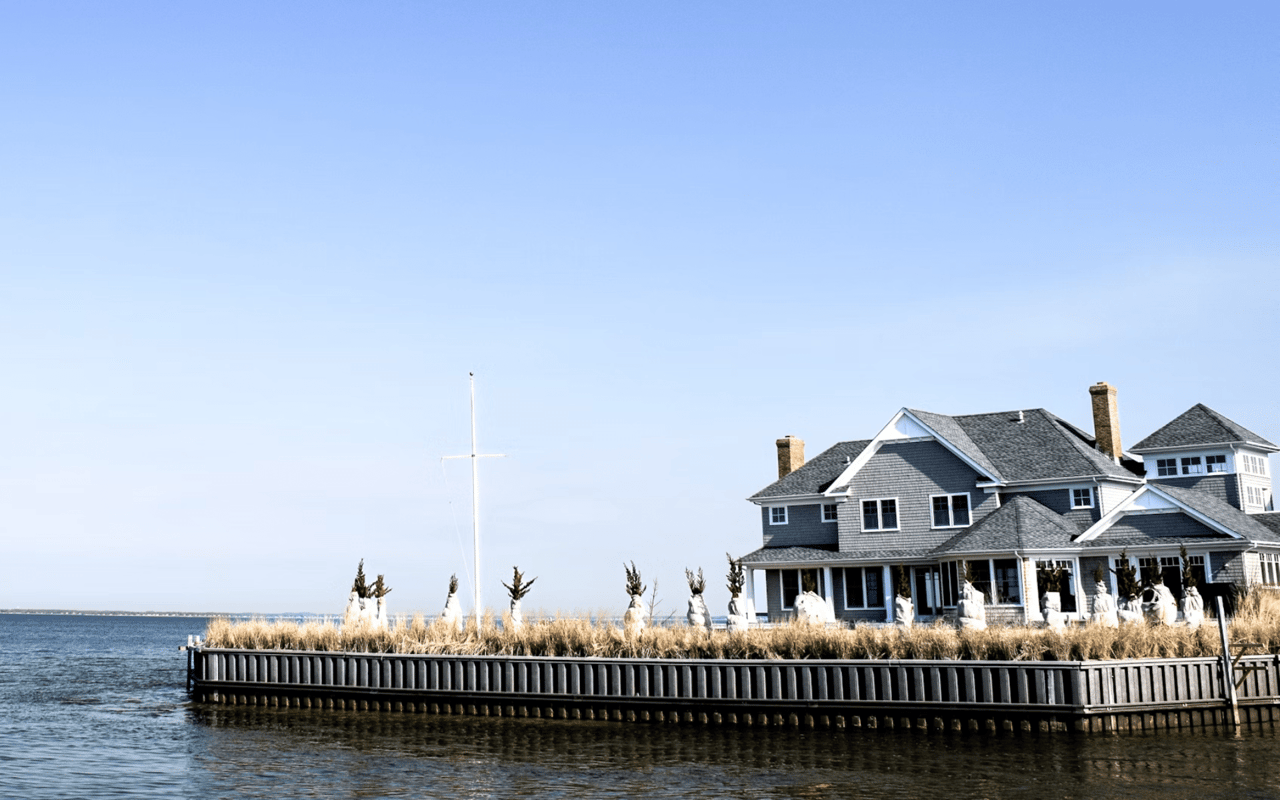
Anyone looking at a large renovated home with a pool and a separate irrigation meter should know one detail before comparing monthly carrying costs. Right now the island bills irrigation water at the same per-gallon rate as household water. Gress told the committee he expects the next rate study to recommend one of two changes, either a fourth, higher usage tier or a separate price for irrigation. He called it his hunch. Nothing has been adopted. But the reason he expects it comes straight from the island's own water data.
The average day has never been the problem
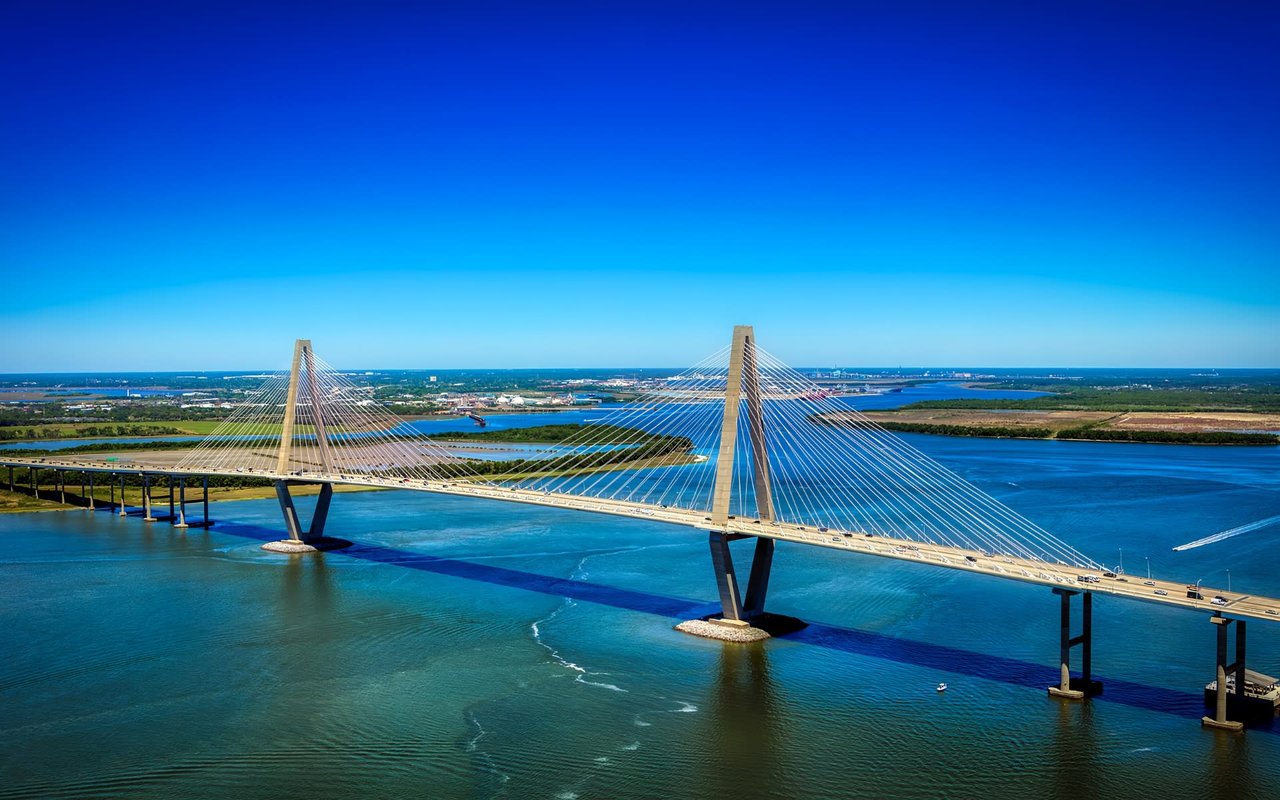
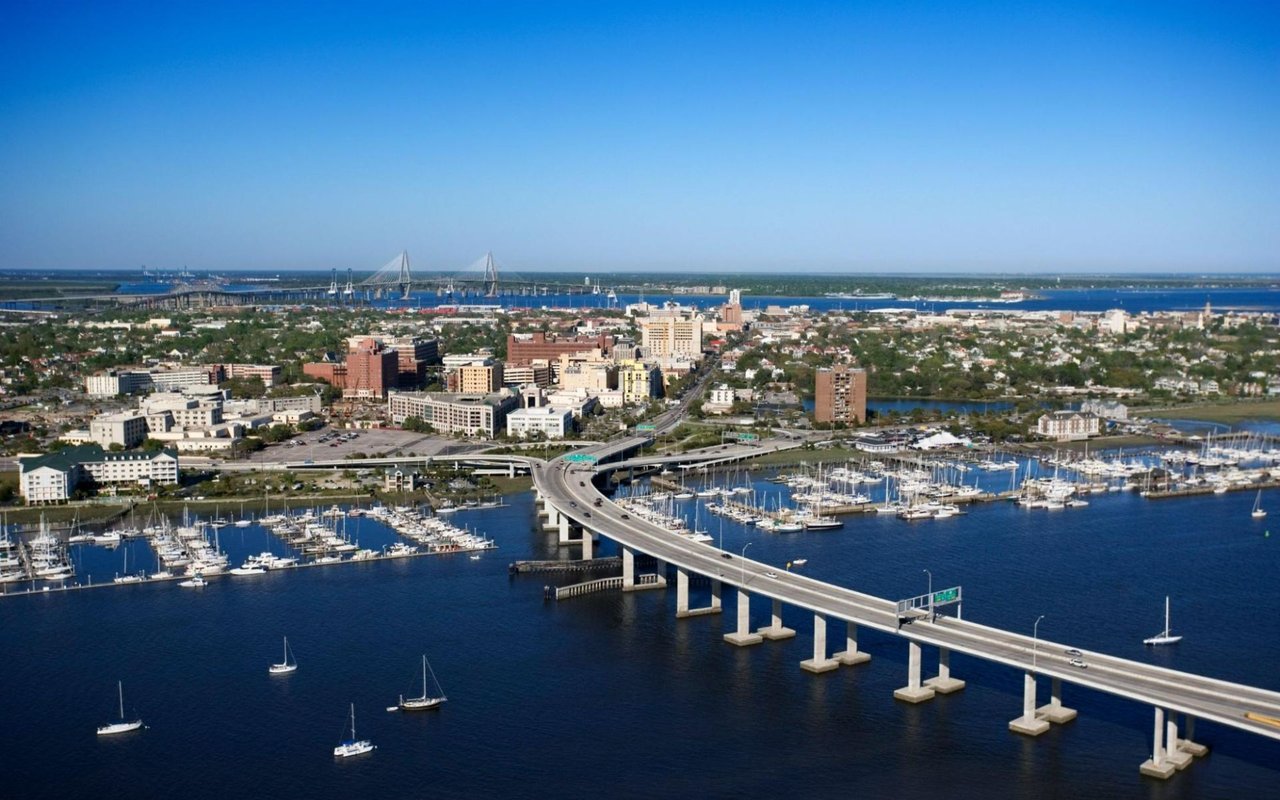
The island doesn't treat its own drinking water. It buys water from Charleston Water System, which sends it through a 24-inch line under Charleston Harbor and along Middle Street. The current supply contract was signed in June 2024 after a long dispute, and WCBD reported that it came with a settlement of $1,138,636.62. The contract raised the island's daily allotment from 750,000 to 850,000 gallons. It also gives the island the right to buy more in 50,000-gallon blocks, up to 1 million gallons per day.
When the deal was signed, Mayor Pat O'Neil told The Post and Courier, "We don't anticipate using that much anytime soon, but we didn't want to have to worry about limitations." Measured by the average day, he was right. Measured by the busiest day, the island went over the line two summers later.
Here are the figures Gress presented to the Water & Sewer Committee on September 24, 2026, as recorded in a meeting transcript posted on Sullivans Island News, a resident-run Substack.
| Measure | Gallons per day |
|---|---|
| Annual average-day production, 2021 | 381,000 |
| Highest single day, 2024–2025 | about 833,000 |
| Contract capacity since 2024 | 850,000 |
| Capacity plus the contract's 2% allowance | about 867,000 |
| Peak days, summer 2026 | 946,000 and 959,000 |
| Peak-hour draw, expressed as a daily rate | about 1.8 million |
The 2021 average is the most recent annual average in the committee materials. Even so, the gap is clear. The island uses less than half its allotment on a typical day, yet on its busiest days it now uses more than the whole allotment. Gress put it plainly, as the transcript records it: "The trigger is the max day number." On the cause, Committee Chair Justin Novak pointed out that summer 2026 was a drought, and Gress agreed, adding that "the driver is definitely irrigation."
What the contract does when the island goes over
According to Gress's reading of the contract, the island gets a 2% allowance above 850,000 gallons. If usage stays above that line for 72 hours straight, that counts as one incident, and four incidents require the Town to buy more capacity. As of the September meeting, the island had not reached four incidents. Gress said it was "close enough to where they're probably starting to look at it."
The penalty can arrive before any forced purchase. Under Gress's reading, Charleston Water System may bill any gallons above 850,000 at its wholesale rate. He put that at roughly $3.60 per 1,000 gallons, compared with about $1.70 under the island's contract. He described the dollar amount as relatively small, and he still expects the Town to plan as if the charge will come.
Buying more water is a much bigger number. Charleston Water System's estimated market price is $627,000 for each additional 50,000 gallons per day. At the August 27 meeting, the committee also learned that the Town has no reserve fund set aside to pay for it. Gress has since written a capacity-reserve section into the draft cost recovery policy. The committee wants input from its consultant before adopting it.
Who pays: only the people on the meter
The way the water fund is set up decides who absorbs those costs. Naheela Cooper Smith of Raftelis, the island's rate consultant since 2008, told the committee that water and sewer is an enterprise fund. It has to pay for itself entirely from user charges, with no tax revenue. Capacity purchases, overage charges and plant repairs all come out of the same source, which is customers' monthly bills.
Those bills have two parts. For fiscal year 2027, the fixed monthly minimum is $33.28 for water and $36.27 for sewer. The volume charge then climbs through three tiers: up to 4,000 gallons, 4,001 to 8,000 gallons, and anything over 8,000 gallons. Cooper Smith described the top tier as the one for "very high use discretionary irrigation." The Town's Water & Sewer Department page links to the full FY2027 rates and fees resolution with the per-gallon prices for each tier.
In 2025, about 33% of the system's revenue came from fixed charges and 67% from volume charges. Because most revenue already comes from volume, any new cost will lean toward heavy users unless the Town changes that split.
The heavy users are easy to identify. Gress counts close to 280 irrigation meters on the island, with 20 to 25 new ones added each year. On average they use about 30,000 gallons a month, and he said some use 180,000 gallons a month. In the September 2026 mayor's message, Mayor Pro Tem Justin Novak, who chairs the committee, tied the need for more capacity to "larger new and renovated homes, in pools, and in yards through irrigation."
The sewer side has its own costs. Cooper Smith noted that the island is unusual in still running its own wastewater treatment plant. Gress said the plant cost $16 million. The plant's clarifiers are due for sandblasting and repainting. That job cost about $60,000 ten years ago and is now quoted at $160,000. The alternative he raised is replacing the underwater steel with stainless steel for about $1 million now, which he estimates would cost $4.4 million over 60 years compared with $7.6 million for repainting every decade. The larger debt from building the plant is paid through property taxes, not water and sewer rates.
The decision the Town has to make next
Rates were not raised this year. What happens next depends on a rate study the committee is still discussing. Raftelis estimated the study at about $57,000. Gress said it would need to start within roughly six weeks of the September 24 meeting for new rates to take effect July 1, 2027, and the committee has not yet decided whether to hire Raftelis directly or put the work out to bid. Six weeks from that meeting is the first week of November.
The committee has already raised the questions the study would answer. One is whether to shift more revenue into the fixed charge. A resident made that case during public comment. Councilmember Jody Latham argued for keeping the current approach, saying the island wants to be a place where people can retire and stay, and that a sharp jump in fixed charges could hurt residents who are "house rich, cash poor." Cooper Smith said any change to the split would be phased in gradually. The other question is how to price irrigation. A fourth tier was considered and dropped in 2023, and it is back on the table because of the summer peak data.
Both questions turn on the same fact. The island's next large water cost will be driven by its busiest summer days, and those are irrigation days. If you're weighing a Sullivan's Island home, the water bill a seller shows you was calculated under rules the Town plans to review this coming year.
Records worth requesting on a specific house
For a home with landscaping, a pool or an irrigation system, these documents show how it fits into this picture:
- Twelve months of water and sewer bills, including June through September, when the island sets its peaks.
- Whether the property has a separate irrigation meter, and its monthly usage over the same period.
- The number of units the account is billed for. The fixed charge is based on a 5,200-gallon residential unit, and homes that were billed as two units because of rental use have asked the Town to review that.
- The current FY2027 rate resolution from the Town, so you can see which tier the property's usage falls into.
This is general information about how the Town sets rates, not legal, tax or financial advice. Confirm the details for your own property with the Town of Sullivan's Island and your own advisors.
A few direct questions
Does Sullivan's Island have enough water? On an average day, yes, with plenty to spare. On the hottest, driest days of summer 2026, demand went past the 850,000-gallon contract limit. That is why capacity is on the agenda.
Will rates go up in 2027? Nothing has been decided. A rate study is under discussion with a July 1, 2027 target, and the committee wants consultant input before it adopts a capacity reserve or changes the rate structure.
Where can I watch the meetings? The Town posts video of Water & Sewer Committee meetings, including the August 27, 2026 session.
If you're comparing an island home with a pool and an established garden to a property on the mainland, utility costs belong in that comparison. Katherine Cox + Co. can help you collect the right records before you write an offer. Book an appointment and we'll go through them with you.