By Katherine Cox
Long, humid summers put Charleston homes to work, and your cooling system carries most of that load from May well into October. When heat and moisture settle over the Lowcountry, an inefficient house shows it fast in higher bills and rooms that never quite feel comfortable.
The good news is that a handful of targeted improvements can change how your home handles our coastal climate. From sealing air leaks to upgrading insulation and equipment, these projects pay you back in comfort, lower energy use, and stronger resale appeal.
Whether you own a historic single house downtown or a newer build, the right upgrades make your Charleston home more efficient and comfortable when it matters most. Here is where your money and effort go furthest.
Key Takeaways
- Cooling and humidity control drive most energy use in Charleston homes, so upgrades focused on your HVAC system deliver the fastest returns.
- Air sealing and attic insulation are affordable first steps that reduce strain on your equipment year-round.
- Solar panels and heat pump water heaters offer larger long-term savings.
- Efficient upgrades often boost comfort and resale value for Charleston homes.
Why Do Energy-Efficient Upgrades Matter for Charleston Homes?
Energy-efficient upgrades make a difference for Charleston homes because cooling and moisture control dominate your bills in a hot, humid coastal climate. With warm weather stretching across much of the year, your air conditioning runs hard, and any wasted energy adds up quickly.
Charleston's setting brings its own demands. Salt air, steady humidity, and older housing stock in the historic district mean many homes predate modern efficiency standards. Newer neighborhoods farther from the coast face intense summer heat that pushes cooling systems hard.
Focusing on efficiency keeps you comfortable and protects your home from moisture-related wear. It also positions your property well if you sell, since buyers of Charleston real estate increasingly ask about energy costs.
What Drives Energy Use in the Lowcountry?
- Air conditioning, which typically accounts for the largest share of summer energy use in coastal South Carolina.
- Humidity, which makes your system work harder to keep indoor air feeling cool and dry.
- Aging ductwork and insulation, common in older Charleston homes, that let conditioned air escape.
Which Improvements Deliver the Biggest Savings in Charleston?
The improvements that deliver the most notable savings in Charleston homes include air sealing, attic insulation, and an efficient HVAC upgrade, because they take on the heat and humidity head-on. These projects reduce how hard your system works before you spend on larger investments.
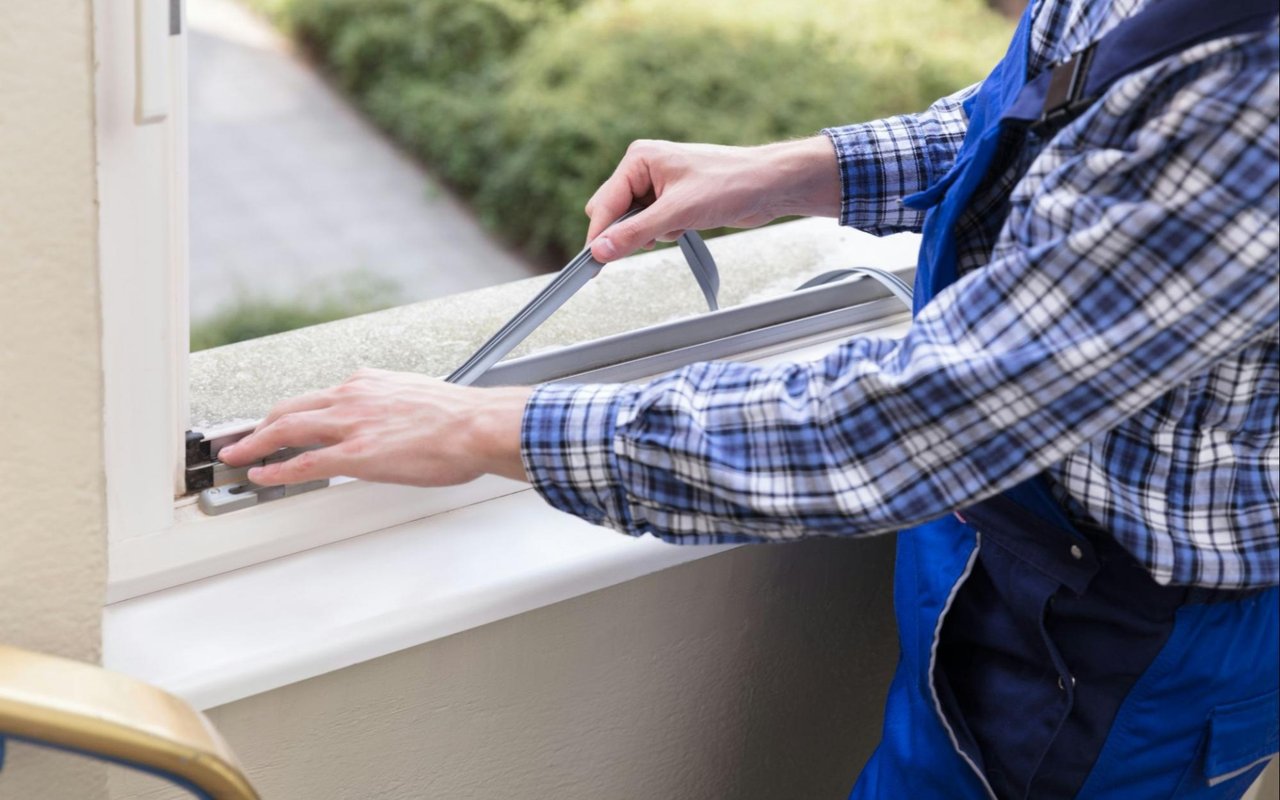
Start with the building envelope. Sealing gaps around windows, doors, and attic penetrations keeps hot, moist outdoor air where it belongs, while attic insulation slows the heat pouring in from above. In many Charleston homes, these two steps alone steady indoor temperatures.
Upgrading to a high-efficiency heat pump or modern air conditioner then multiplies those gains. Pairing new equipment with sealed, insulated spaces means you get the full benefit of what you paid for.
Where To Start
- Seal air leaks around windows, doors, and attic openings to cut wasted cooling.
- Add or upgrade attic insulation to slow heat gain during long Lowcountry summers.
- Replace aging HVAC equipment with an efficient heat pump sized for your home.
How Can You Manage Humidity and Cooling Costs Efficiently?
It’s helpful to control moisture at its source and help your system run smarter. Because humidity is such a constant here, moisture management is as important as raw cooling power.
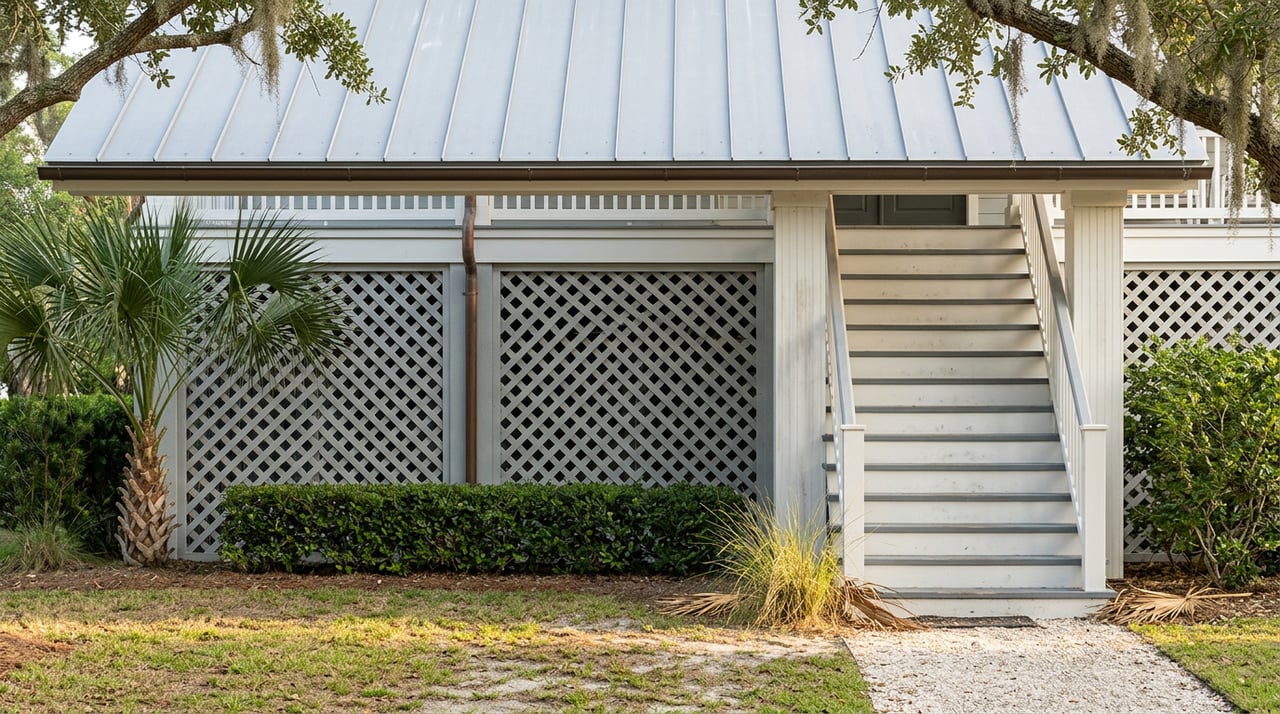
Encapsulating a crawl space is one of the most effective moves for raised Lowcountry homes. Sealing and insulating that area keeps damp ground air out of your living space, which protects your floors and eases the load on your air conditioner. A smart thermostat then lets you fine-tune cooling around your schedule, so you are not paying to chill empty rooms. Low-emissivity windows and quality window treatments also block solar heat, so your home feels cooler at higher, more efficient thermostat settings.
How To Tame the Humidity
- Encapsulate your crawl space to block ground moisture in raised Charleston homes.
- Install a smart thermostat to match cooling to your daily routine.
- Add low-emissivity windows or films to reduce heat from direct sun.
Are Solar Investments Worth It for Charleston Homeowners?
Solar panels and more extensive upgrades are often worth it for Charleston homeowners, thanks to abundant sunshine. These investments cost more upfront, so they make the most sense once you have handled sealing, insulation, and efficient equipment.
Charleston's sunny climate makes rooftop solar productive for much of the year. A heat pump water heater is another compelling option, using far less energy than a standard electric model while helping dehumidify the space around it.
Bigger Investments To Weigh
- Rooftop solar, which performs well in Charleston's sunny climate and may qualify for incentives.
- A heat pump water heater, which cuts water heating costs and reduces indoor humidity.
- Impact-rated, energy-efficient windows, which improve comfort and durability near the coast.
FAQs
Do Energy-Efficient Upgrades Increase a Home's Value in Charleston?
Energy-efficient upgrades can enhance a home's value in Charleston, as buyers here pay close attention to summer cooling costs and long-term comfort. Efficient HVAC systems, updated insulation, and solar often stand out in listings and make Charleston homes more appealing when it is time to sell.
What Is the Most Cost-Effective Energy Upgrade for Charleston Homes?
The most cost-effective energy upgrade for Charleston homes is usually air sealing paired with attic insulation. These lower-cost projects reduce heat gain and humidity right away, so your cooling system works less across the long Lowcountry cooling season.
How Does Charleston's Climate Affect Home Energy Costs?
Charleston's warm, humid coastal climate drives up cooling and dehumidification costs for much of the year. Because your air conditioner runs so often, homes in Charleston benefit most from upgrades that reduce heat gain and manage moisture, rather than winter heating improvements.
Building a More Energy-Efficient Charleston Home
Small, well-chosen upgrades add up to a home that stays comfortable through every Lowcountry summer while costing less to run. The right plan depends on your house, your timeline, and your goals, and that is where local guidance makes the difference. As your agent, I know how energy efficiency shapes value in this market and what today's buyers look for.
If you are ready to improve your home before selling or explore Charleston homes for sale, reach out to me, Katherine Cox, and let's map out the upgrades that make the most sense for you. I would love to help you make a smart, efficient move in Charleston.