Charleston SC Interior Design & Paint Science Guide
The Science of Color: How to Choose Paint Tones for Every Room
Choosing Paint Tones: Direct Answer
Selecting paint tones for home interiors requires evaluating color theory undertones, natural light orientation, and architectural finishes. Cool undertones recede visually while warm undertones advance. North-facing rooms require warm neutrals to counter blue light, whereas south-facing rooms suit muted cool tones. In historic Charleston homes, paint selections must complement heart pine floors, historic plaster, and wide trim mouldings.
Refreshing or Staging a Home in Charleston, SC?
Search Charleston Homes for Sale vs. Request Home Staging Advisory
Align your interior color selection with active Charleston property listings and expert staging advisory from Katherine Cox + Co. Select your preferred search path below:
Historic Lowcountry Context & Tonal Harmony
Light Quality, Architectural Trim, and Room Functions
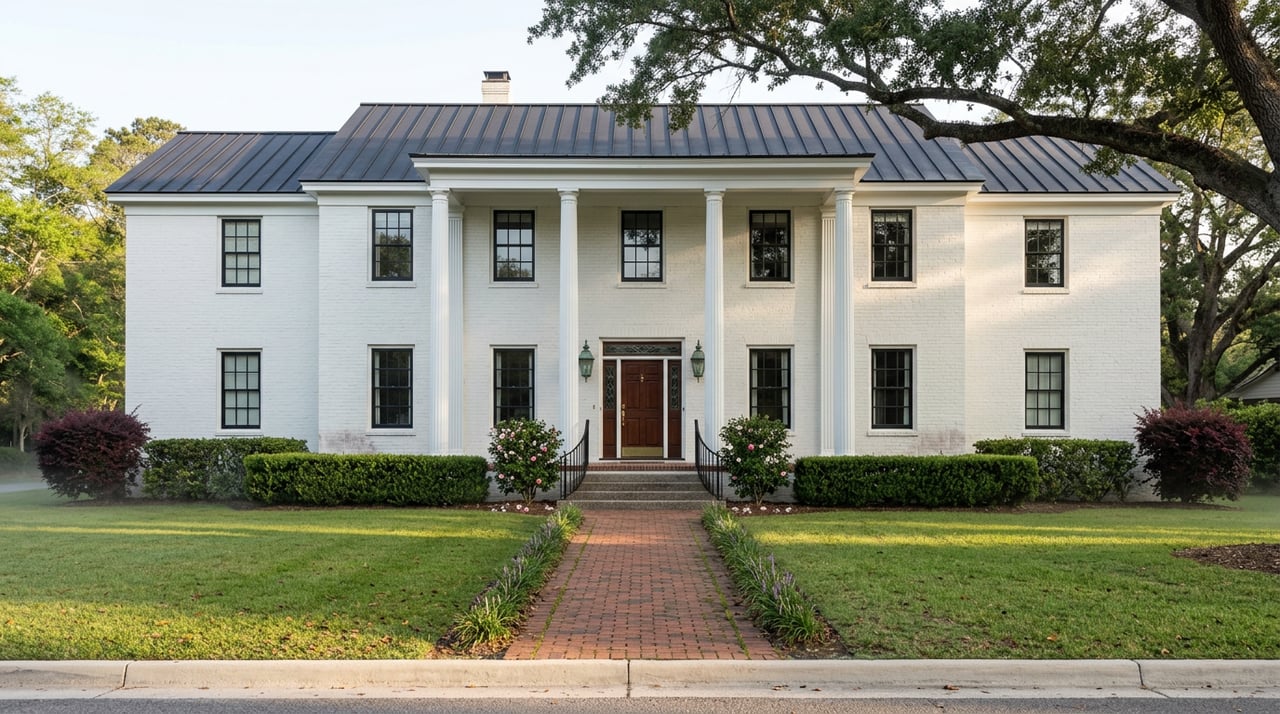
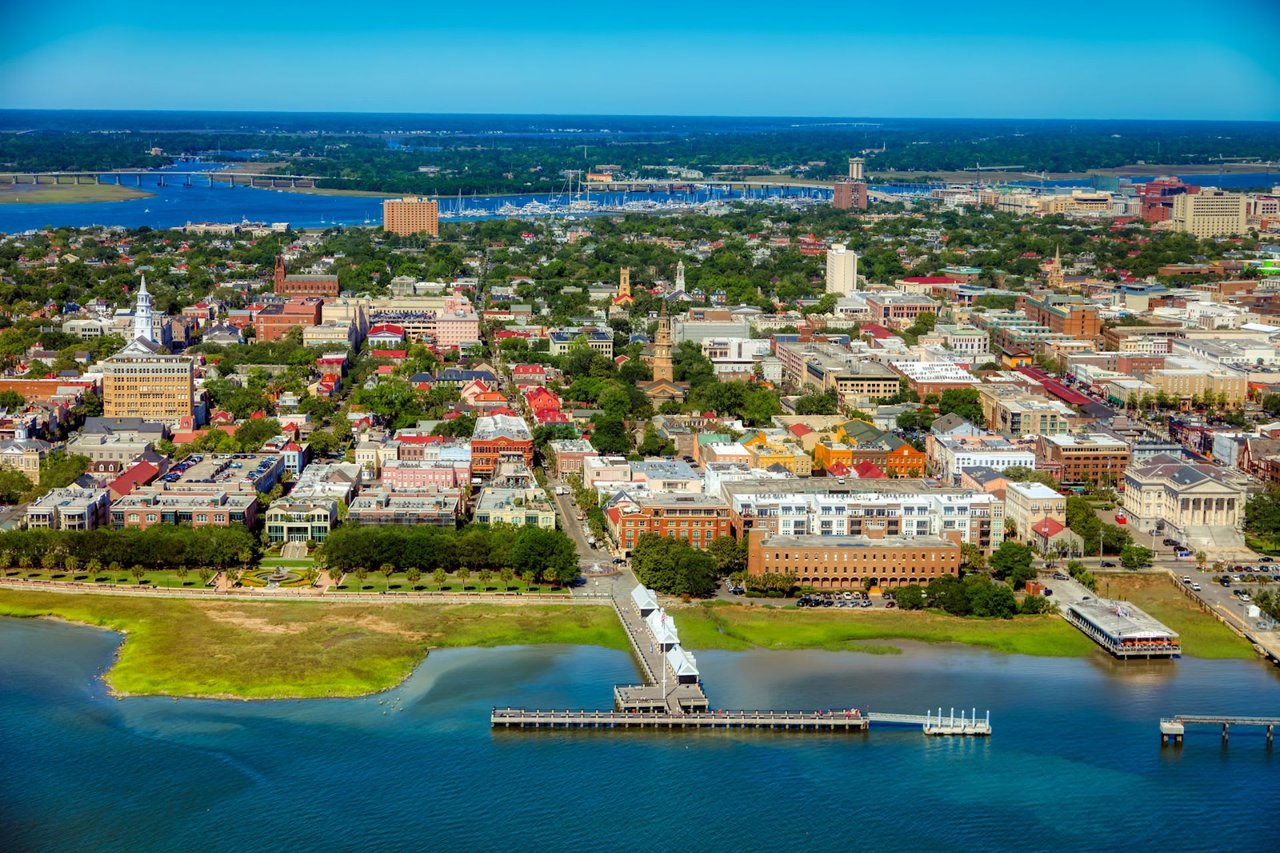
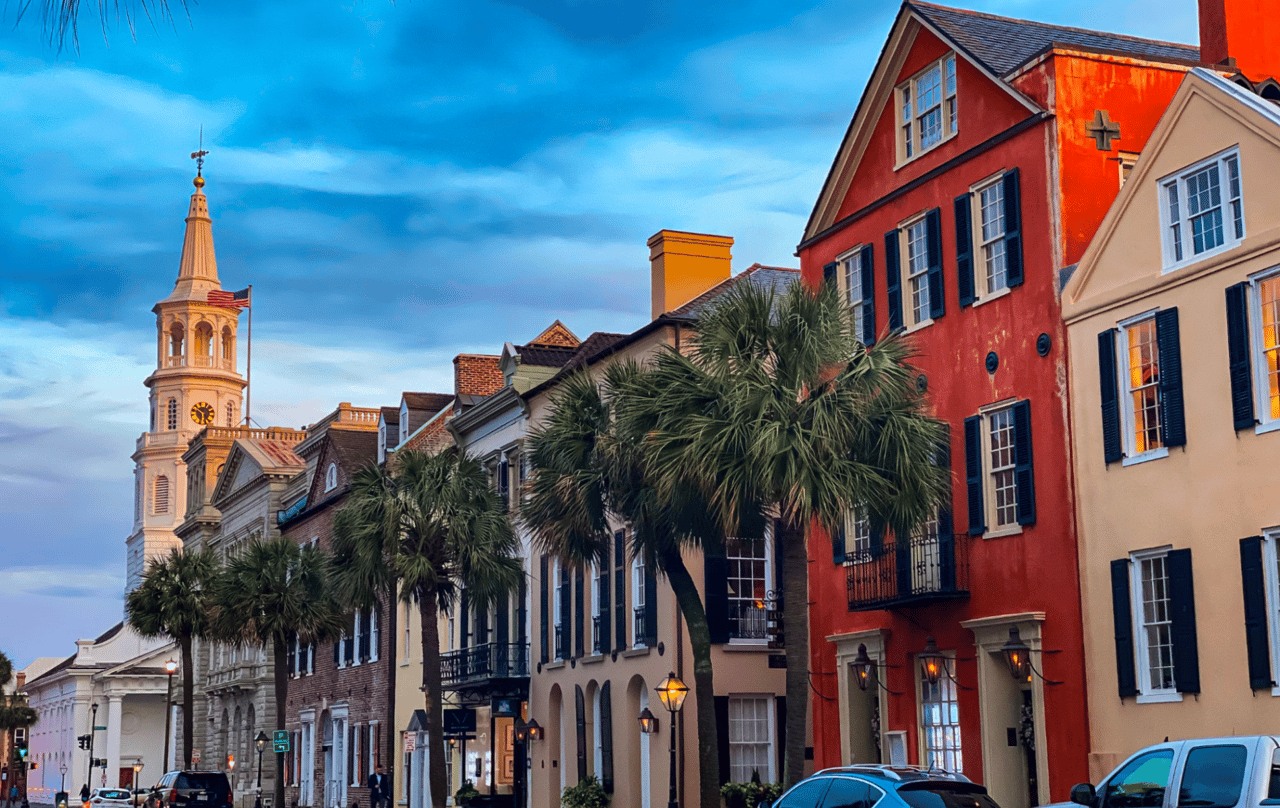
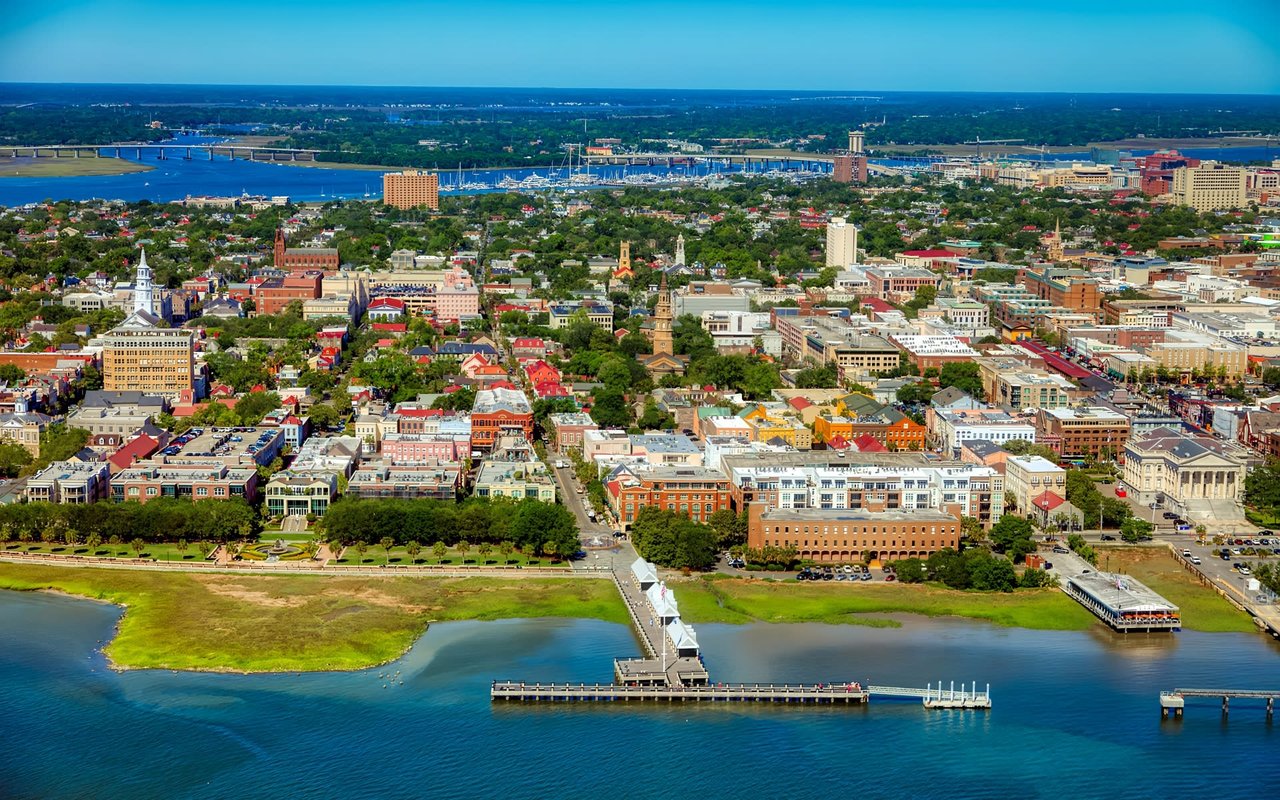
Color affects how you perceive space, how you feel, and how architecture interacts with natural light. In Charleston, SC, where historic antebellum homes, Greek Revival townhouses, and modern infills coexist, choosing paint tones with intentionality elevates room flow, preserves architectural character, and maximizes buyer appeal.
Primary Color Principles
4 Pillars for Choosing Paint Tones
PILLAR 01 | COLOR THEORY & UNDERTONES
1. Undertones & Material Harmony
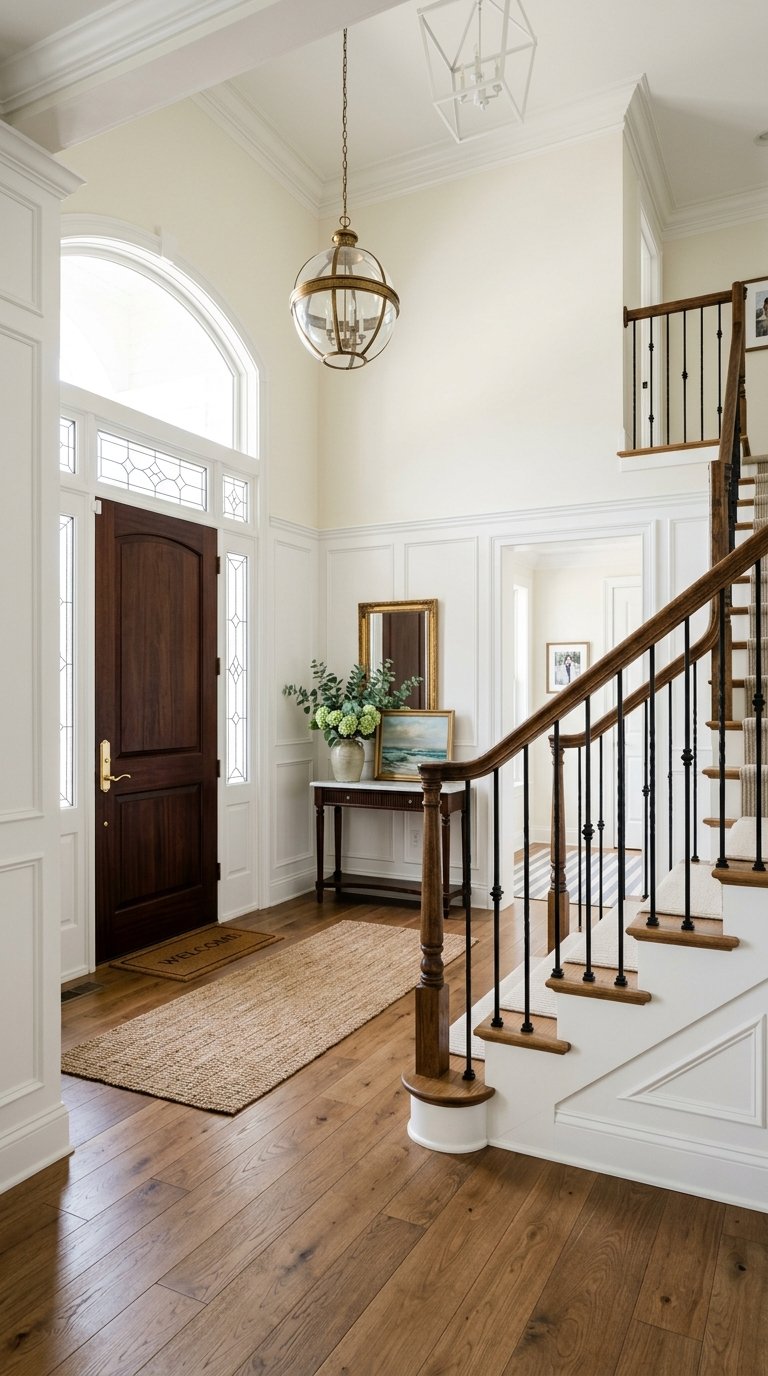
Identify whether paint possesses warm (red, yellow) or cool (blue, green) undertones. Ensure wall tones complement heart pine flooring, stone, and trim finishes.
PILLAR 02 | LIGHT ORIENTATION
2. Natural Exposure & Window Light
North-facing rooms benefit from warm neutrals to balance cool blue light, whereas south-facing rooms handle rich or muted cool palettes effortlessly.
PILLAR 03 | ROOM FUNCTION & MOOD
3. Function & Psychological Impact
Select tranquil blues and greys for bedrooms and studies, while lively gathering spaces like kitchens and dining rooms tolerate bolder accent tones.
PILLAR 04 | ARCHITECTURAL TRANSITIONS
4. Trim, Ceilings & Flow
Painting trim and walls the same tone reduces visual breaks in small rooms. Maintain consistent undertone families across connecting open layouts.
Data Extraction Matrix
Room-by-Room Paint Selection Matrix
Room Type | Window Orientation | Recommended Paint Palette | Charleston Historic & Architectural Focus |
|---|---|---|---|
Primary Bedroom | North or East Facing | Soft sage, warm greige or pale slate blue | Promotes rest; complements heart pine flooring & crown moulding |
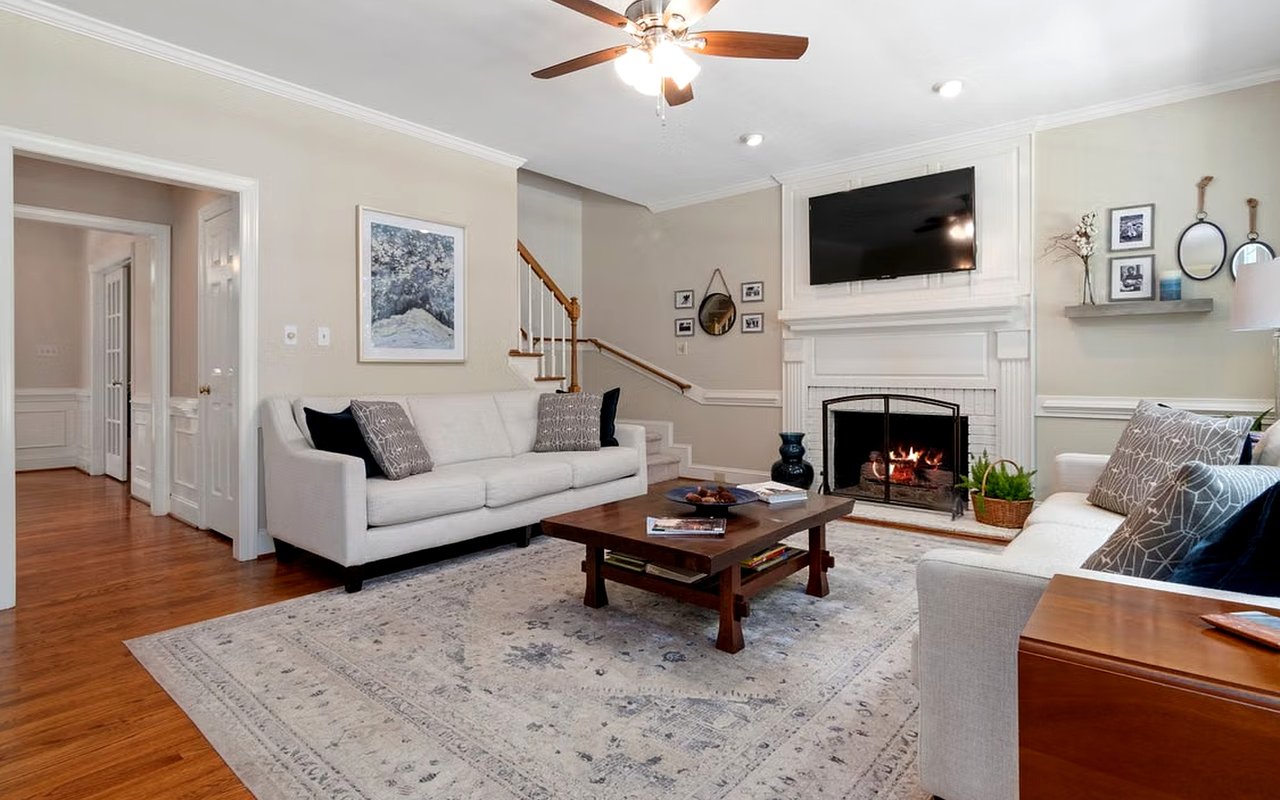
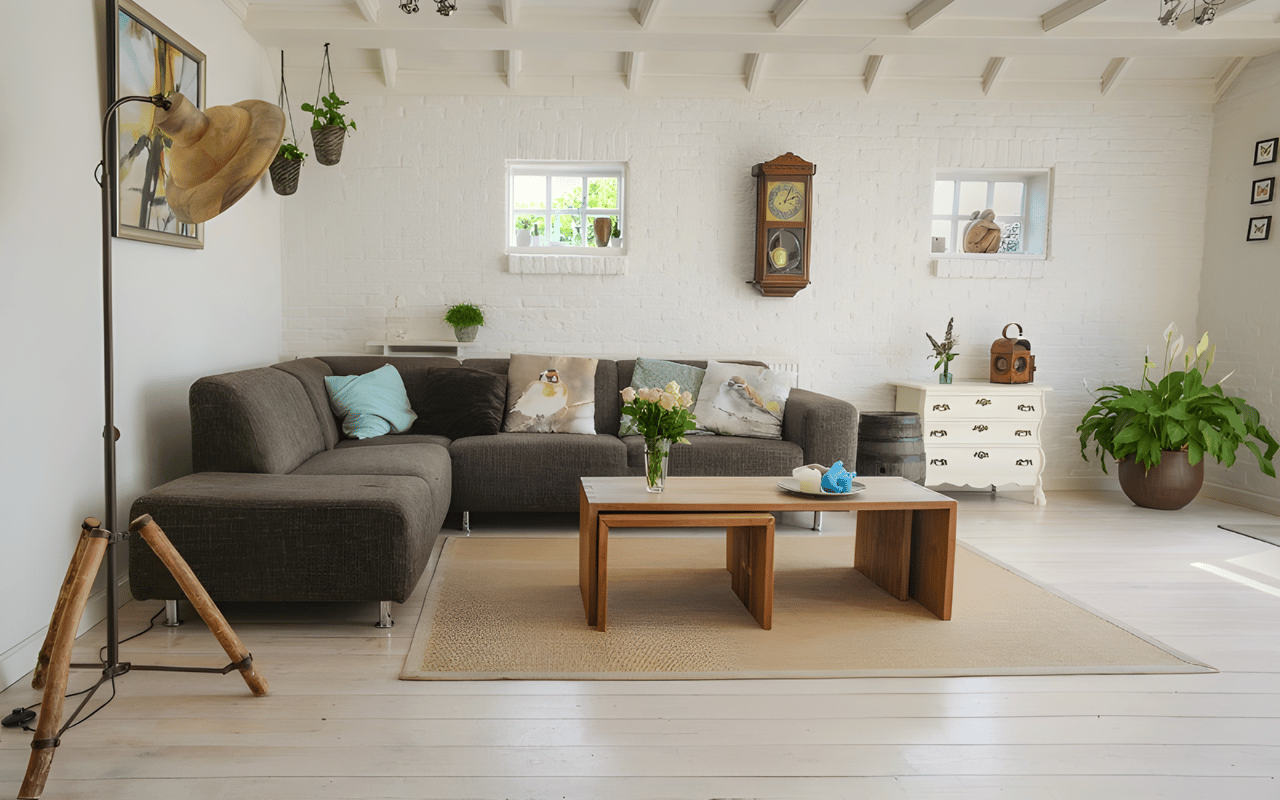
Living Room / Parlor | South or West Facing | Muted warm gray, creamy off-white or soft blue | Balancing intense afternoon sunlight; highlights tall historic ceilings |
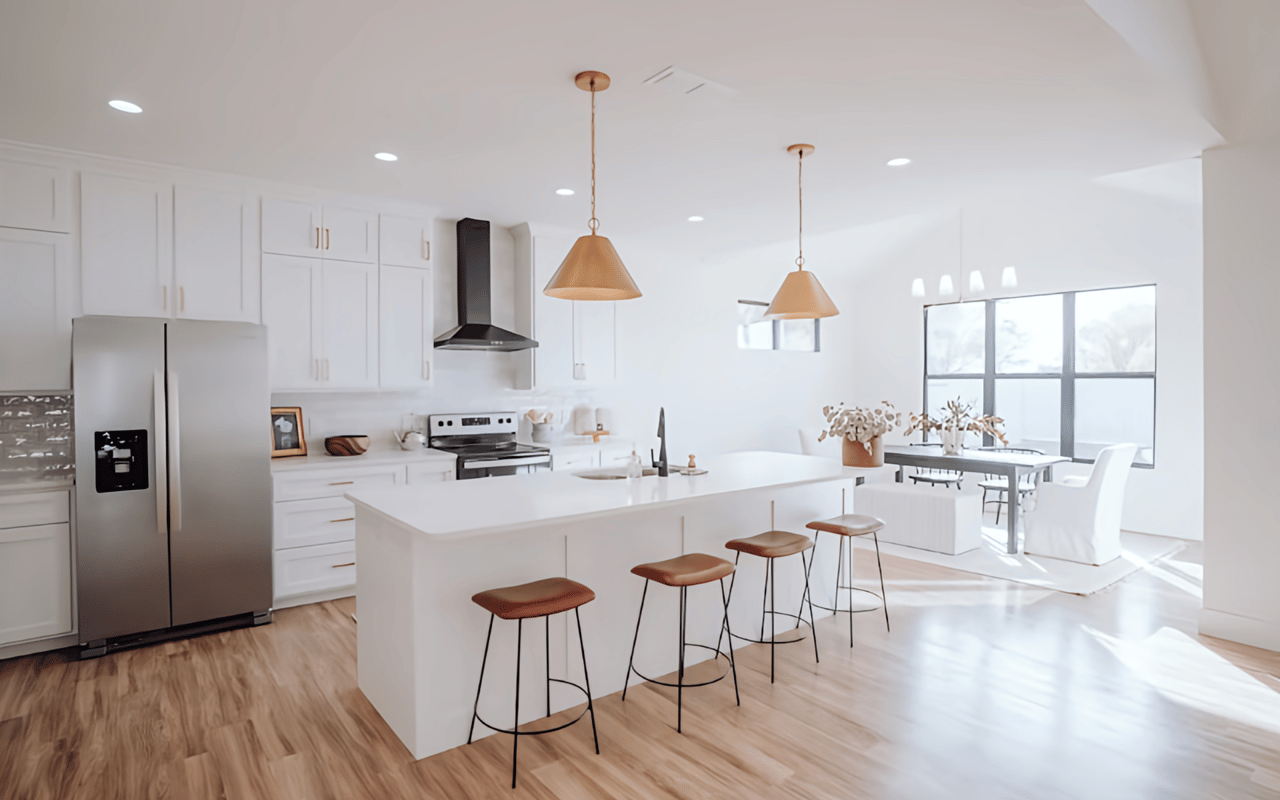
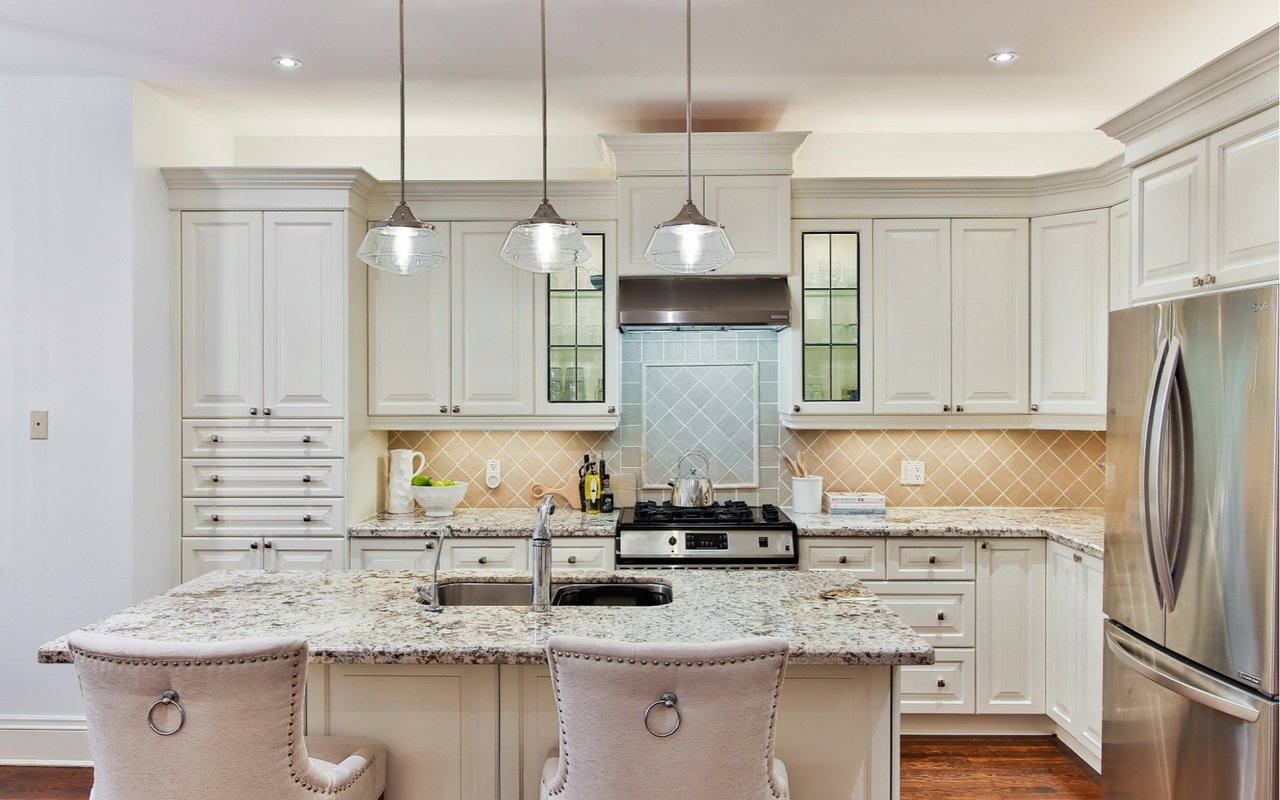
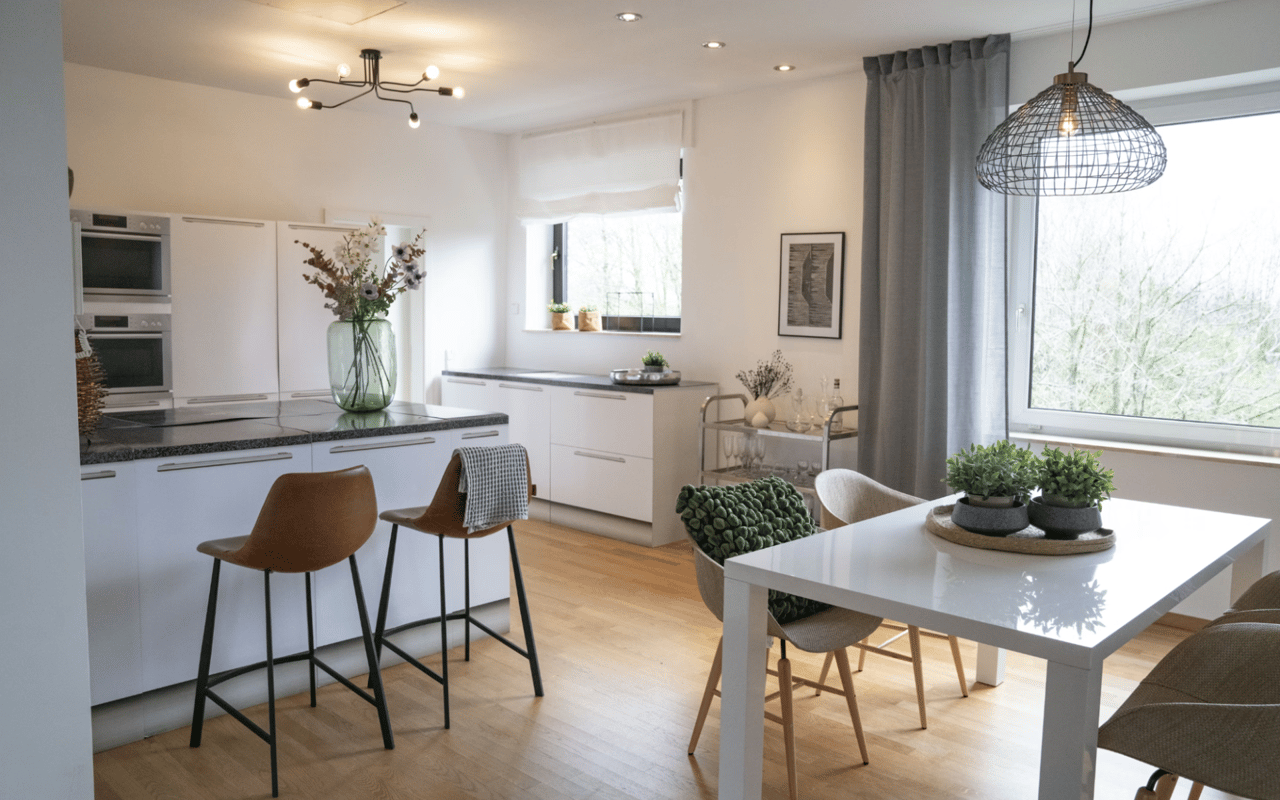
Kitchen & Breakfast Nook | East or South Facing | Warm white, soft ivory with navy or green accents | Reflects morning light; showcases custom cabinetry & stone counters |
Formal Dining Room | North or West Facing | Deep navy, rich forest green or warm terracotta | Creates intimate evening ambience; accentuates wainscoting & trim |
Home Office / Study | North Facing | Cool sage, muted teal or warm putty gray | Reduces glare & fatigue; pairs with mahogany or built-in shelving |
Sources: Paint Quality Institute, Historic Charleston Foundation Color Archives, American Society of Interior Designers (ASID).
Fundamentals of Color Theory, Light Quality, and Room Orientation
Understanding how hues, tones, and undertones interact is foundational to interior paint selection. Colors originate on the color wheel, where cool undertones (blue, green) tend to recede visually, making walls appear further away, while warm undertones (red, yellow) advance. Recognizing undertones is critical when coordinating finishes-a beige paint with green undertones can clash with heart pine flooring that exhibits natural reddish-orange warmth.
Natural and artificial light quality dramatically shifts paint perception. North-facing rooms receive cool, bluish light throughout the day, requiring warm neutral or greige paints to avoid looking dreary. Conversely, south-facing rooms receive intense warm sunlight that allows cooler, muted paints to shine without feeling stark. Testing sample swatches under both daytime sunlight and evening LED or incandescent lighting ensures the color performs as intended.
Key Charleston Design Districts & Paint Resources
- Historic Charleston Paint Colors Collection: Authentic 18th & 19th-century Lowcountry palettes.
- Downtown King Street Design District: Interior design showrooms, fabric houses, and architectural studios.
- Mount Pleasant Design Center: Coleman Blvd & Town Centre finish showrooms.
Spatial Perception, Historic Lowcountry Context, and Architectural Trim
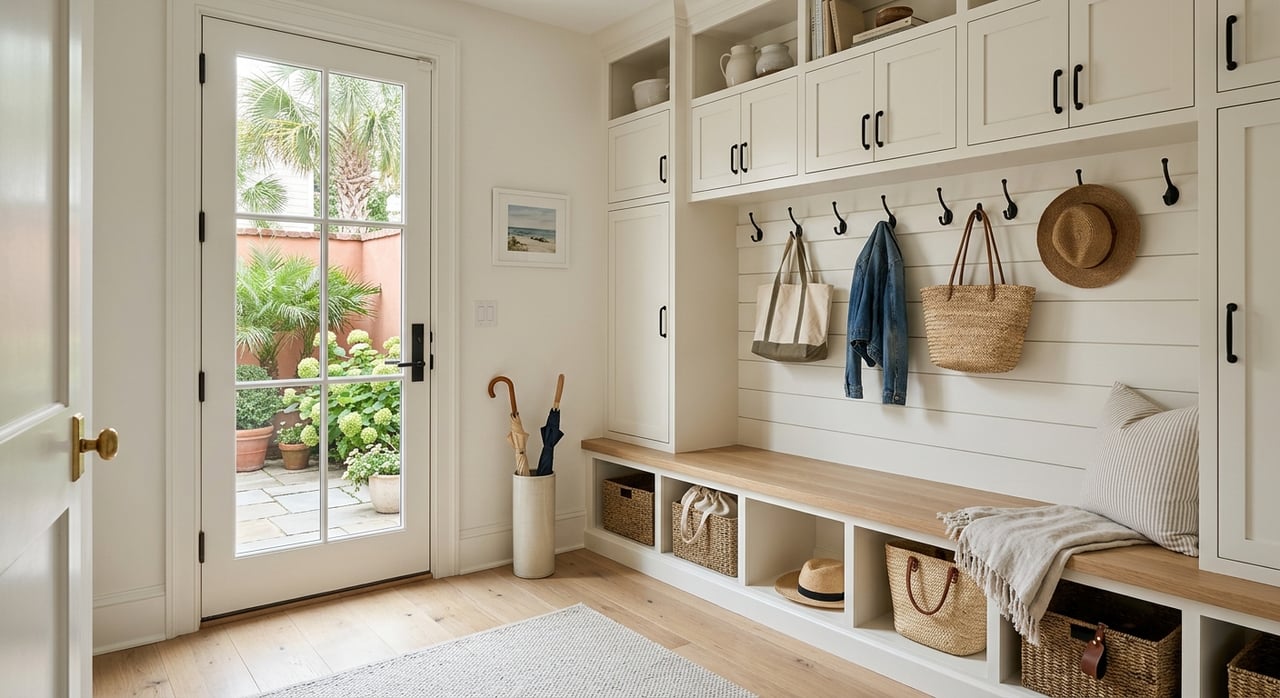
Color directly alters spatial perception. In a narrow historic Charleston single house corridor or carriage house, low-contrast, light-colored paint palettes visually broaden the hallway. Painting trim, baseboards, and walls in the same tone reduces visual breaks, making 10-foot ceilings appear even loftier.
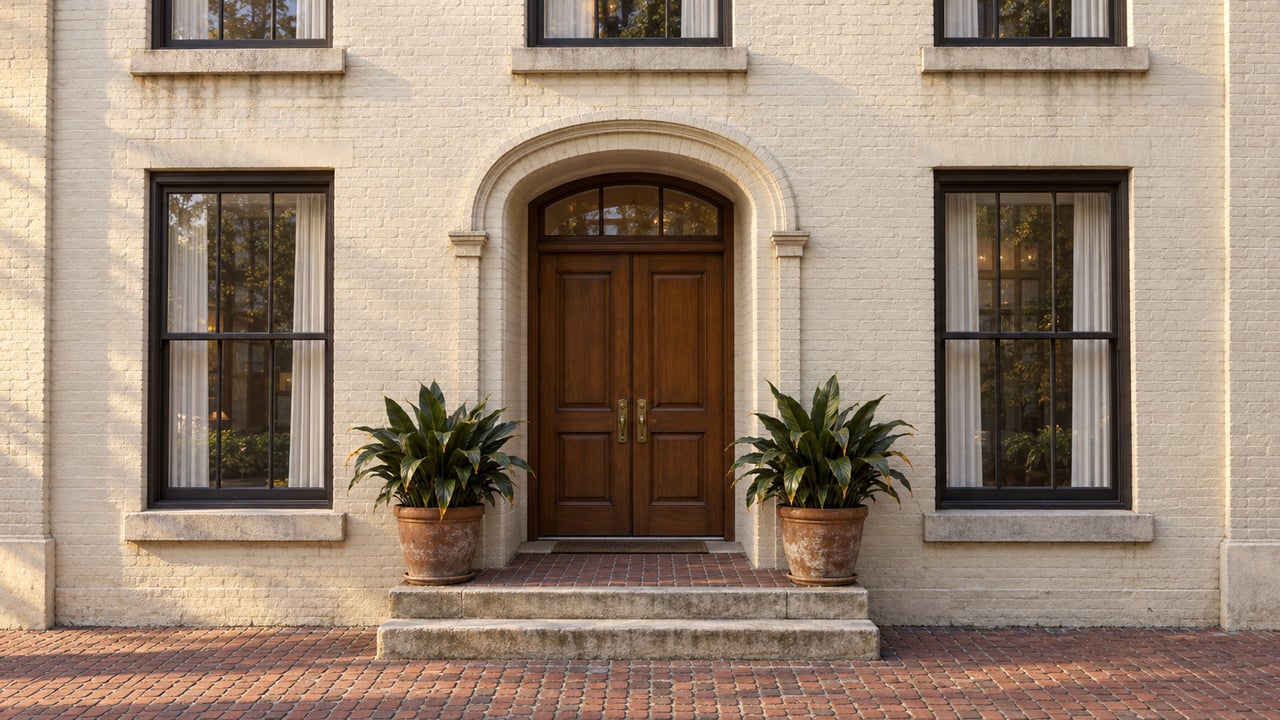
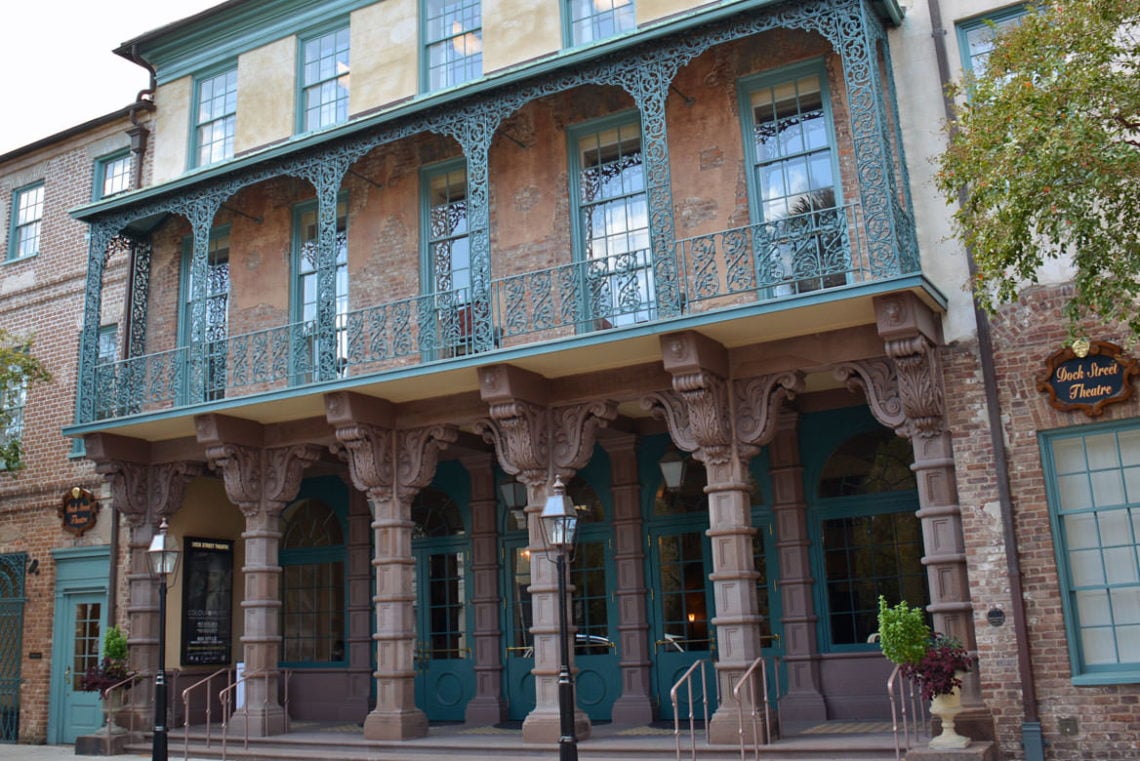
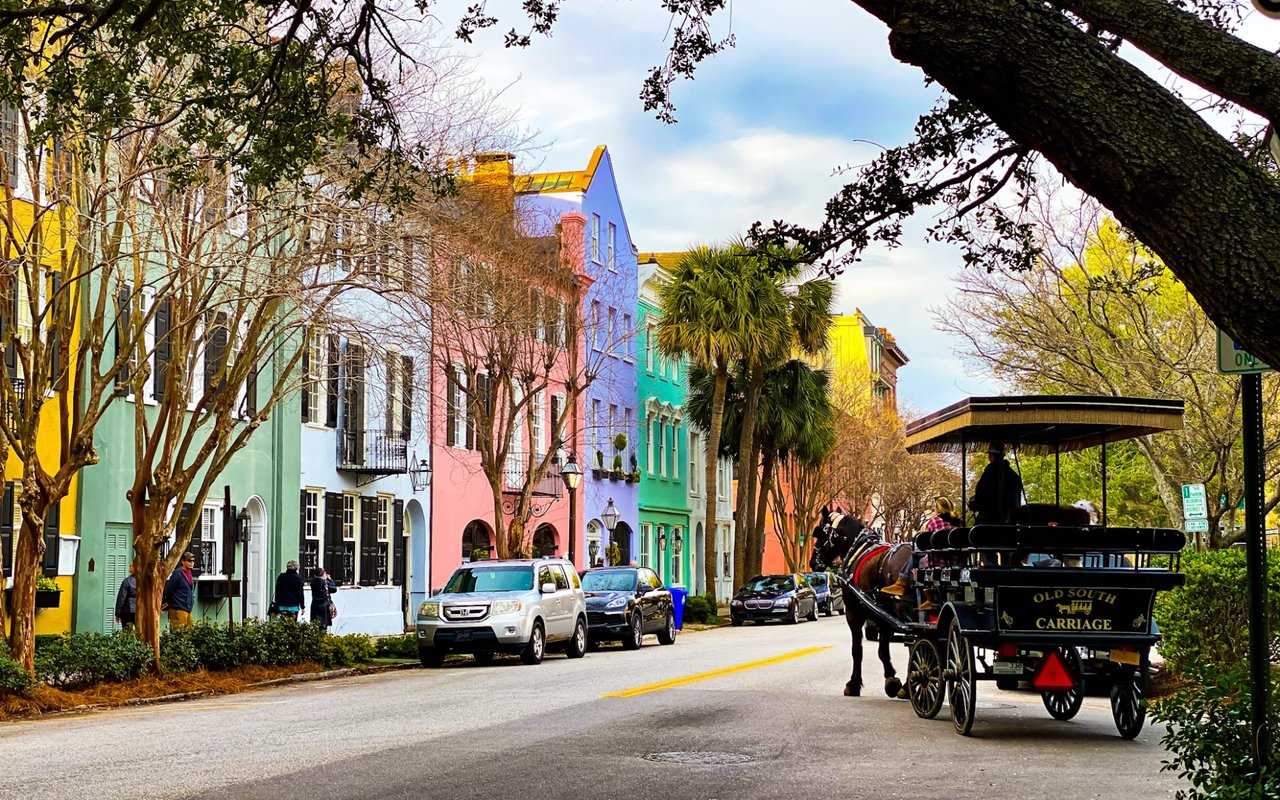
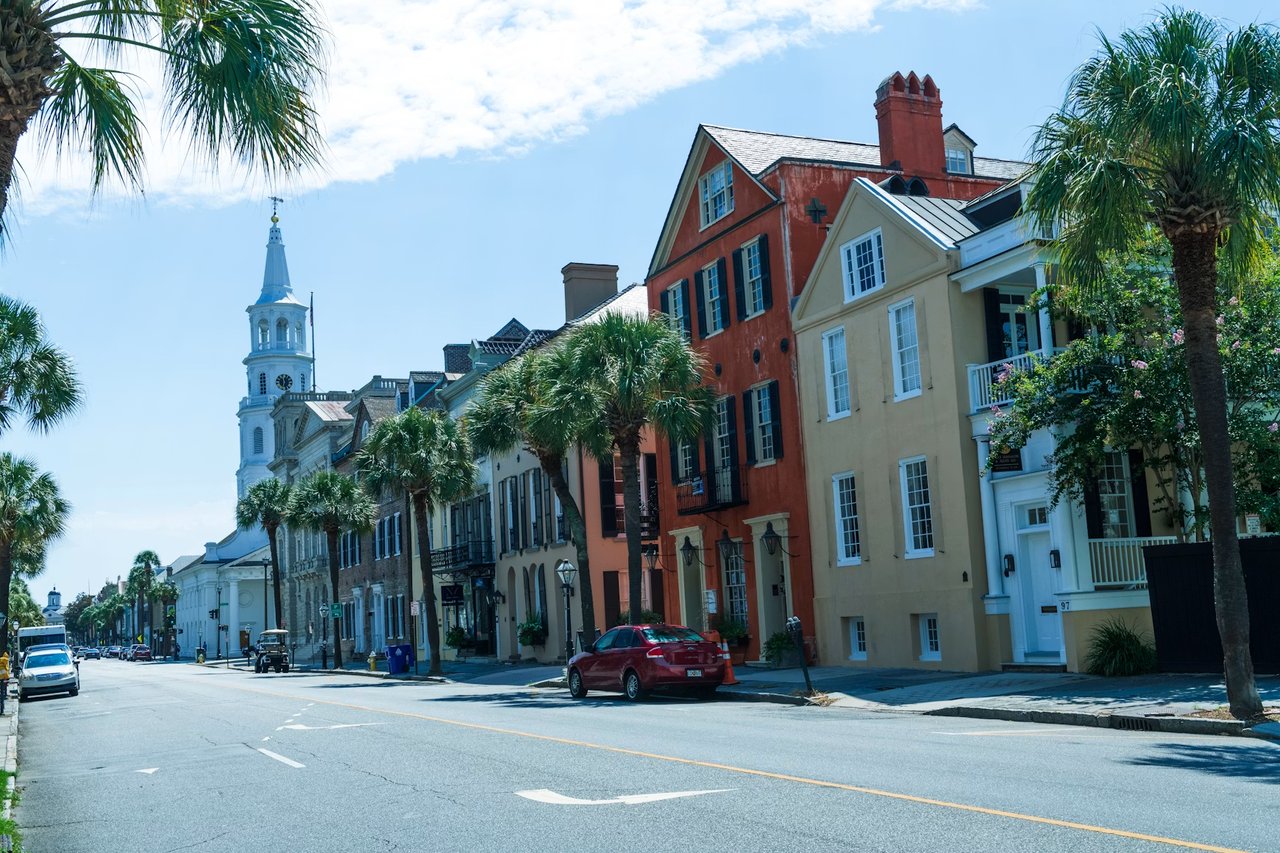
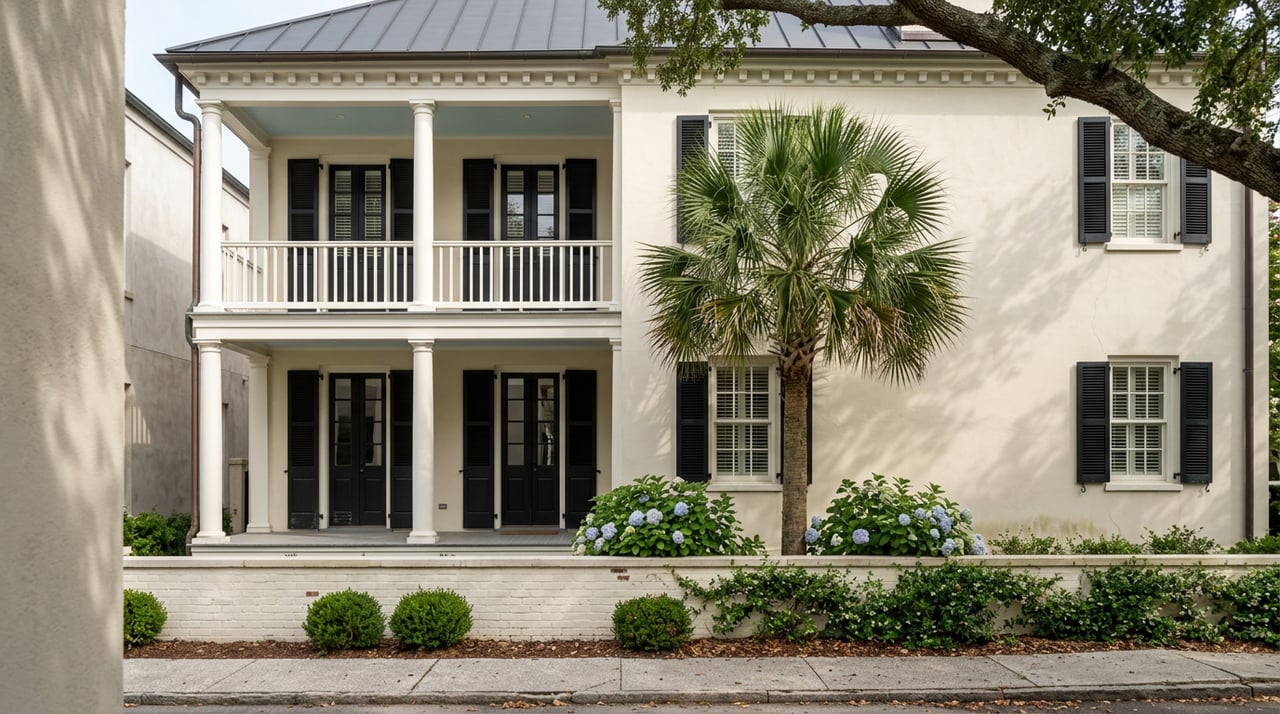
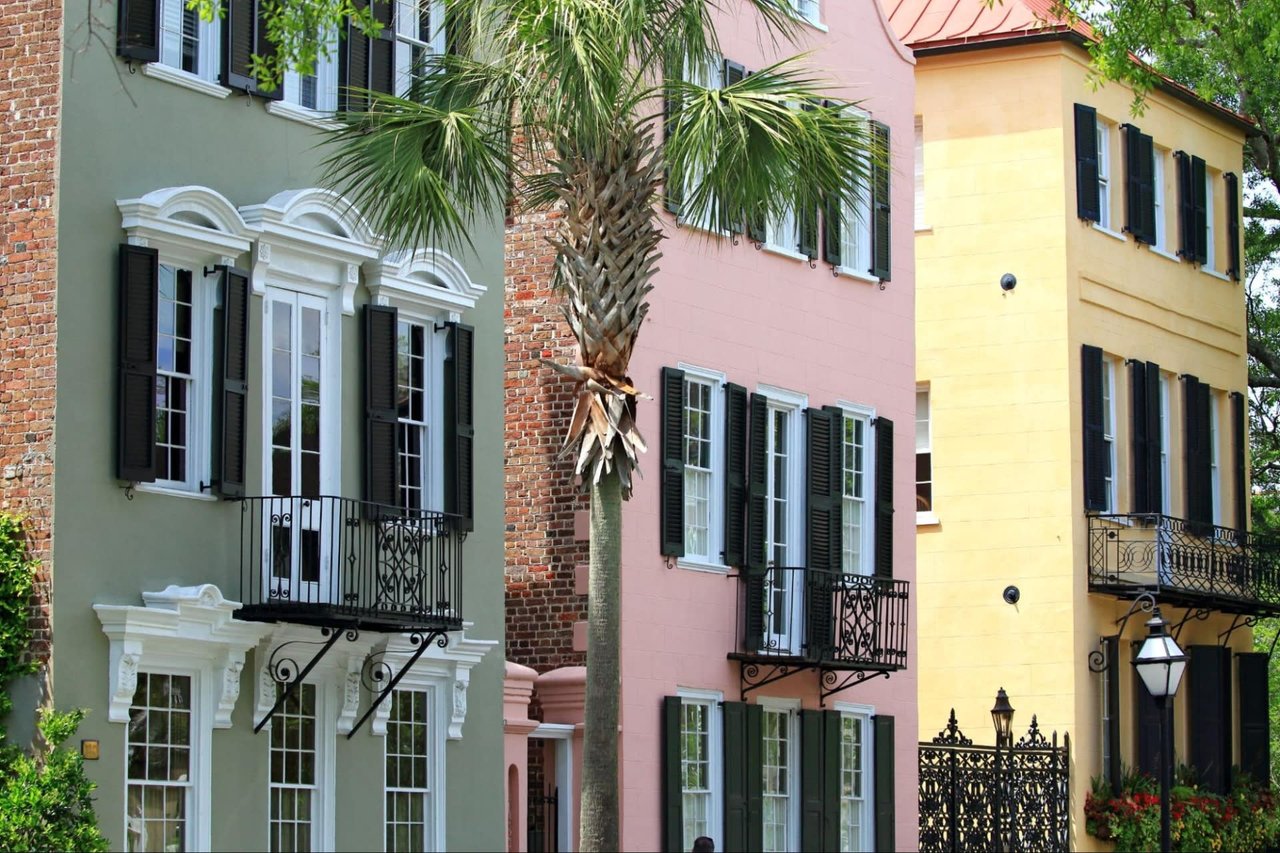
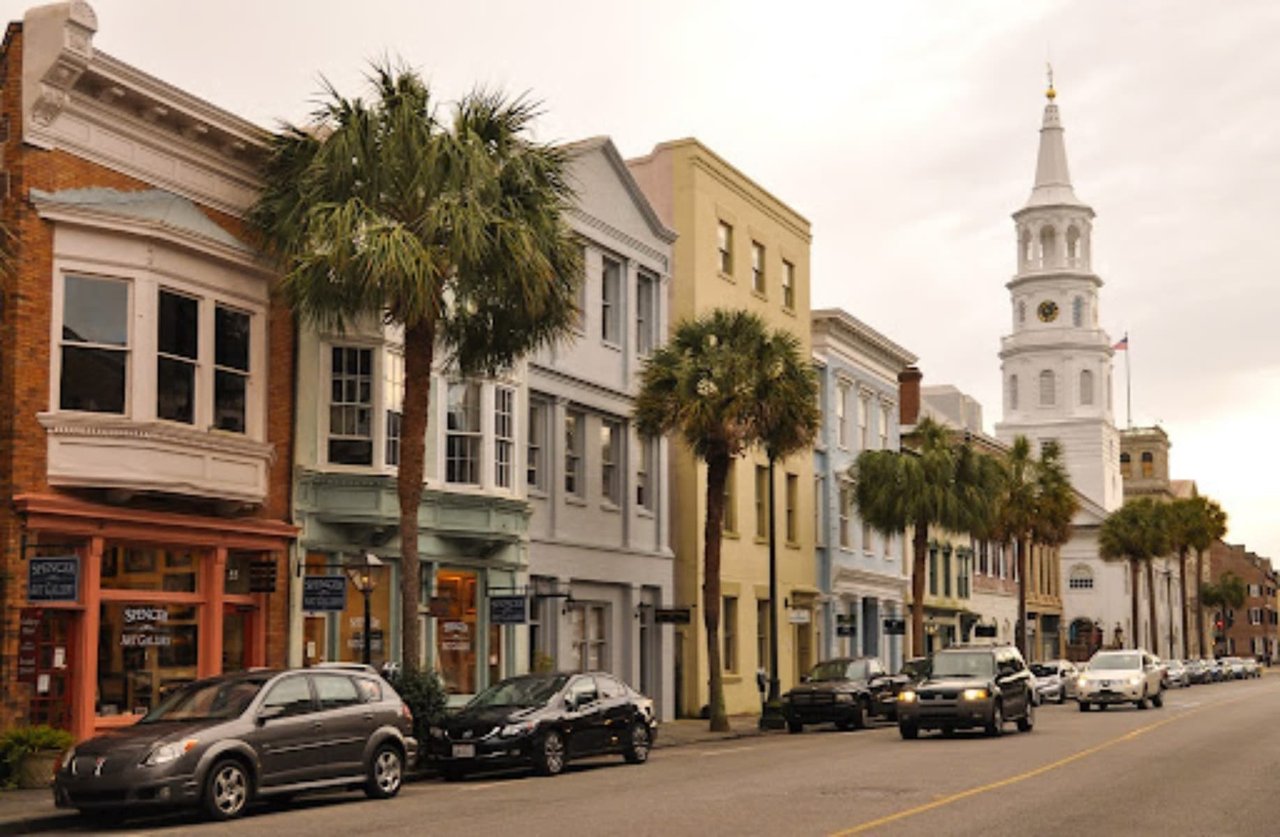
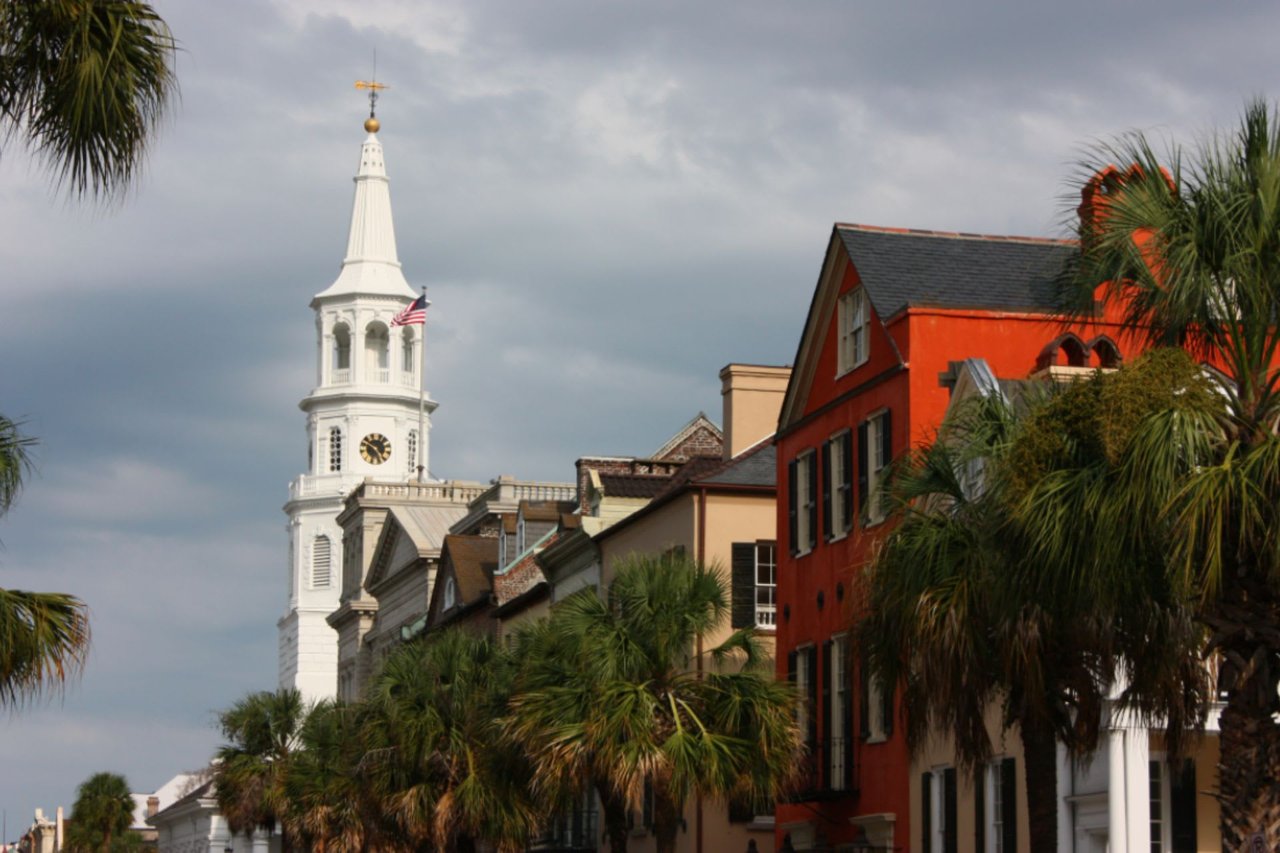
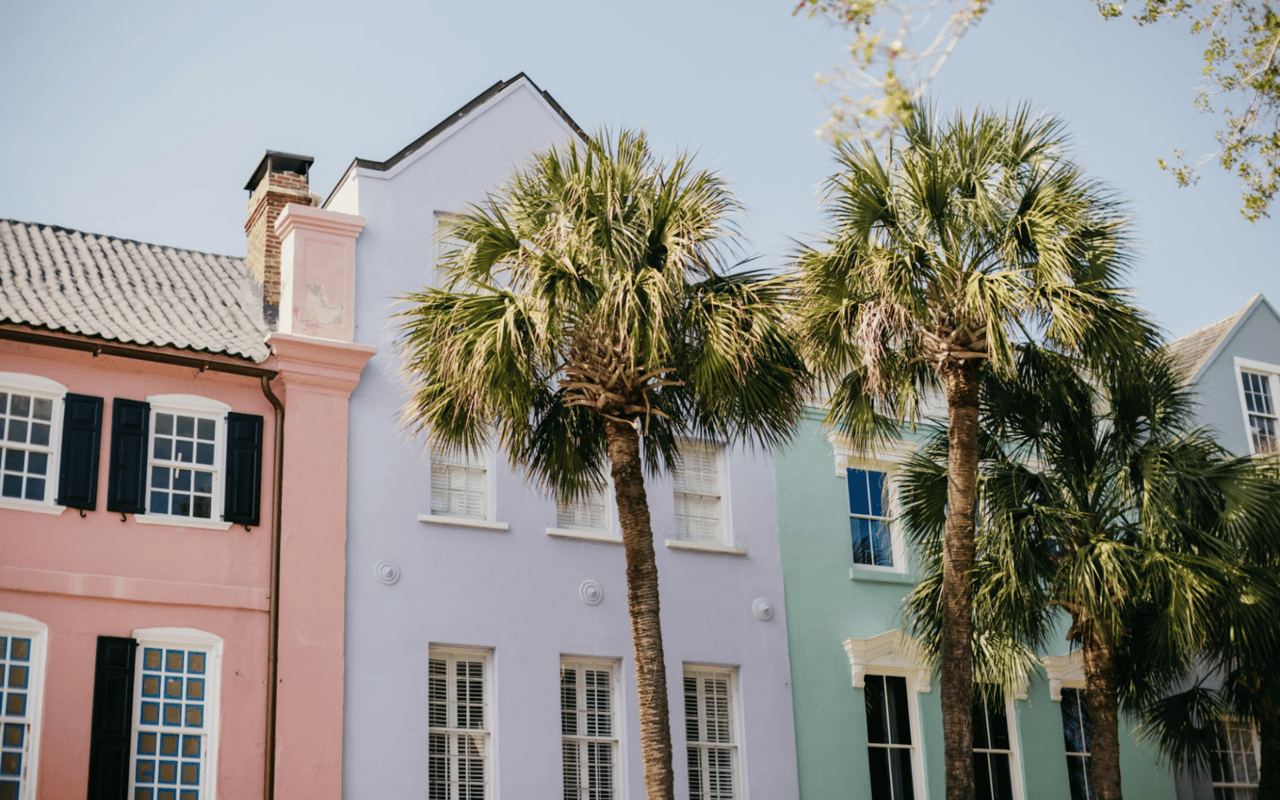
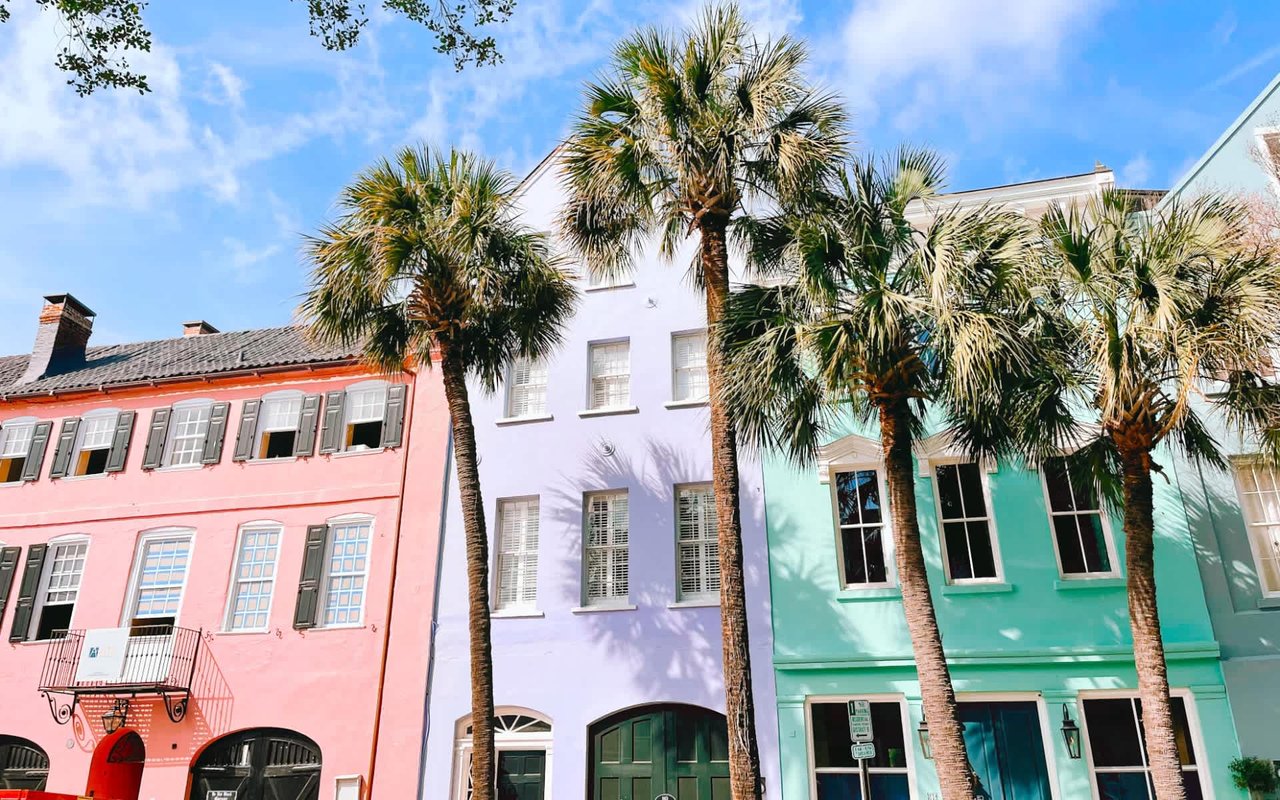
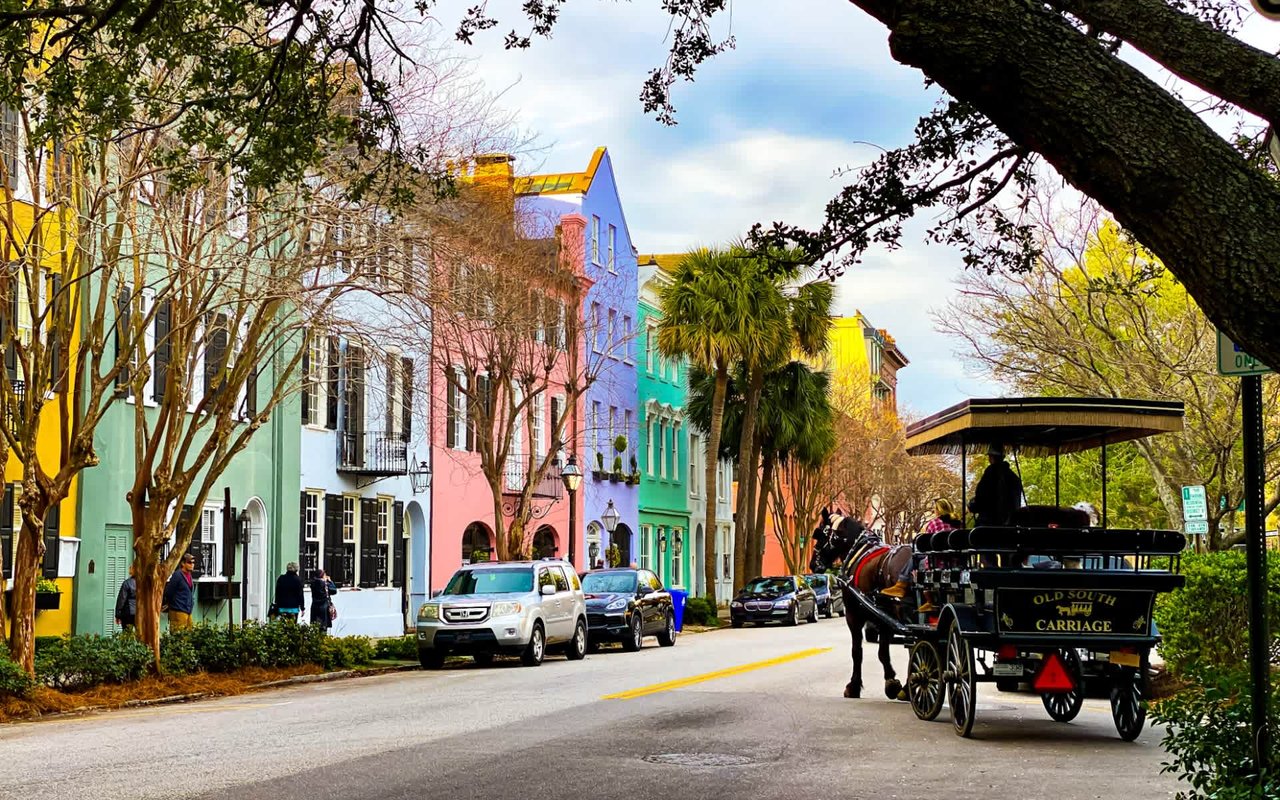
In historic antebellum homes and Greek Revival townhouses, paint selections must respect original materials like hand-plastered walls and wide heart pine floorboards. Muted sage greens, warm grays, and soft historic blues pay homage to Lowcountry heritage while integrating modern luxury furniture.
Whether preparing a property for sale or refreshing a newly purchased Charleston home, professional staging and color advice elevates market presentation. Contact Katherine Cox + Co. for expert real estate guidance across Charleston, SC.
Common Inquiries
Frequently Asked Questions
How does window direction affect interior paint color choices?
North-facing rooms receive cool blue light and need warm neutrals, while south-facing rooms receive warm direct sunlight and pair well with cool, muted blues and grays.
What paint undertones pair best with Charleston heart pine floors?
Heart pine floors feature warm reddish-orange undertones, pairing best with warm off-whites, greiges, and soft sage greens rather than cool blue-gray paints with pinkish undertones.
Can painting trim and walls the same color make a small room look larger?
Yes. Painting trim, baseboards, and walls in the same tone eliminates visual interruptions, expanding perceived room width and ceiling height.
What are traditional historic Charleston interior paint colors?
Traditional Charleston interior palettes feature soft sage greens, warm putty grays, pale sky blues, and creamy whites derived from 18th and 19th-century Lowcountry mineral pigments.
How do I contact a Charleston home staging and real estate expert?
Contact Katherine Cox + Co., premier real estate advisors in Charleston, SC, for tailored advice on home staging, color selection, and buying or selling Lowcountry properties.
Katherine Cox + Co. | Charleston SC Real Estate Advisory
Katherine Cox + Co. provides refined real estate advisory, bespoke home marketing, and expert buyer representation across Downtown Charleston, Mount Pleasant, Kiawah Island, and the Lowcountry.
Refreshing your home's interior or preparing to list in Charleston, SC? Connect with Katherine Cox + Co. to schedule a private consultation.