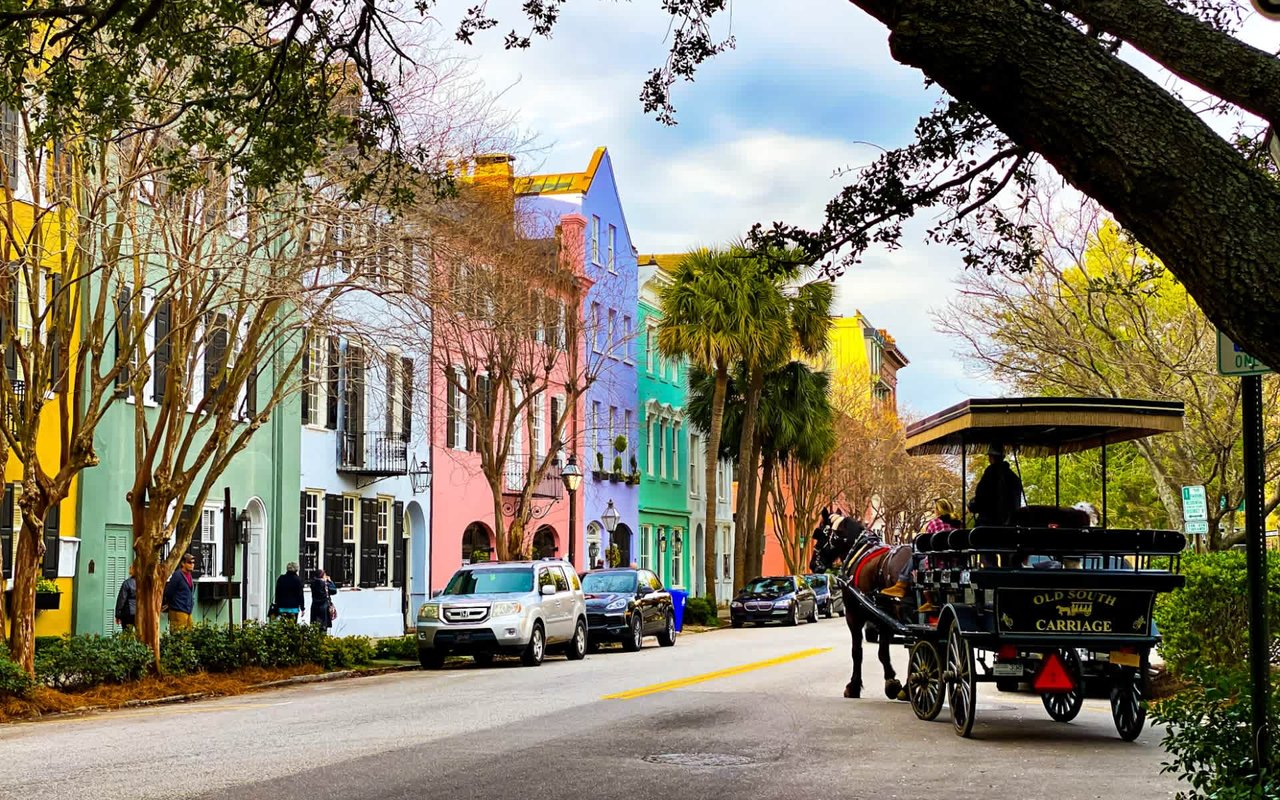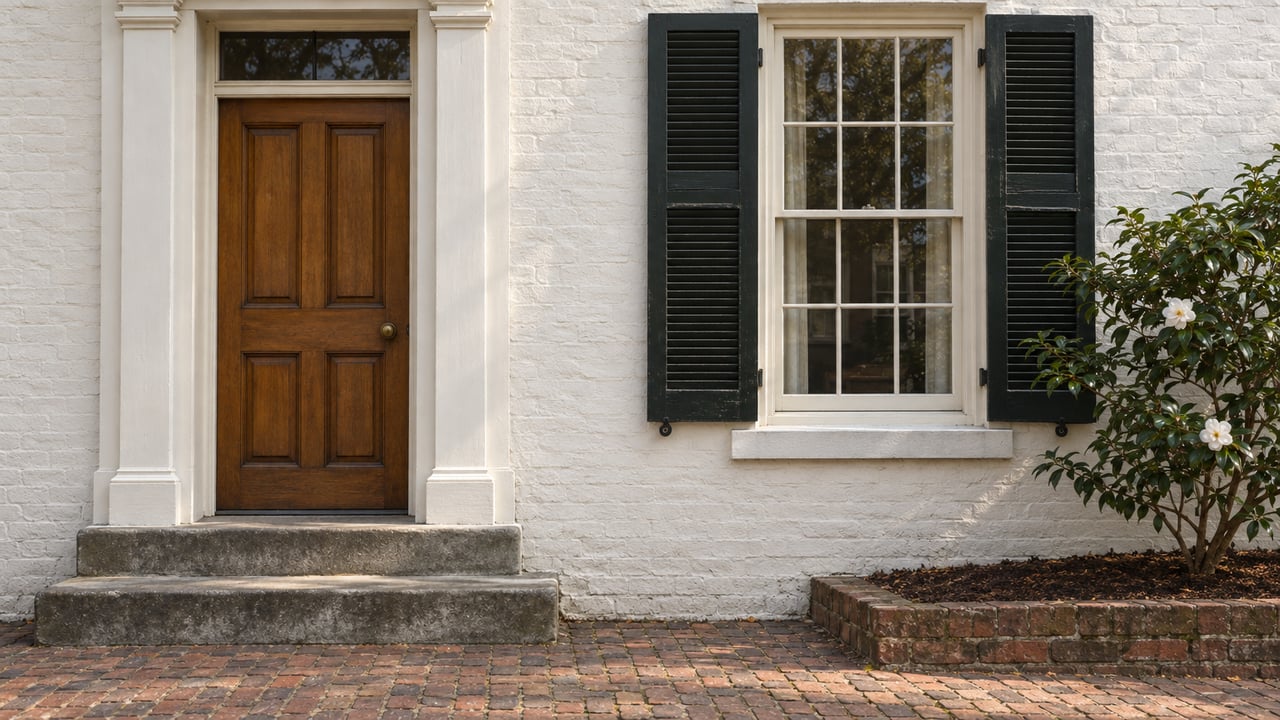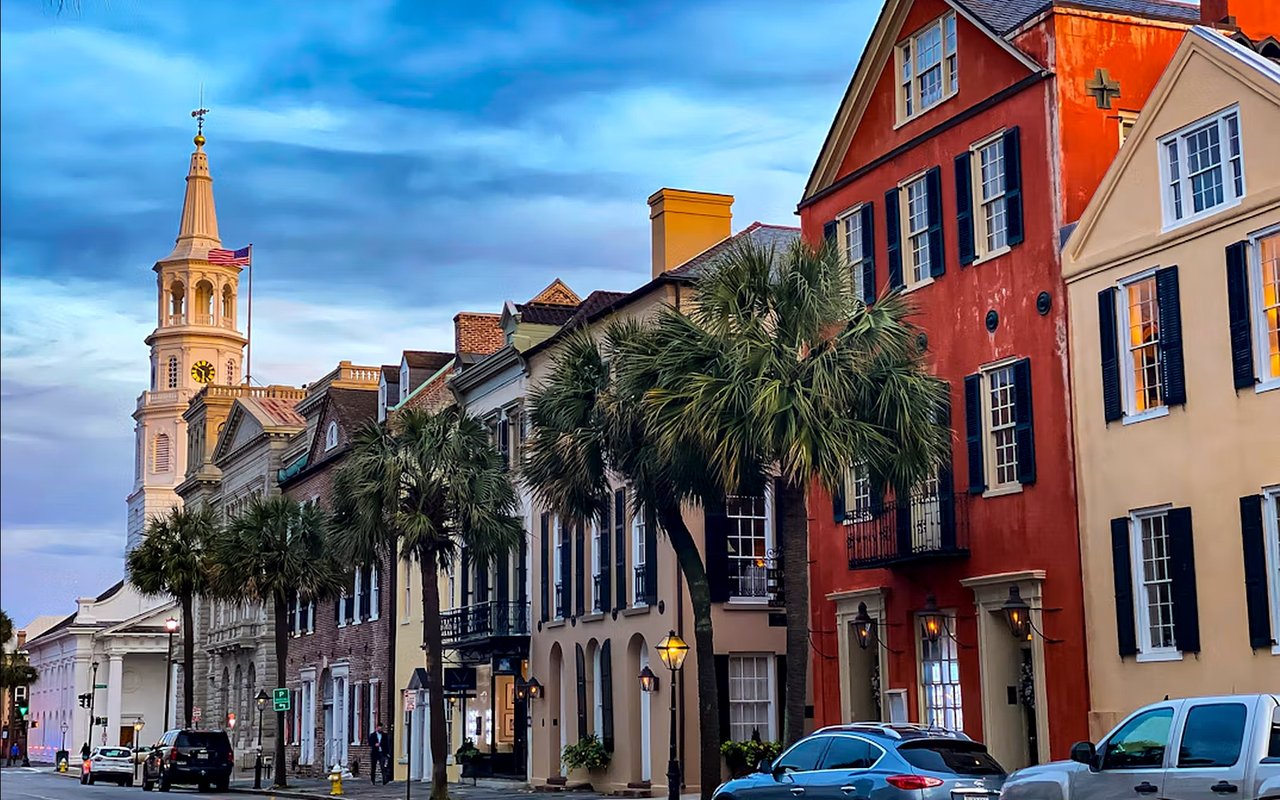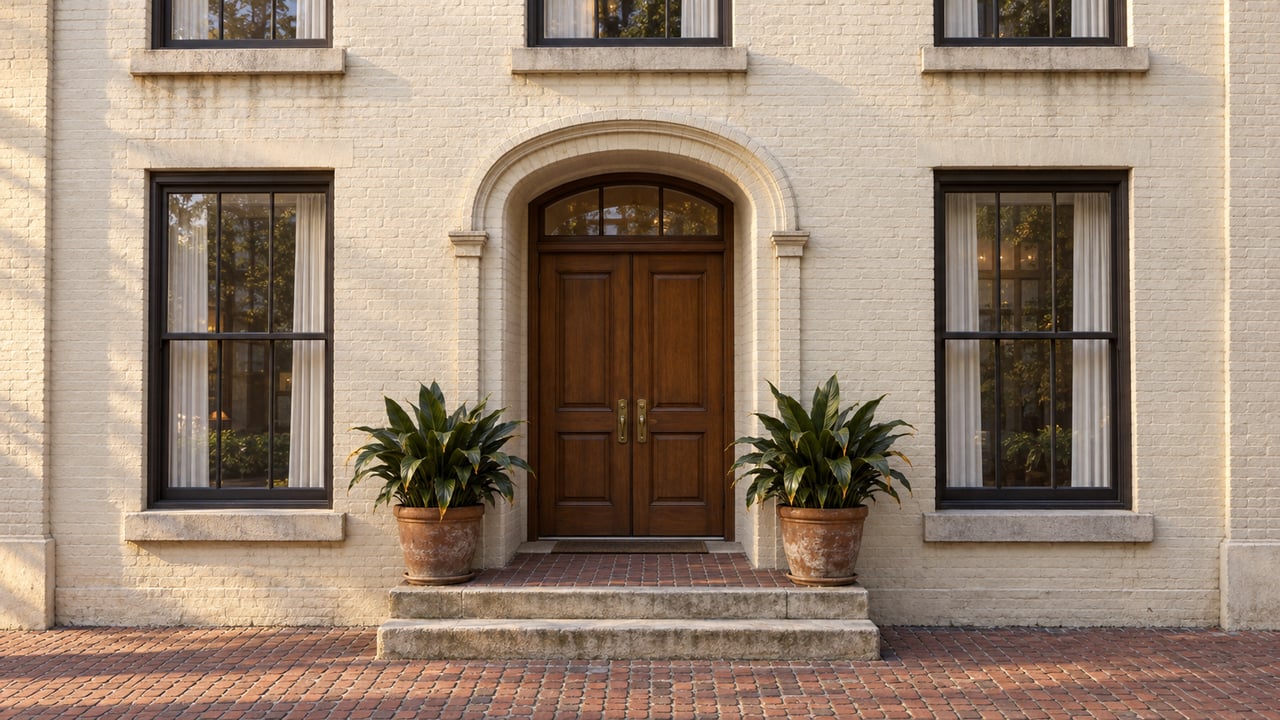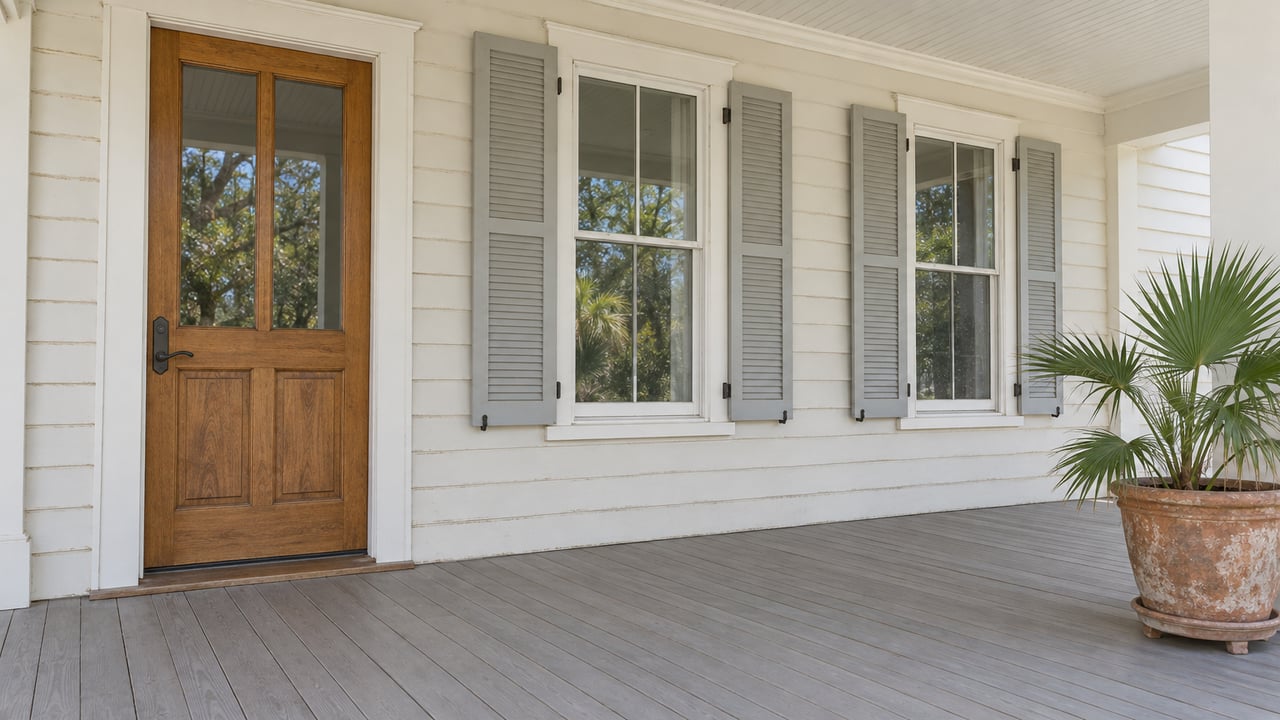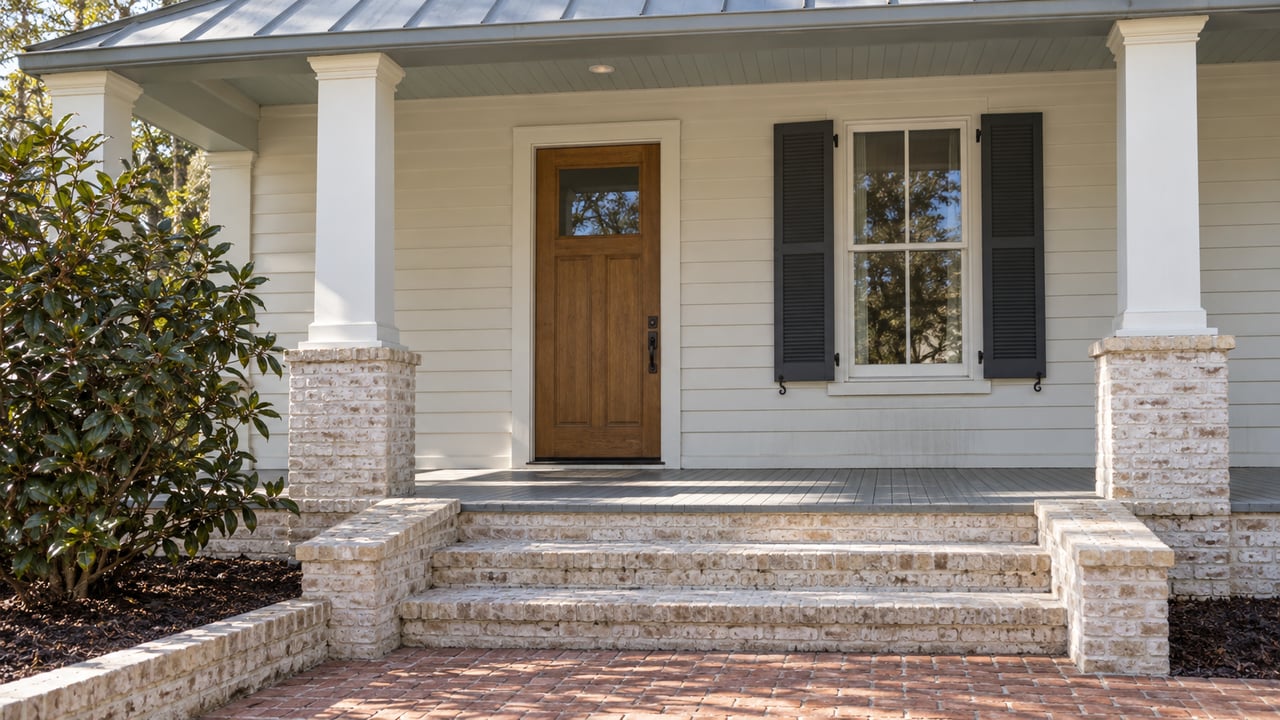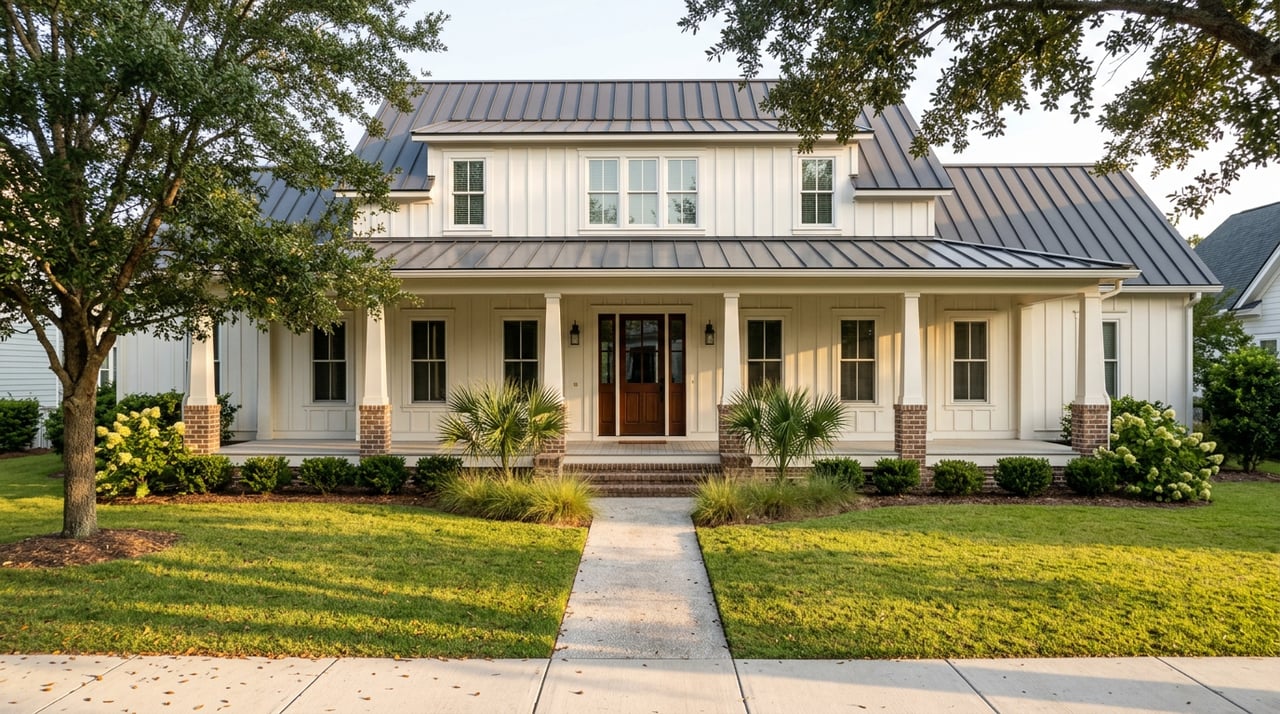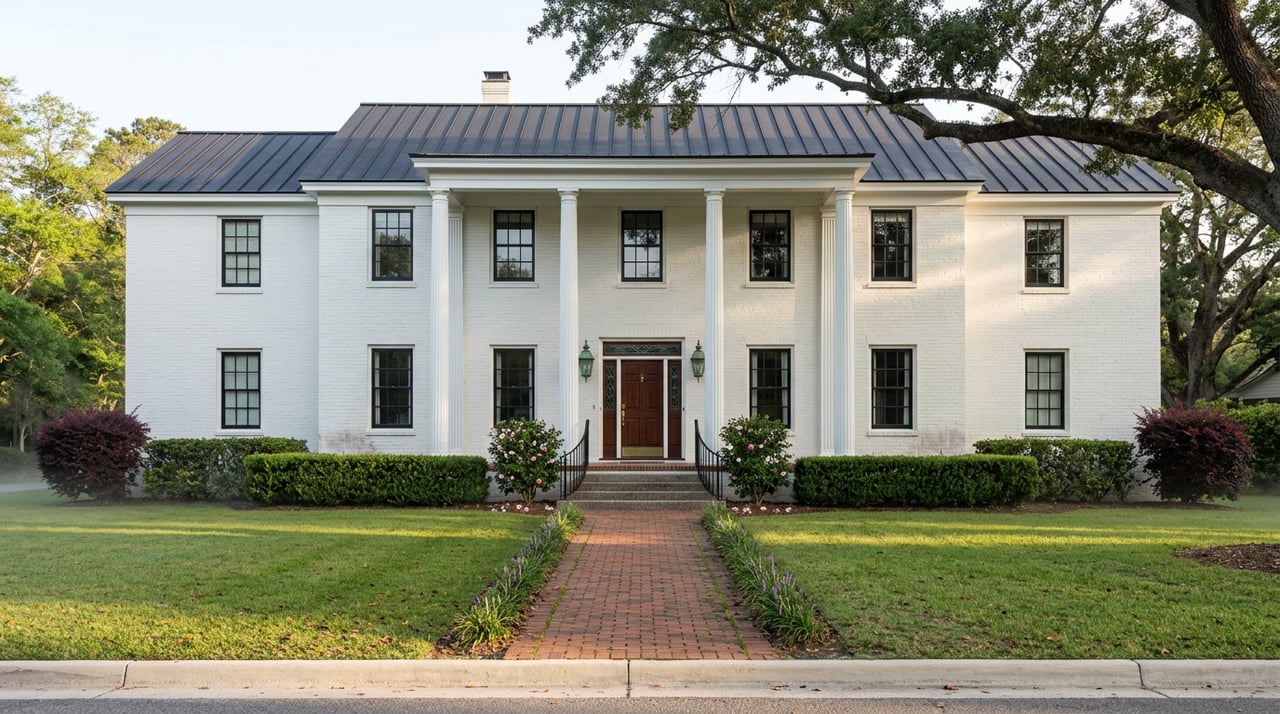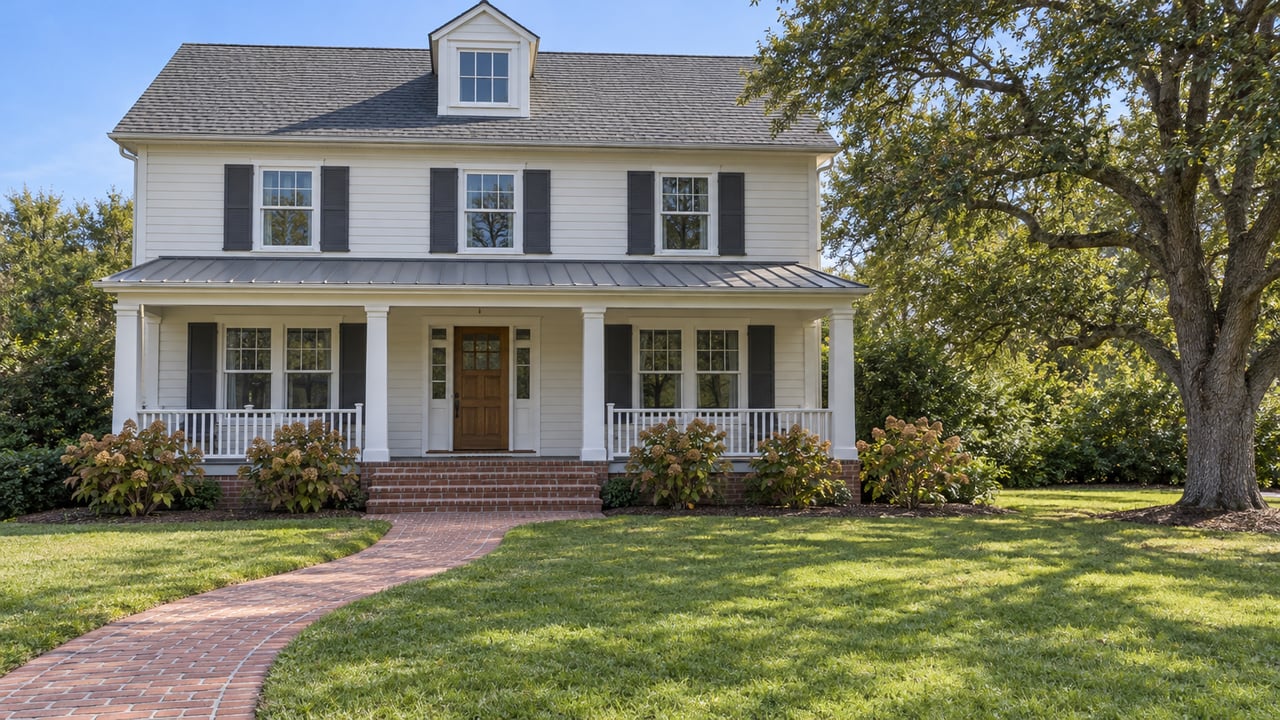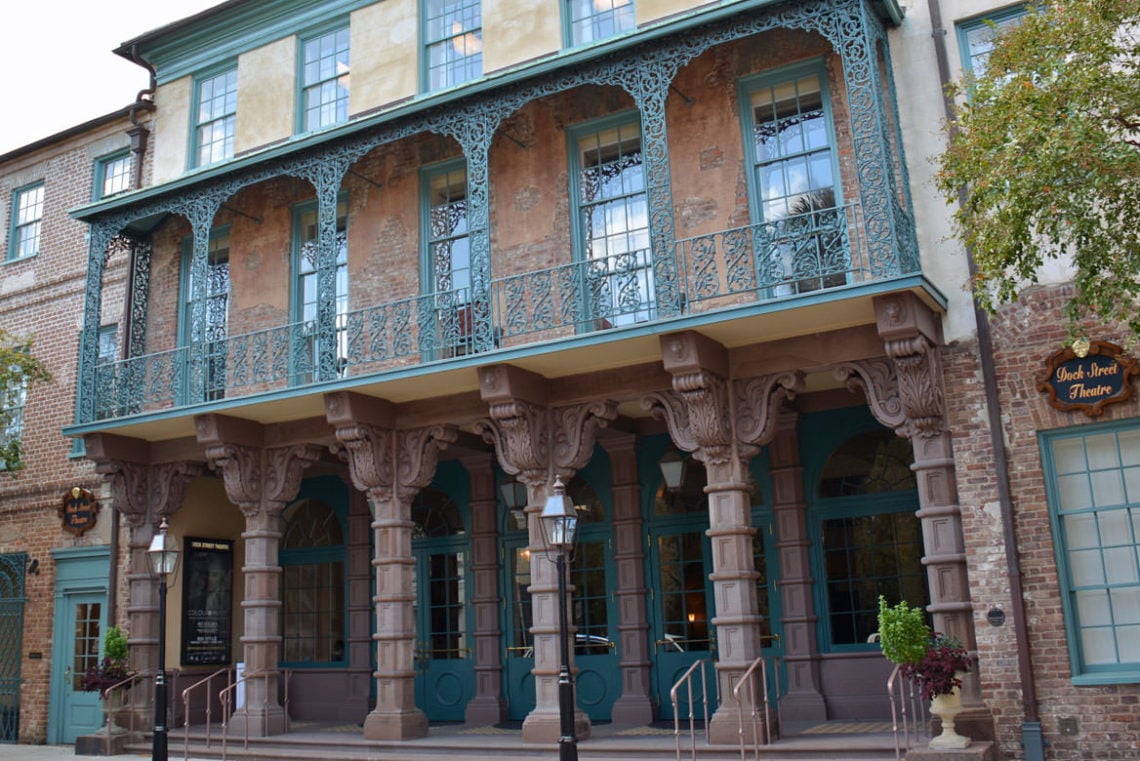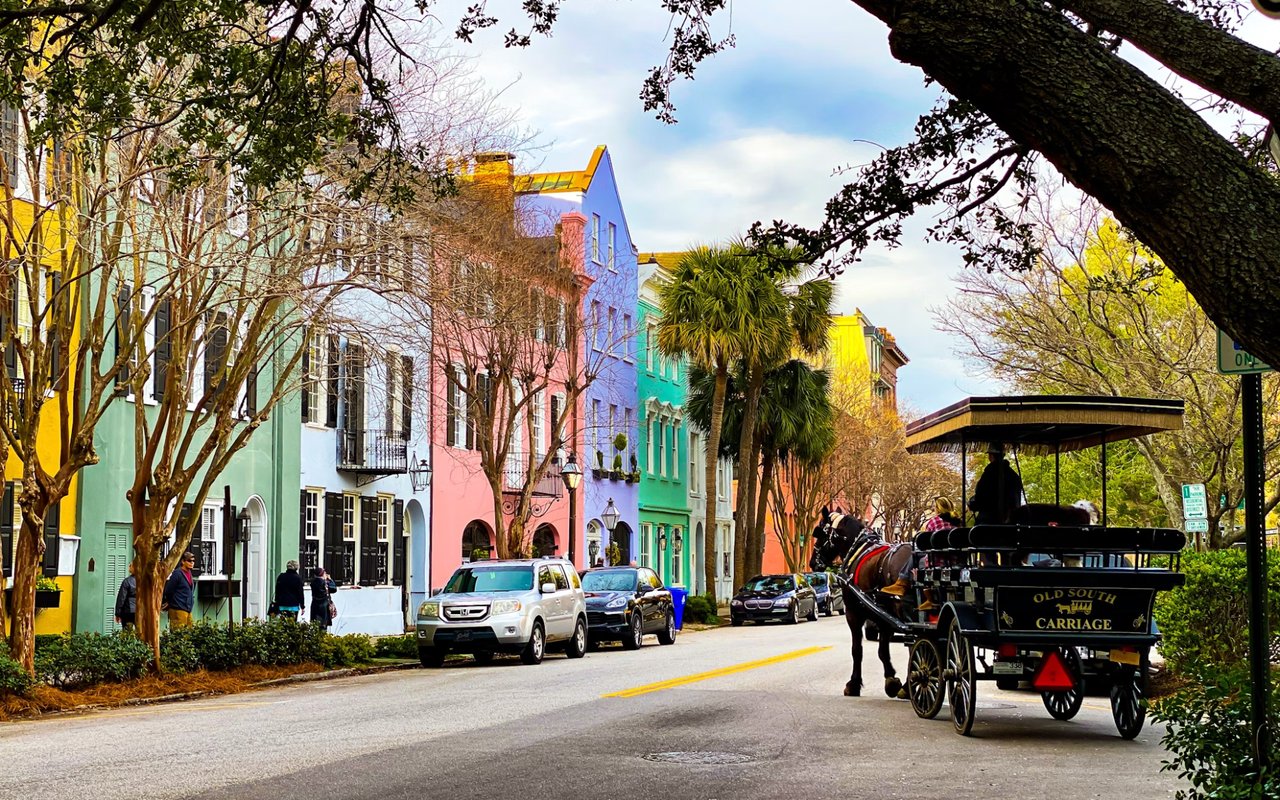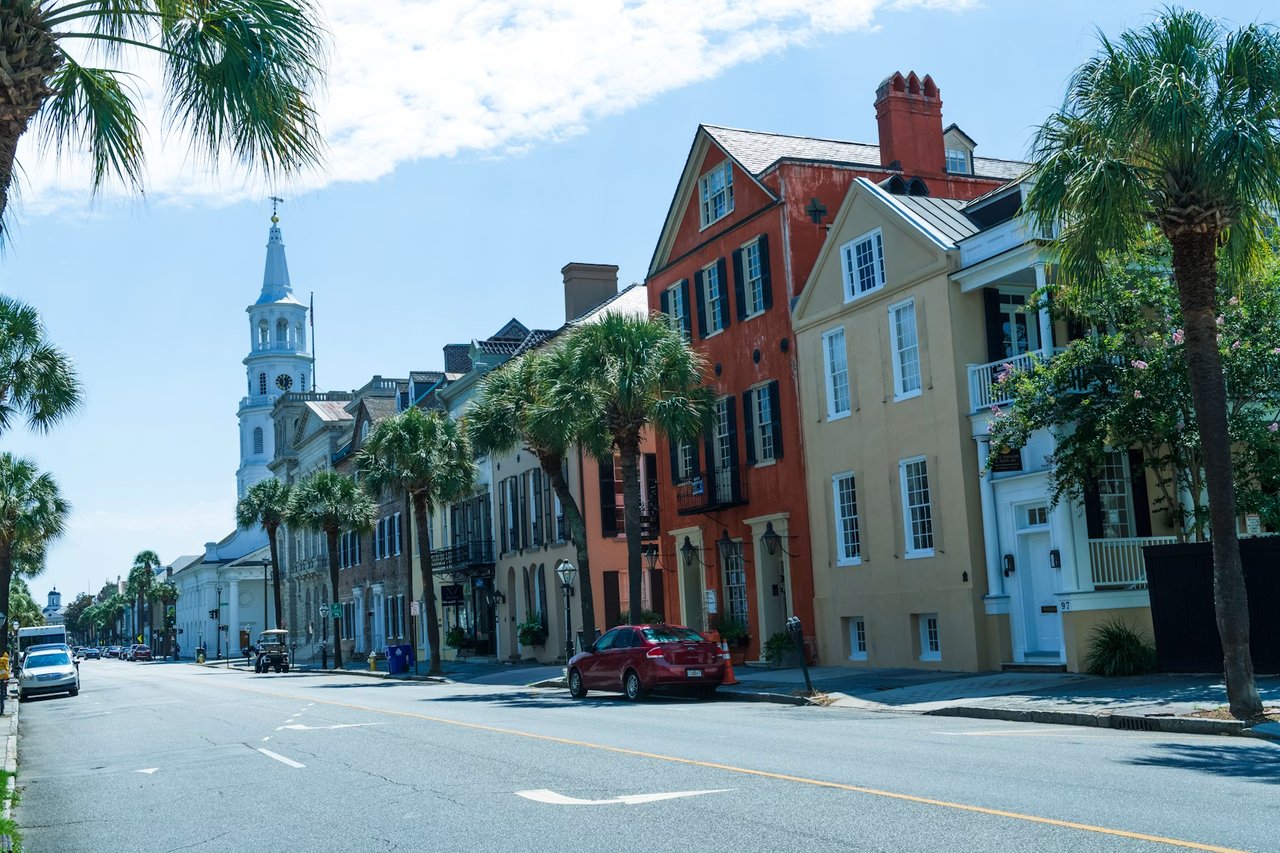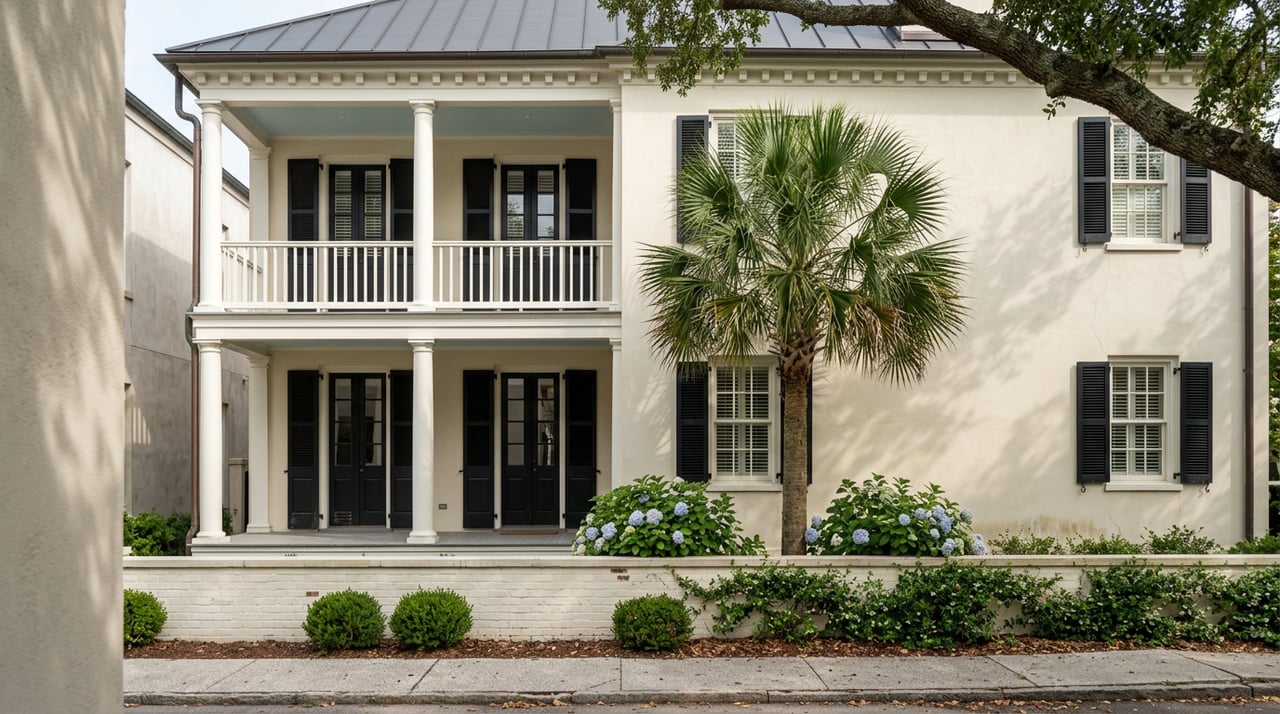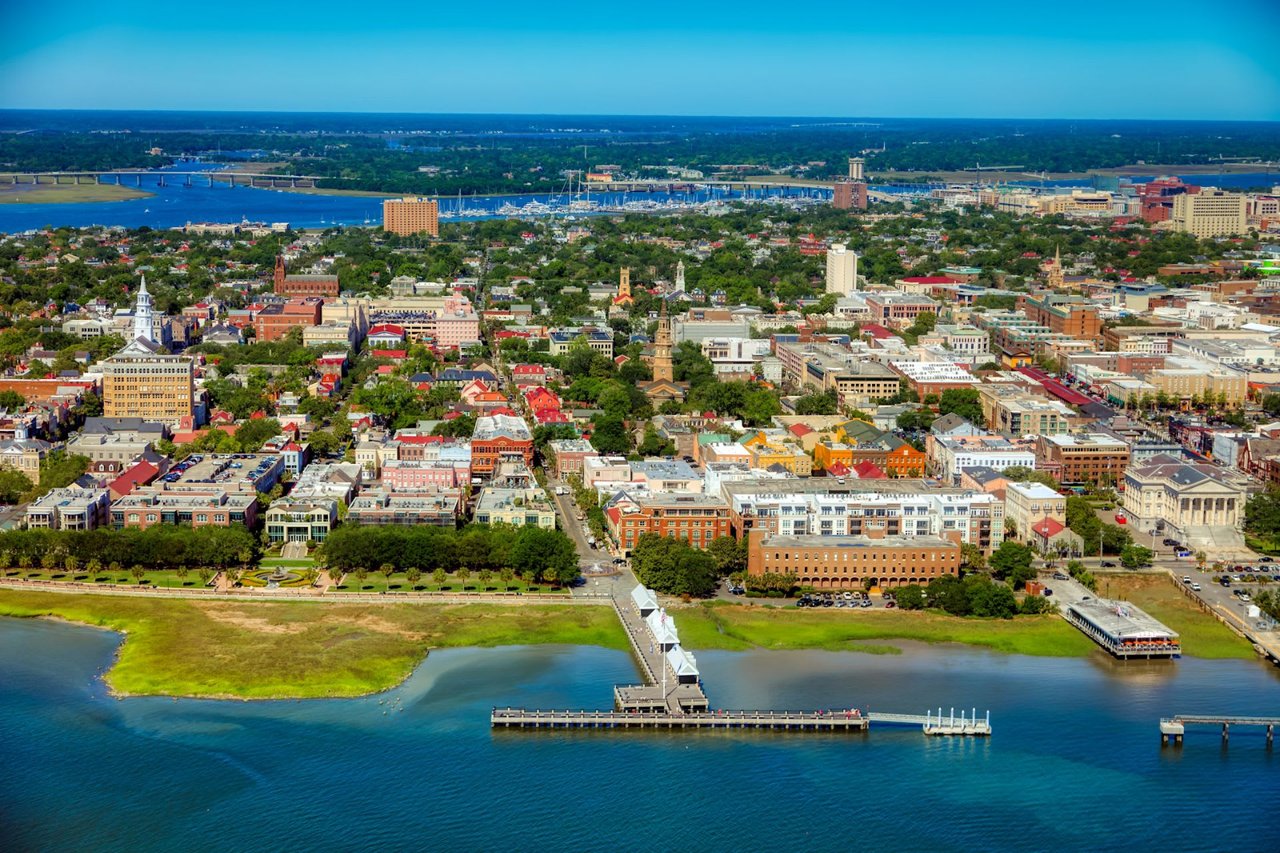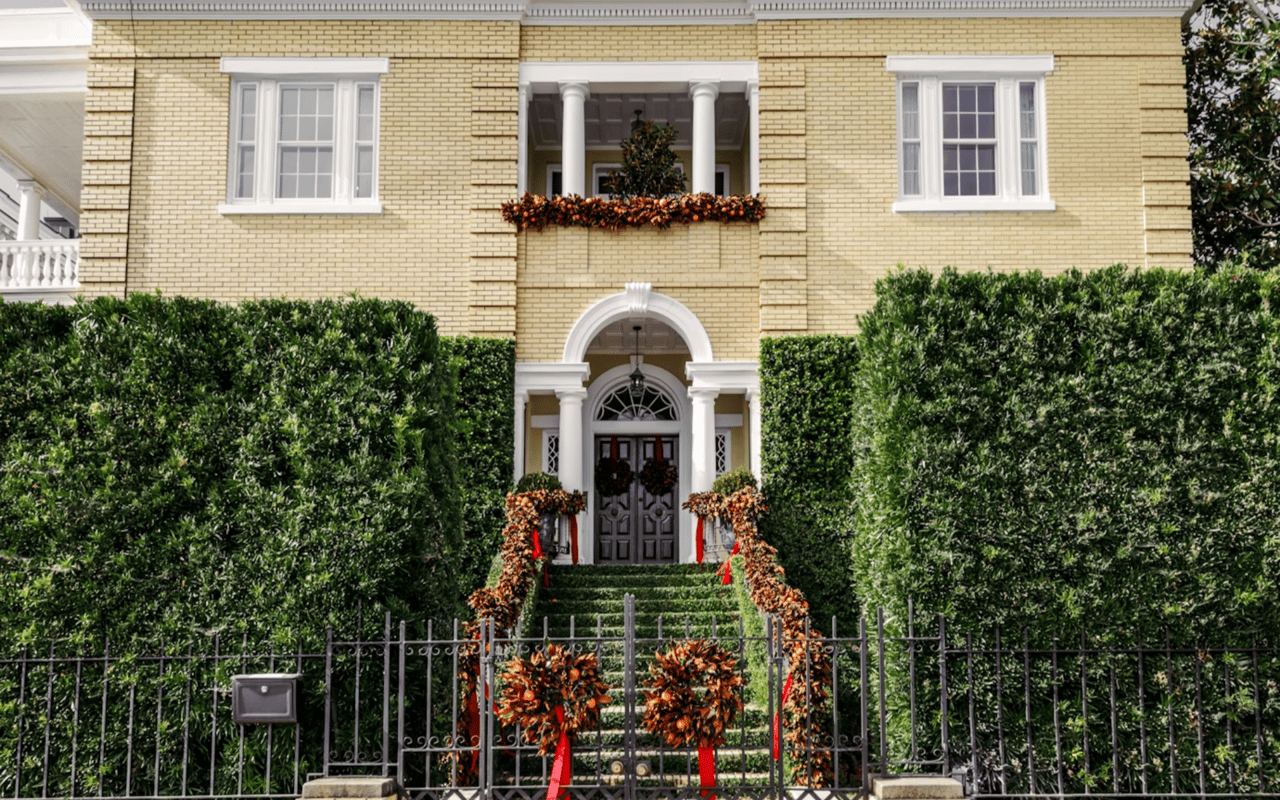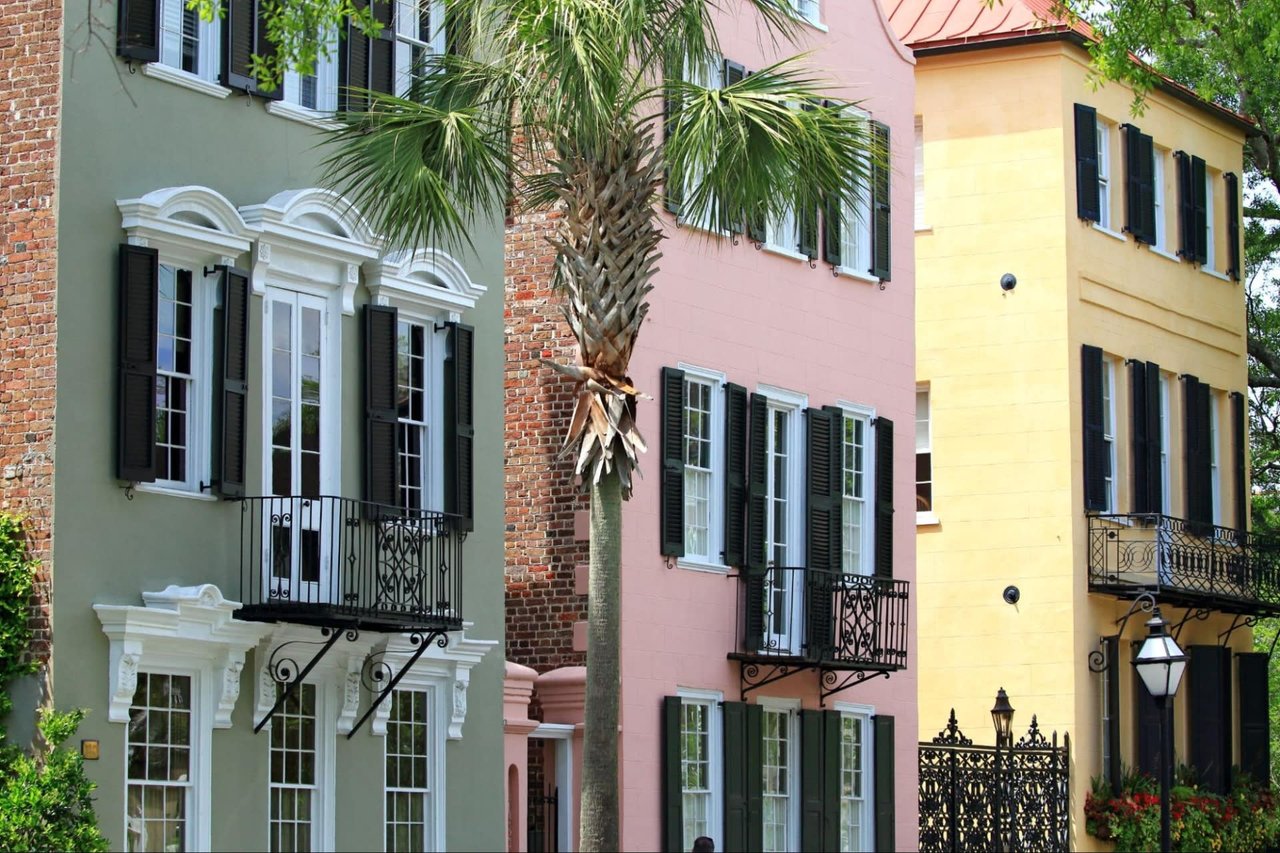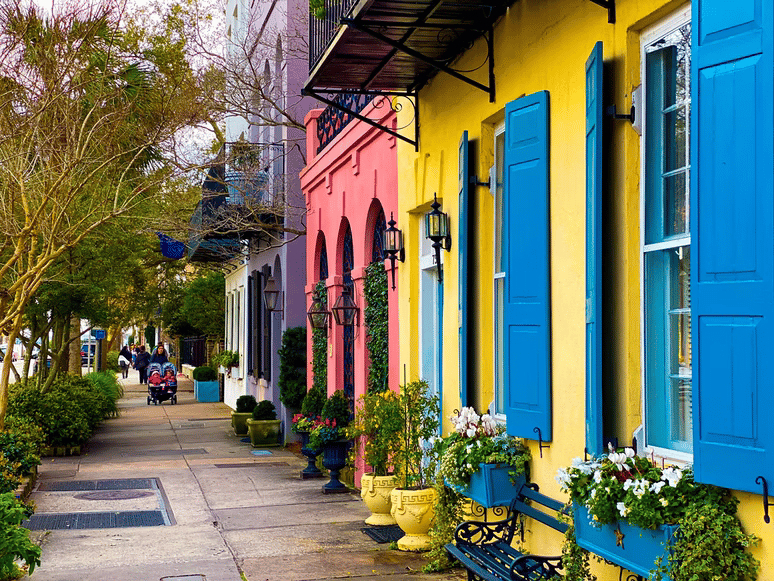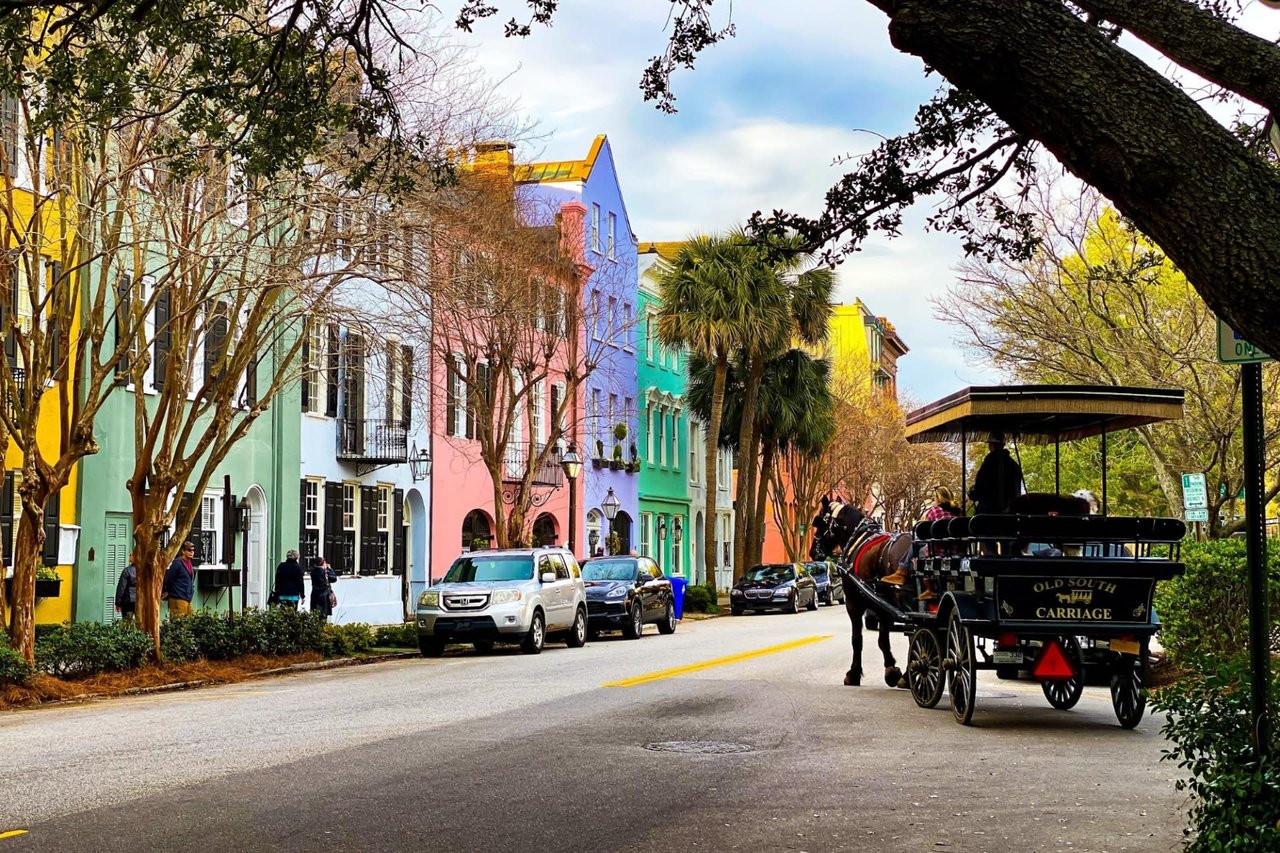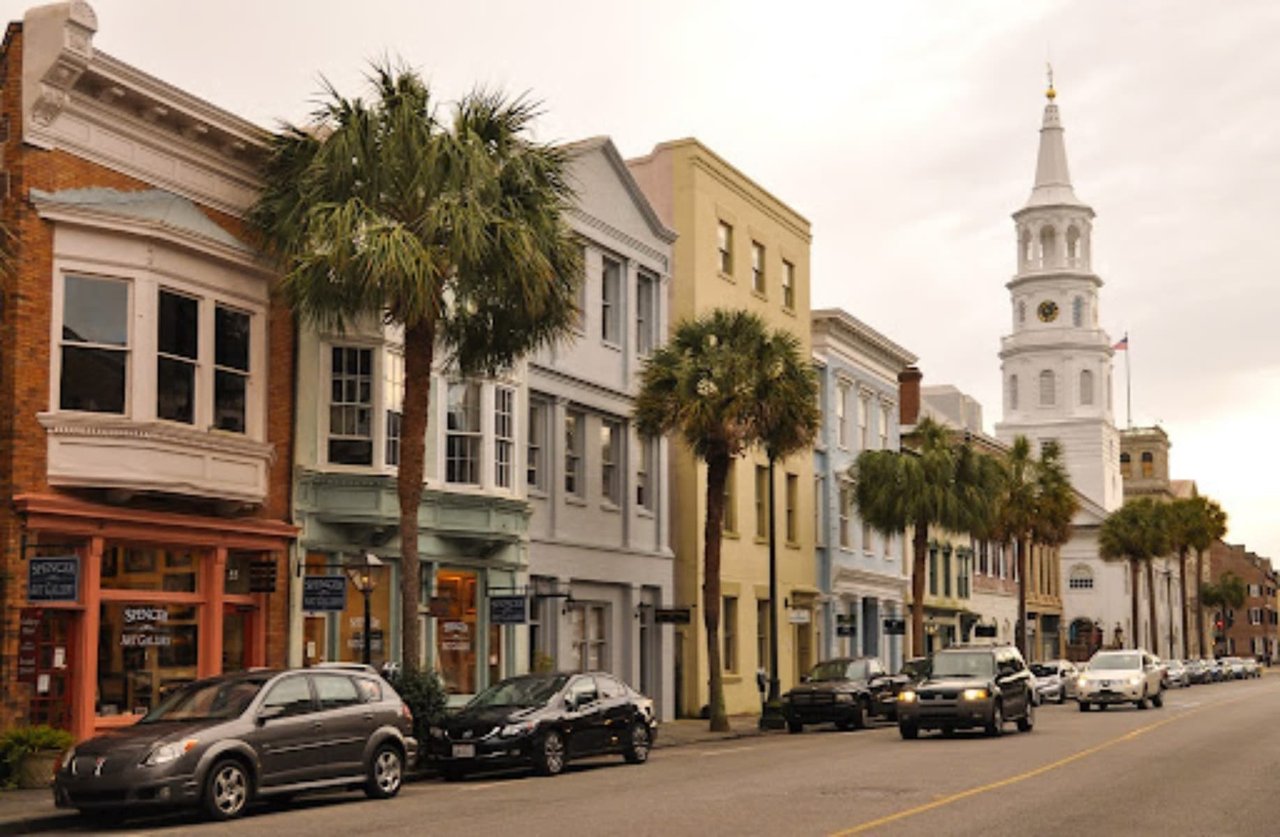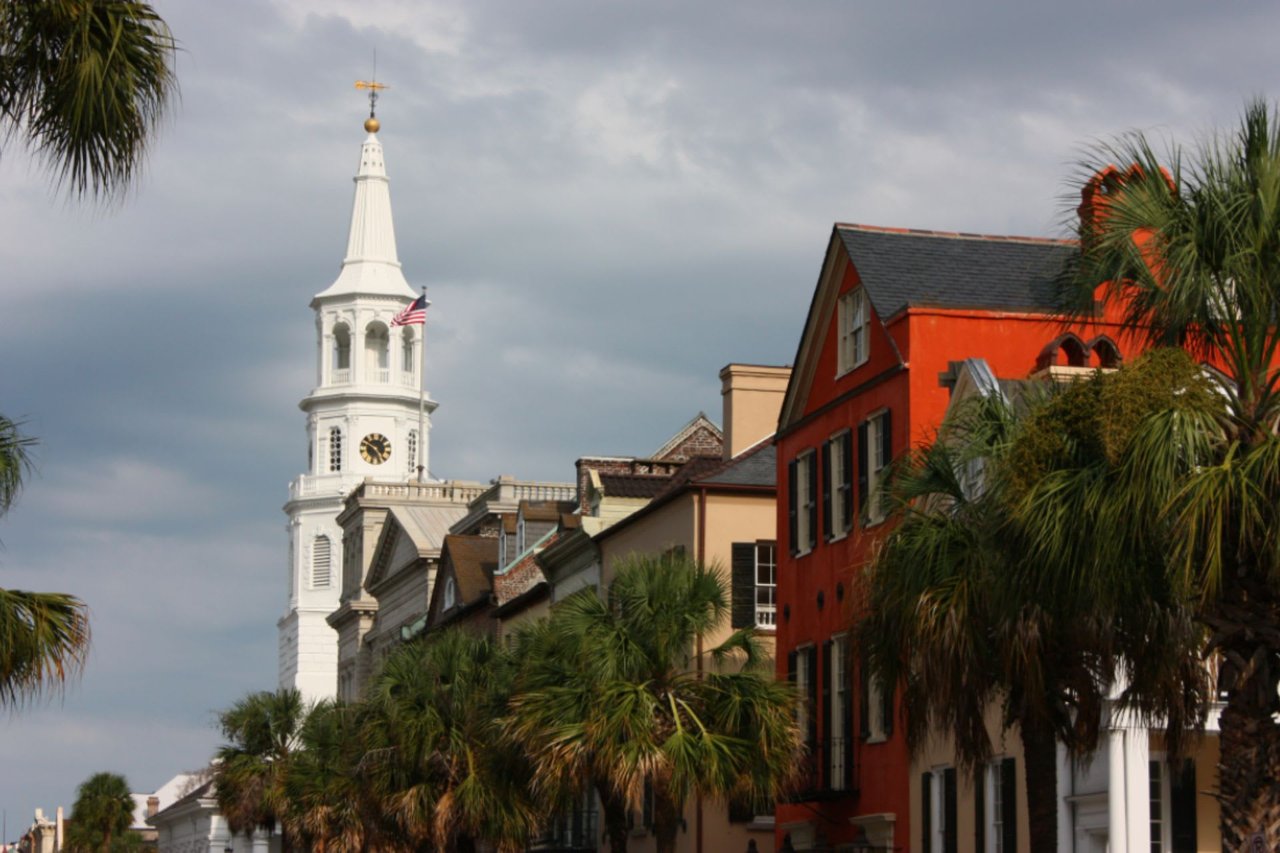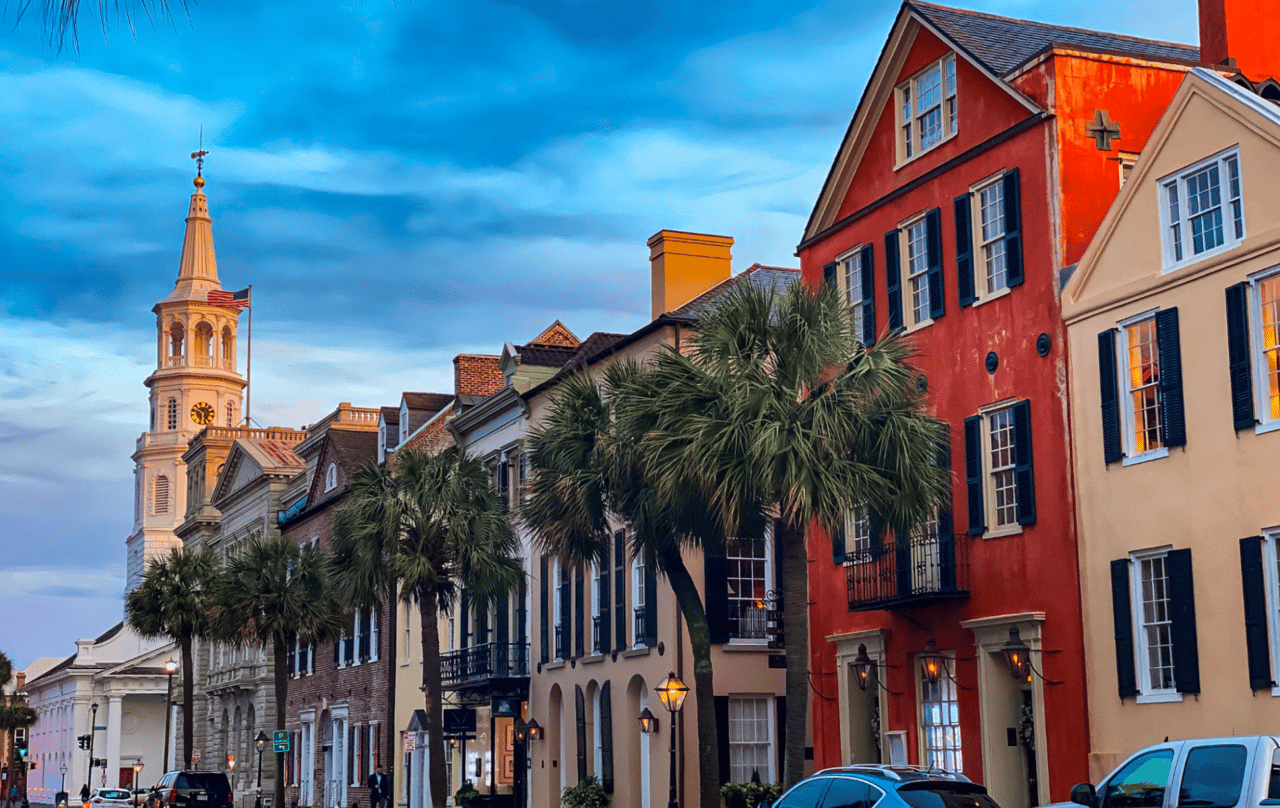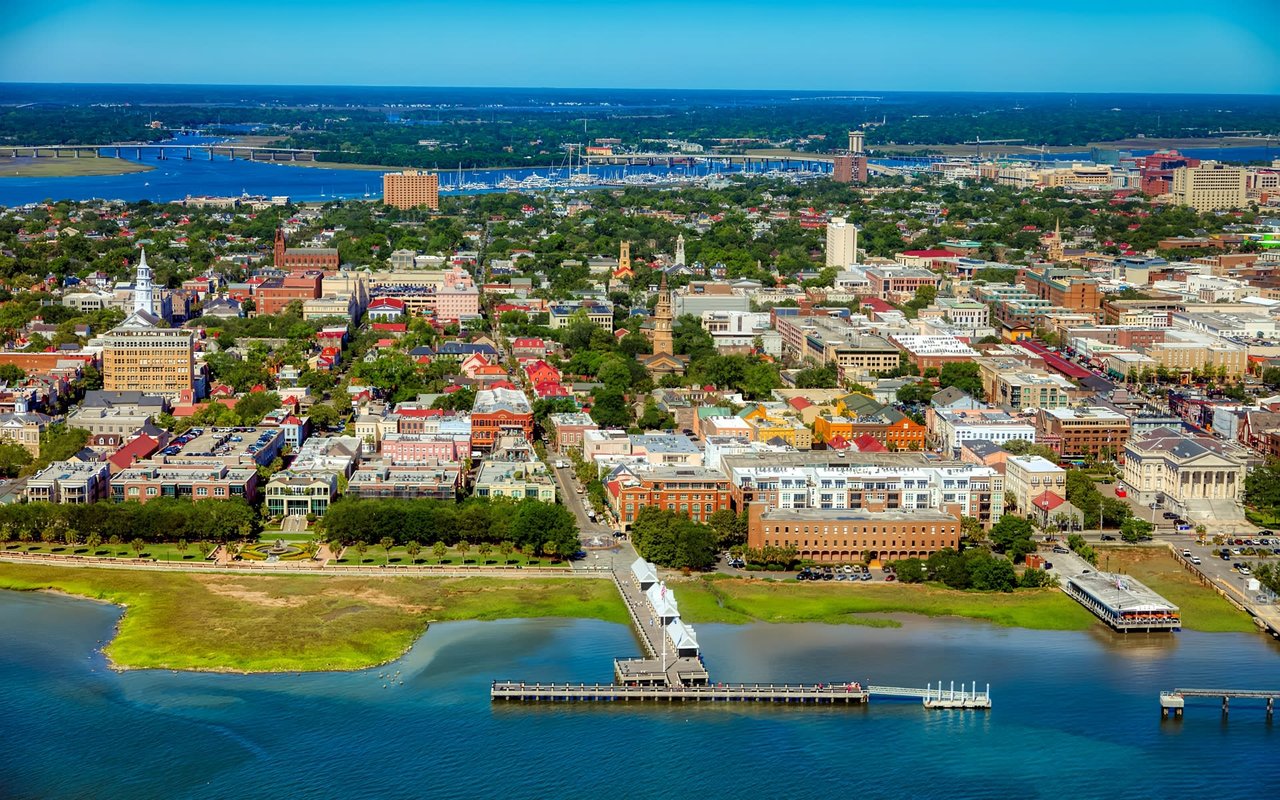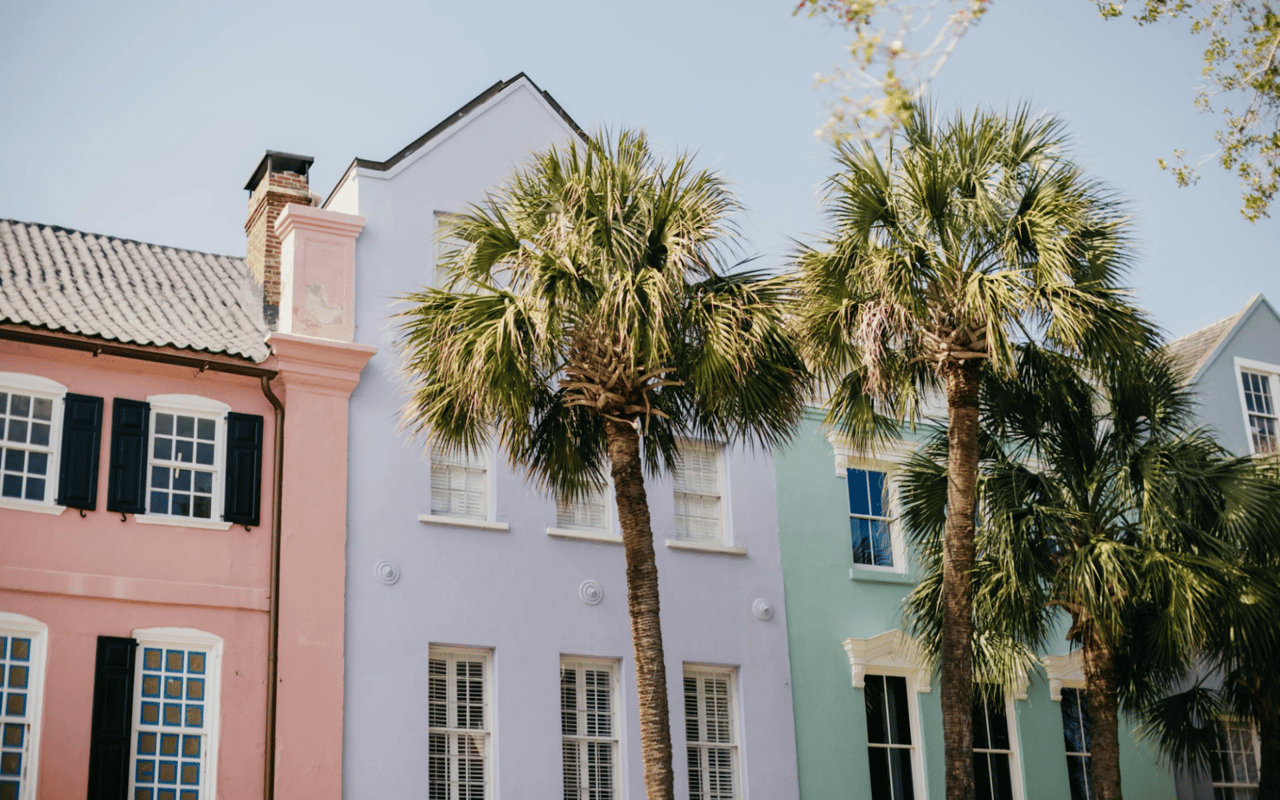
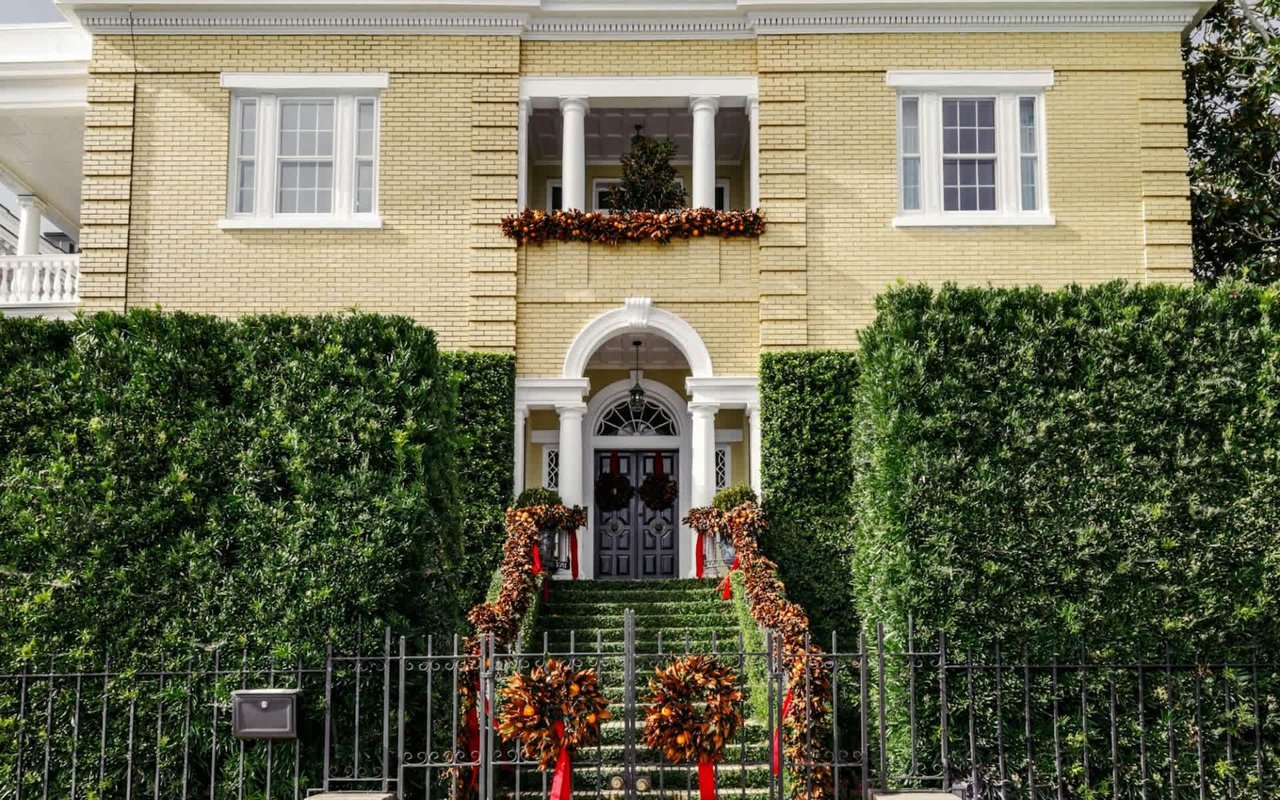
Historic Charleston mansions in downtown enclaves like South of Broad and Harleston Village represent the pinnacle of Lowcountry luxury, blending 18th-century Georgian and Greek Revival architecture with modern interior renovations. Typical estate values range from $3,500,000 to over $15,000,000, governed by Board of Architectural Review guidelines that protect multi-tiered piazzas, private gardens, and antique craftsmanship.
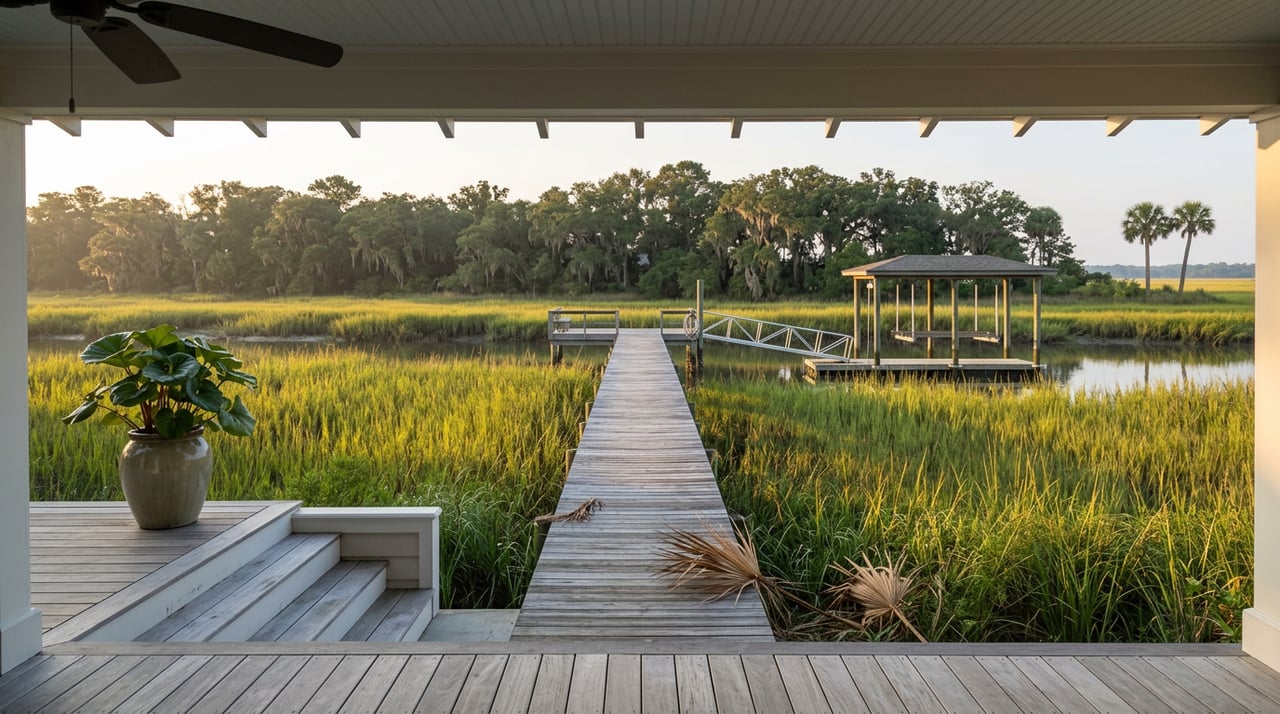
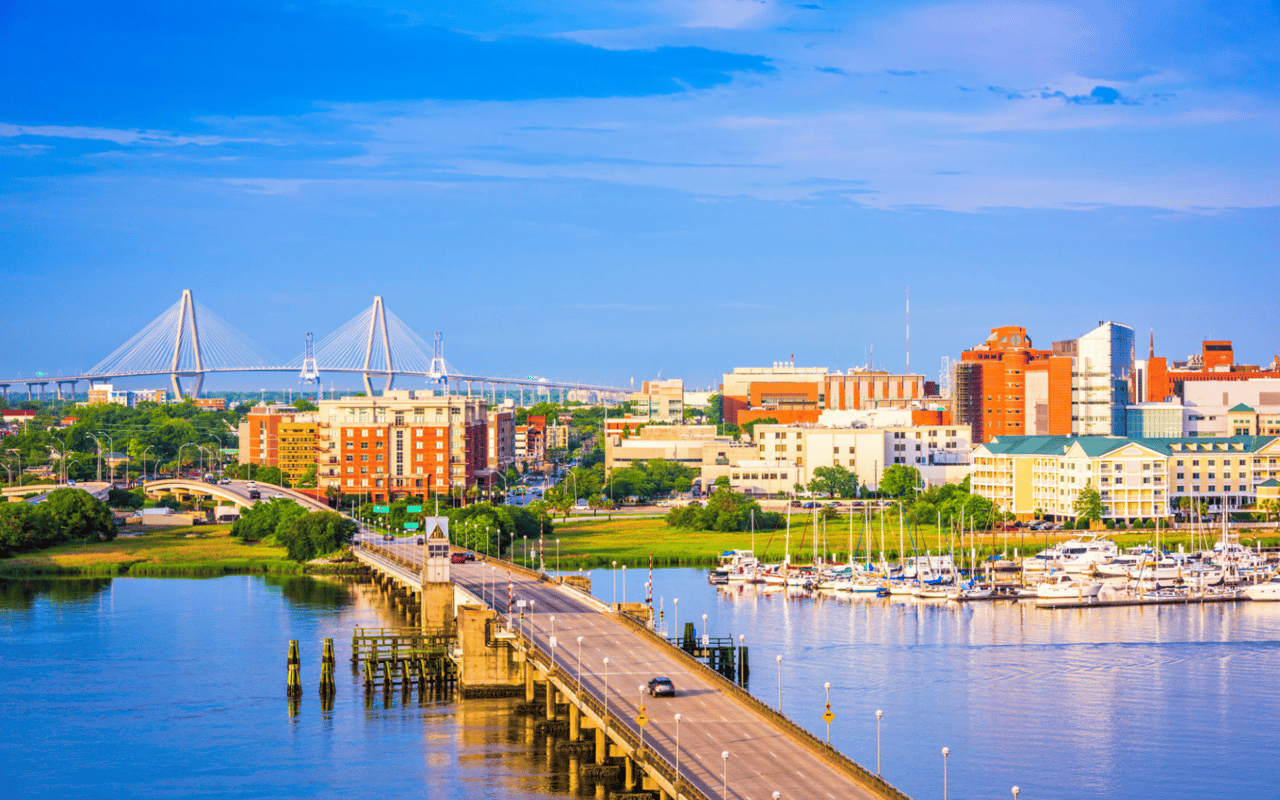
Researching historic downtown estates or evaluating surrounding waterfront living? Explore premier peninsula properties on Charleston waterfront real estate, or compare Lowcountry communities in our comprehensive guide to the best neighborhoods to live in Charleston SC before selecting your property.
Historic District / Enclave | Dominant Architectural Eras | Signature Design Features | Zoning & Preservation Body | Typical Estate Valuation |
|---|---|---|---|---|
South of Broad (Lower Peninsula) | Georgian, Federal, Greek Revival (1740 to 1860) | Multi-tiered piazzas, Philip Simmons ironwork, walled courtyards | City of Charleston BAR-L (Old & Historic District) | $4,500,000 to $16,000,000+ |
Harleston Village | Antebellum Classical, Italianate, Victorian (1790 to 1880) | Double-parlor layouts, grand pocket doors, gas lantern entries | City of Charleston BAR-S & Historic Preservation | $2,800,000 to $7,500,000 |
French Quarter & Ansonborough | Early Colonial, Regency, Brick Townhouses (1720 to 1840) | Extensive masonry work, parapet firewalls, secluded carriage houses | Historic Charleston Foundation covenants & BAR | $2,500,000 to $8,000,000 |
Radcliffeborough & Cannonborough | Victorian Single Houses, Charleston Cottages (1850 to 1910) | Intricate gingerbread millwork, high ceilings, restored carriage dependencies | City of Charleston BAR-S District | $1,800,000 to $4,500,000 |
Architectural Heritage and Iconic Peninsula Floor Plans
Charleston's historic mansions represent one of North America's most intact collections of residential eighteenth and nineteenth-century architecture. Concentrated on the downtown peninsula south of Calhoun Street, these grand private estates reflect the wealth of colonial merchants, plantation dynasties, and maritime traders who commissioned master craftsmen to erect monumental homes. The architectural landscape spans stately Georgian brick manors, delicate Federal townhouses with intricate plaster relief, and neoclassical Greek Revival mansions marked by colossal fluted columns and pedimented porticos.
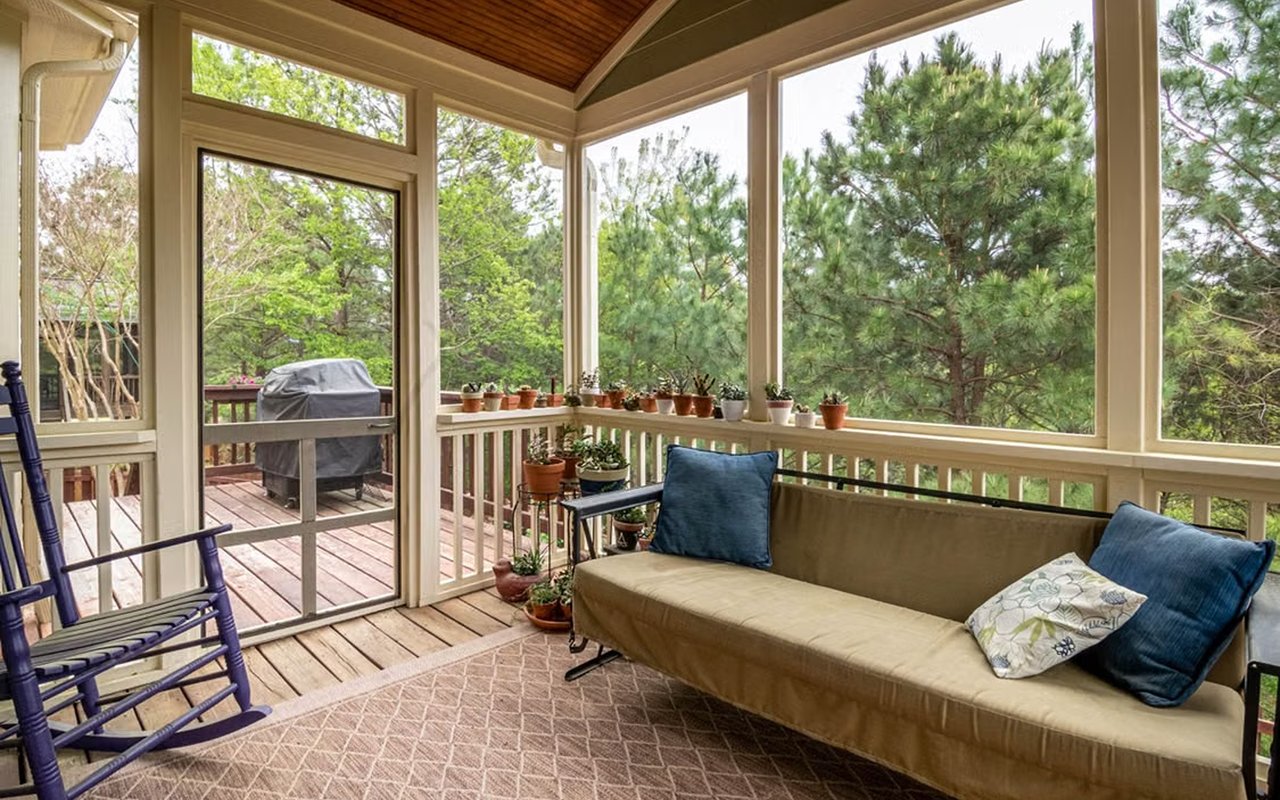
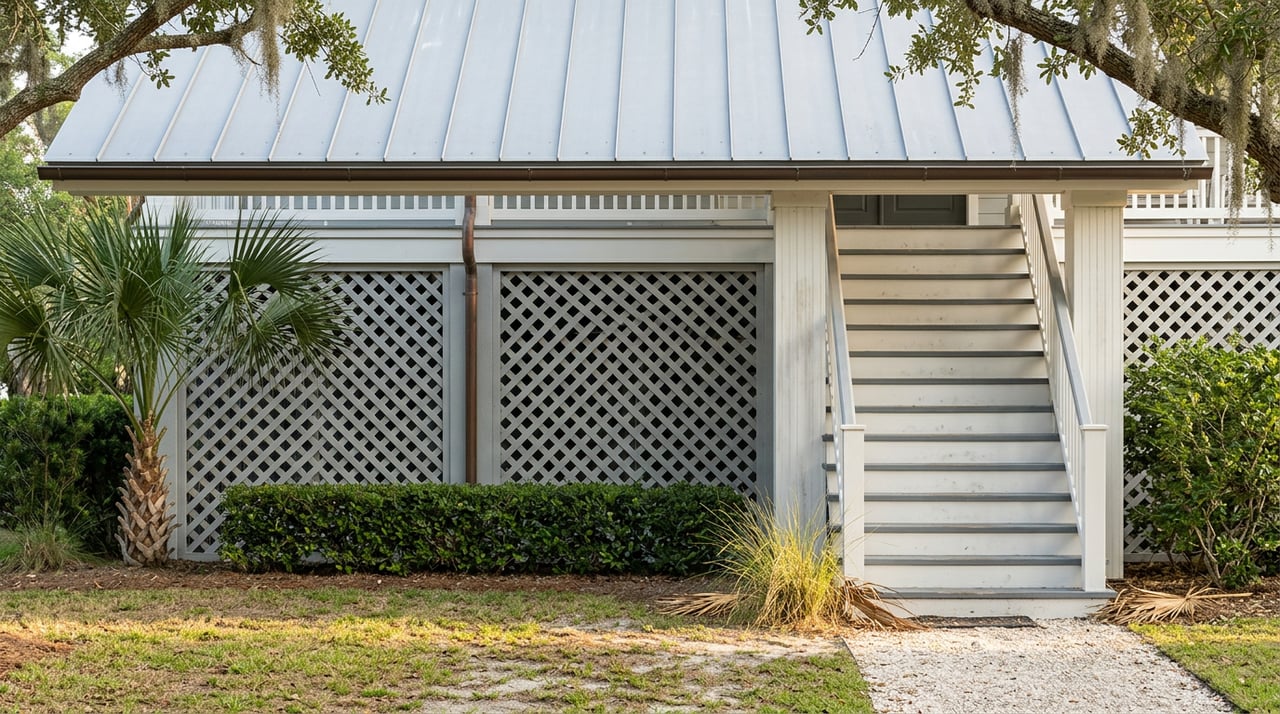
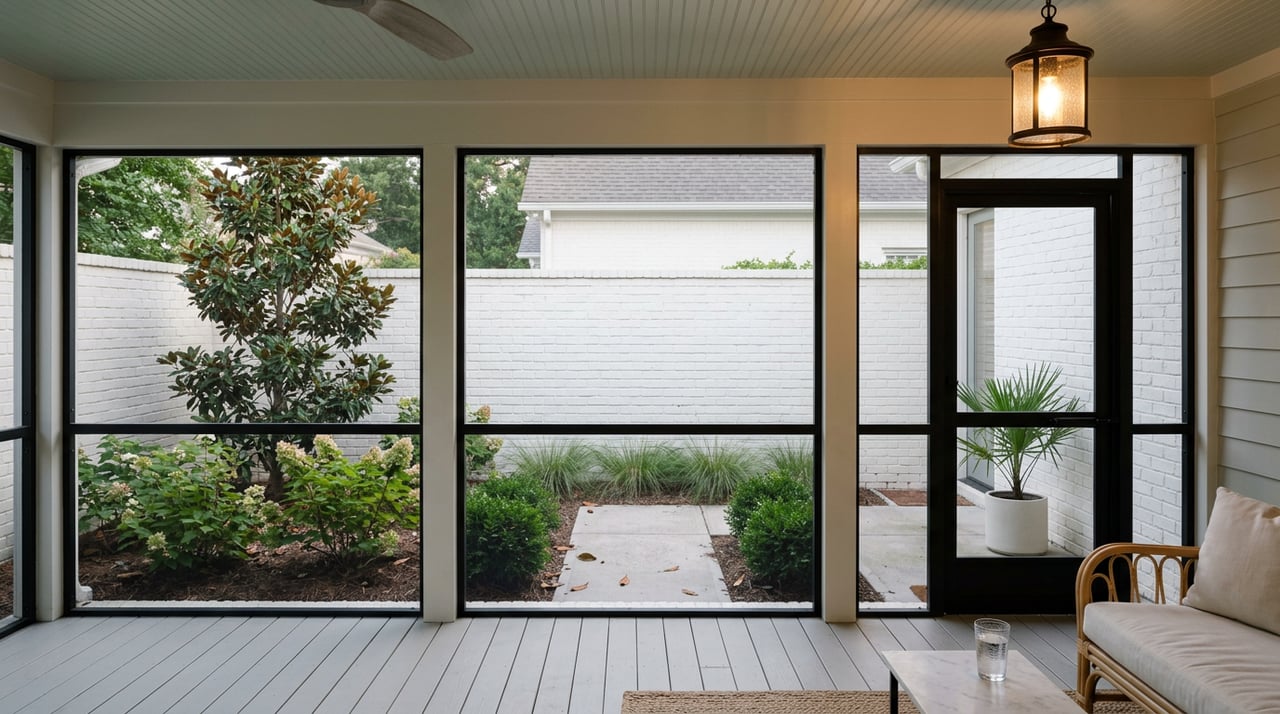
Central to the architectural identity of these estates is the classic Charleston single house floor plan and its double-tiered exterior piazza. Designed with a narrow gable end facing the street, these residences oriented their long southern or western facades toward landscaped side gardens to capture cooling coastal ocean breezes from Charleston Harbor. In grand mansions, these shaded piazzas function as essential open-air living salons, finished with heart pine floorboards, beadboard ceilings painted traditional haint blue, and ornate wrought-iron railings forged by legendary iron artisans like Philip Simmons. Within the surrounding brick privacy walls, private formal courtyards feature flagstone terraces, working fountains, and mature live oaks draped in Spanish moss.
- City of Charleston Board of Architectural Review (BAR): 2 George Street, Charleston, SC 29401, phone (843) 724-3765, administering design review across the Old and Historic District.
- Historic Charleston Foundation Headquarters: 40 East Bay Street, Charleston, SC 29401, open Monday through Friday 9:00 AM to 5:00 PM, phone (843) 723-1623, holding preservation covenants on historic residential facades.
Preservation Regulations, Modern Engineering, and Estate Value
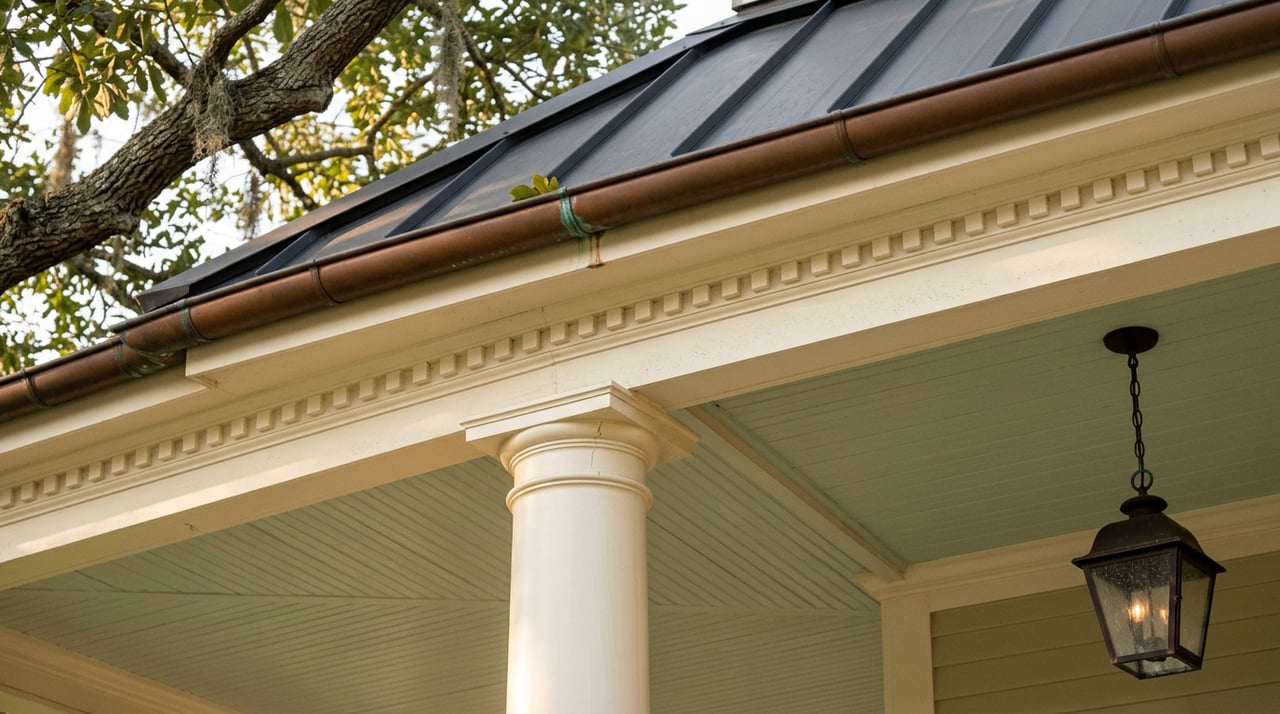
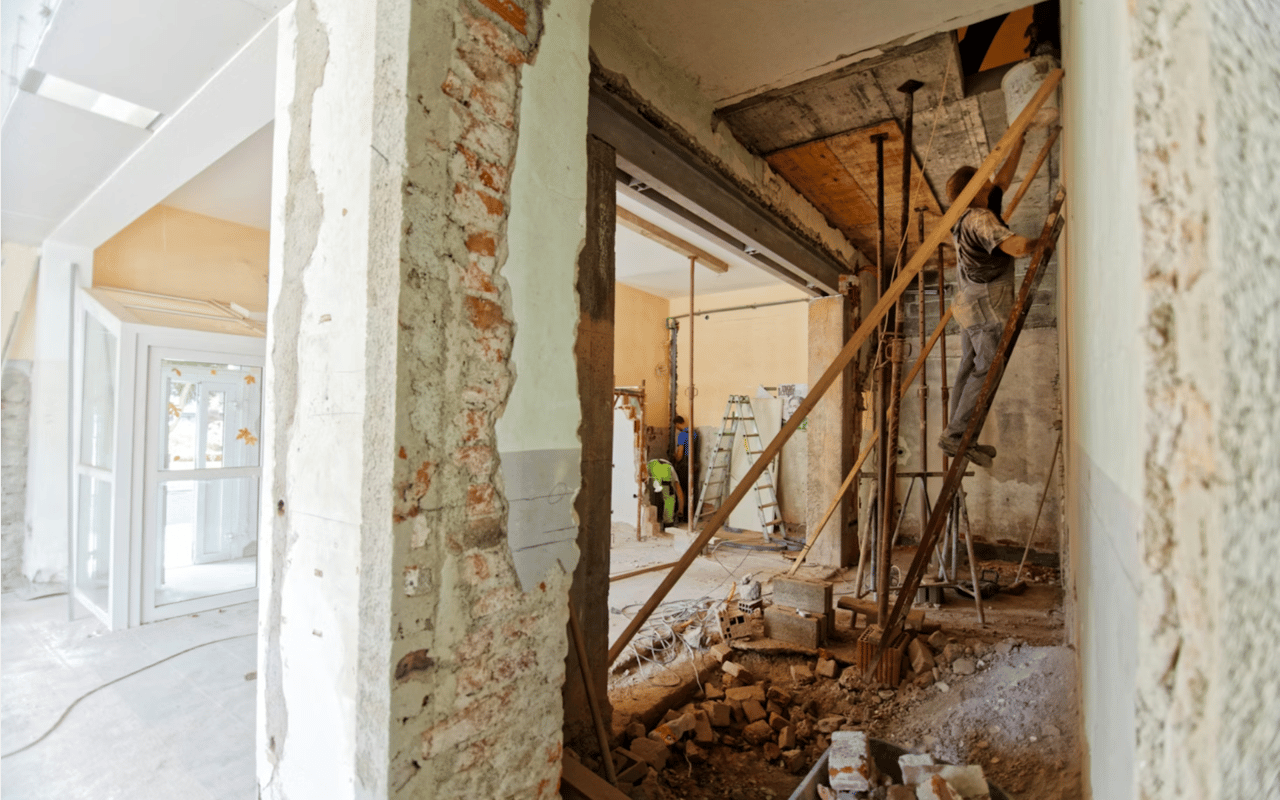
Owning a historic mansion in downtown Charleston involves navigating a sophisticated balance between architectural conservation and modern engineering. Properties located within the Old and Historic District operate under the regulatory jurisdiction of the city's Board of Architectural Review (BAR), which oversees all exterior alterations, window restorations, paint palettes, and masonry repairs. To introduce contemporary luxury without compromising historic fabric, master architects integrate concealed high-efficiency HVAC systems, seismic structural bracing, and smart home automation behind original lath and plaster walls.
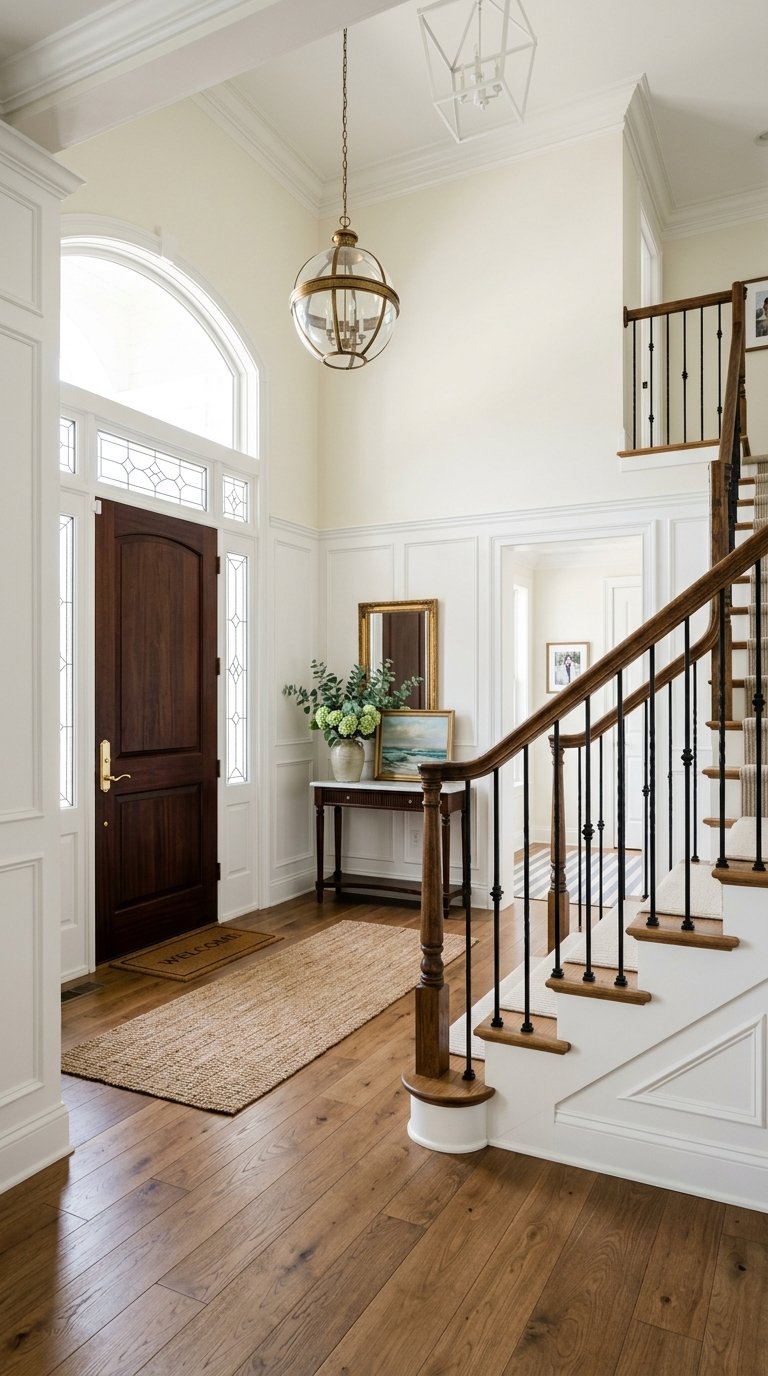
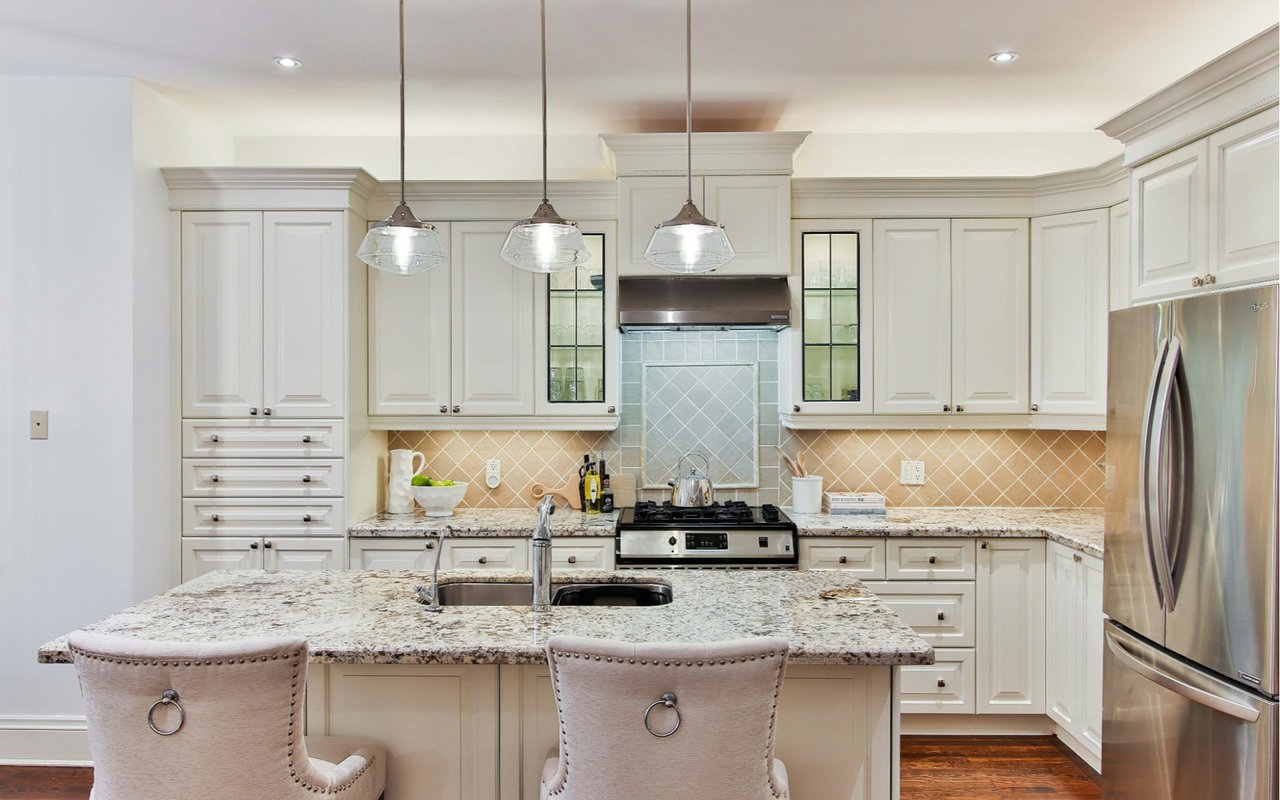
Interior layouts have evolved to accommodate twenty-first-century lifestyle demands while honoring museum-quality craftsmanship. Original marble mantelpieces, soaring twelve-foot ceilings, and hand-carved mahogany staircases now open into chef-grade sculleries featuring custom cabinetry, marble waterfall islands, and discreet secondary prep kitchens. In subterranean ground levels and former carriage outbuildings, homeowners frequently incorporate temperature-controlled wine vaults, private fitness suites, and dedicated guest quarters.
Beyond their cultural significance, historic Charleston mansions maintain exceptional investment value due to immutable land scarcity on the lower peninsula. Submarkets such as South of Broad, the French Quarter, and Harleston Village command the region's highest price-per-square-foot benchmarks, driven by steady demand from preservation-minded luxury purchasers seeking irreplaceable architectural heritage.
Acquiring a historic estate requires rigorous due diligence addressing historic easements, elevation certificates, and flood mitigation. Properties holding preservation easements through Historic Charleston Foundation or the Preservation Society of Charleston offer valuable federal and state historic tax credits, but carry specific maintenance covenants. Furthermore, understanding the technical differences between pre-FIRM masonry construction and contemporary stormwater engineering ensures buyers negotiate with complete clarity and protect their long-term equity.
To evaluate broader Lowcountry architecture and relocation guides, explore our profile on popular architectural styles in Charleston, review nearby coastal culinary guides in Charleston restaurants with outdoor seating, or discover local wine destinations in our guide to top wineries and wine bars in Charleston SC.
Related Charleston Historic Real Estate Resources
- Charleston Waterfront Real Estate
- Best Neighborhoods to Live in Charleston SC
- Most Popular Architectural Styles in Charleston
- Top Wineries and Wine Bars in Charleston SC
- Charleston Restaurants with Outdoor Seating
Frequently Asked Questions
What is a Charleston single house and why is it unique?
A Charleston single house is an architectural style designed one room wide, with its narrow gable end facing the street and an expansive side piazza oriented toward prevailing harbor breezes. This layout maximized ventilation in coastal heat while providing private garden views behind high courtyard walls.
What regulations govern the restoration of historic mansions in Charleston?
Historic mansions located in Charleston's designated historic districts fall under the authority of the Board of Architectural Review (BAR). Any visible exterior modifications, including window repairs, roof material replacements, paint colors, and porch reconstructions, require formal BAR approval.
What are the primary neighborhoods for historic mansions in Charleston?
The highest concentration of monumental historic estates is located in South of Broad, along streets like Meeting, Church, and East Bay overlooking The Battery. Harleston Village, Ansonborough, and the French Quarter also feature prominent historic townhomes and antebellum residences.
Can modern amenities like smart technology and central HVAC be installed in historic mansions?
Yes. Specialized restoration architects routinely integrate modern amenities including zoned geothermal HVAC, commercial sculleries, smart lighting, and structural elevators, using non-invasive techniques that preserve original heart pine floors, decorative moldings, and plaster walls.
Do historic Charleston mansions qualify for preservation tax credits?
Yes. Qualifying historic properties that undergo certified rehabilitation adhering to the Secretary of the Interior's Standards for Rehabilitation may be eligible for significant South Carolina state and federal historic preservation tax credits, as well as property tax abatements.
Katherine Cox, Principal Broker & Charleston Luxury Specialist
Katherine Cox is a distinguished luxury real estate specialist with Katherine Cox + Co., representing buyers and sellers of historic single houses, landmark estates, and waterfront residences across Historic Downtown Charleston, Mount Pleasant, Sullivan's Island, and the Lowcountry. With specialized insight into Board of Architectural Review guidelines, historic tax credits, and luxury restoration management, Katherine delivers unmatched advisory service. Connect directly with Katherine Cox to schedule a confidential estate consultation.
Ready to acquire or restore a historic mansion in downtown Charleston? Schedule a private historic estate consultation with Katherine Cox