By Katherine Cox
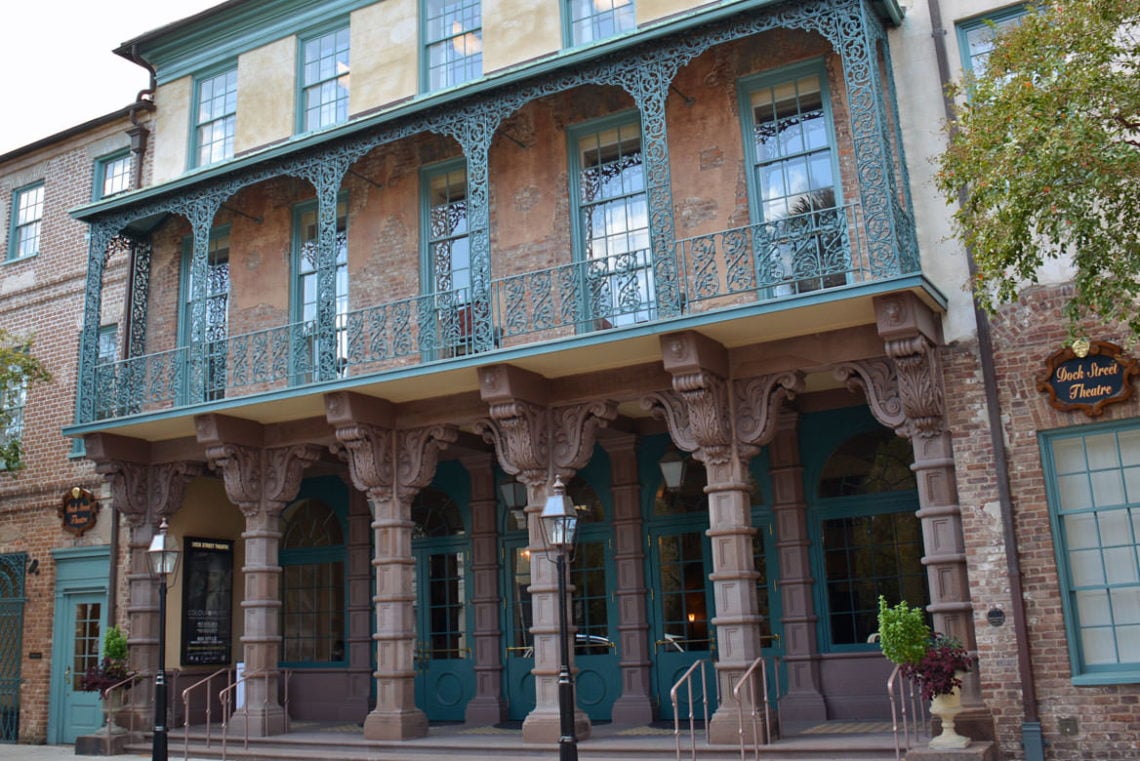
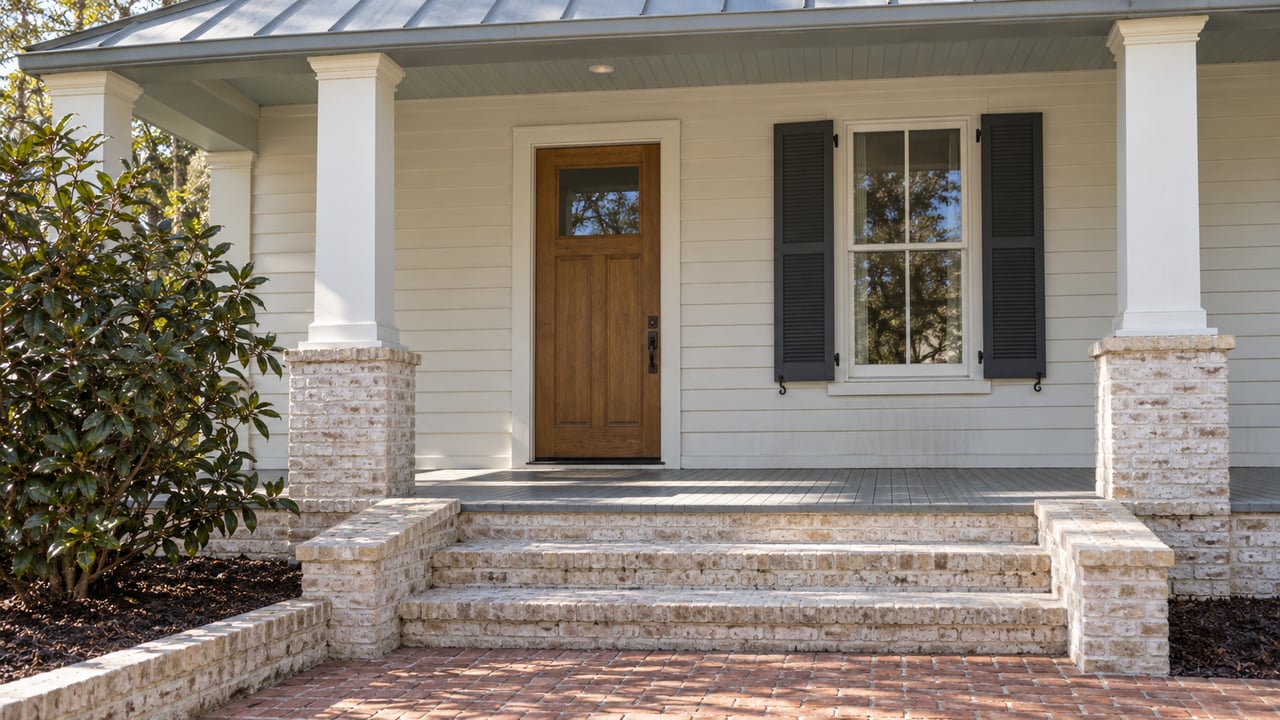
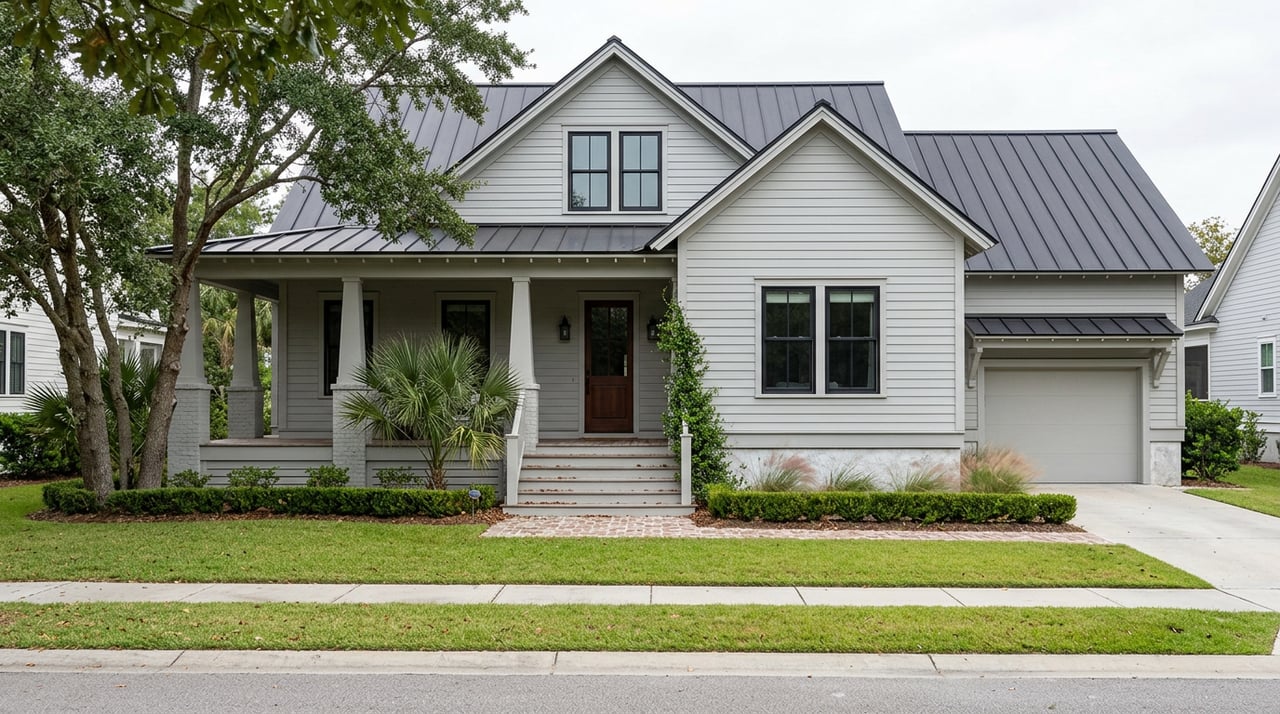
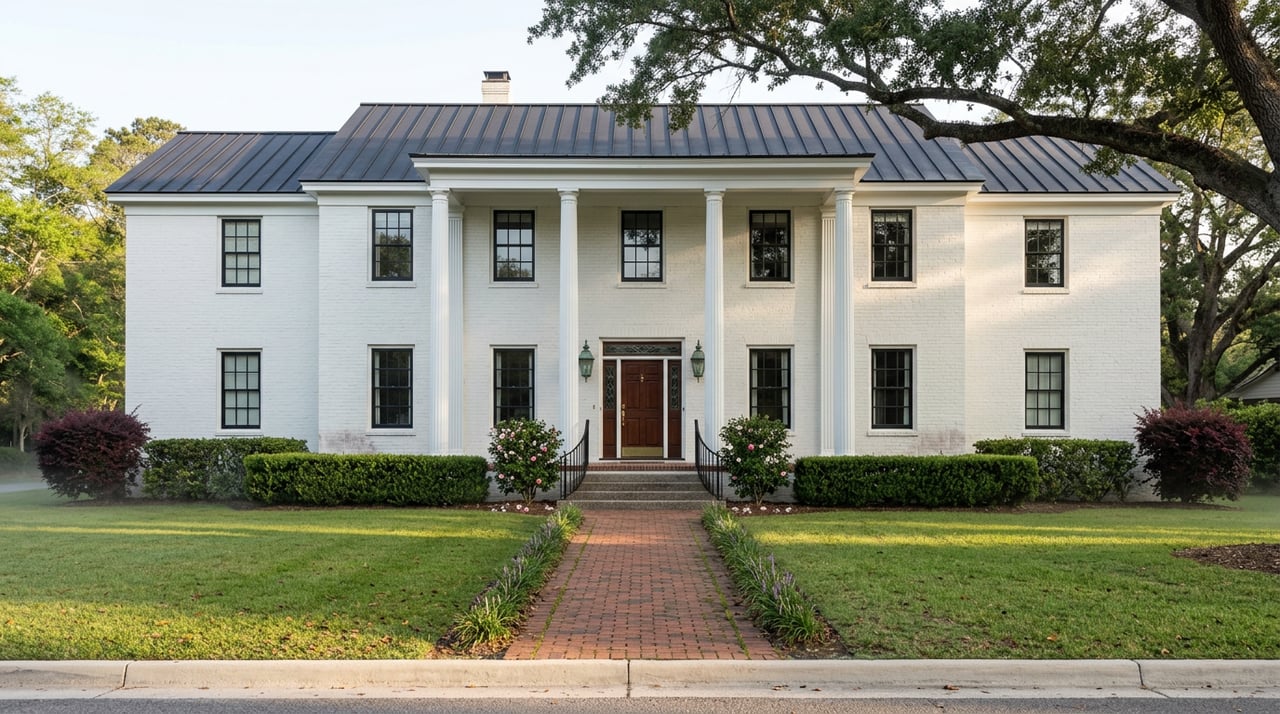
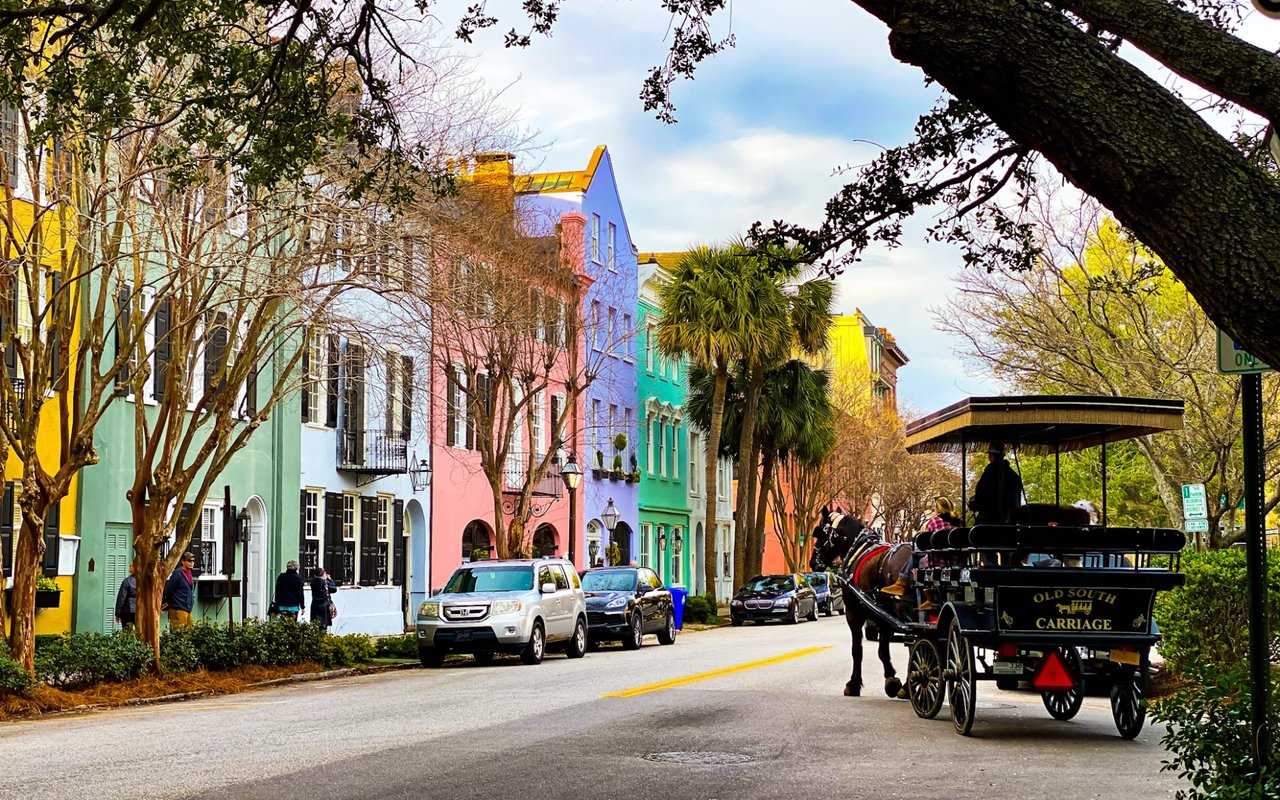
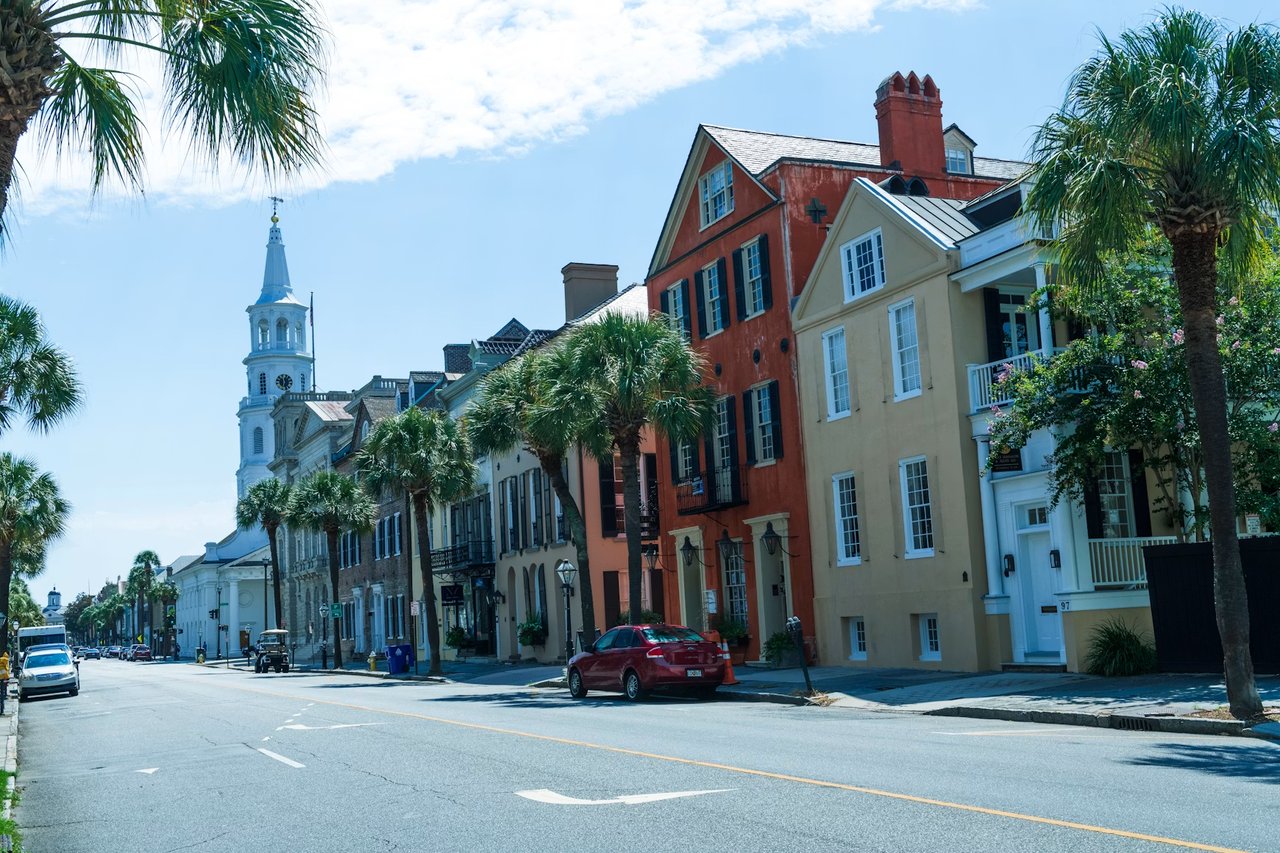
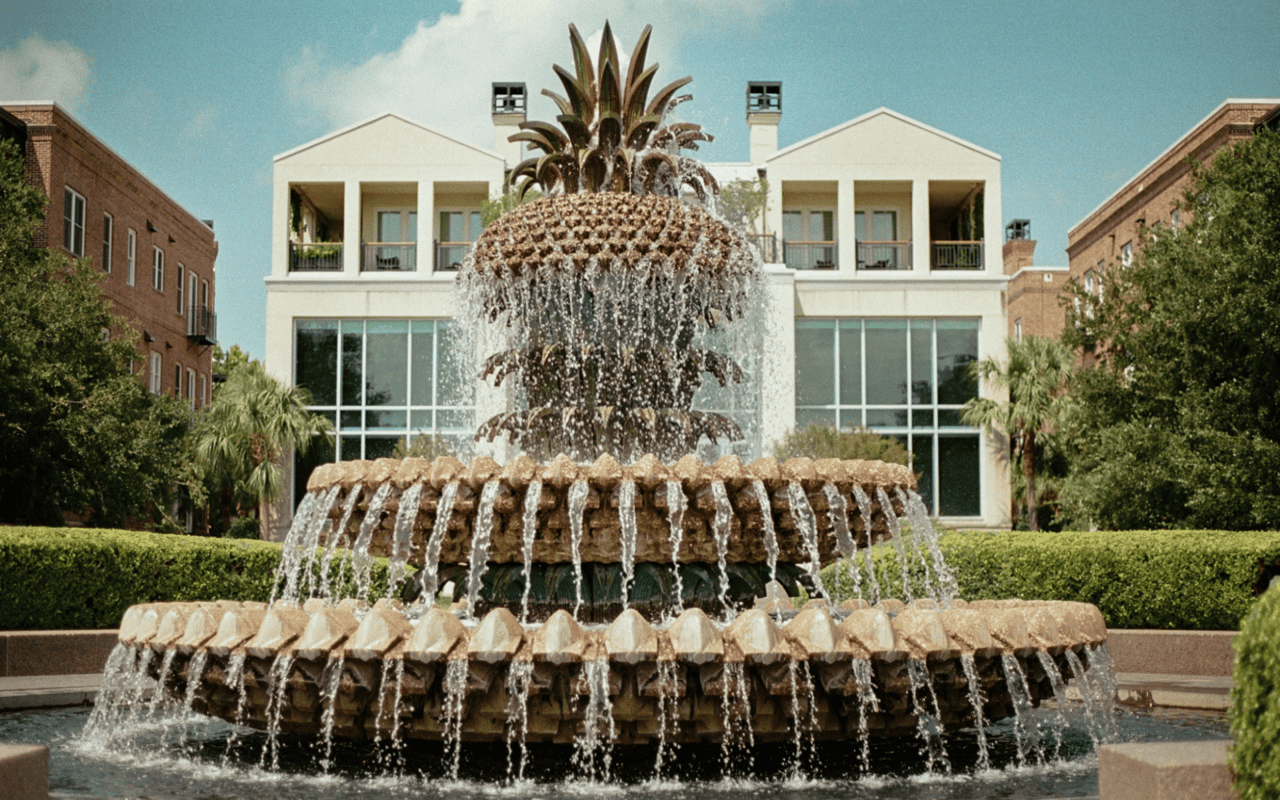
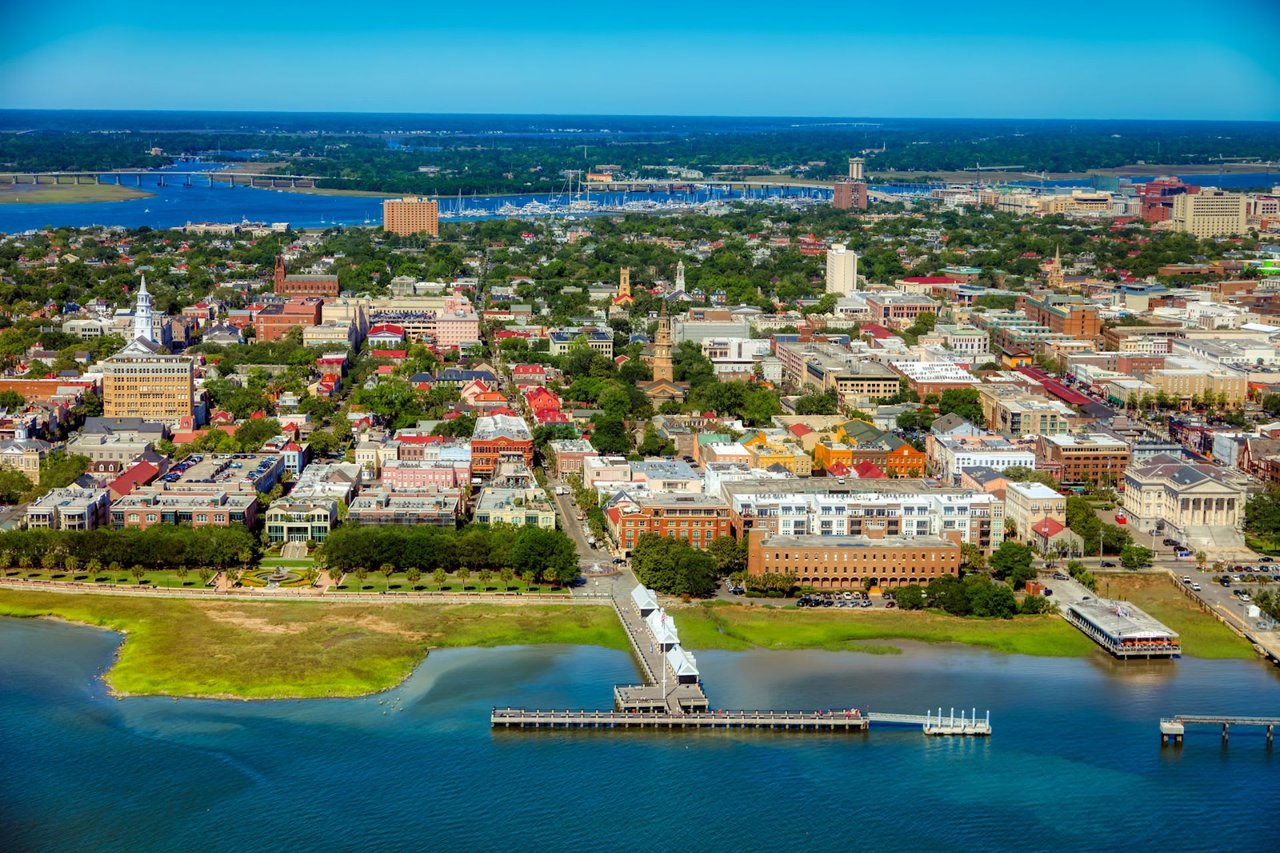
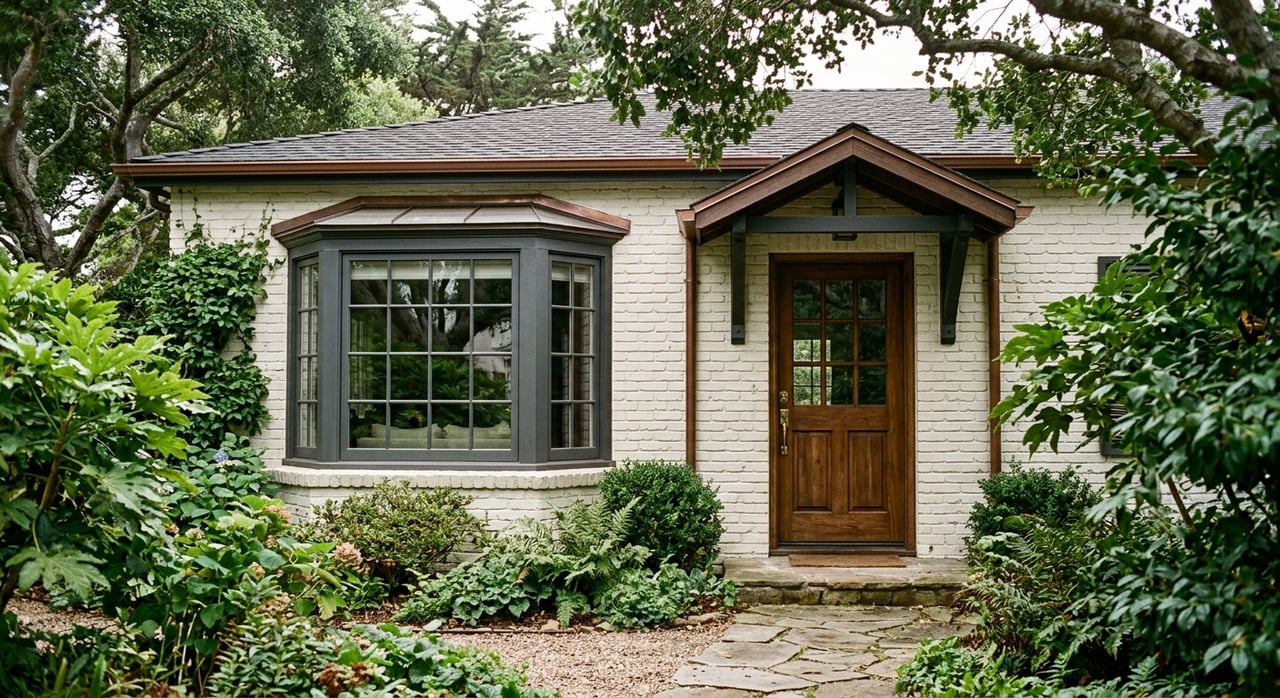
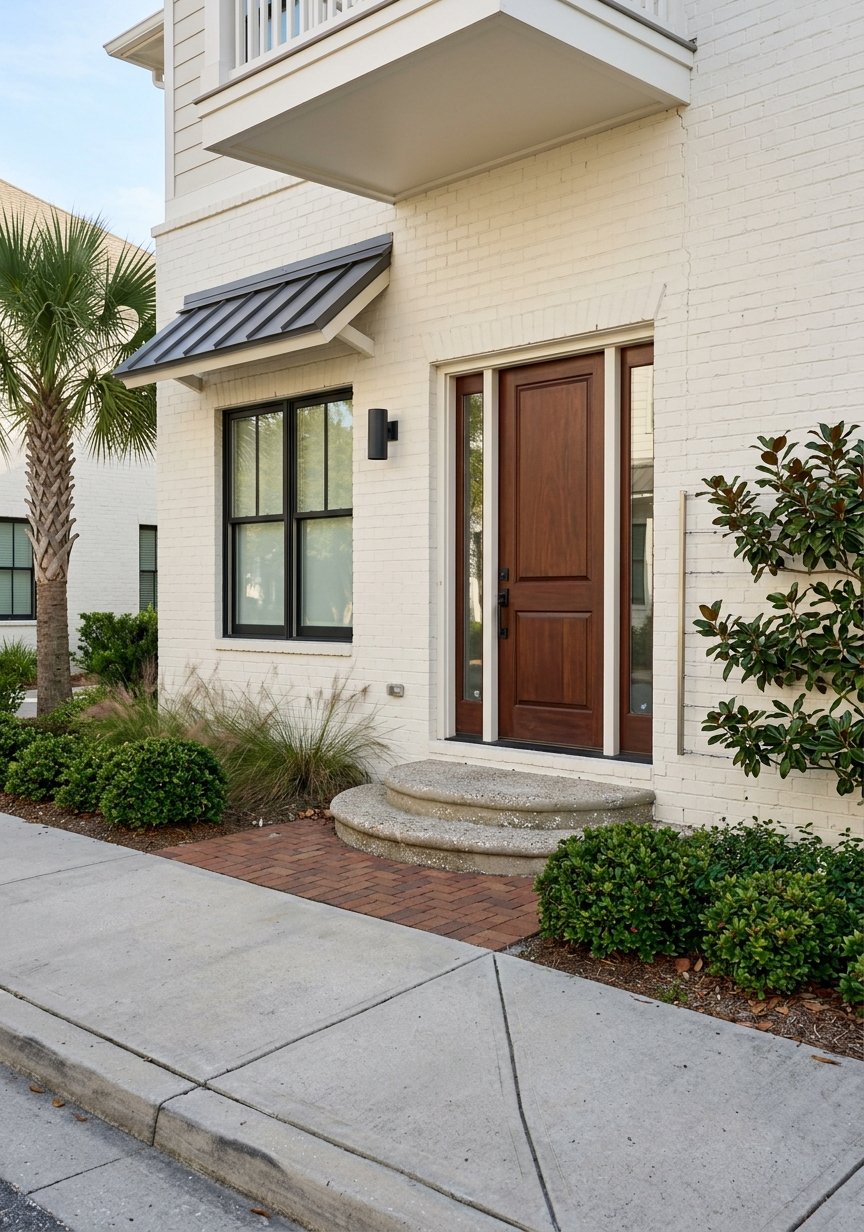
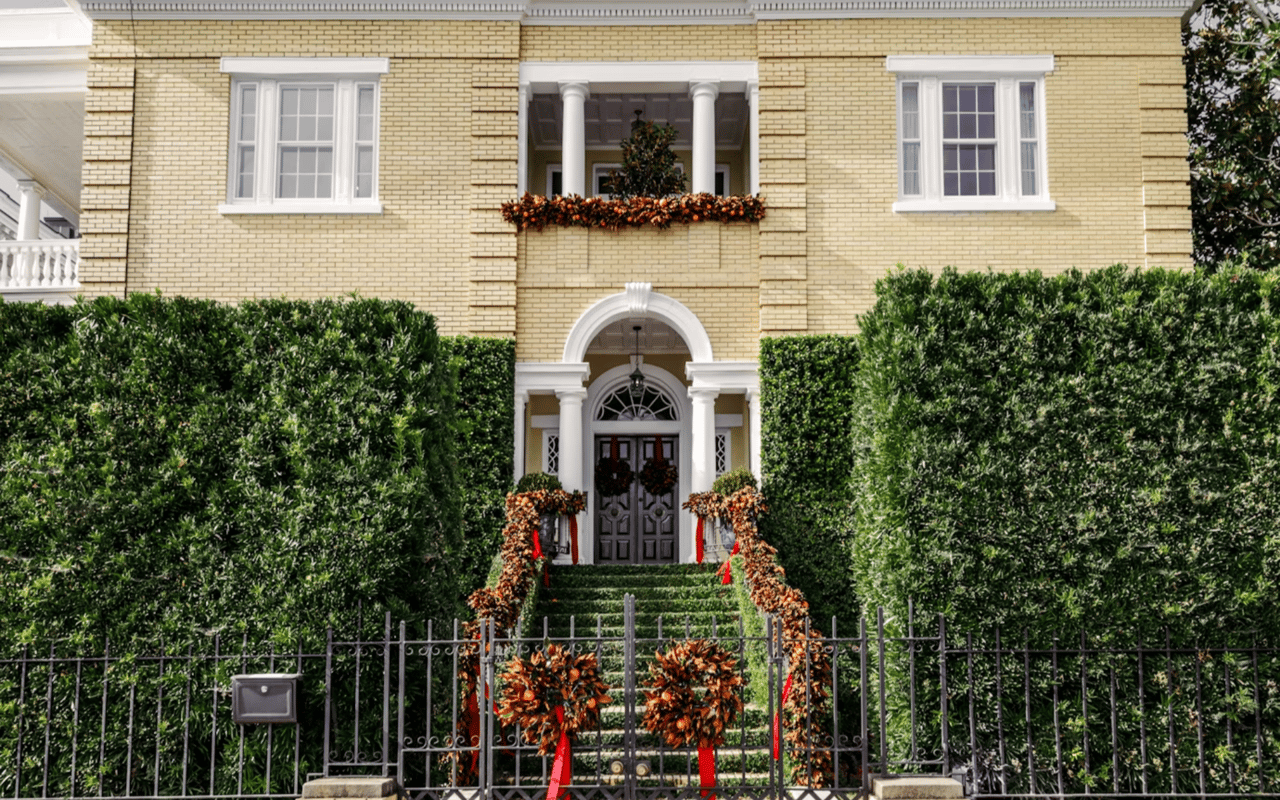
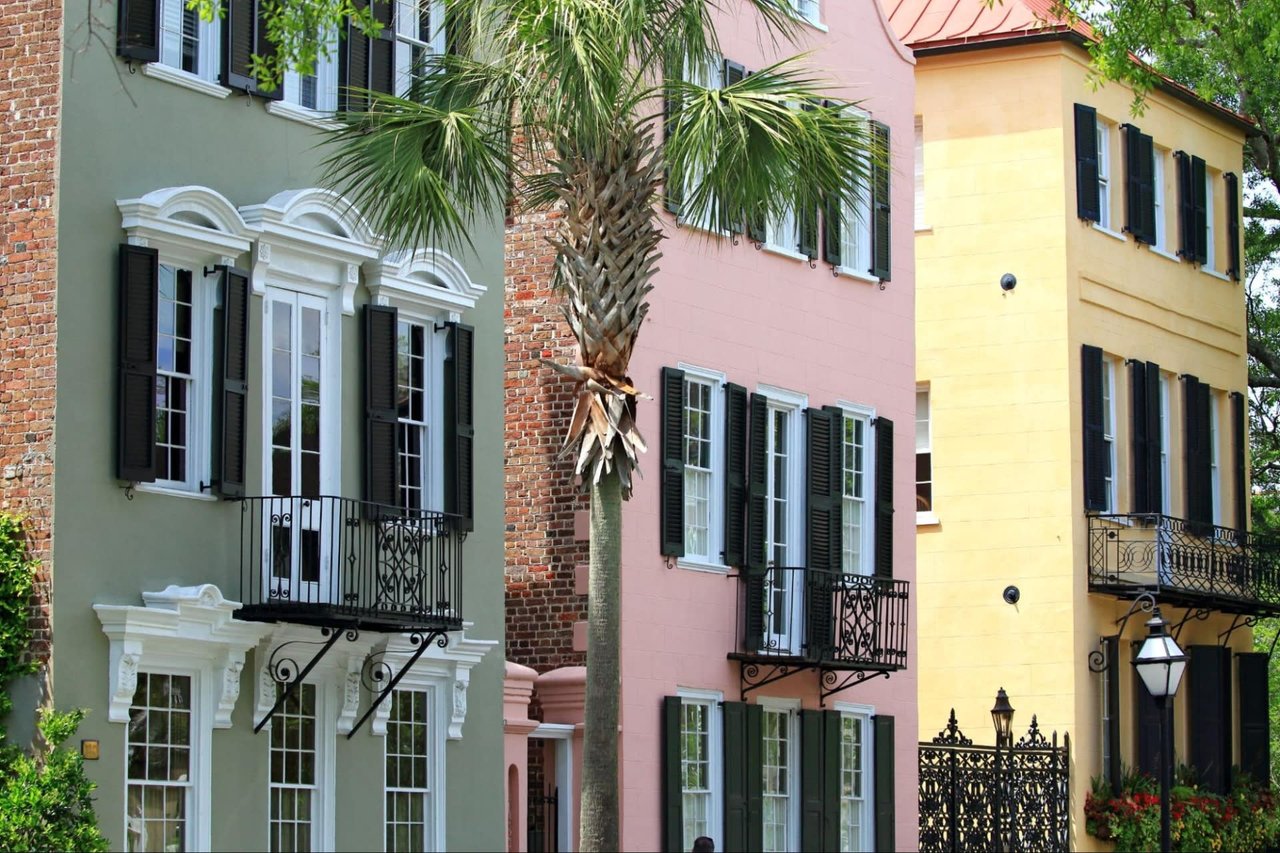
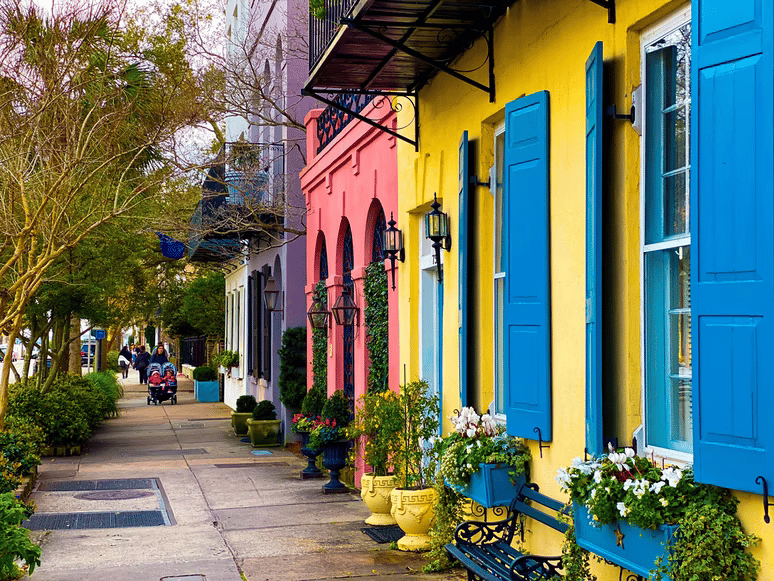
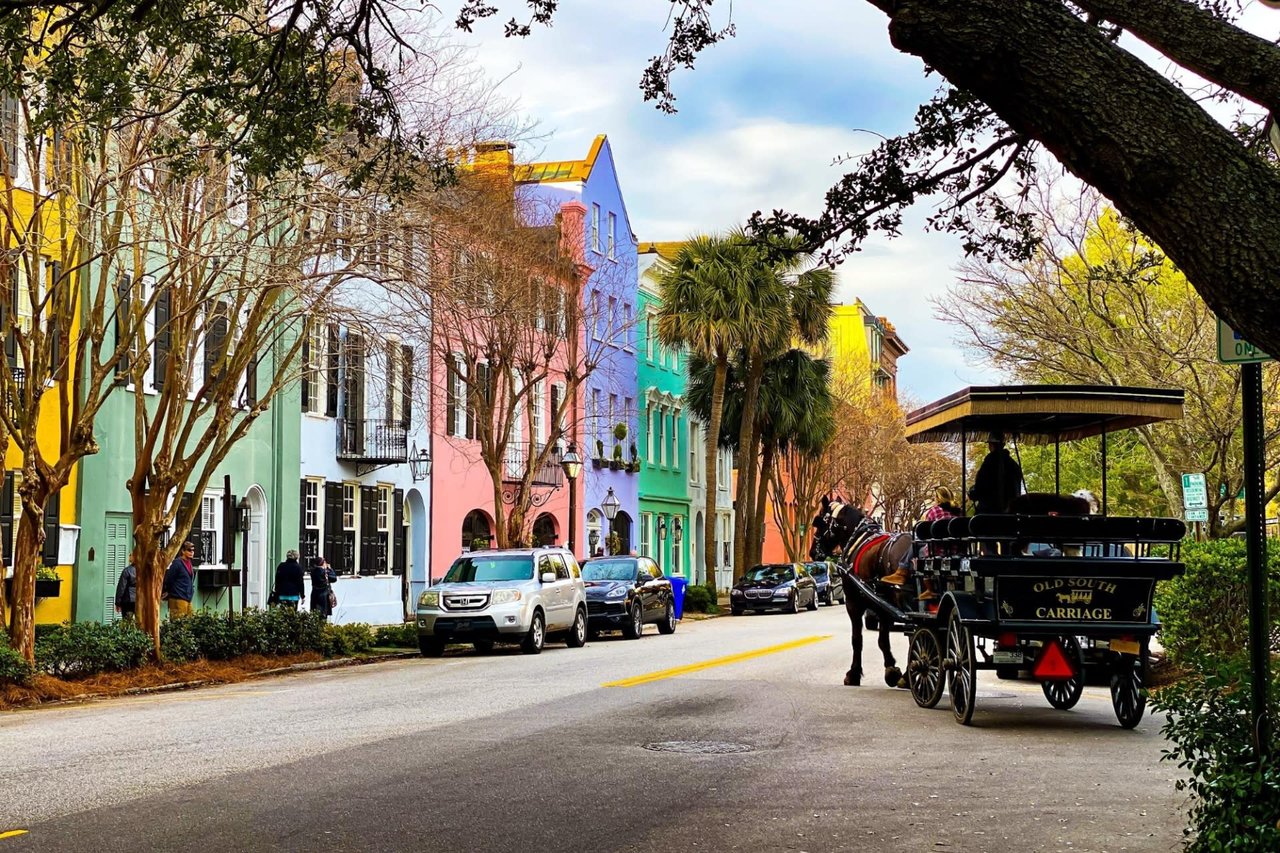
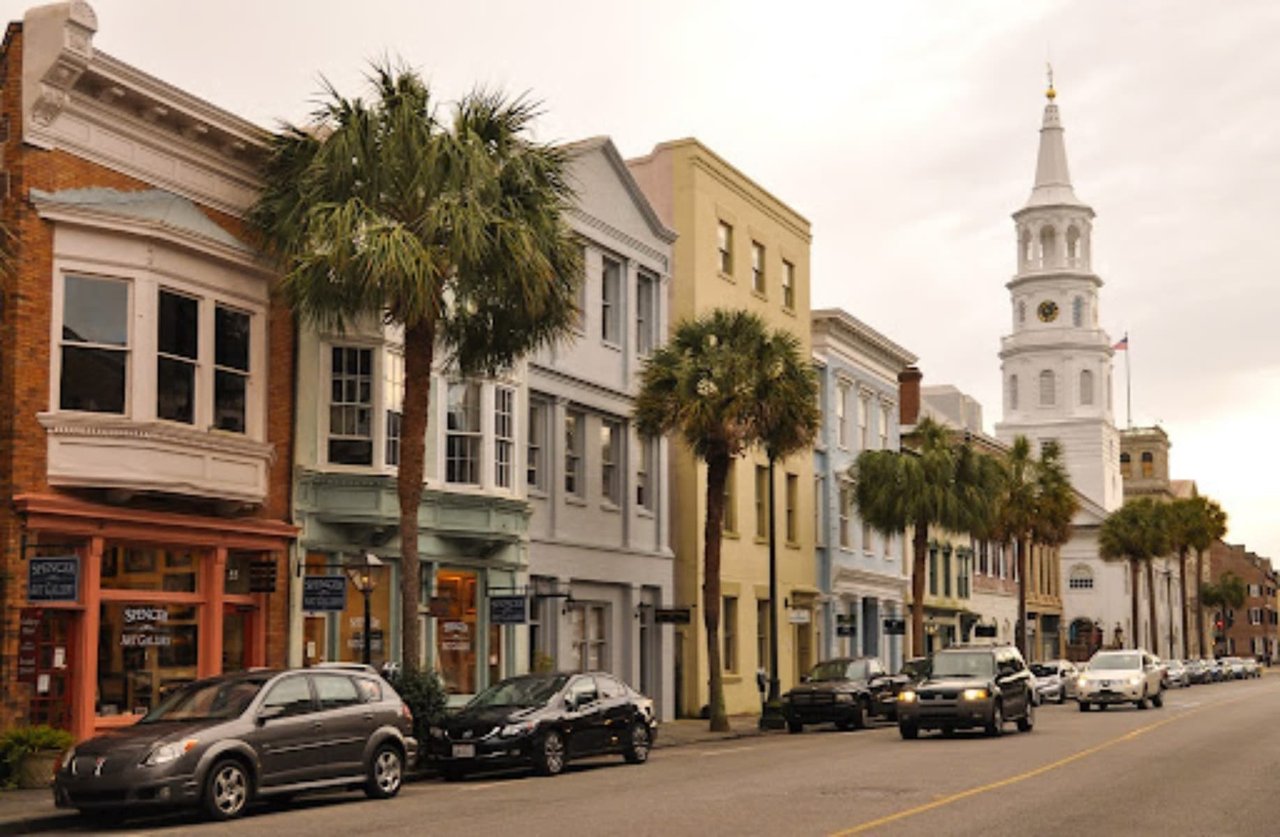
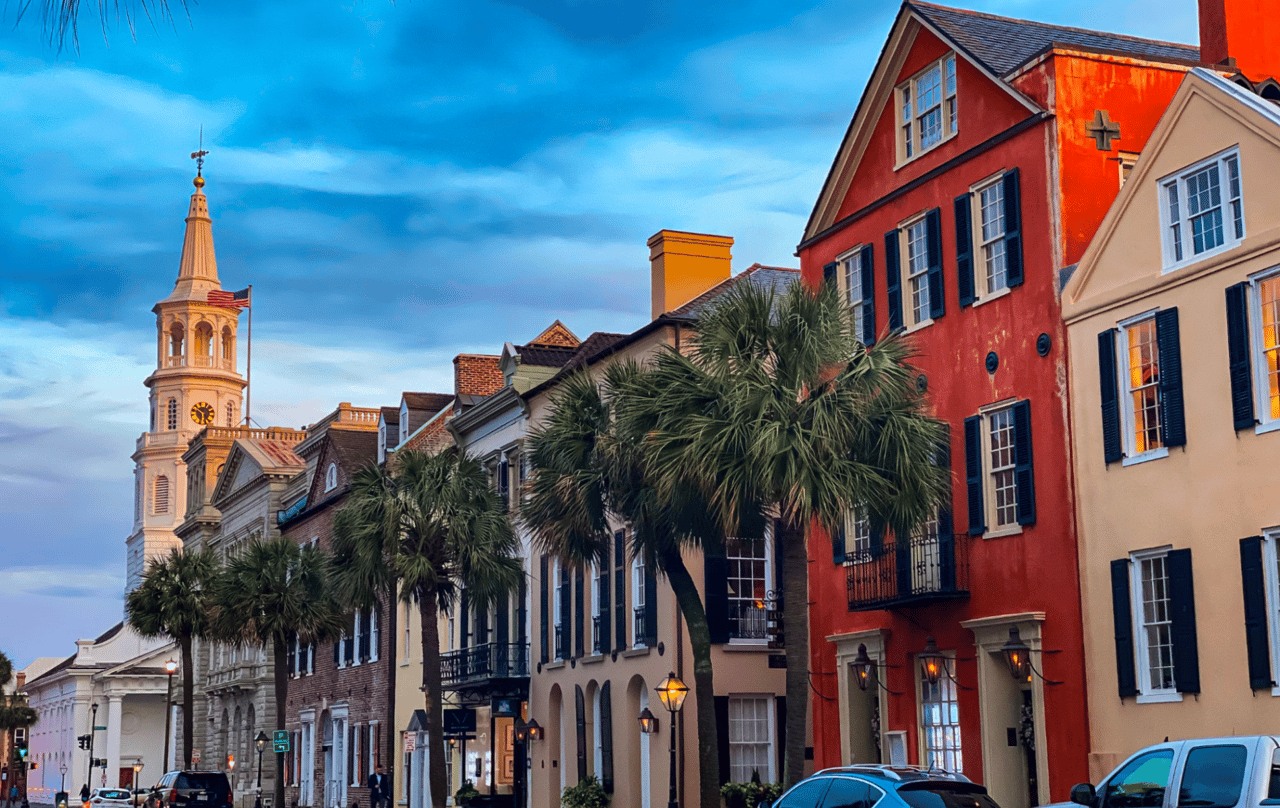
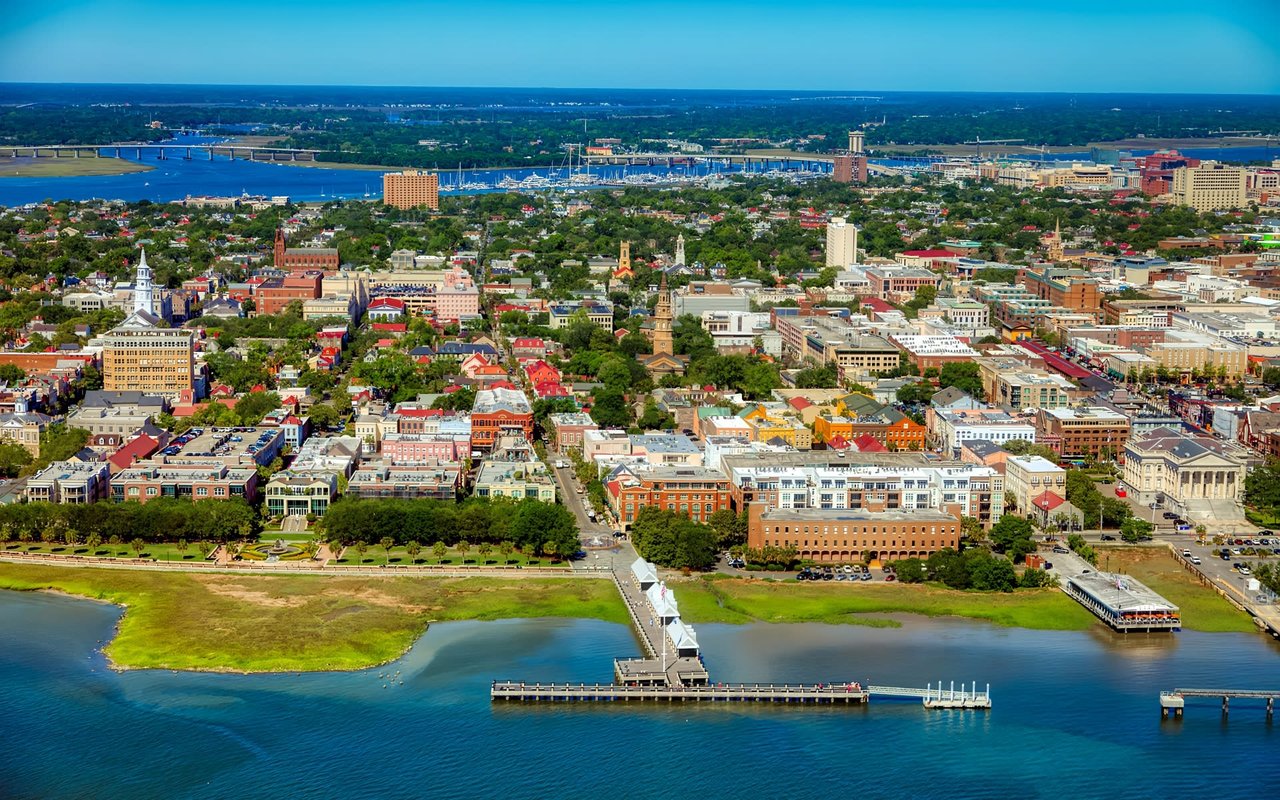
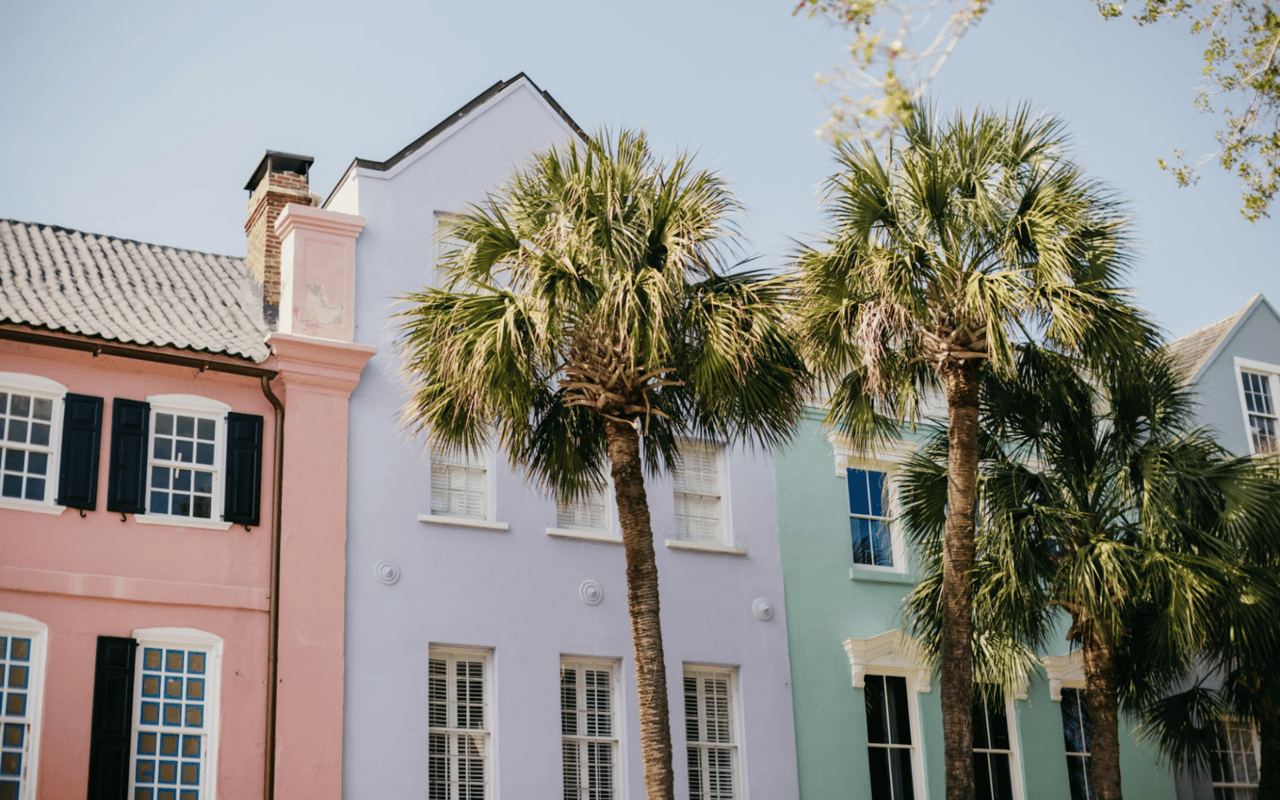
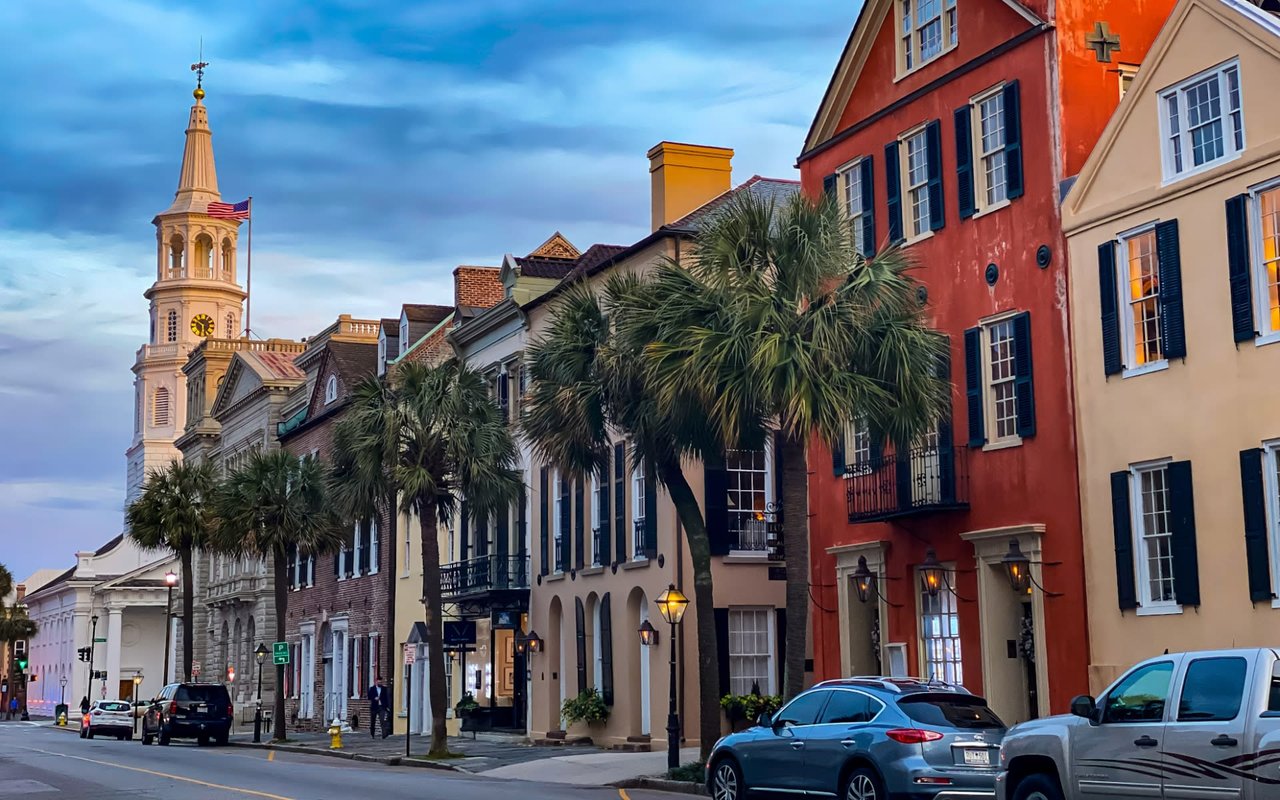
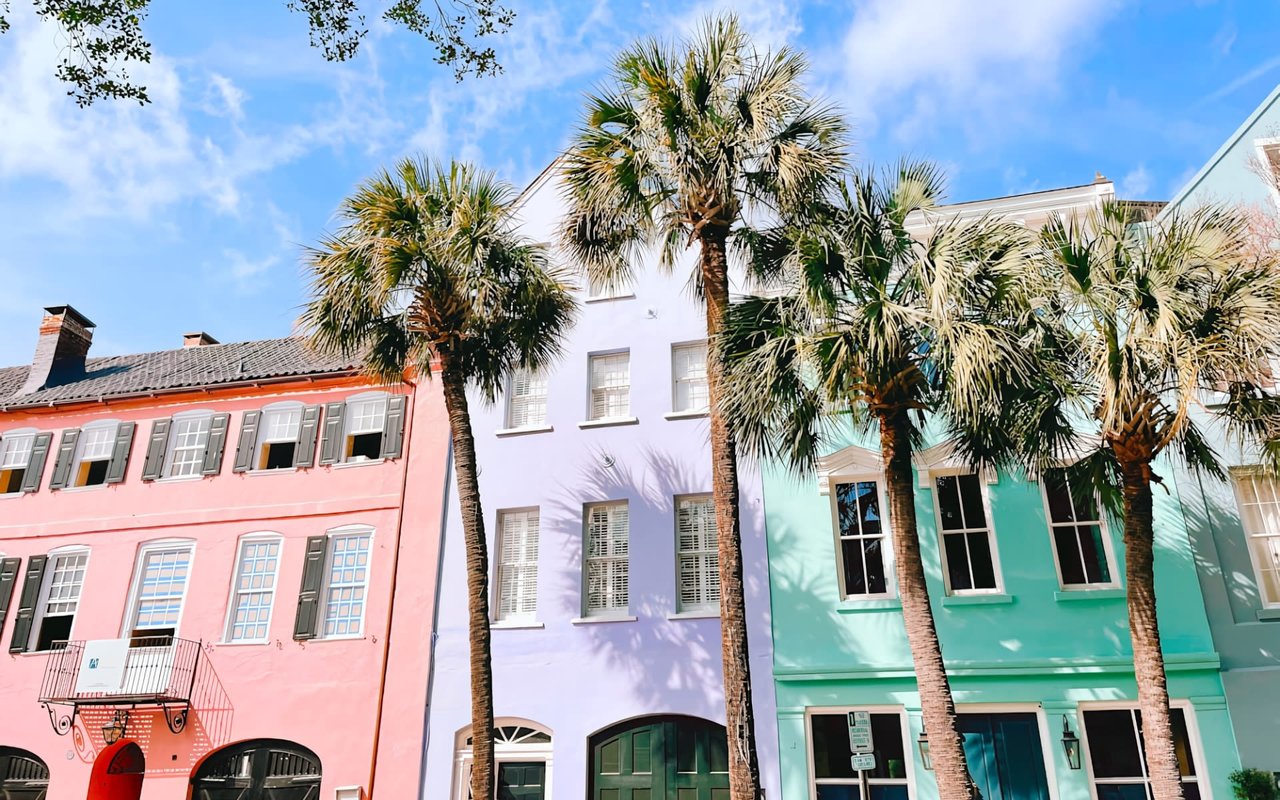
Owning a historic home in Charleston, SC, means living inside a piece of the city's story. The heart pine floors, the plaster walls, the tall windows built to catch a harbor breeze —these details carry a sense of character that is difficult to replicate today. What many owners discover, though, is that loving an older home and living comfortably in it are two goals that sometimes pull in different directions.
You want modern conveniences. You want a kitchen that functions for the way you actually cook, systems that run efficiently, and rooms that feel bright and livable. At the same time, you do not want to erase the very qualities that made you fall for the property. The good news is that thoughtful updates can honor the original architecture while making daily life easier, and Charleston has a strong framework for helping owners do exactly that.
This guide will walk you through how to approach renovations and sleek updates while preserving your home’s special charm.
Key Takeaways
- Modernizing a historic Charleston home works best when updates respect the original architecture rather than compete with it.
- Many of Charleston's older homes sit within regulated districts, so understanding local review processes early can save you time and money.
- High-impact upgrades often happen behind the walls, from wiring and plumbing to insulation and climate control.
- Kitchens and bathrooms offer the most flexibility for modern function while preserving period character elsewhere in the home.
- Working with professionals who understand preservation helps you make choices that protect long-term value.
Understand the Rules Before You Renovate
Charleston takes its architectural heritage seriously, and much of the historic housing stock falls within a regulated district overseen by the Board of Architectural Review. If your home sits within one of these areas, exterior changes such as windows, roofing, siding, and additions typically require approval before work begins. This exists to keep the streetscape cohesive and to protect the value that historic character brings to the entire area.
Before you commit to a design, it helps to learn which category your home falls into and what level of oversight applies. Some interior updates require little to no review, while exterior alterations often need documentation, drawings, and a formal submission. Getting clarity at the start prevents the frustration of redoing work that does not meet local standards.
You should also budget extra time for permitting. Historic renovations often move on a longer timeline than new construction, so factoring that into your plans will keep expectations realistic and reduce stress along the way.
What To Confirm Early
- Whether your property falls within a regulated historic district or overlay.
- Which specific alterations require review versus which can proceed without formal approval.
- The documentation you will need, such as measured drawings, material specifications, and photographs.
- The typical review timeline, so you can sequence contractors and materials accordingly.
Upgrade the Systems You Cannot See
Some of the most valuable improvements in a historic home are the ones no guest will ever notice. Older properties were often built long before central climate control, modern electrical demands, or contemporary plumbing standards. Bringing these systems up to date makes your home more comfortable, more efficient, and far easier to insure.
Electrical work is frequently the first priority. Knob-and-tube wiring or outdated panels can struggle to handle the load of modern appliances and electronics. Updating the system allows you to add outlets where you actually need them and supports the technology you rely on every day. Plumbing follows a similar logic; replacing aging pipes protects your walls, floors, and finishes from costly water damage down the road.
Climate control deserves special attention in the Charleston area, where humidity is a constant companion. High-velocity or mini-split systems can deliver cooling without the large ductwork that would otherwise disrupt original plaster and trim. Pairing these systems with improved insulation and proper moisture management keeps the home comfortable while protecting the historic materials you worked so hard to preserve.
Where Hidden Upgrades Pay Off
- Electrical rewiring and panel upgrades to support modern power needs.
- Plumbing replacement to prevent leaks and protect original finishes.
- Efficient climate systems designed to minimize disruption to period details.
- Insulation and moisture control suited to Charleston's humid conditions.
- Foundation and drainage improvements that safeguard the structure over time.
Modernize Kitchens and Bathrooms With Intention
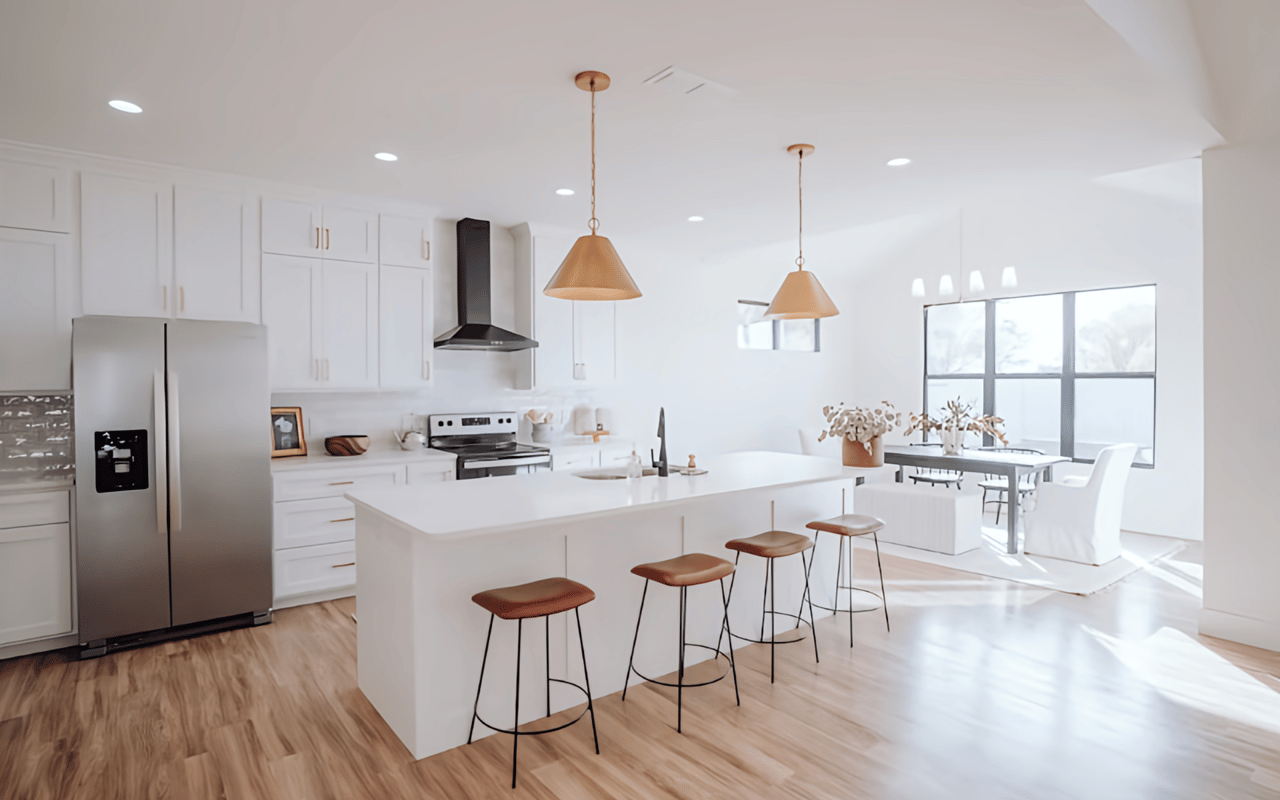
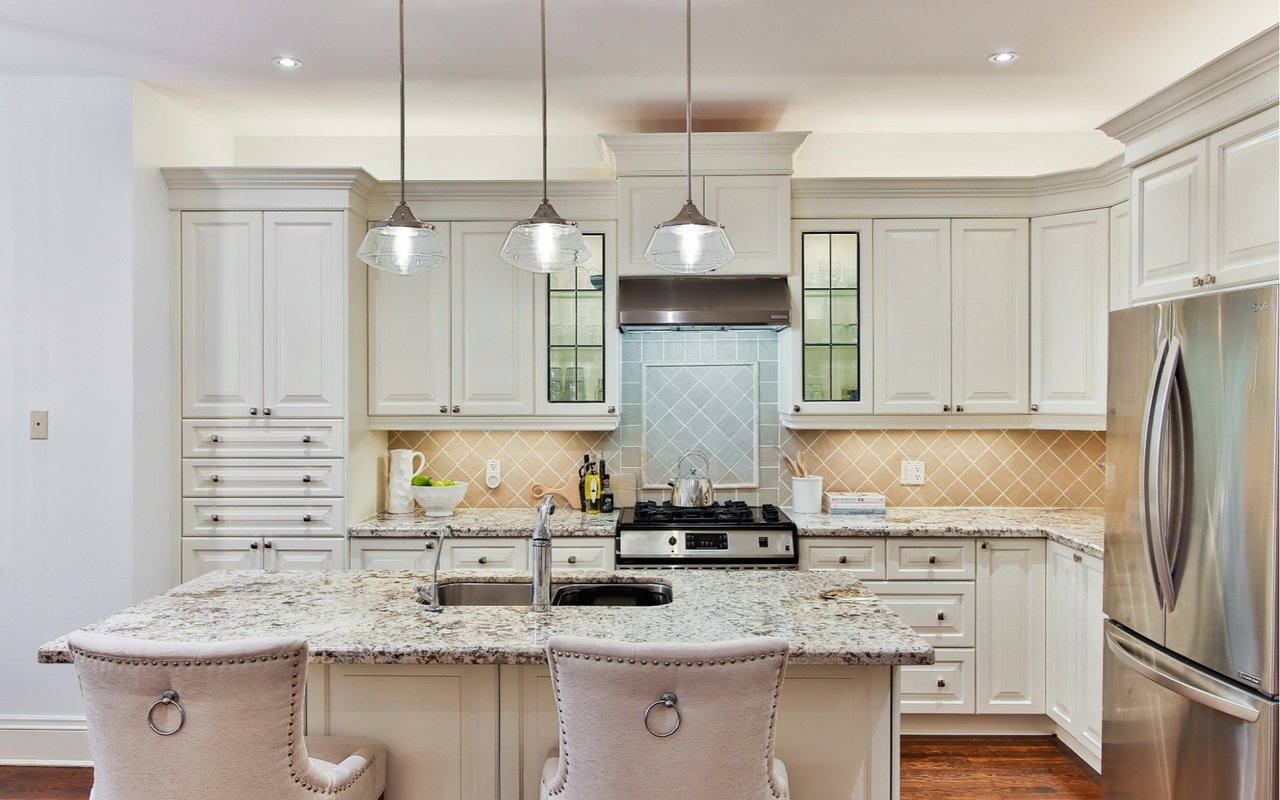
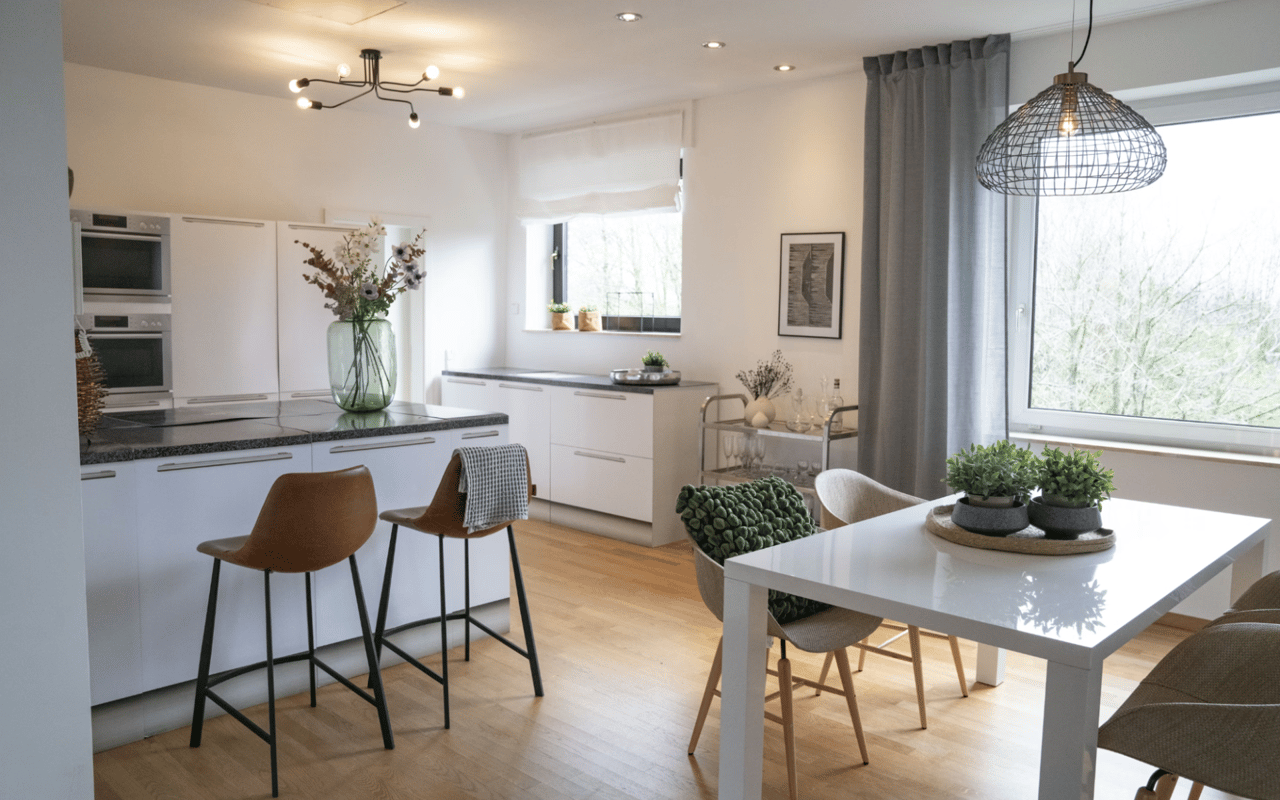
If there is one place where historic homes and modern life tend to clash, it is the kitchen. Older layouts were designed for a different era, often with small, closed-off rooms that feel cramped by today's standards. This is where you have the most freedom to introduce contemporary function, and it is often the update that delivers the greatest daily payoff.
The goal is to add modern performance without stripping away character. You might install high-quality appliances, add generous counter space, and improve the flow, while choosing cabinetry profiles, hardware, and finishes that echo the age of the home. Reclaimed materials, period-appropriate paint colors, and classic fixtures help a renovated kitchen feel like it belongs rather than like it was dropped in from a showroom.
Bathrooms offer similar opportunities. You can bring in a spacious shower, updated lighting, and efficient fixtures while keeping design cues that nod to the home's era. Marble, subway tile, and vintage-inspired faucets are timeless choices that satisfy modern expectations without feeling out of place. The key is restraint; a few well-chosen contemporary elements read as intentional, while too many can overwhelm the home's original personality.
Design Choices That Bridge Old and New
- Cabinetry and millwork profiles that reflect the home's period.
- Reclaimed or salvaged materials that match the age of surrounding rooms.
- Energy-efficient appliances and fixtures that lower long-term costs.
- Classic tile, stone, and hardware that feel appropriate to the era.
- Lighting that provides modern brightness while suiting the architecture.
Preserve the Details That Define Charleston Homes
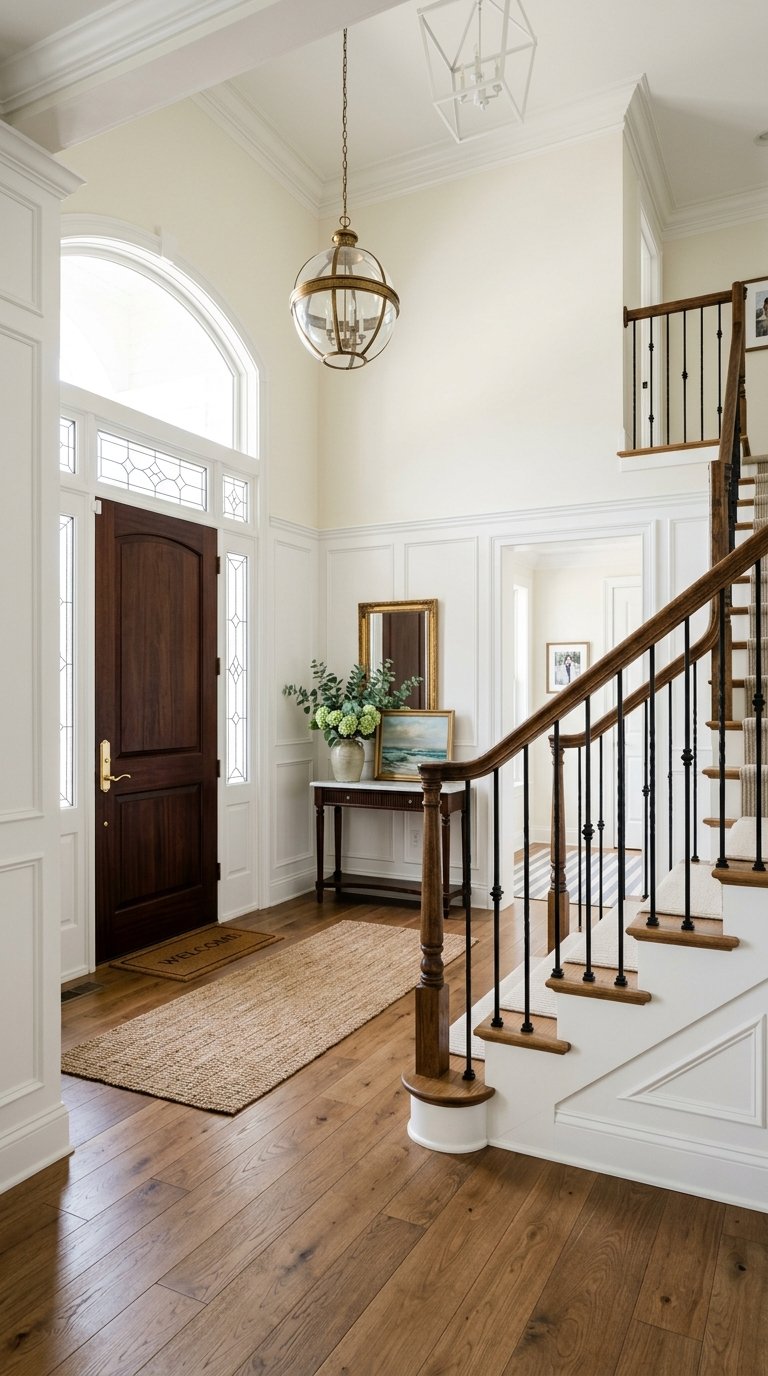
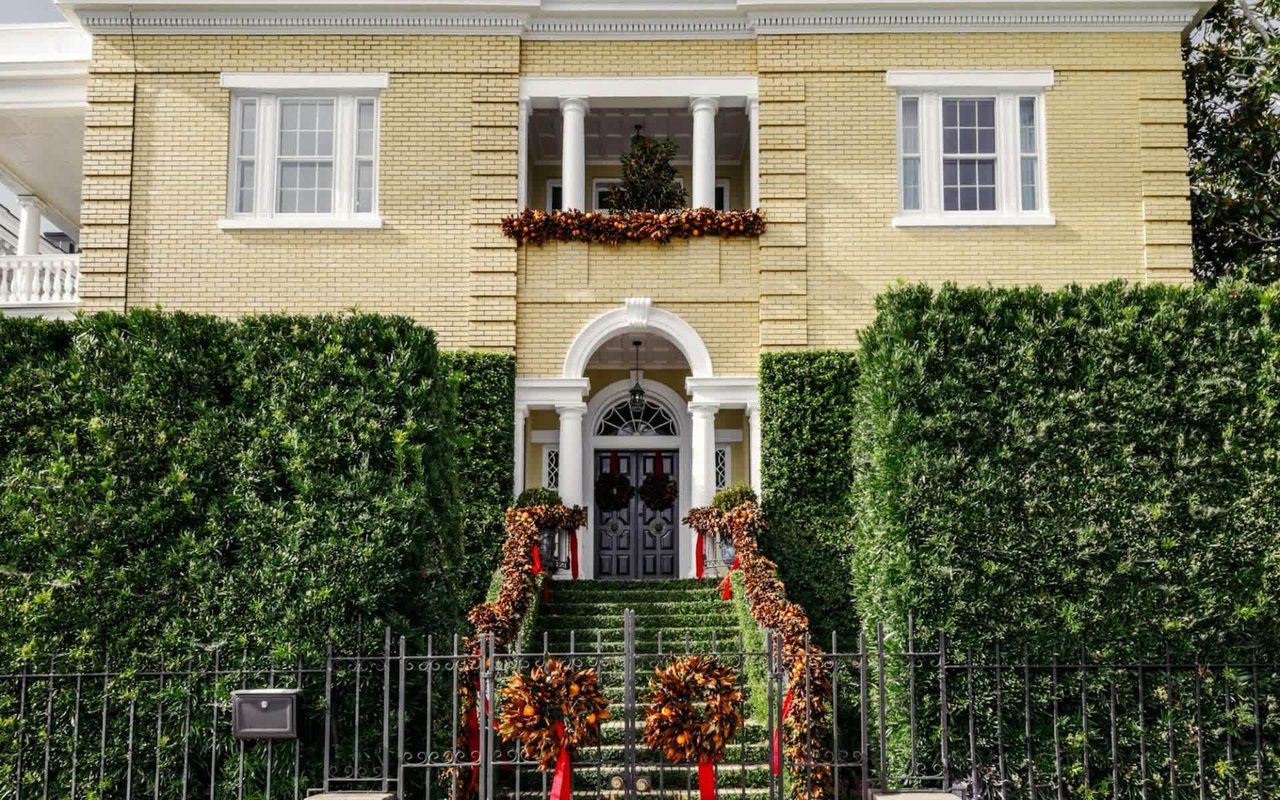
The features that make a historic Charleston home special are worth protecting even as you modernize around them. Heart pine floors, decorative moldings, original mantels, and tall shuttered windows are the elements that give these properties their sense of place. Whenever possible, restoration should take priority over replacement.
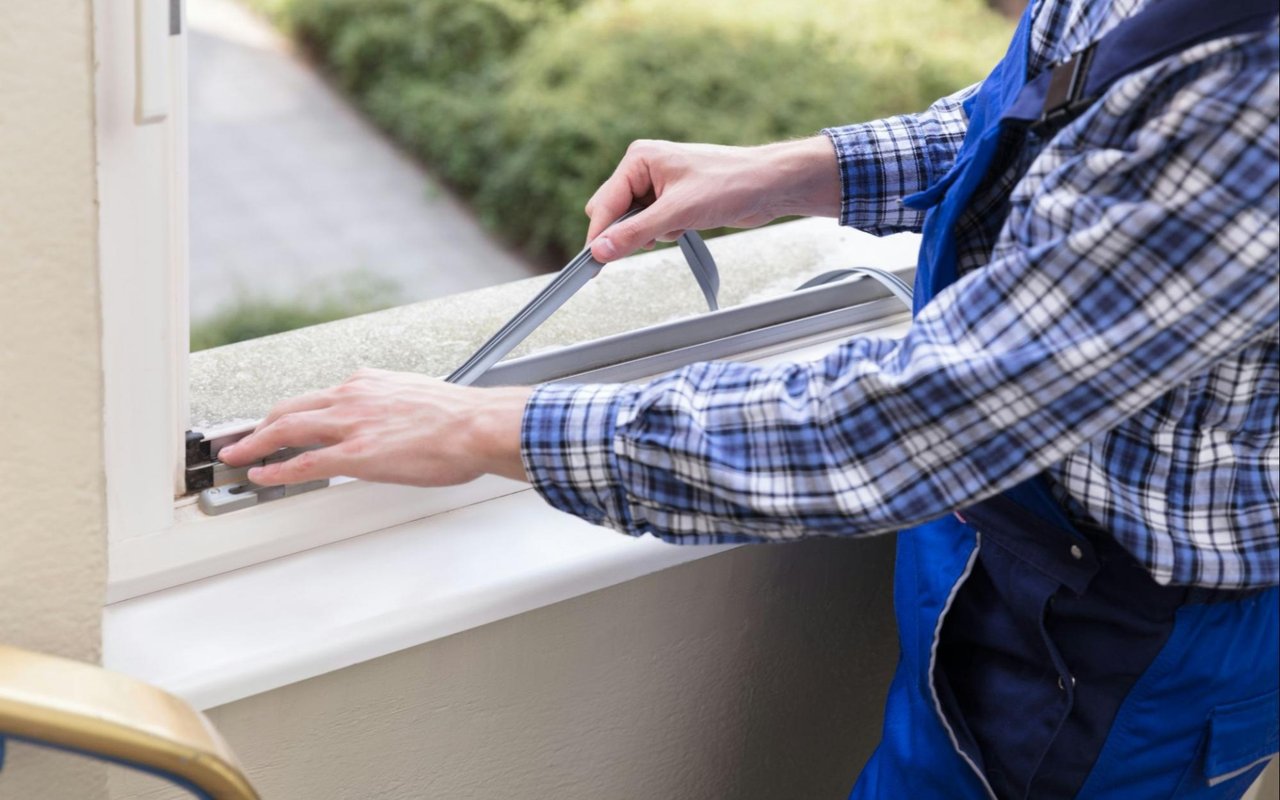
Original windows, for example, are often more durable than modern replacements and can be restored to improve efficiency with weatherstripping and interior storm panels. Refinishing existing floors, repairing plaster rather than tearing it out, and salvaging period hardware all help maintain the authenticity that buyers and appraisers value highly. These choices also tend to be more sustainable, keeping quality materials in use rather than sending them to a landfill.
When a feature is beyond saving, look for skilled restoration specialists who can reproduce the profile, material, or finish accurately. The difference between a careful reproduction and a generic substitute is significant, both in how the home feels and in how it holds its value over time.
Elements Worth Restoring
- Original windows, which can be made efficient without full replacement.
- Heart pine or hardwood floors that refinish beautifully.
- Plaster walls and decorative moldings that add irreplaceable texture.
- Mantels, fireplaces, and period hardware that anchor a room's character.
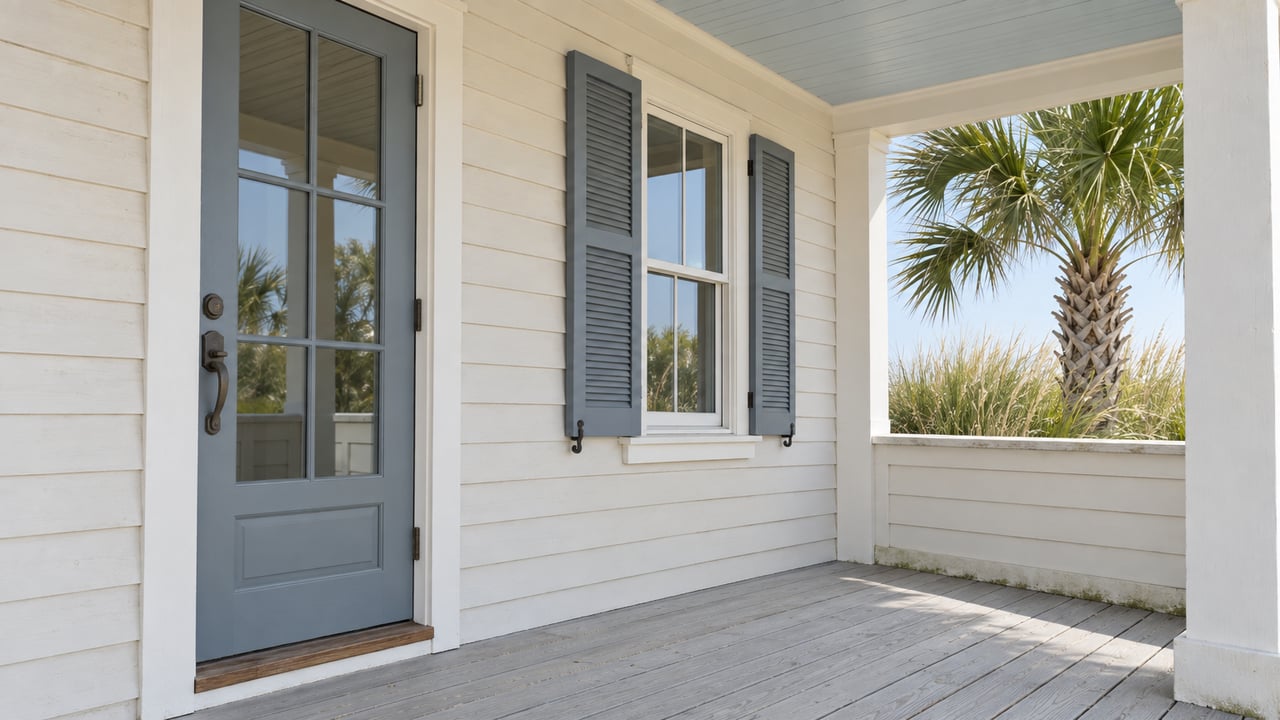
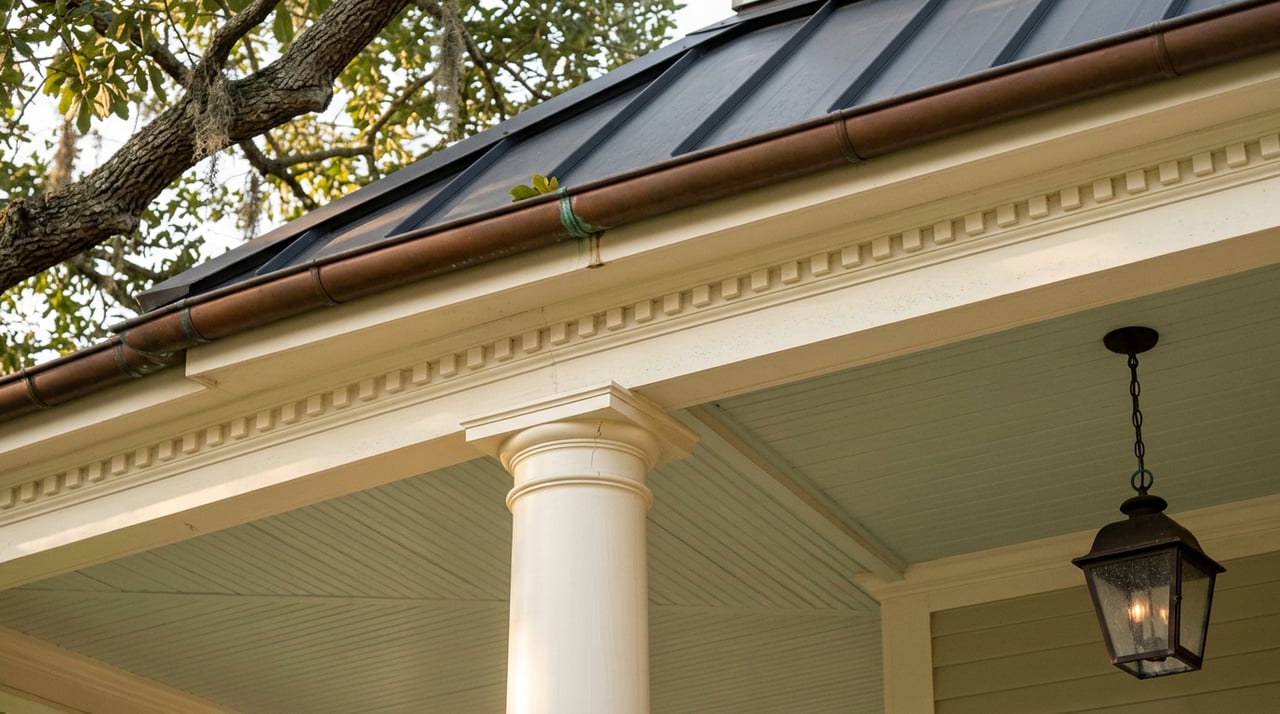
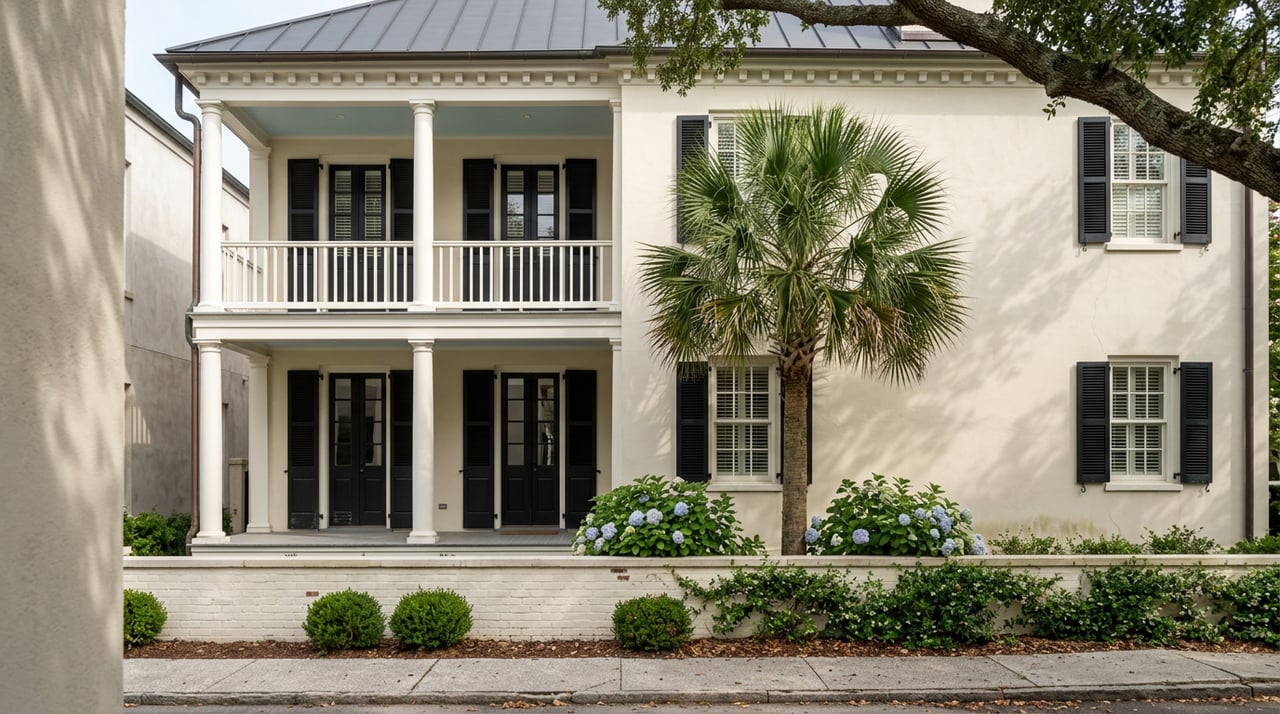
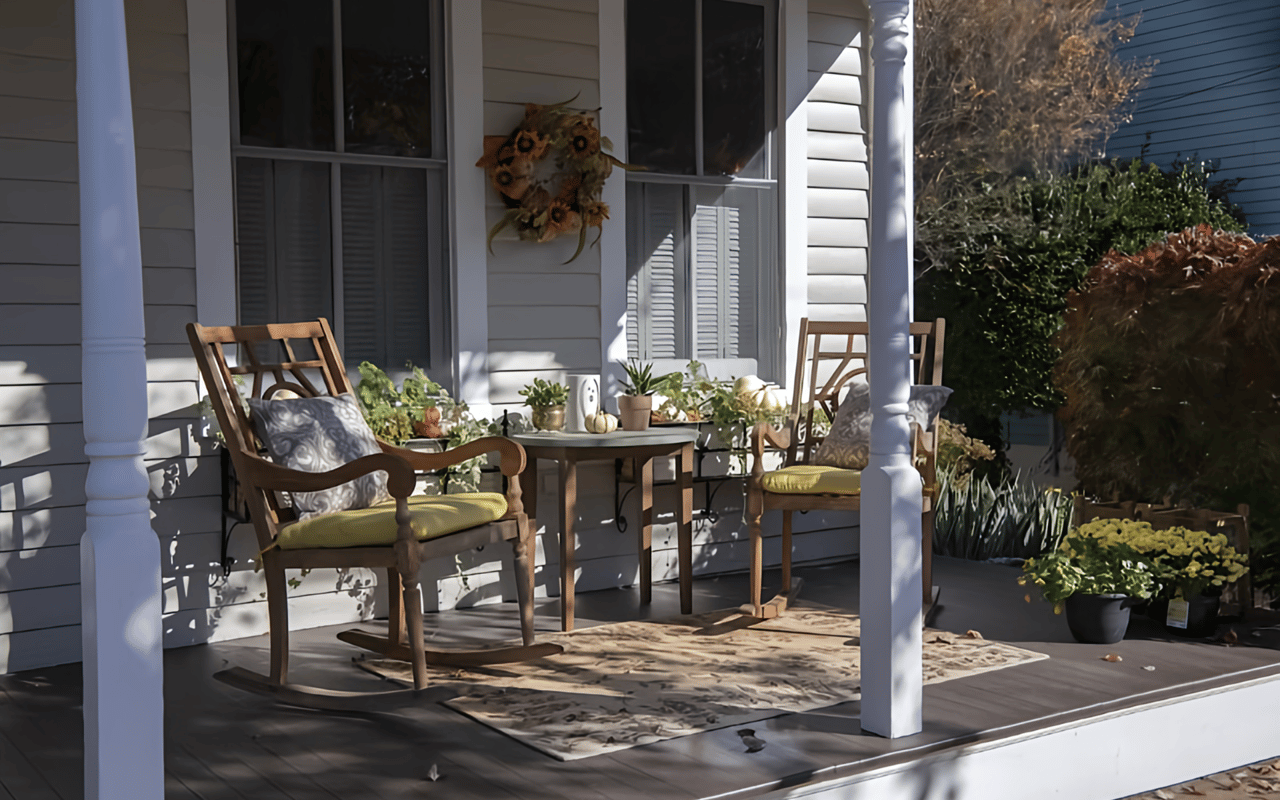
- Porches, piazzas, and exterior trim that define the home's street presence.
FAQs
Can I Add Central Air to an Older Charleston Home?
Yes. High-velocity systems and ductless mini-splits are popular choices for historic homes because they provide effective cooling without the large ductwork that would damage original plaster and trim. These systems pair well with improved insulation for year-round comfort.
How Do I Make a Historic Home More Energy Efficient?
Focus on insulation, air sealing, and window restoration rather than wholesale replacement. Restored original windows with storm panels, upgraded insulation, and efficient climate systems can dramatically improve comfort while keeping the home's character intact.
Will Modern Updates Hurt My Home's Value?
When done thoughtfully, updates typically increase value. The most successful renovations improve function and efficiency while preserving the historic details that make Charleston homes desirable.
What Should I Renovate First?
Start with the systems behind the walls, such as electrical, plumbing, and climate control, since these protect the home and support everything else. Kitchens and bathrooms usually follow, as they offer the greatest improvement to daily living.
Bring Modern Comfort to Your Historic Home
Updating a historic home in Charleston is a balancing act. The most rewarding renovations are those that let you enjoy modern comfort while honoring the architecture that drew you to the property in the first place. With the right plan, your home can feel current and functional without losing a single ounce of its character.
If you are considering updates to your historic Charleston home or exploring the market, I would love to help you make choices that preserve its character while adding lasting value. Reach out to me, Katherine Cox, and let's talk through your vision.