Charleston Real Estate Investor Guide
Investing in Charleston SC Real Estate: What You Need to Know
Is Charleston SC real estate a good investment? Charleston offers high-yield real estate opportunities driven by 20,000+ annual in-migration, sub-5% rental vacancy rates, and strong short-term rental demand in downtown ZIP codes 29401 and 29403. Successful investing requires factoring in 6% South Carolina non-primary property taxes and FEMA flood insurance.
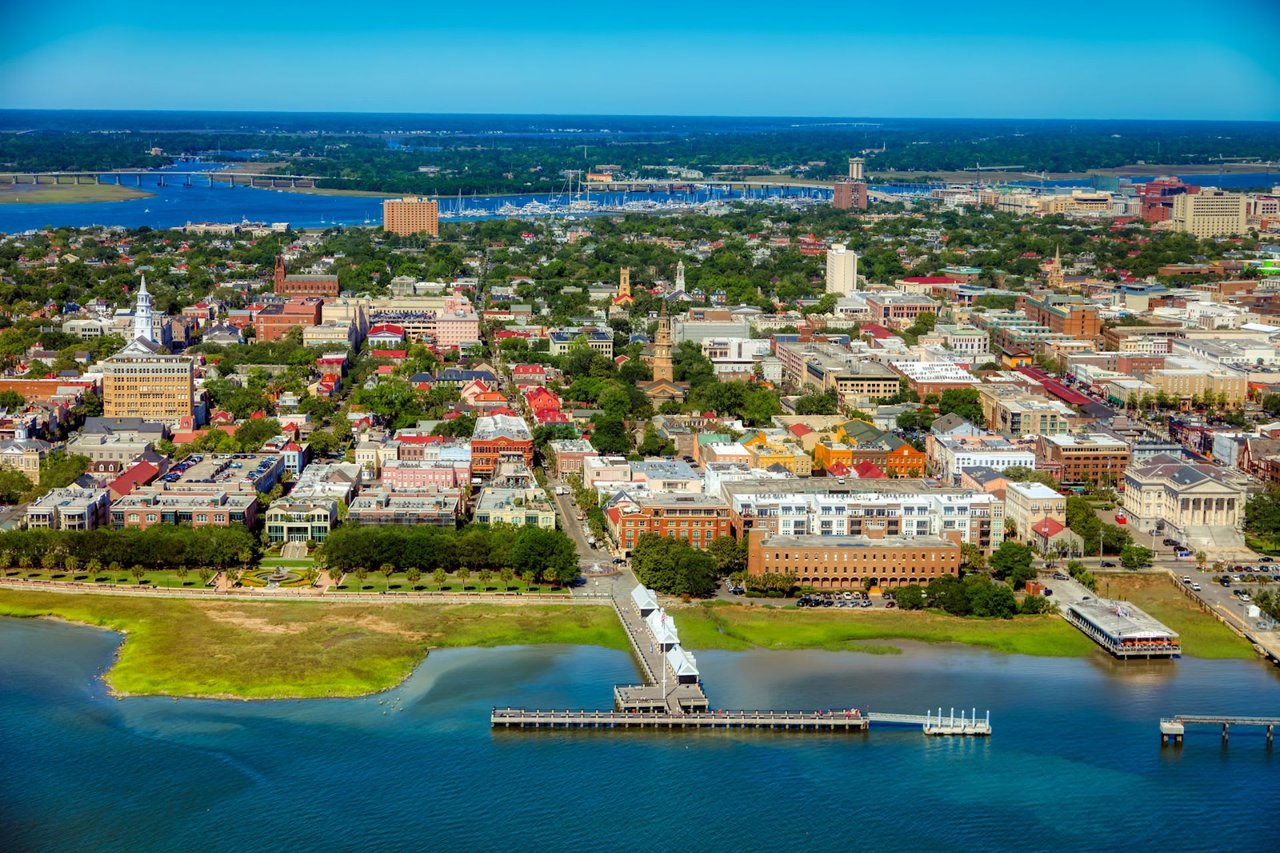
Charleston, South Carolina has established itself as one of the Southeast's most compelling real estate investment markets. Driven by a robust regional economy, steady population growth, and world-class tourism, the Charleston metropolitan area offers investors a powerful combination of cash flow potential and long-term equity appreciation.
Unlike markets driven purely by speculative buying, Charleston's growth is anchored by major corporate employers including Boeing's aeronautics assembly facility, Volvo Cars manufacturing plant, Mercedes-Benz Vans, the Medical University of South Carolina (MUSC), and a booming technology ecosystem across the Cainhoy peninsula. The influx of over 20,000 new residents annually maintains rental vacancy rates below 5% across major submarkets.
Evaluating an investment property in Charleston requires examining key performance benchmarks across submarkets and property types:
Market Data Overview
Compare median prices, rental yields, vacancy rates, and dominant demand drivers across key Charleston area ZIP codes.
Submarket / ZIP Code | Primary Property Types | Median Price Range | Rental Strategy & Yield Profile |
|---|---|---|---|
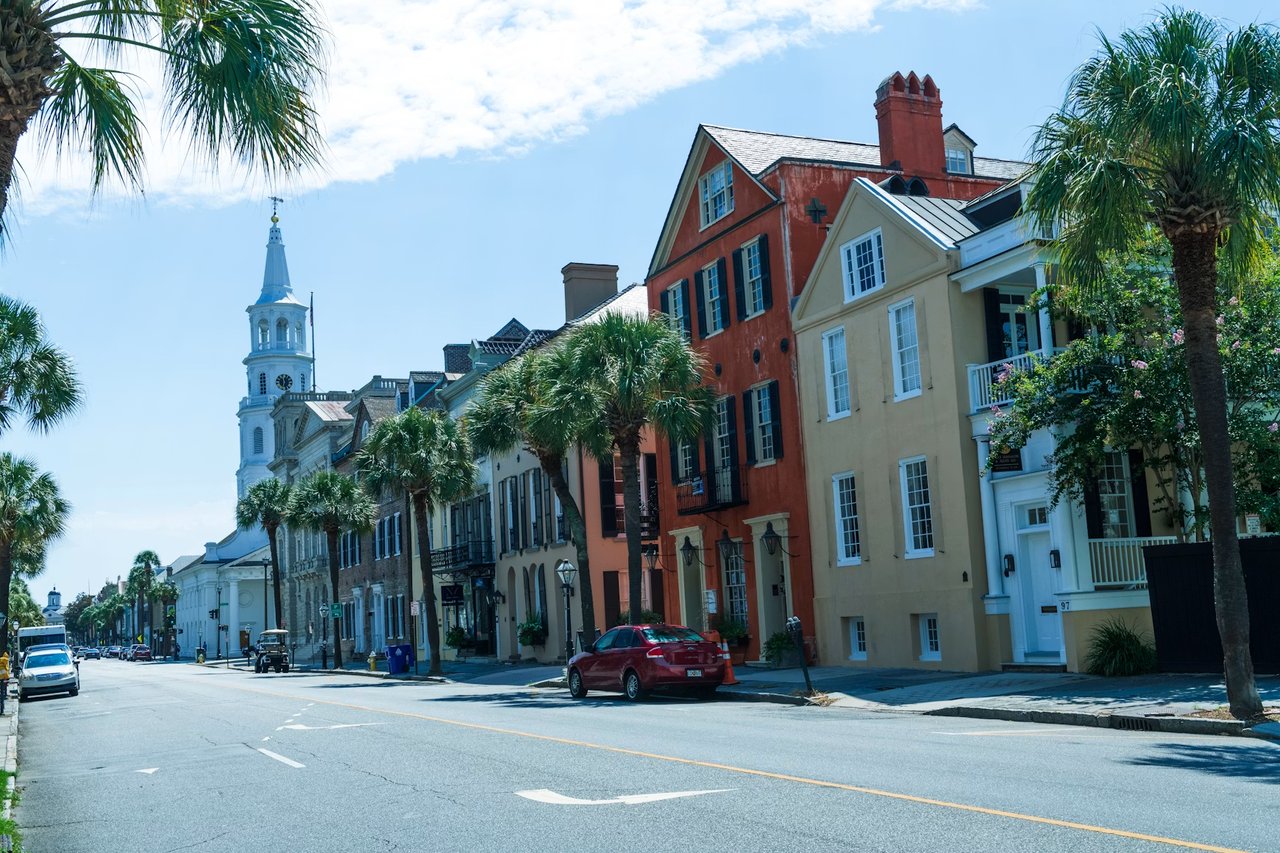
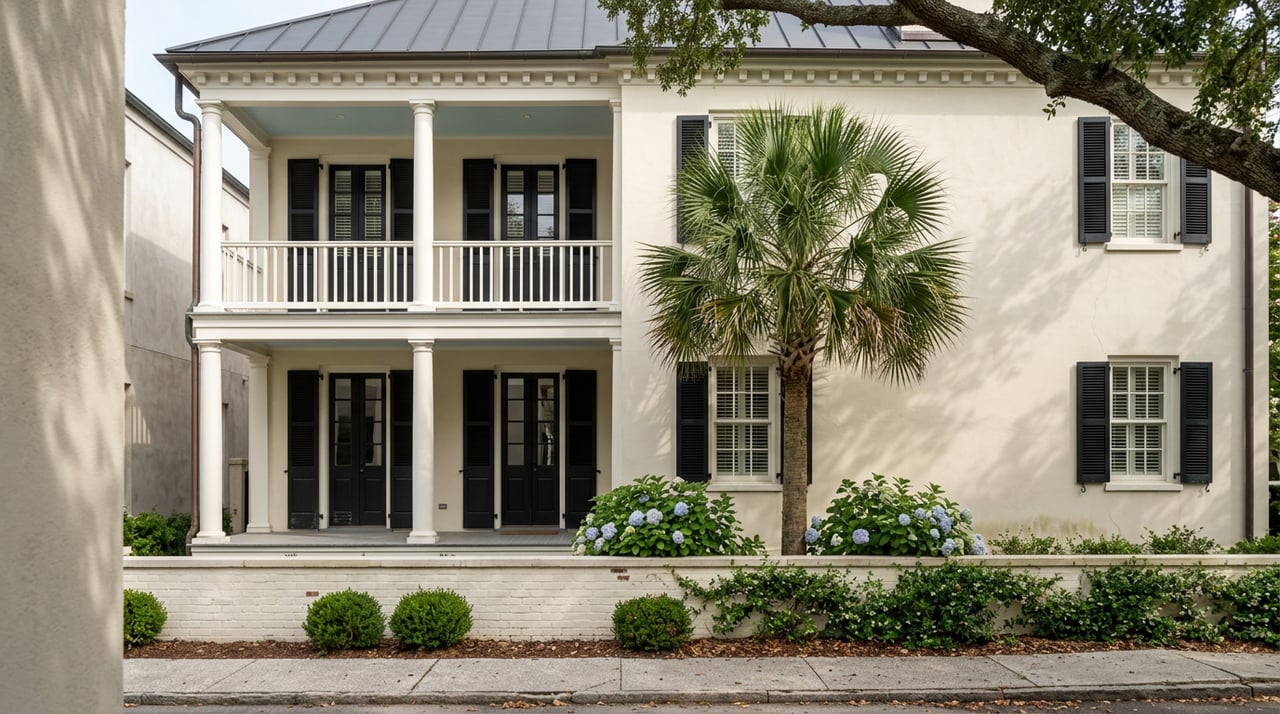
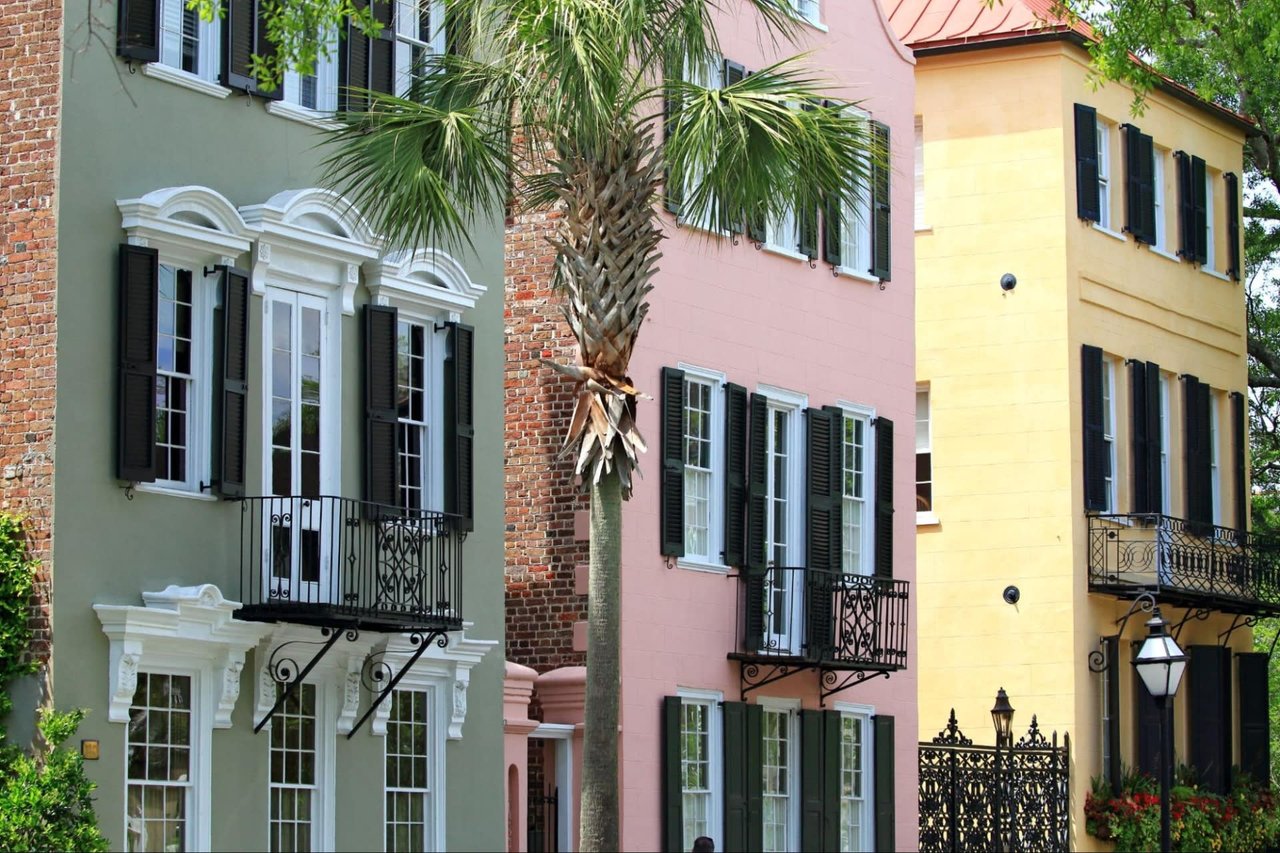
Historic District (29401) | Historic Condos & Single-Family | $1,200,000 to $3,500,000+ | Luxury STR & long-term appreciation; highest nightly rates |
Downtown Peninsula (29403) | Multi-family, Rowhouses & Condos | $650,000 to $1,400,000 | High-demand student, medical & STR rental market |
Mount Pleasant (29464 / 29466) | Subdivision Homes & Townhomes | $750,000 to $1,800,000 | Premium long-term family rentals with top school draw |
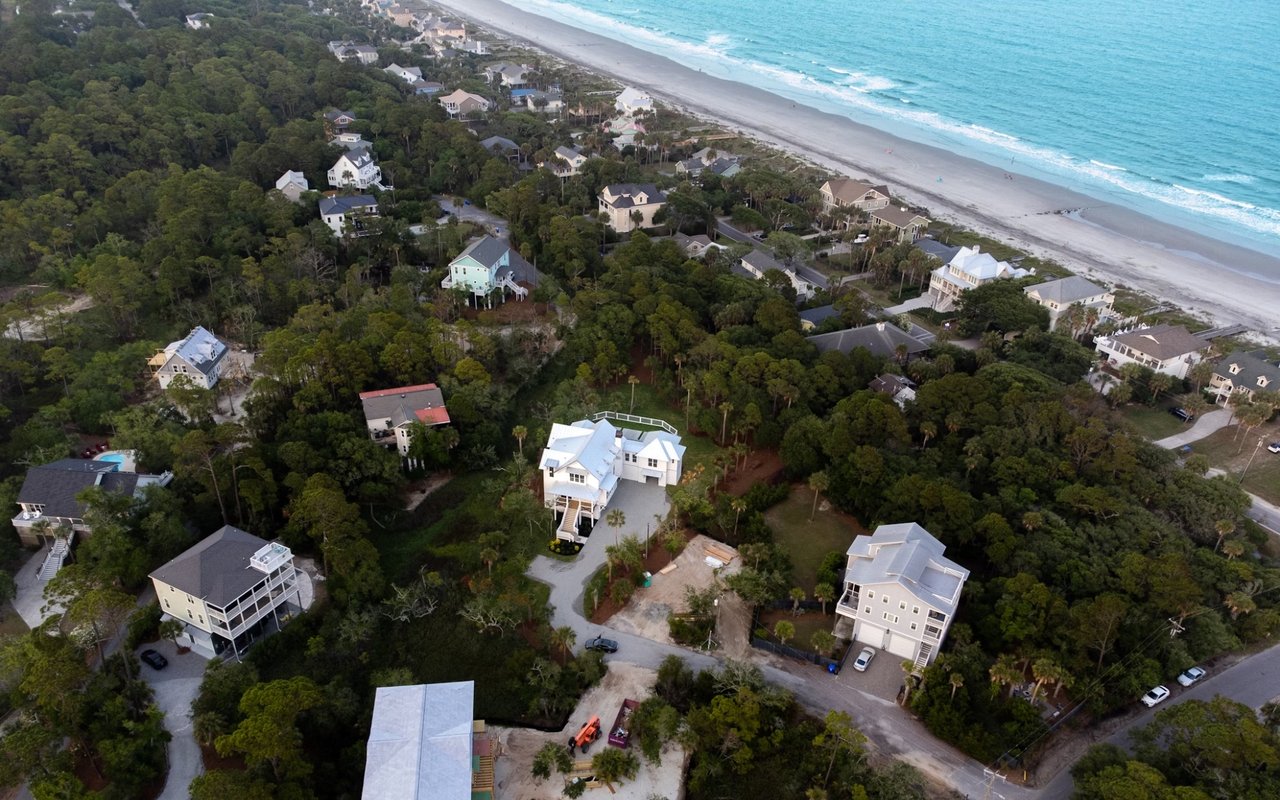
Isle of Palms (29451) | Beachfront Estates & Villas | $2,100,000 to $5,000,000+ | High-occupancy seasonal vacation rentals & oceanfront equity |
West Ashley (29414) / Summerville | Single-Family & Duplexes | $380,000 to $550,000 | High cash-flow long-term rentals with sub-5% vacancy |
Source: Charleston Trident Association of Realtors (CTAR) & U.S. Census Bureau Population Data.
Short-term vacation rentals represent one of Charleston's most lucrative investment avenues, but regulations vary significantly by municipality:
- City of Charleston (Peninsula): Short-term rentals are strictly regulated by the City's STR Ordinance. In the Historic District, properties must generally be owner-occupied (Category 1 or 2) unless located in specific commercial zones.
- Mount Pleasant: Permits non-owner-occupied STRs subject to a town-wide numerical cap and specific zoning overlays.
- Isle of Palms & Folly Beach: Established barrier island STR markets with active short-term rental licensing requirements and strong summer rental revenue.
To calculate accurate net yields, Charleston investors must factor in specific local carrying costs during underwriting:
In South Carolina, primary residences are assessed at a favorable 4% ratio with school operating tax exemptions. Investment properties and second homes are assessed at the 6% non-primary rate, resulting in property tax bills roughly two to three times higher than primary homeowner rates.
Properties situated in coastal or low-lying areas fall within FEMA Special Flood Hazard Areas (Zone AE or VE). Mortgaged properties in these zones require mandatory flood insurance policies ranging from $1,000 to $3,500+ annually depending on the property's Base Flood Elevation (BFE) certificate.
Coastal South Carolina counties require separate wind and hail insurance coverage or dedicated hurricane deductibles, which should be incorporated into annual operating expense budgets.
Exploring additional Charleston investment guides? Review our expert reports on 7 Best Waterfront Neighborhoods in Charleston, 8 Best Neighborhoods to Live in Charleston, and Sullivan's Island Real Estate.
Yes. Charleston combines steady long-term appreciation, sub-5% rental vacancy rates, and a growing population driven by corporate expansion in aerospace, manufacturing, and technology. Investors achieve strong returns through long-term rentals or licensed short-term vacation rentals.
Non-primary residences and investment properties in South Carolina are assessed at a 6% tax ratio rather than the 4% primary homeowner rate. This results in higher annual tax bills that must be factored into property cash flow calculations.
For short-term vacation rentals, downtown ZIP codes 29401 and 29403 and Isle of Palms (29451) command the highest nightly rates. For long-term cash flow, West Ashley (29414), Summerville (29483/29485), and North Charleston (29405) deliver attractive price-to-rent ratios.
Properties located in FEMA Special Flood Hazard Areas (Zone AE or Zone VE) require mandatory flood insurance if financed with a federally backed mortgage. Annual flood premiums typically range from $1,000 to $3,500+ depending on the elevation certificate.
The City of Charleston enforces strict short-term rental ordinances. In most residential areas of the Historic District, STRs must be owner-occupied. Non-owner-occupied STRs are primarily restricted to specific commercial overlays or designated resort zones on Isle of Palms and Folly Beach.
Katherine Cox + Co.
Navigating Charleston's luxury and investment market requires local expertise, precise yield modeling, and clear regulatory guidance. Katherine Cox + Co. provides data-driven analysis to help you secure high-performing coastal assets.
Katherine Cox is a premier luxury real estate specialist in Charleston, South Carolina. Specializing in investment property acquisition, waterfront estates, and historic renovations across Downtown Charleston, Mount Pleasant, Sullivan's Island, and Isle of Palms.