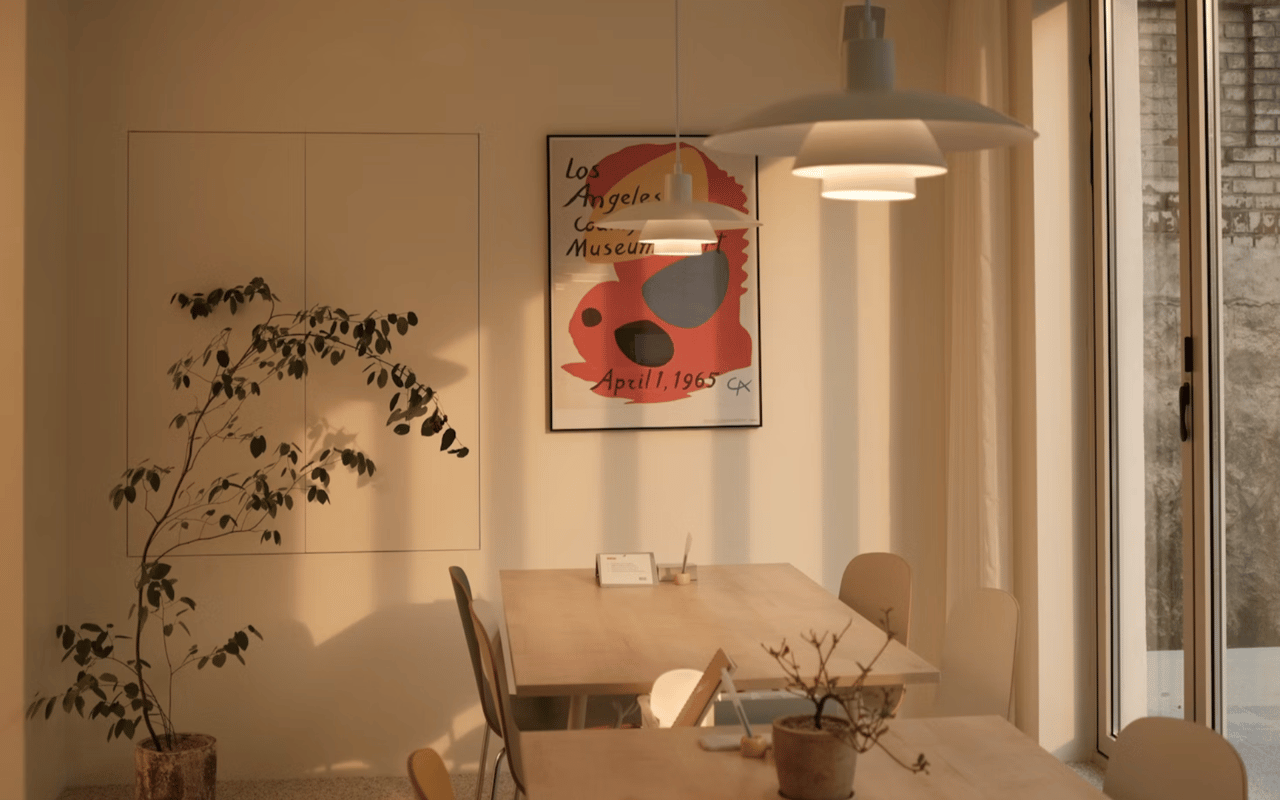
Charleston SC Interior Design & Space Planning
Interior Design Tips for Maximizing Space in Charleston Homes
Maximizing Space: Direct Answer
Maximizing space in Charleston SC homes requires applying 10 core design principles: choosing light neutral paint palettes, incorporating multi-functional storage furniture, exploiting vertical wall space, maximizing natural window light with mirrors, decluttering room surfaces, anchoring open zones with rugs, floating furniture off walls, utilizing glass or acrylic tables, adopting curated minimalism, and integrating custom built-in storage.
Looking for a Spacious Home in Charleston, SC?
Explore Charleston Real Estate vs. Request Home Staging Advisory
Align your interior space optimization with active Charleston property listings and expert staging guidance. Select your search path below:
Historic Architecture & Modern Spatial Efficiency
Historic Single Houses, Downtown Condos, and Coastal Suburbs
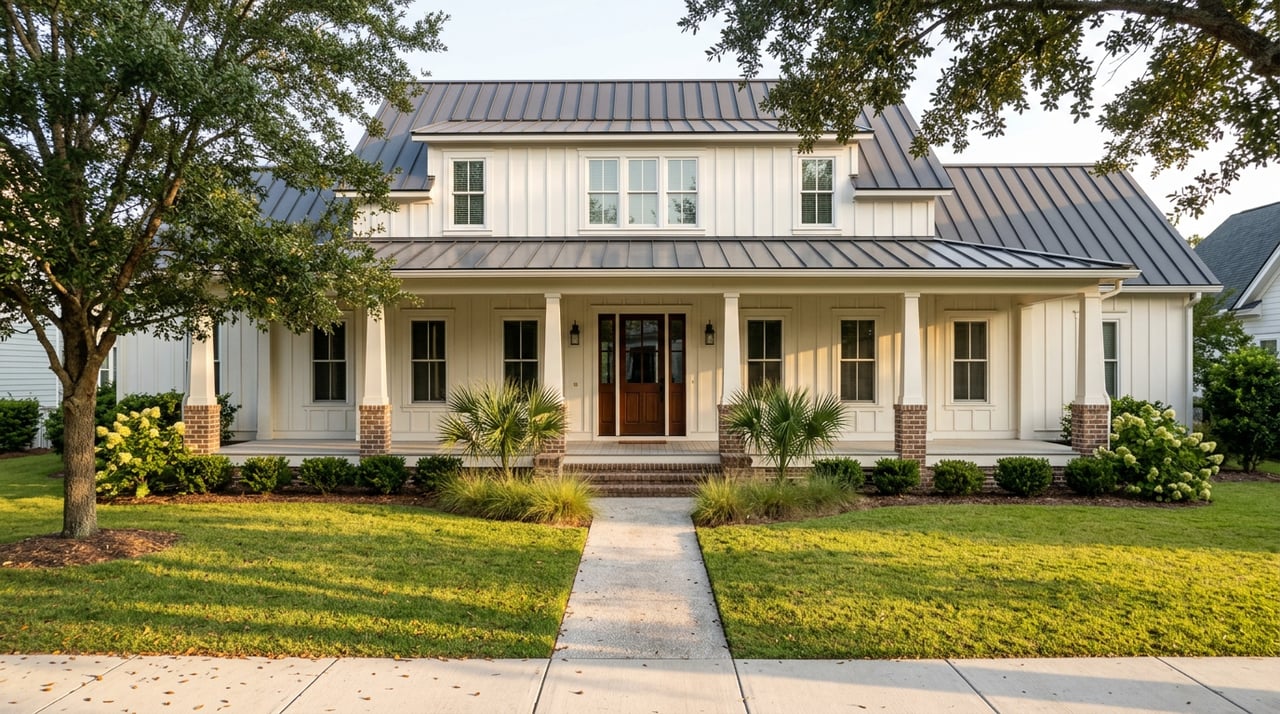
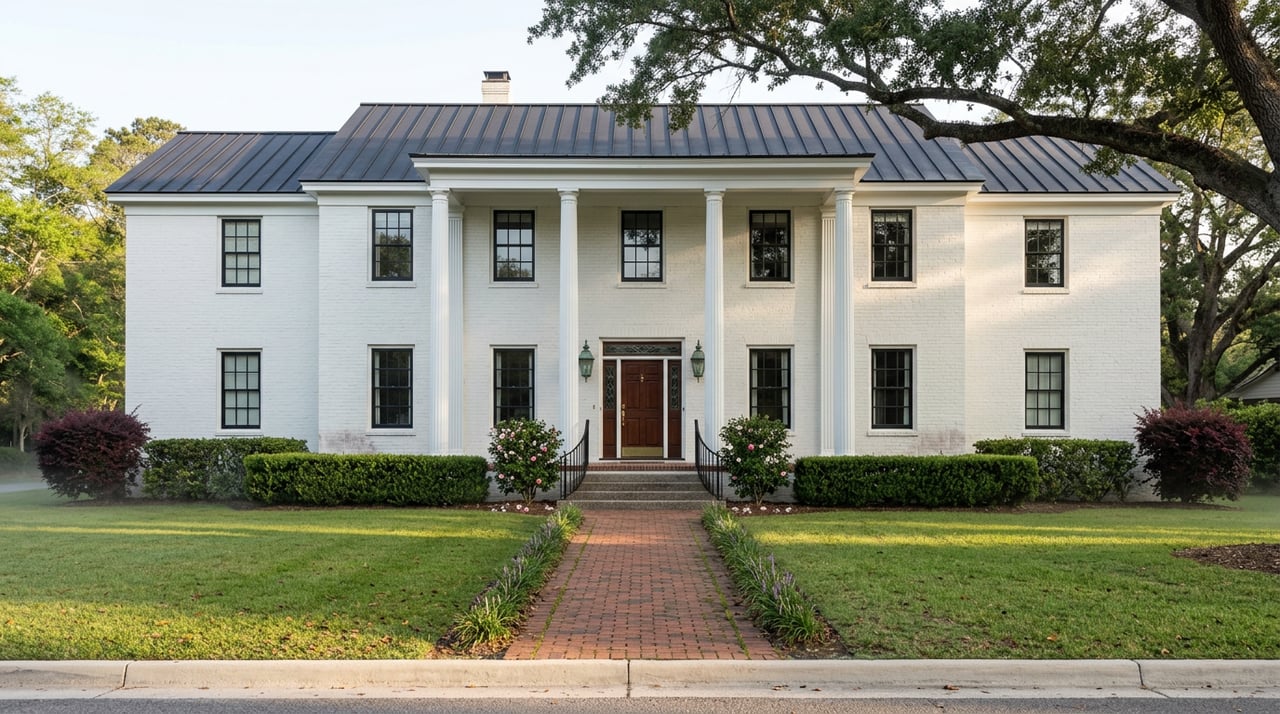
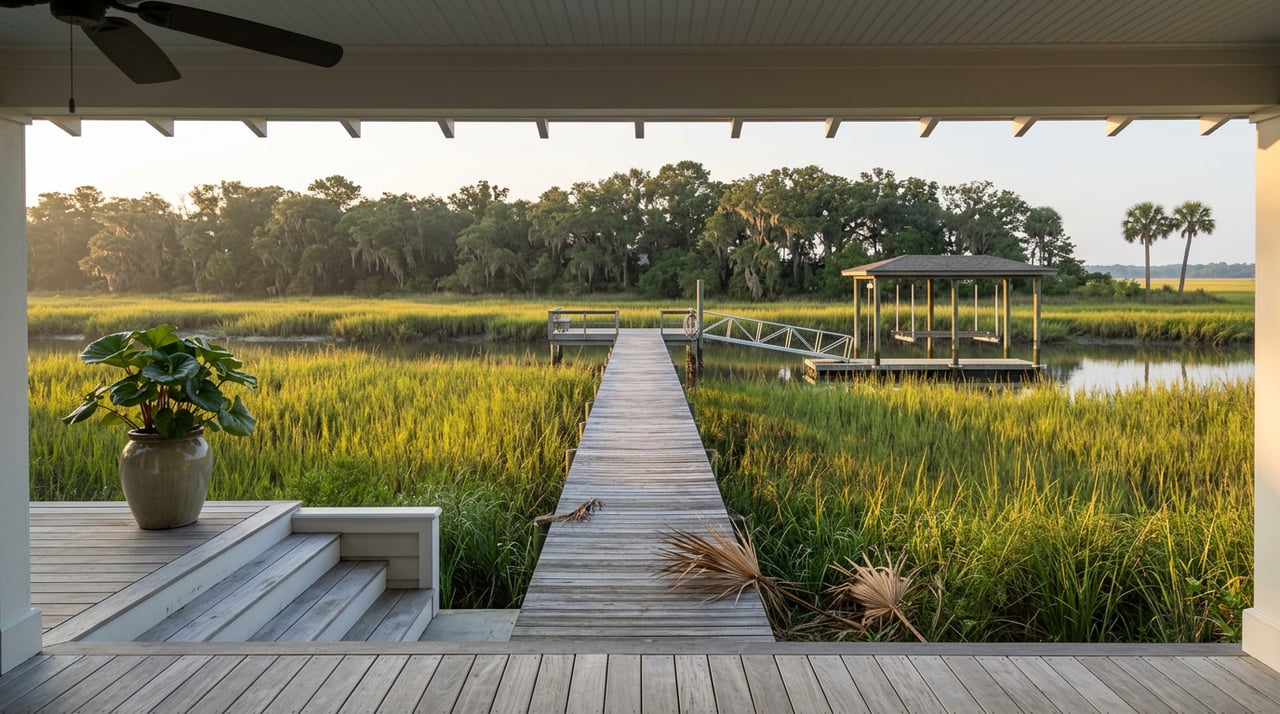
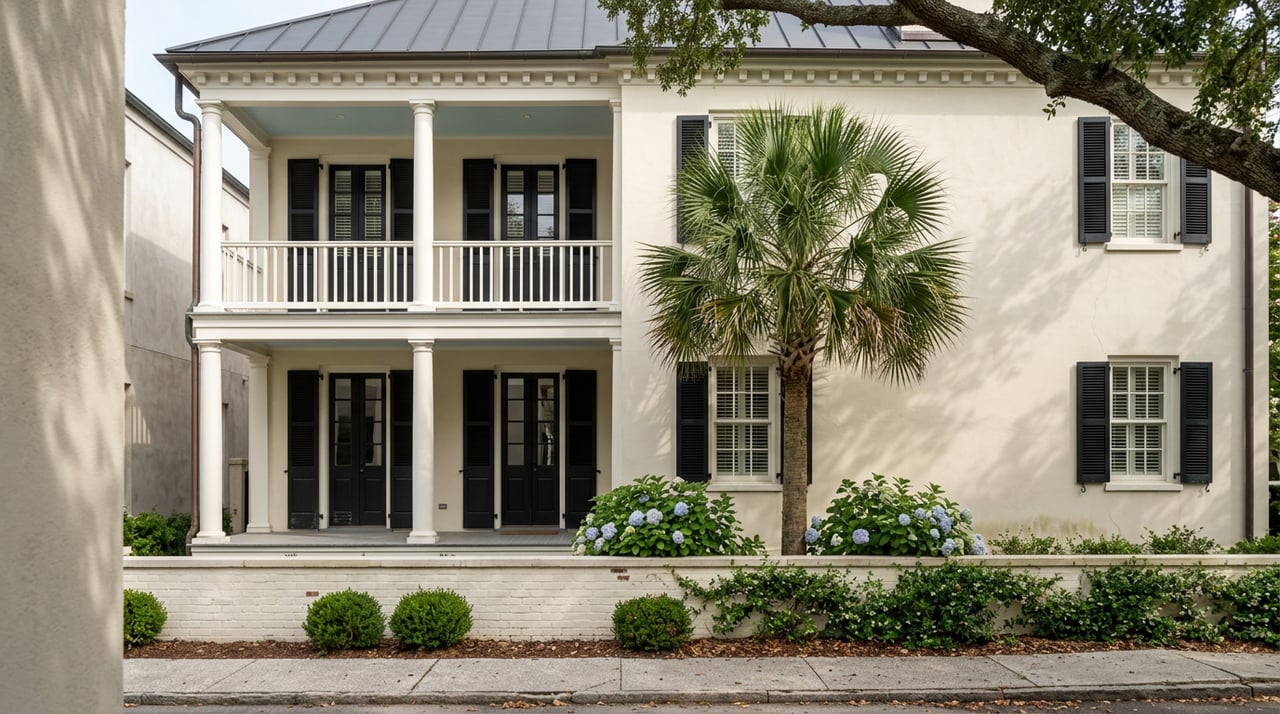
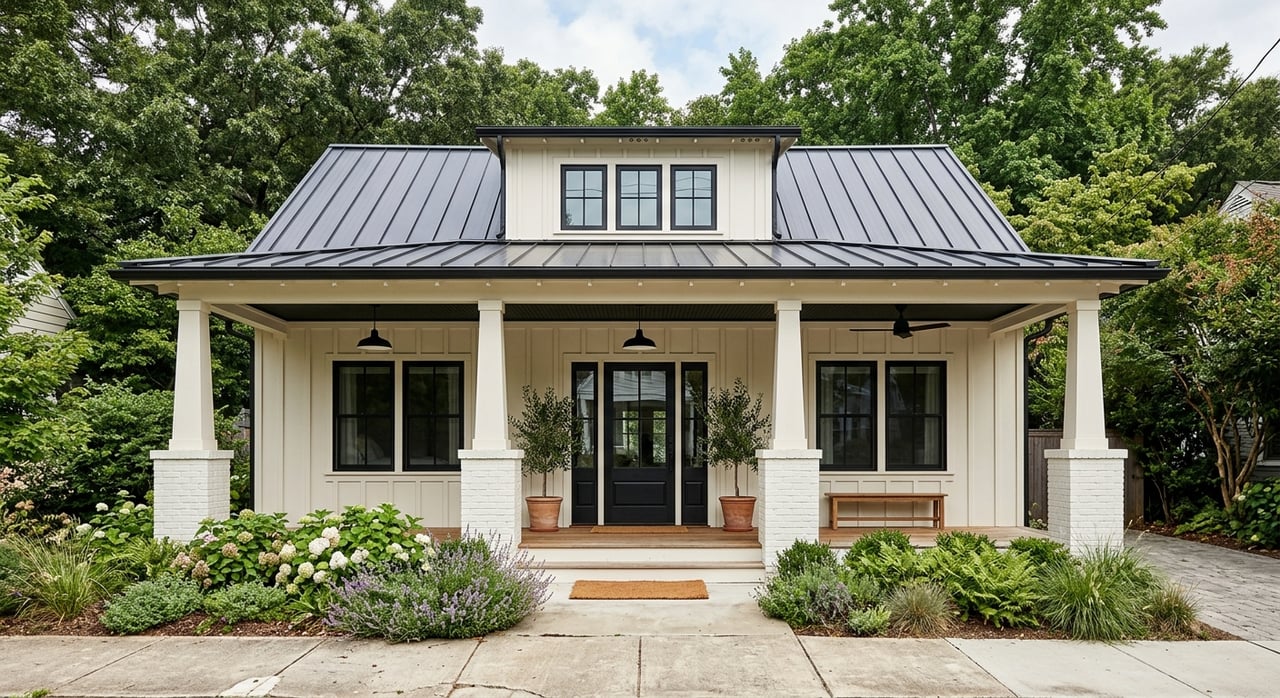
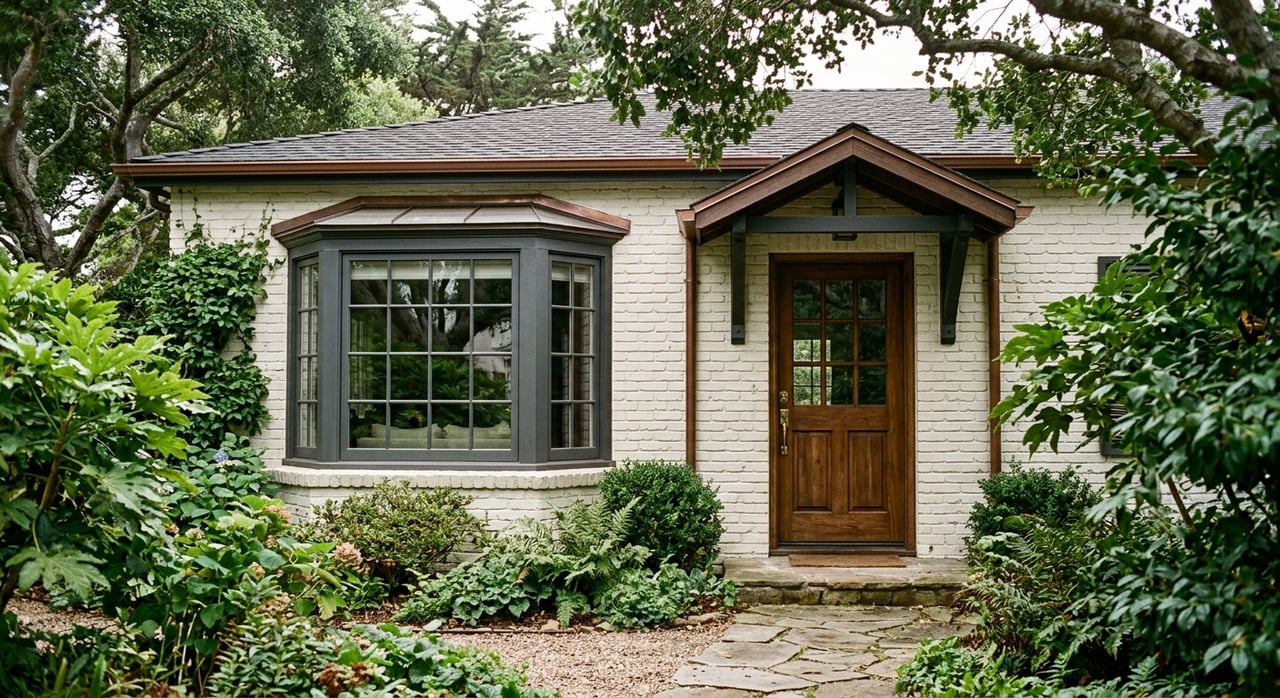
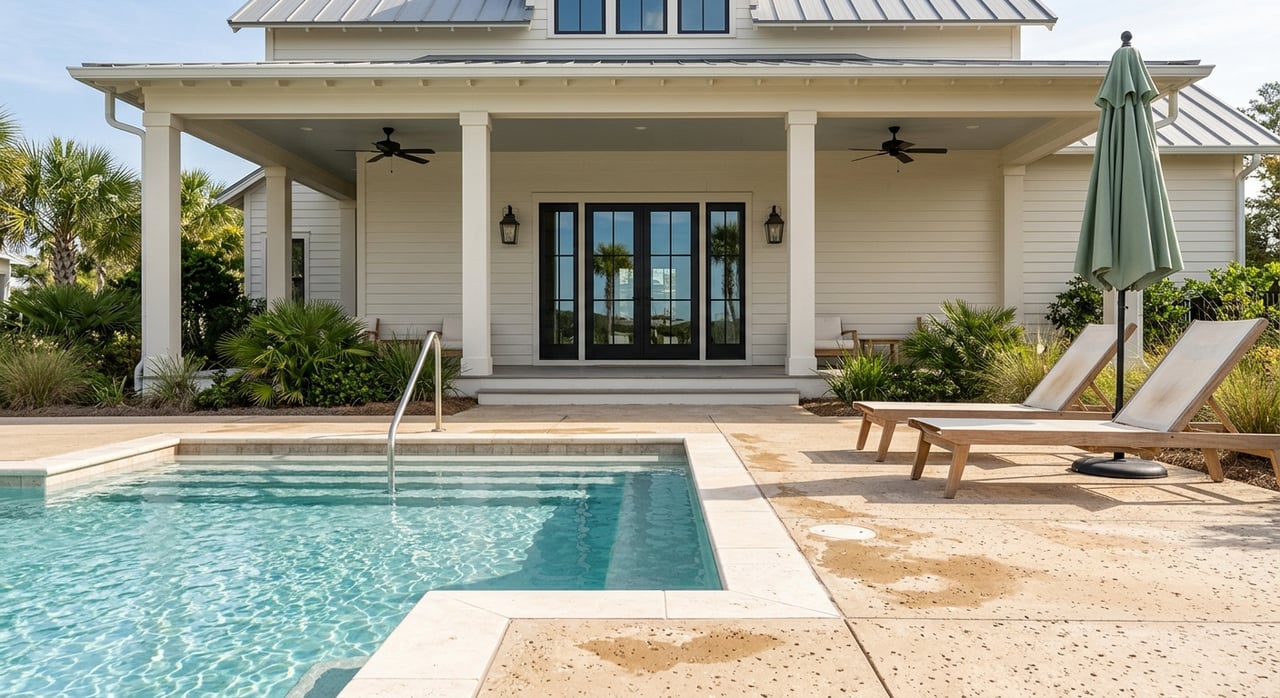
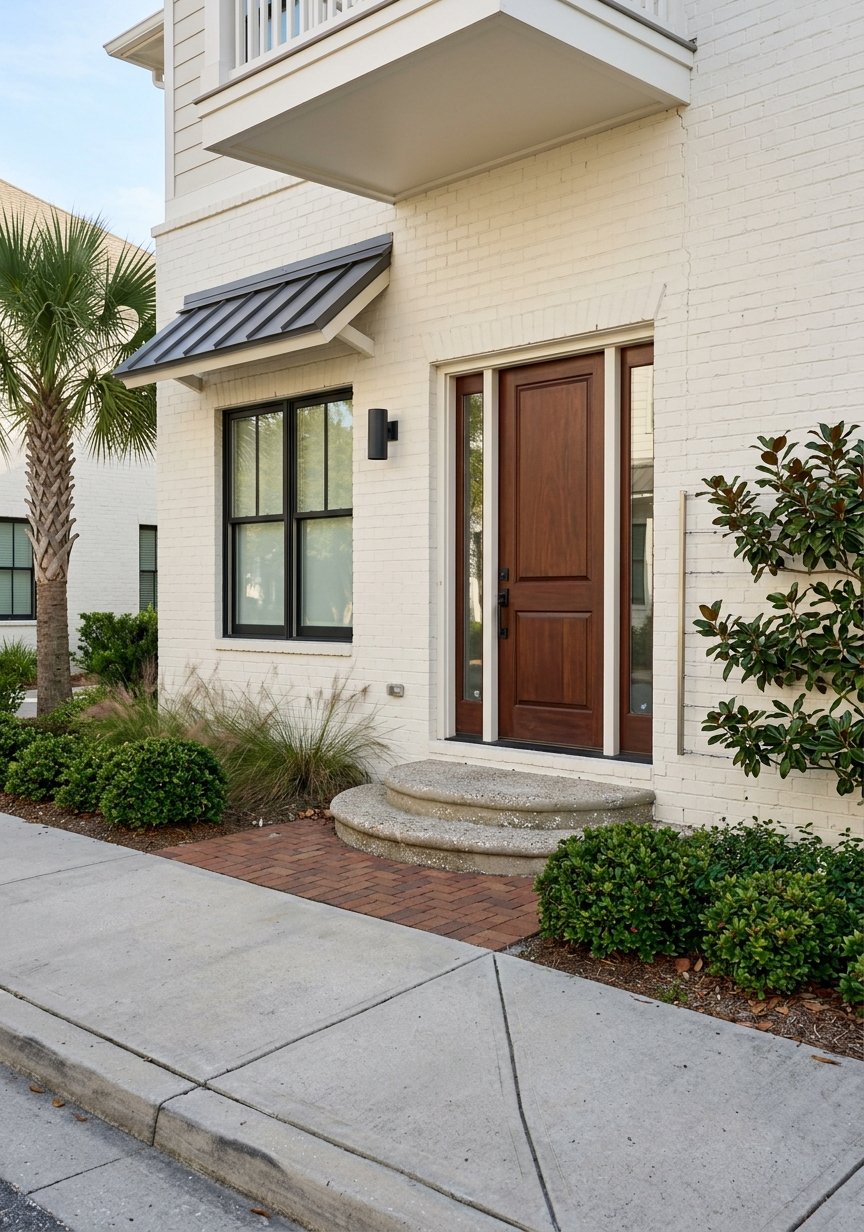
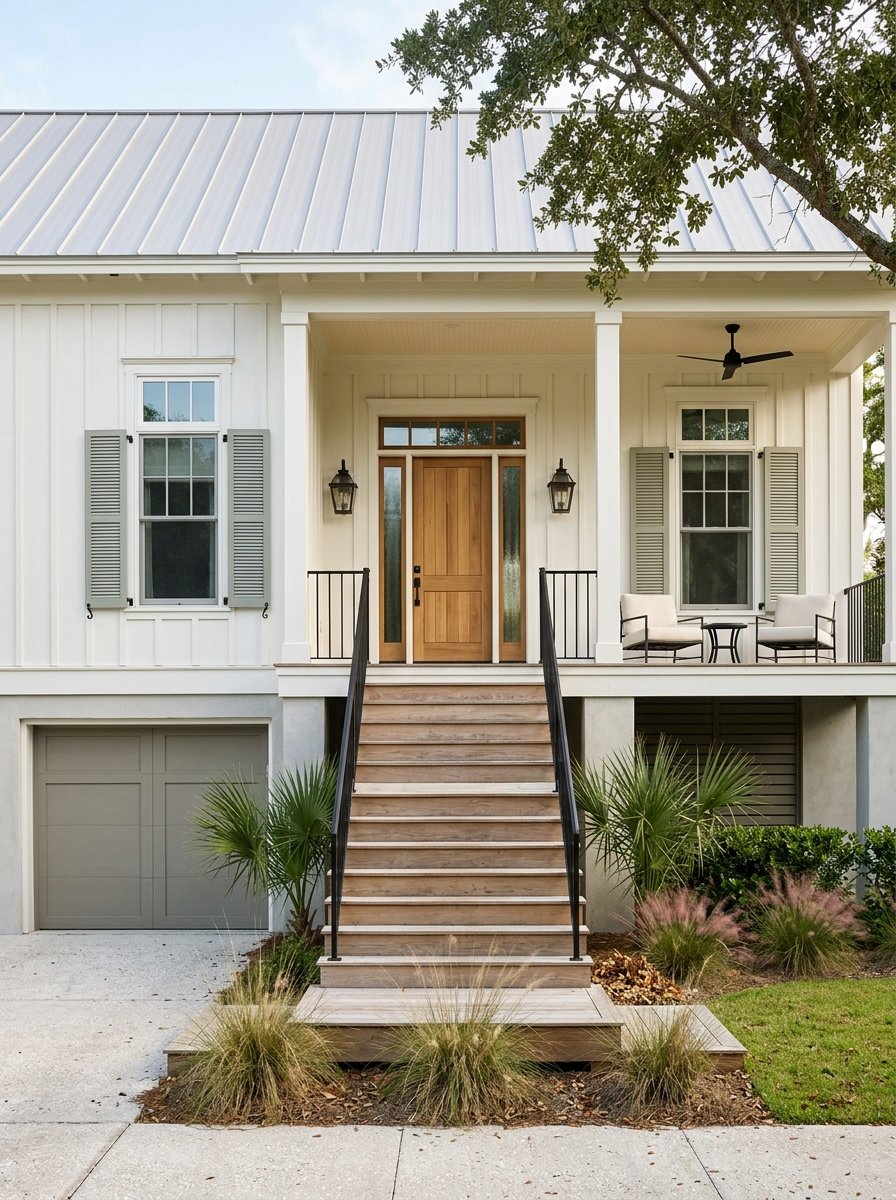
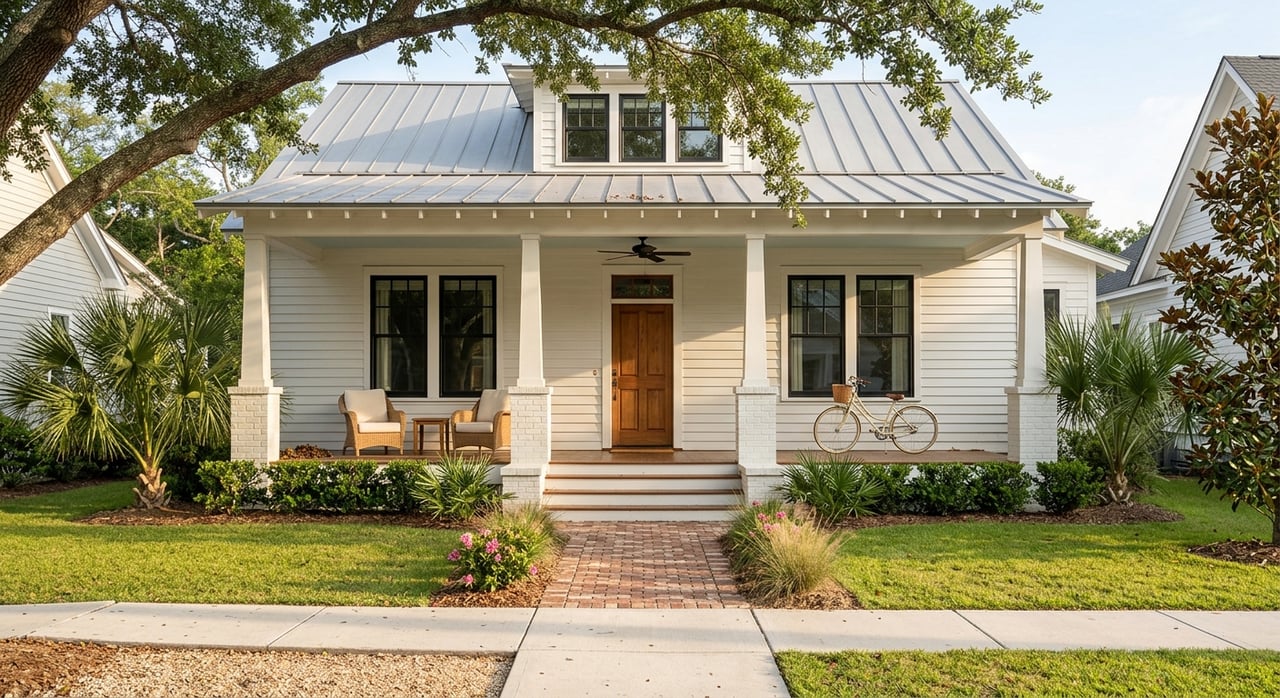
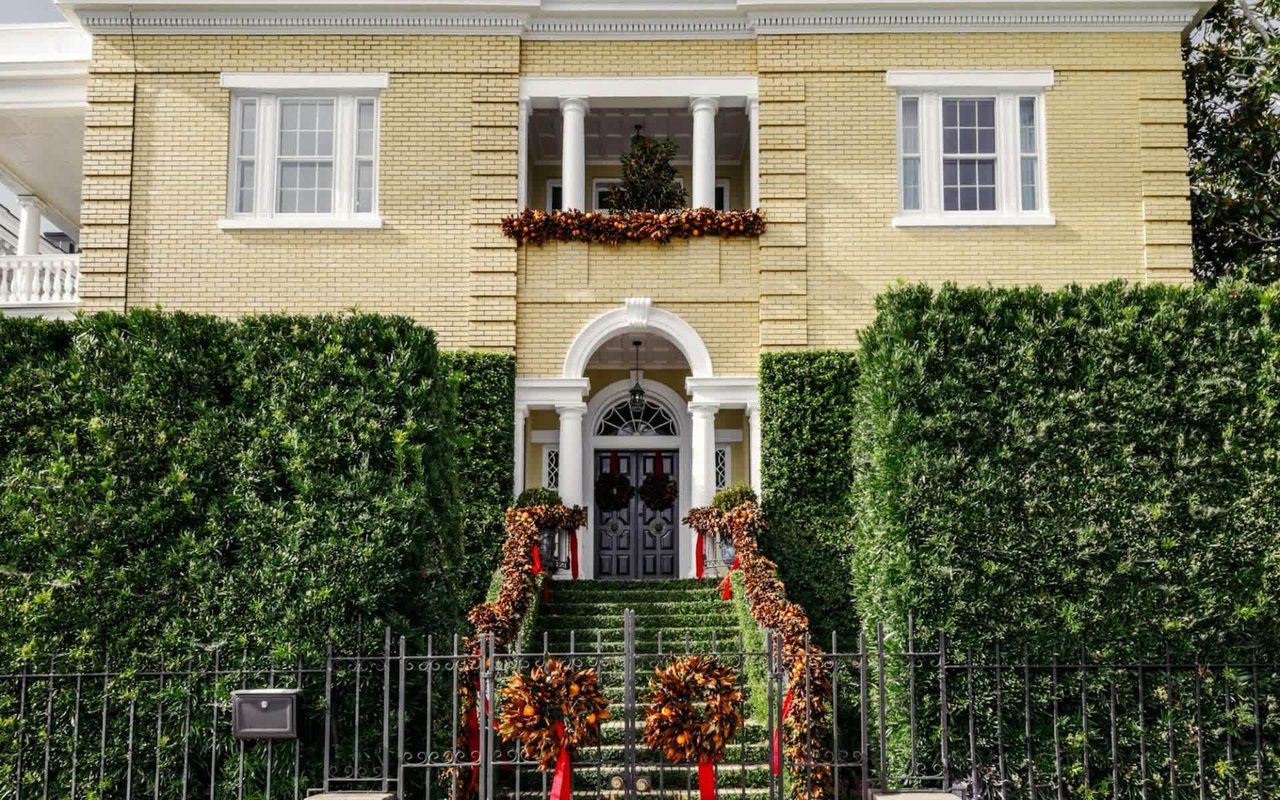
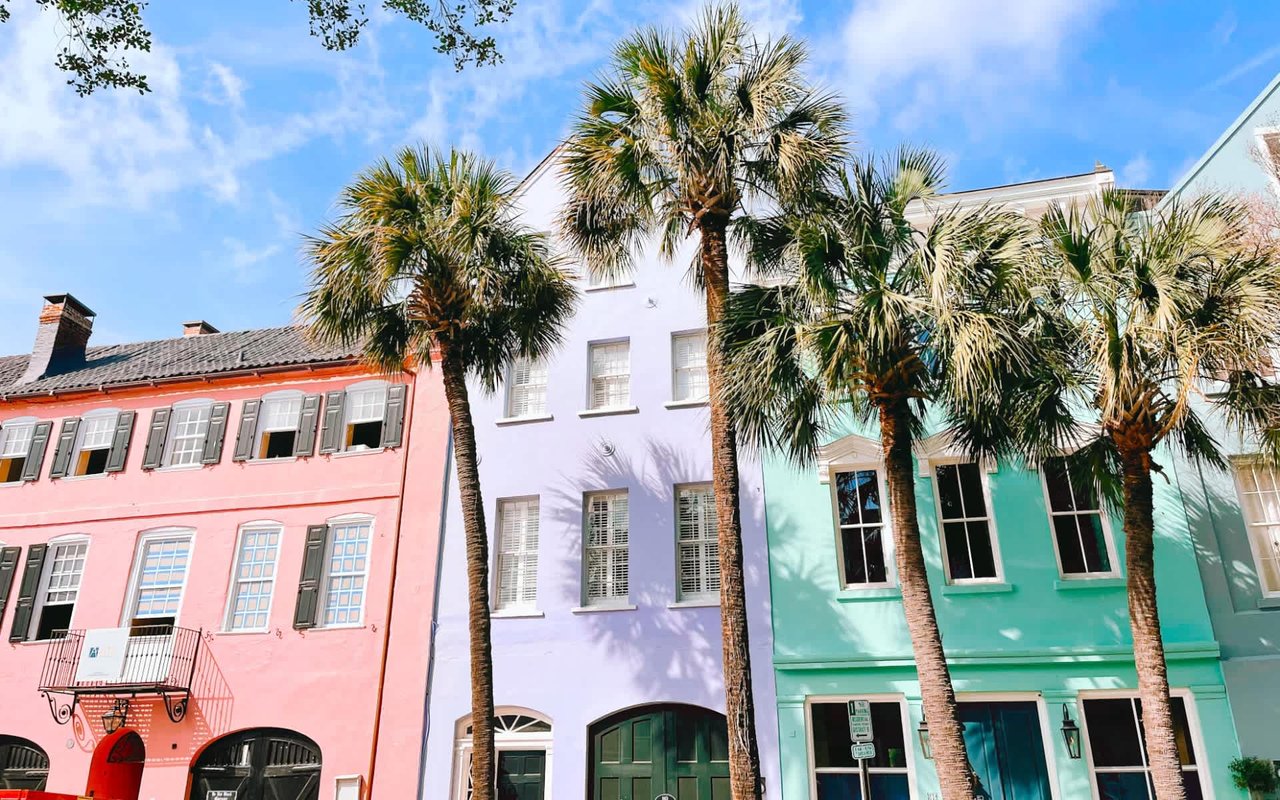
Maximizing space has become a essential goal in modern Lowcountry home design. Whether you reside in a historic Historic Downtown Charleston single house, a Mount Pleasant waterfront cottage, or a Kiawah Island retreat, thoughtful interior design choices elevate visual scale, natural light flow, and overall everyday livability.
Primary Spatial Strategies
4 Pillars for Expanding Interior Visual Volume
PILLAR 01 | COLOR & ILLUMINATION
1. Light Palettes & Mirrors
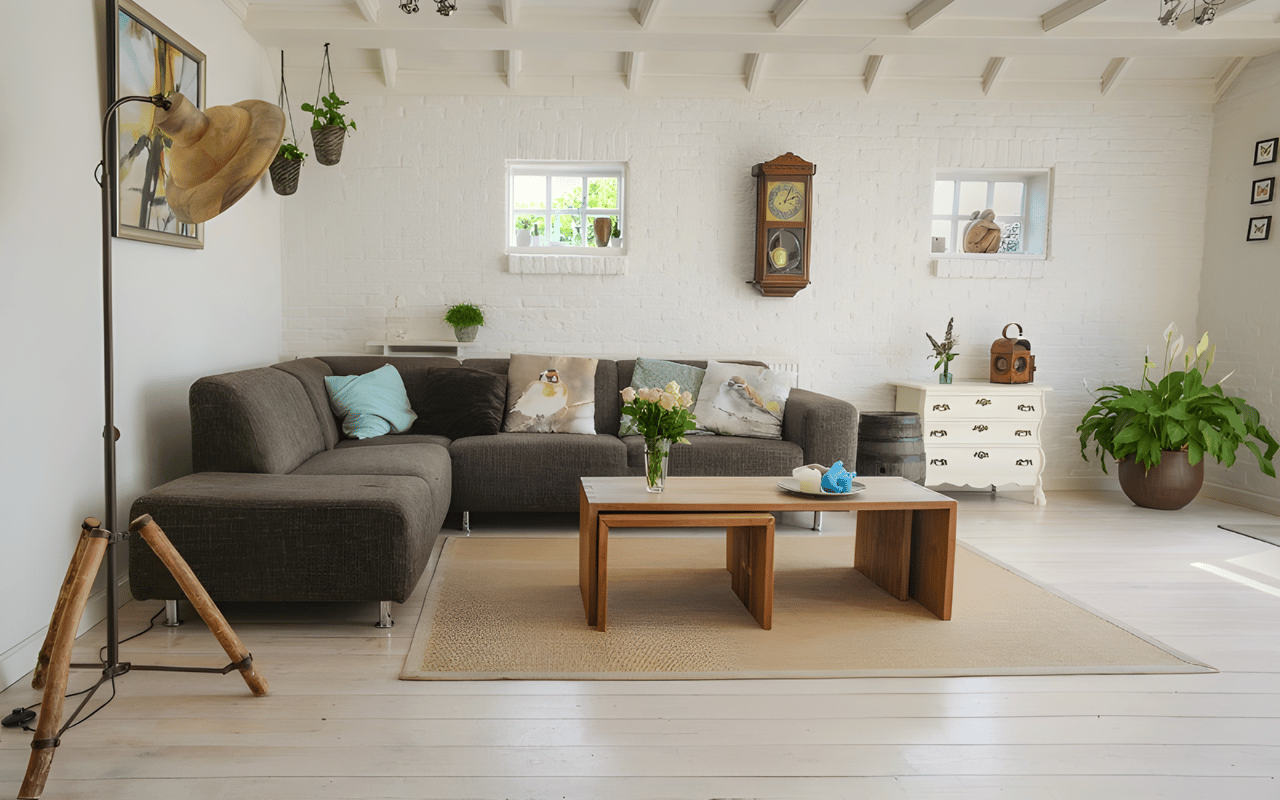
Soft whites, warm beiges, and muted grays reflect natural sunlight. Placing mirrors directly opposite windows doubles illumination and visual room depth.
PILLAR 02 | MULTI-FUNCTIONAL FURNITURE
2. Dual-Purpose Furniture
Select ottomans with interior storage, nesting side tables, sofa beds, and slim-legged chairs that allow light to pass beneath pieces freely.
PILLAR 03 | VERTICAL EXPANSION
3. Vertical Storage & Floating Shelves
Utilize full-height bookcases, wall-mounted sconces, and floating shelving to draw the eye upward, highlighting ceiling height and clearing floor area.
PILLAR 04 | ACCENT & ZONE DEFINITION
4. Floating Layouts & Area Rugs
Pull furniture away from walls to create floating conversation groups. Use proportioned area rugs to define functional zones in open layouts.
Data Extraction Matrix
Space Maximizing Design Strategy Matrix
Design Strategy | Primary Implementation Technique | Spatial & Visual Benefit | Charleston Architectural Application |
|---|---|---|---|
Light Color Palette | Soft white, warm beige & satin trim finishes | Bounces sunlight, creating airy expansive feel | Ideal for narrow historic Charleston single house rooms |
Multifunctional Furniture | Storage ottomans, nesting tables & open-leg sofas | Eliminates visual bulk while adding hidden storage | Perfect for downtown Charleston condos & historic lofts |
Vertical Wall Optimization | Full-height bookcases, floating shelves & sconces | Frees up floor square footage and elevates sightlines | Accentuates 10ft+ historic Lowcountry ceiling heights |
Reflective Surfaces | Large mirrors opposite windows & glass tables | Doubles natural light & visually opens floor space | Brightens interior piazzas, entryways & dining areas |
Floating Furniture Layouts | Pull seating 6-12 inches away from perimeter walls | Creates natural traffic flow & breathing room | Optimizes open-concept Mount Pleasant & I'On living rooms |
Sources: American Society of Interior Designers (ASID), Charleston Historic Preservation Guidelines, Stellar MLS Property Presentation Standards.
Light Palettes, Natural Illumination, and Vertical Wall Design
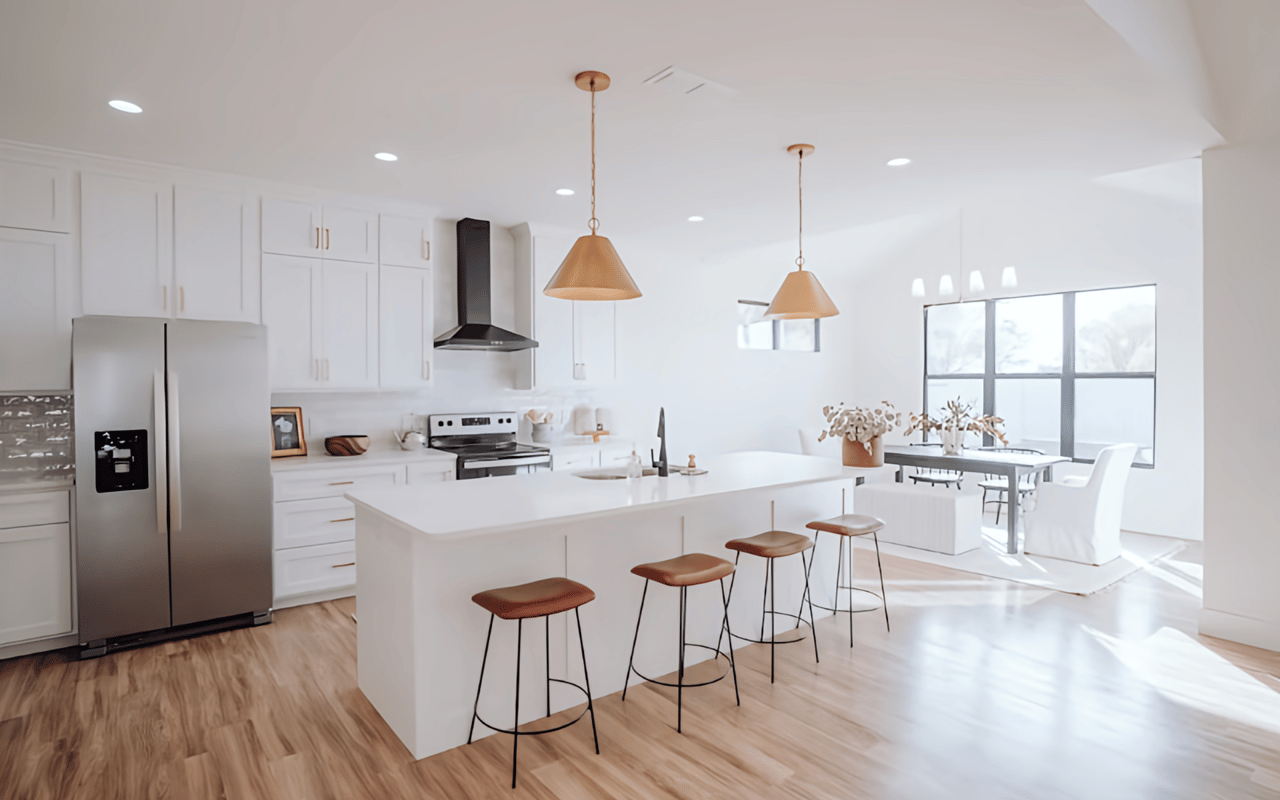
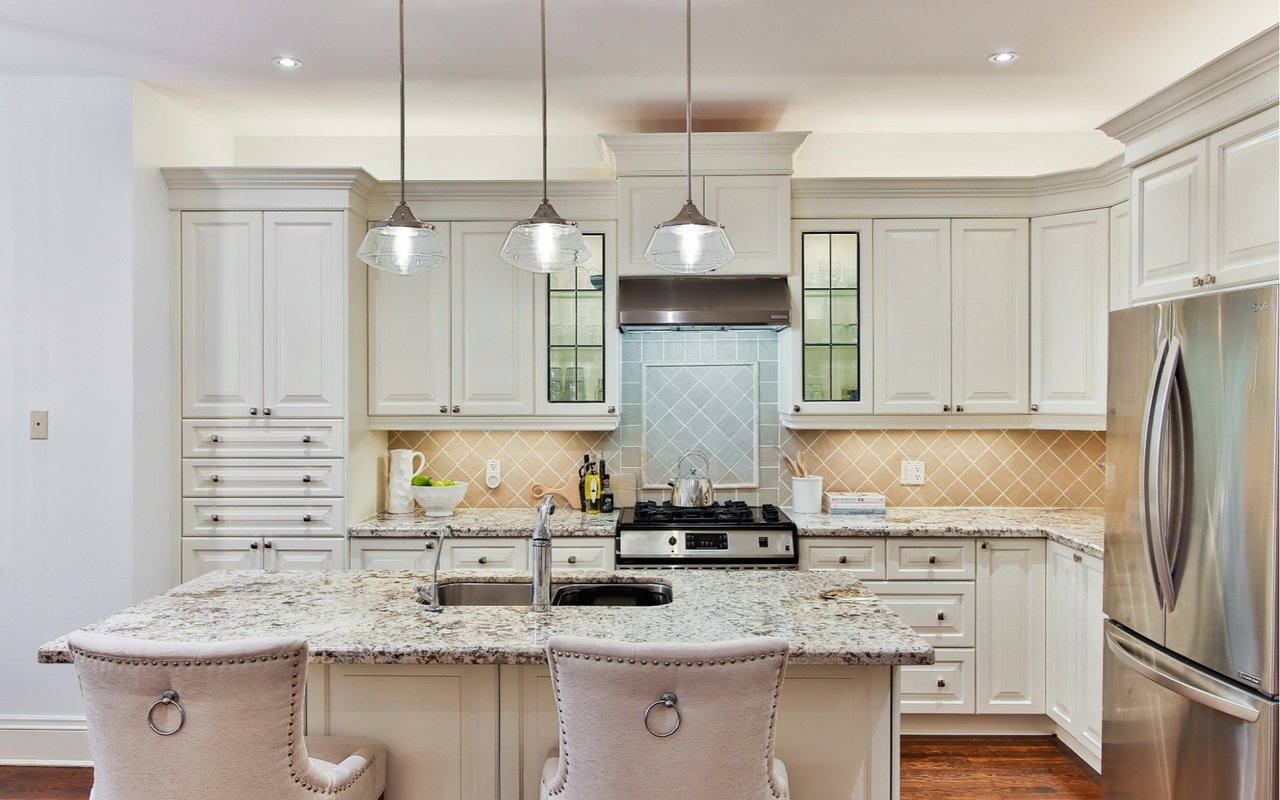
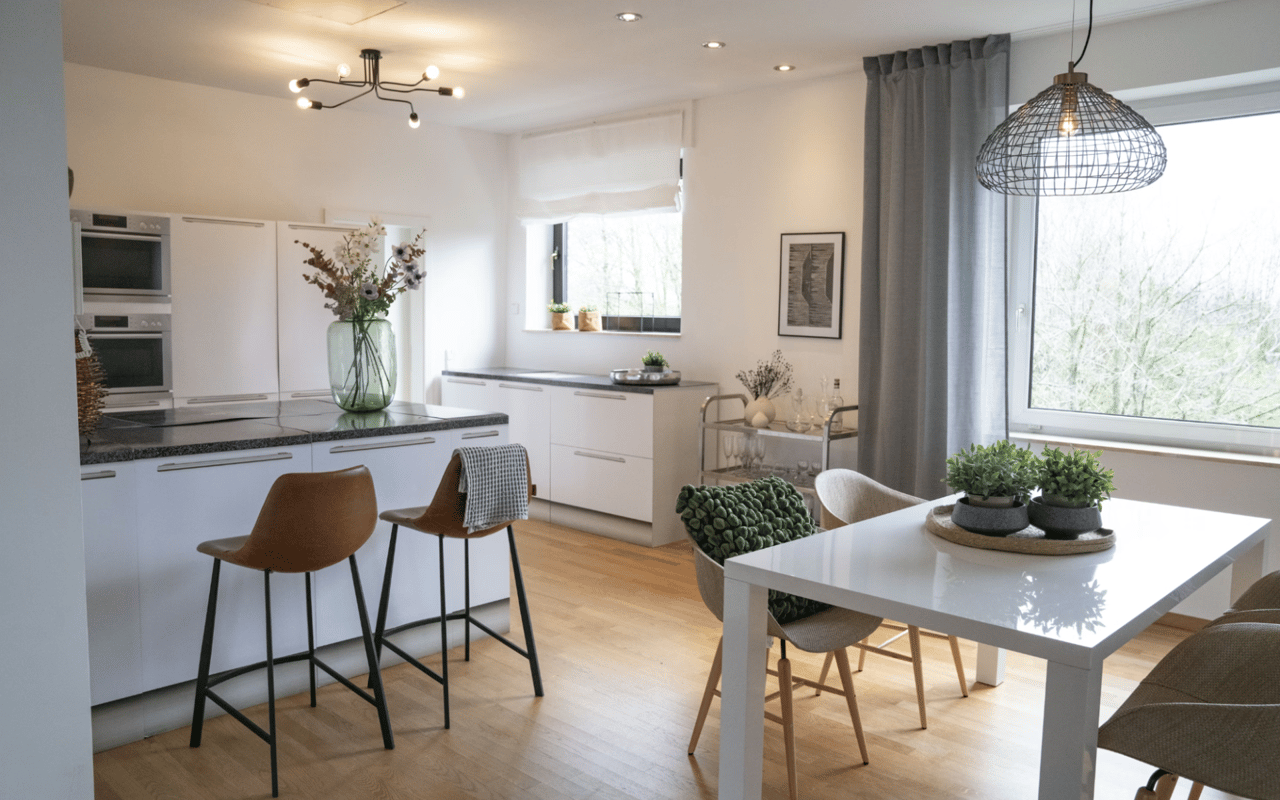
Color choices play a transformative role in space perception. Soft neutral wall tones such as crisp linen, warm beige, or pale sky blue reflect natural sunlight throughout room interiors. Applying a subtle satin or semi-gloss finish to cabinetry and trim further amplifies brightness. Placing oversized mirrors directly opposite windows reflects garden views and doubles natural light across the room.
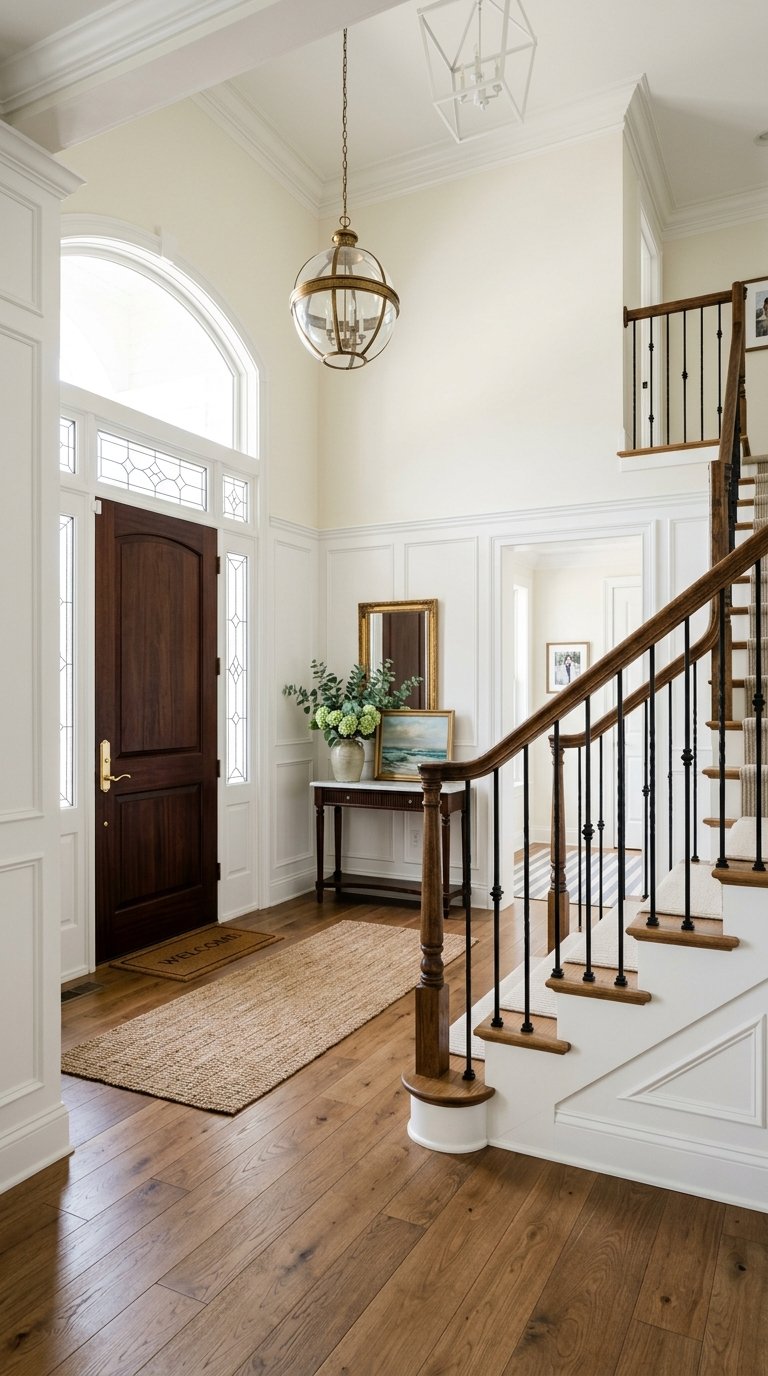
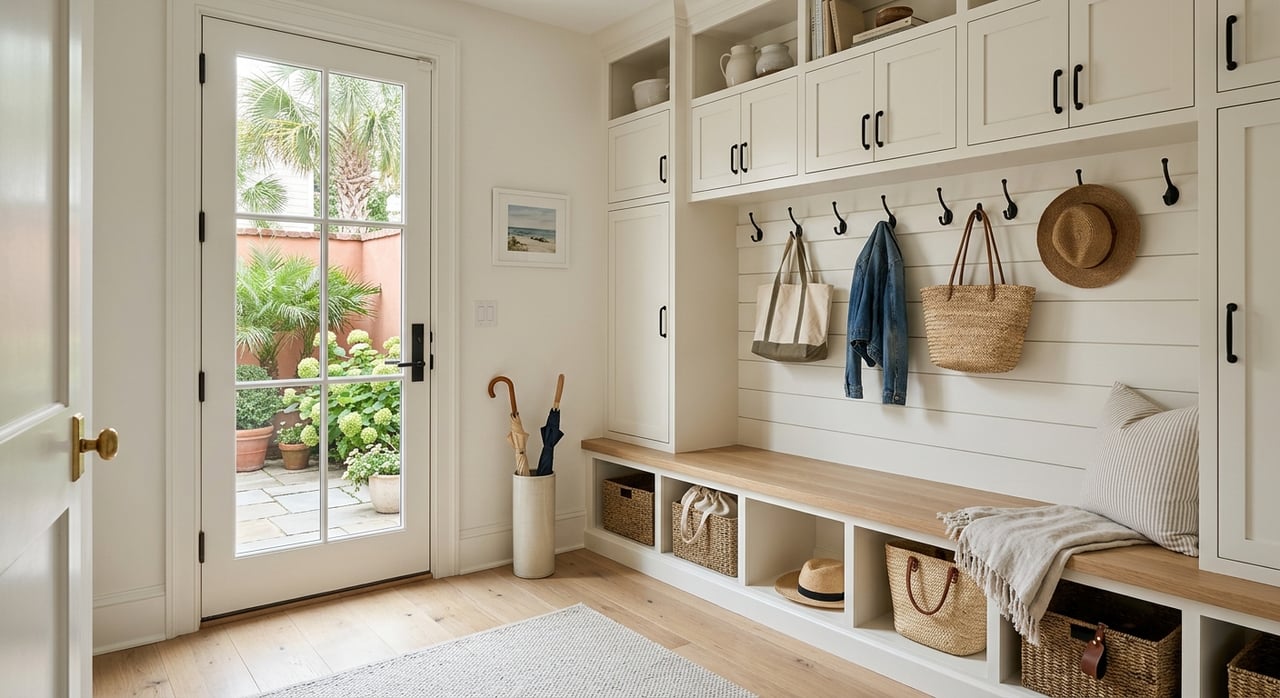
Exploiting vertical wall space is equally essential. In historic Charleston homes where ceilings frequently exceed 10 to 12 feet, extending bookshelves to the ceiling moulding and mounting sconces instead of bulky floor lamps draws the eye upward. This vertical emphasis highlights architectural volume while preserving valuable floor area.
Key Charleston Design Landmarks & Showrooms
- Charleston Historic District: Downtown King Street design showrooms, antique galleries, and fabric houses.
- Mount Pleasant Town Centre: 1218 Belk Dr, Mount Pleasant, SC 29464. Home decor & furnishings enclave.
- I'On Design District: Mathis Ferry Rd, Mount Pleasant, SC 29464. Neo-traditional Lowcountry architecture & interiors.
Floating Furniture Layouts, Glass Elements, and Curated Minimalism
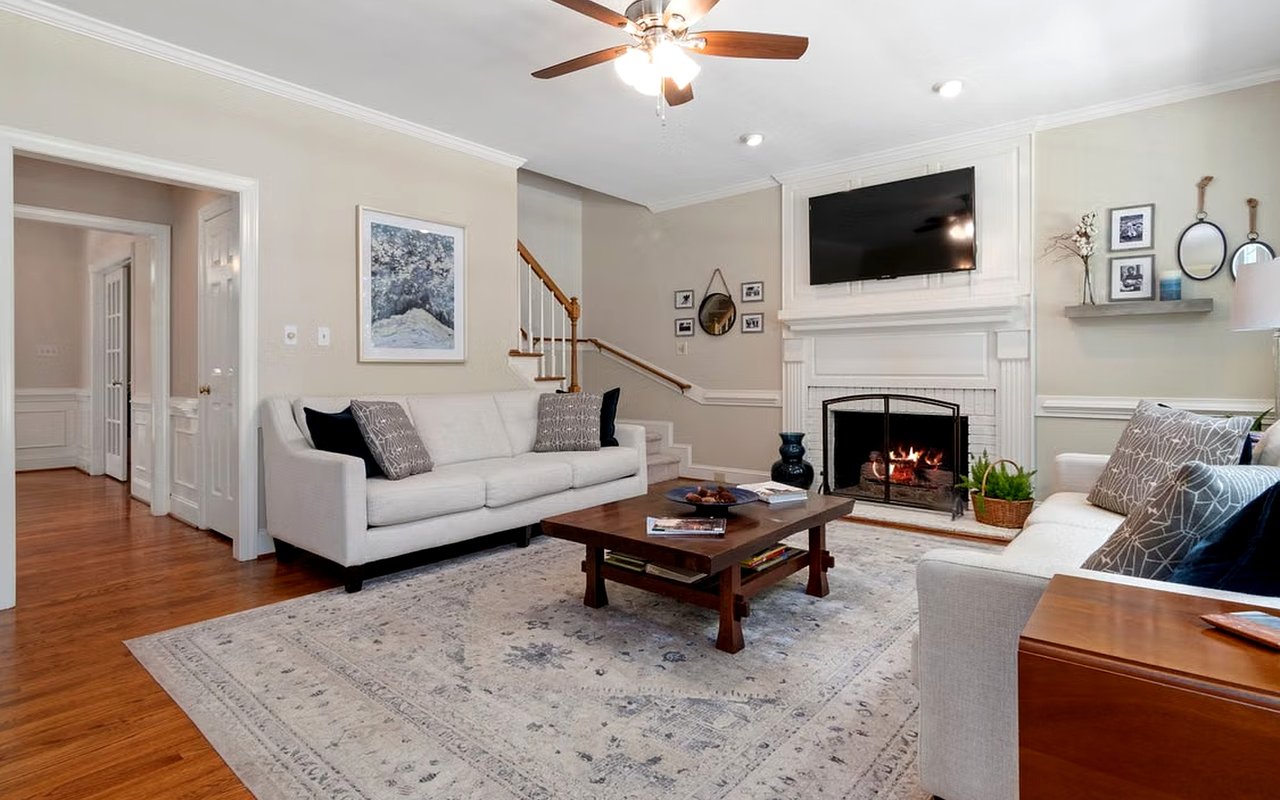
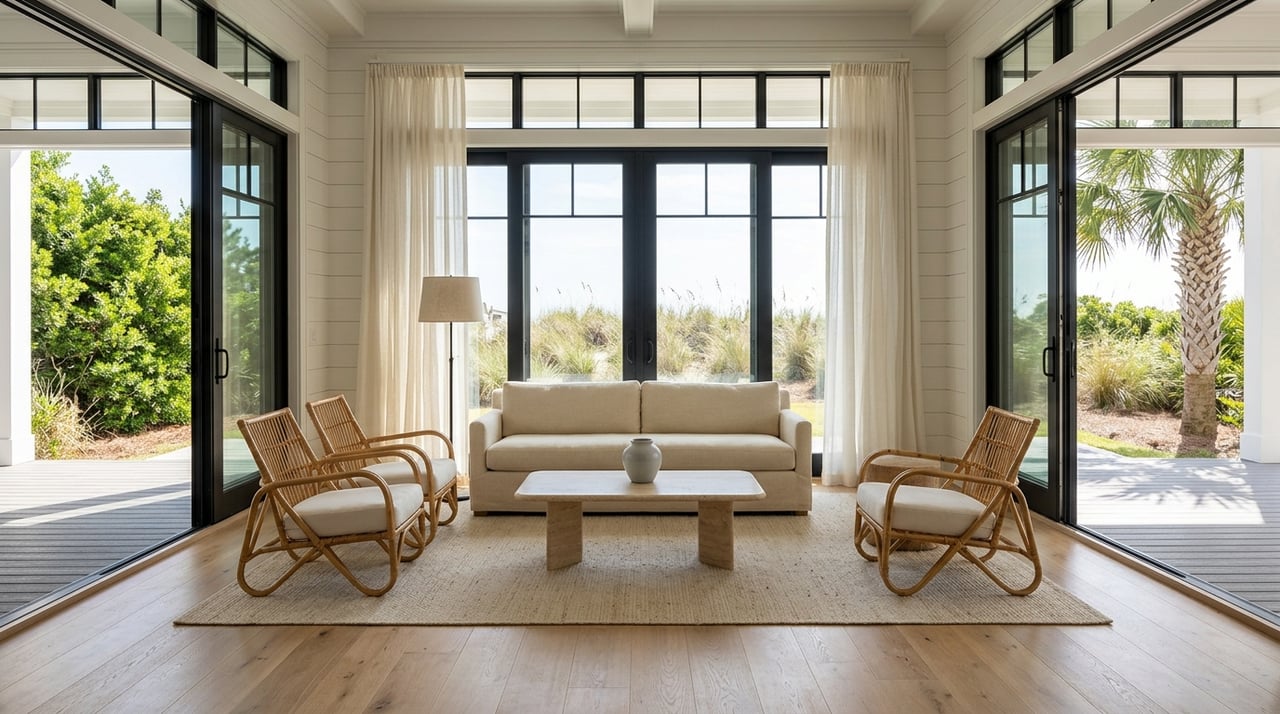
Contrary to common practice, pushing all furniture against perimeter walls does not make a room look larger. Floating sofas six to twelve inches off the wall creates natural traffic pathways and signals spatial abundance. Glass dining tables, acrylic chairs, and open-frame consoles visually disappear into the background, maintaining functional seating without visual clutter.
In open-concept Lowcountry homes, proportioned area rugs anchor living and dining zones without requiring physical divider walls. Adopting a curated minimalist approach-selecting a few high-quality statement pieces and layering natural textures like woven seagrass, linen, and polished wood-ensures small spaces feel serene, sophisticated, and open.
Whether preparing a historic home for market or decorating your newly acquired Charleston sanctuary, working with experienced real estate advisors ensures you maximize property value. Contact Katherine Cox + Co. for expert buying, selling, and staging guidance across Charleston, SC.
Common Inquiries
Frequently Asked Questions
What paint colors make small Charleston rooms feel larger?
Soft neutral shades like crisp white, warm beige, pale gray, and muted sky blue reflect natural light effectively, making small Charleston single house rooms feel brighter and more open.
How does floating furniture expand room perception?
Pulling sofas and armchairs 6 to 12 inches away from perimeter walls creates comfortable traffic pathways and visual breathing room, giving the impression of an expansive floor plan.
Why are glass and acrylic furniture effective in small spaces?
Transparent glass and lucite tables visually disappear into the room, reducing visual weight while providing complete functionality for dining and living areas.
How can I maximize storage in a historic Charleston single house?
Utilize full-height vertical built-ins, wall-mounted sconces, multi-functional ottomans with interior storage, and floating shelves to keep floor spaces clear of clutter.
How do I contact a Charleston home staging and real estate expert?
Contact Katherine Cox + Co., premier real estate advisors in Charleston, SC, for expert advice on home preparation, professional staging, and buying or selling properties.
Katherine Cox + Co. | Charleston SC Real Estate Advisory
Katherine Cox + Co. provides refined real estate advisory, bespoke home marketing, and expert buyer representation across Downtown Charleston, Mount Pleasant, Kiawah Island, and the Lowcountry.
Preparing your home for market or searching for a spacious Charleston property? Connect with Katherine Cox + Co. to schedule a private consultation.