If you want a Mount Pleasant neighborhood with history, mature trees, and a central location, Snee Farm is probably already on your radar. But like many established neighborhoods, it comes with real tradeoffs that can look very different depending on your budget, lifestyle, and tolerance for home updates. This guide will help you understand what Snee Farm offers, what to watch for, and how to decide if it fits the way you want to live. Let’s dive in.
What Snee Farm feels like
Snee Farm is one of Mount Pleasant’s more established neighborhoods, with roots tied to Snee Farm Plantation. The Town of Mount Pleasant notes that the plantation was listed as a National Historic Landmark in 1973, and the Charles Pinckney National Historic Site was established in 1988 to preserve part of the former property and interpret its history.
The neighborhood itself was annexed into the Town of Mount Pleasant in 1970 as the town expanded. Today, Snee Farm is known less as a new master-planned community and more as a mature neighborhood with a distinct identity, varied housing, and a location that keeps you close to everyday conveniences.
Why buyers look at Snee Farm
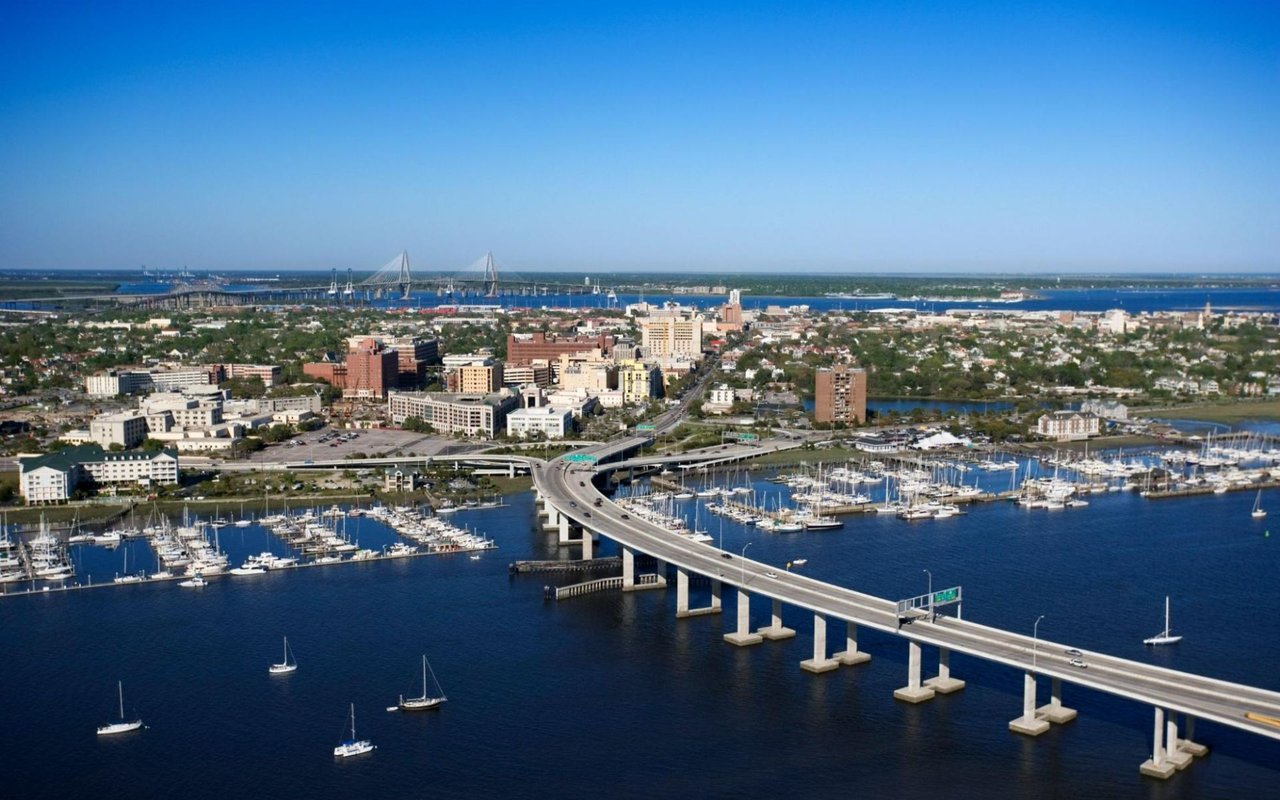
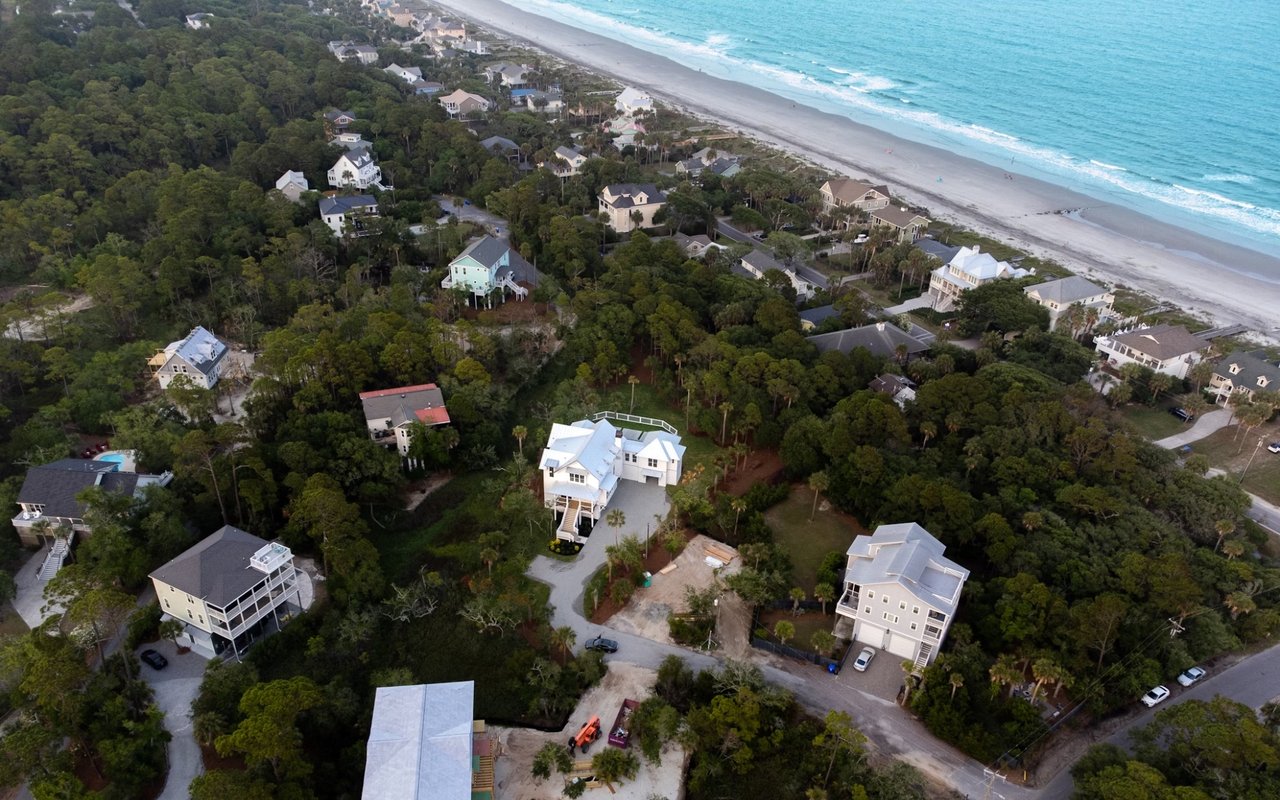
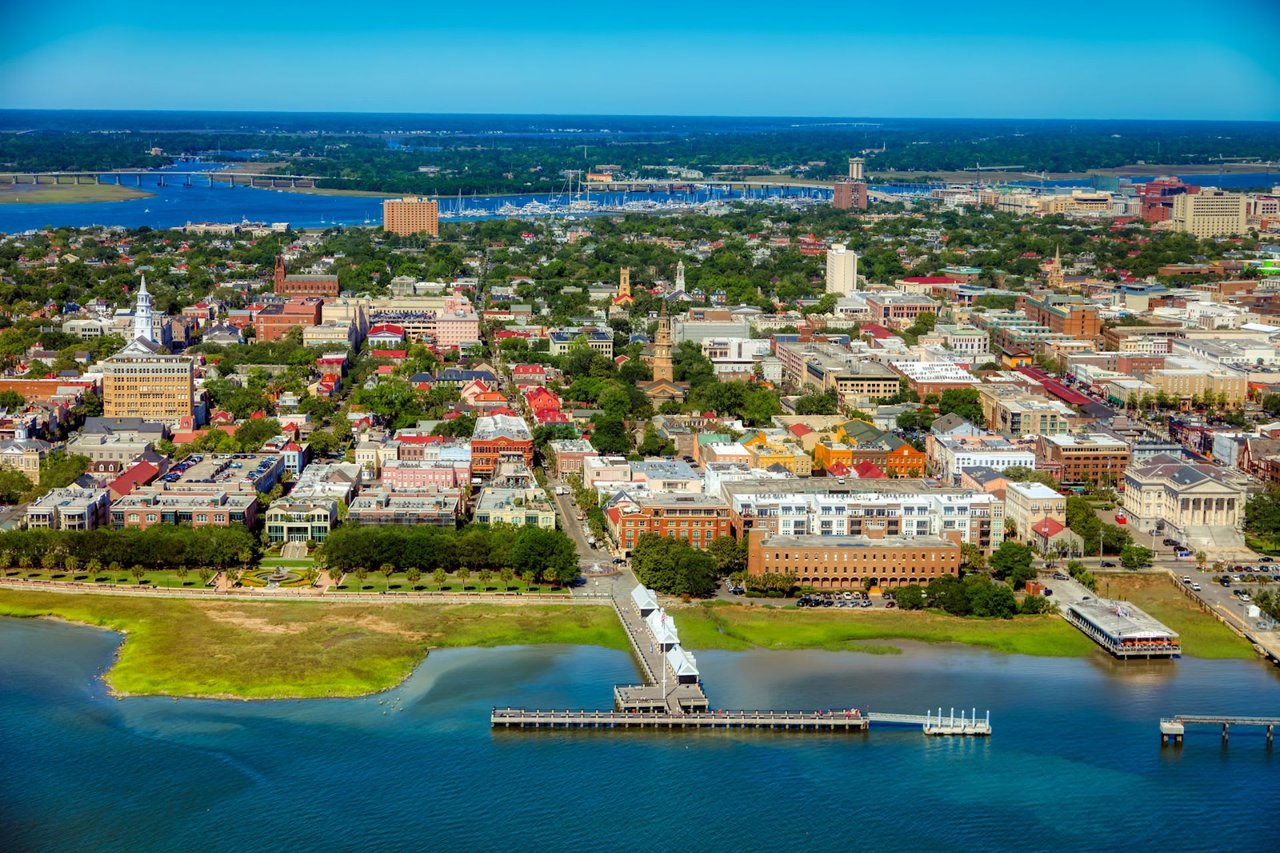
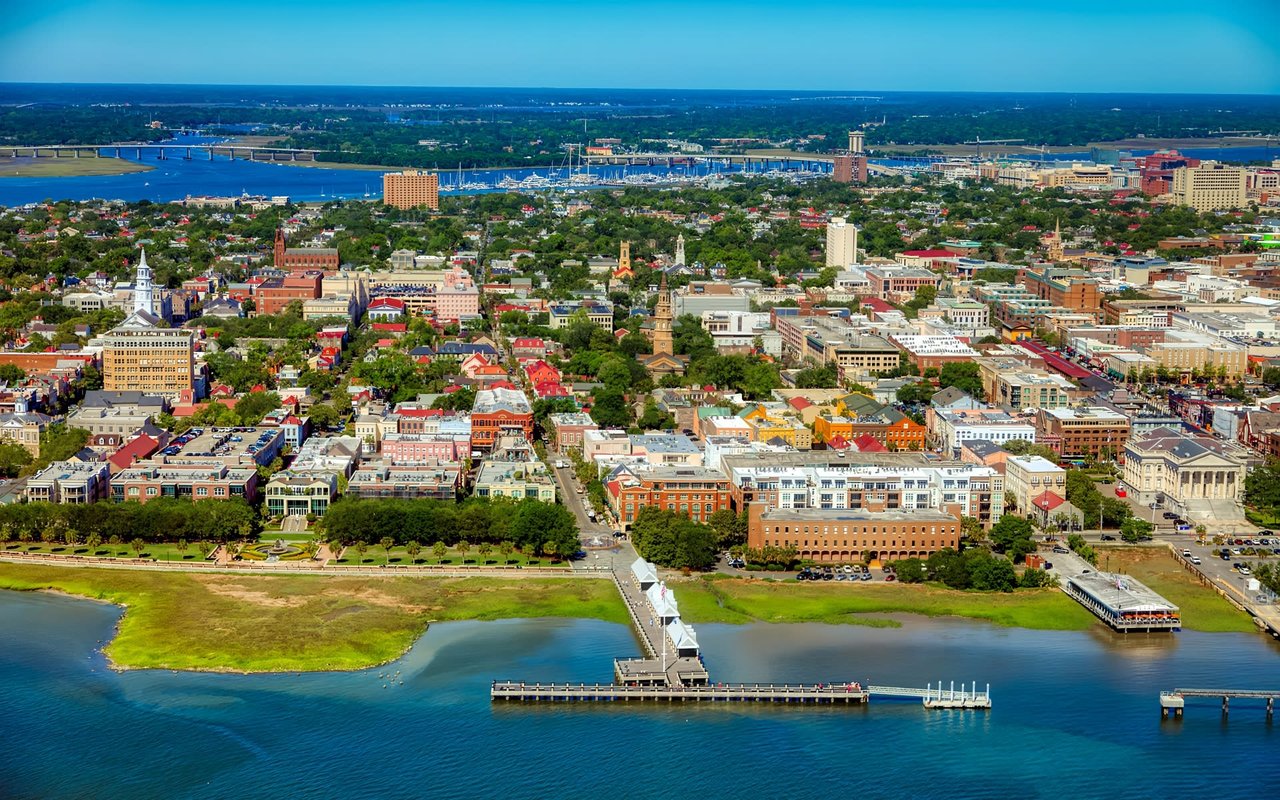
For many buyers, the biggest draw is simple: location. Public neighborhood guides place Snee Farm in a central Mount Pleasant corridor between U.S. 17 and I-526, with convenient access to downtown Charleston and Isle of Palms.
That central position shapes daily life in a practical way. Current listings often highlight being minutes from Towne Centre, grocery options, and the beach, which reinforces Snee Farm’s reputation as a neighborhood where convenience matters just as much as amenities.
Snee Farm Country Club's role
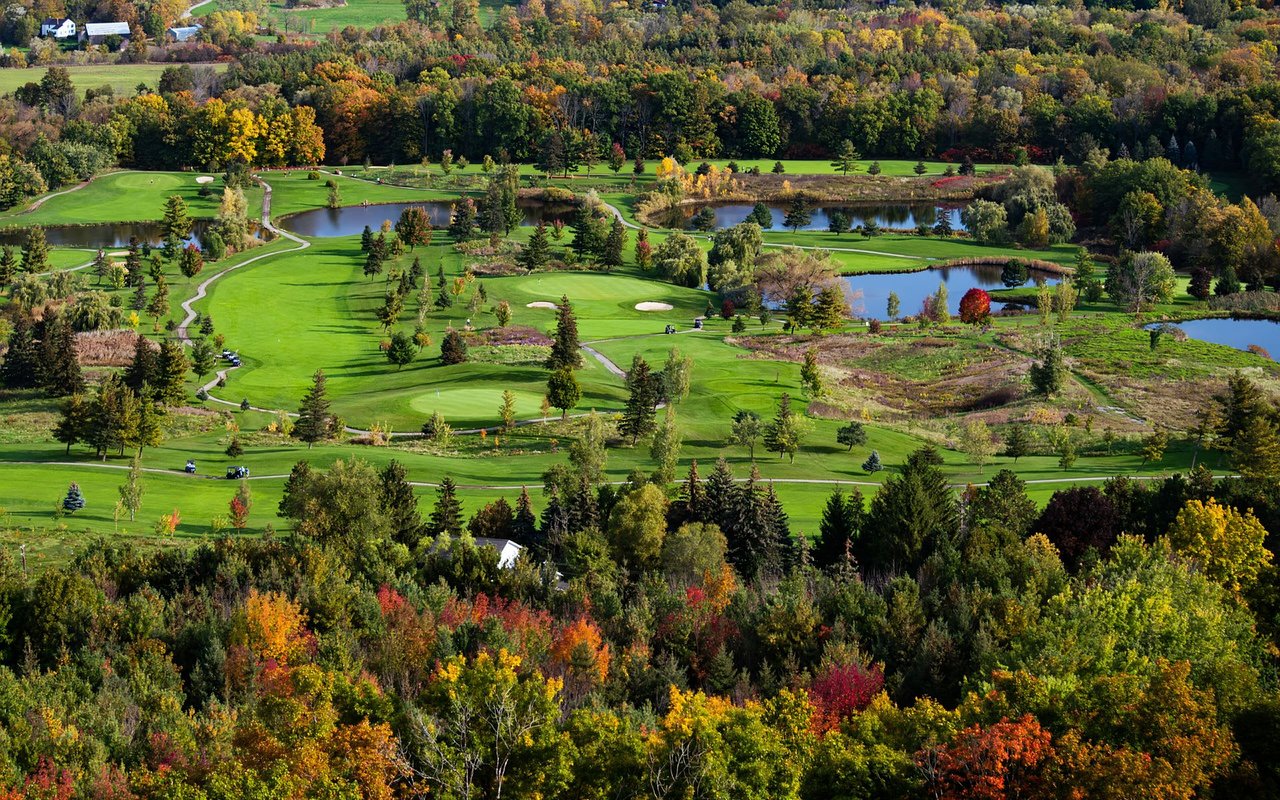
Snee Farm Country Club is a major part of the neighborhood’s identity. The private club includes a George Cobb-designed championship golf course, a renovated clubhouse, restaurant and bar, fitness room, 18 tennis courts, two renovated pools, and regular social events.
That does not mean every buyer is moving here for golf. But if you like the idea of a neighborhood with an active club setting and social energy, this can be a meaningful part of Snee Farm’s appeal.
Homes and architecture in Snee Farm
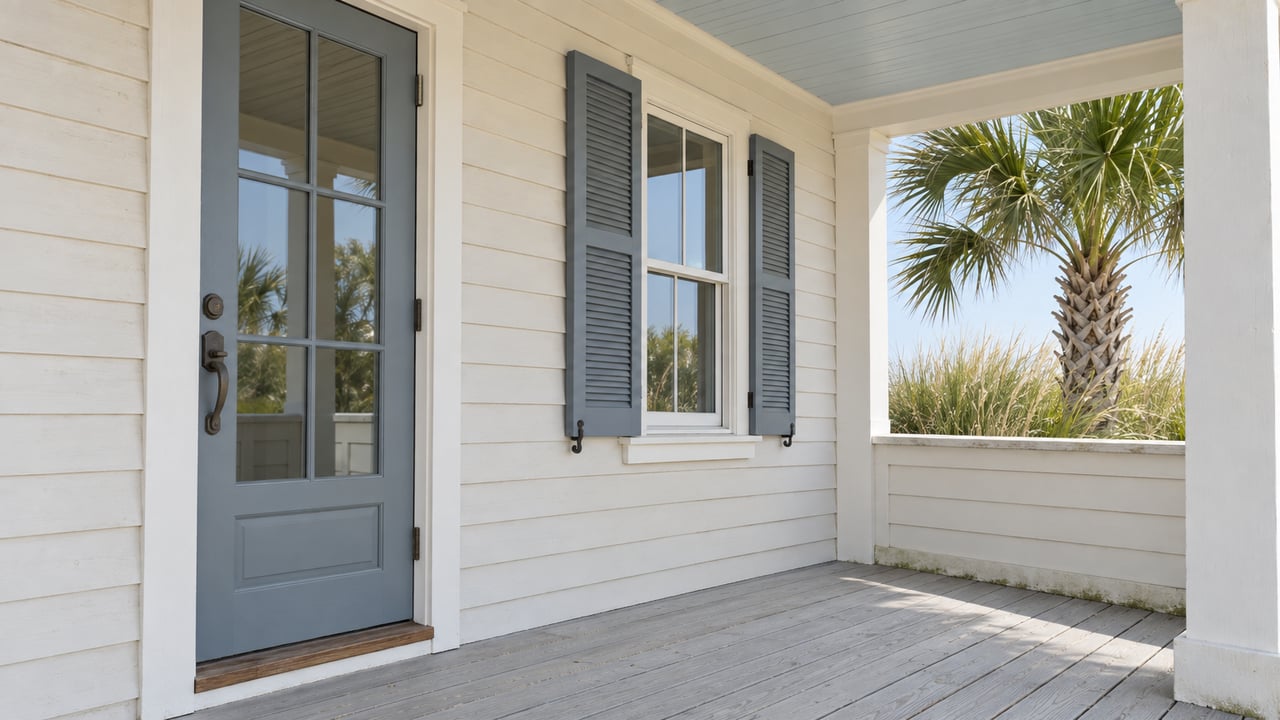
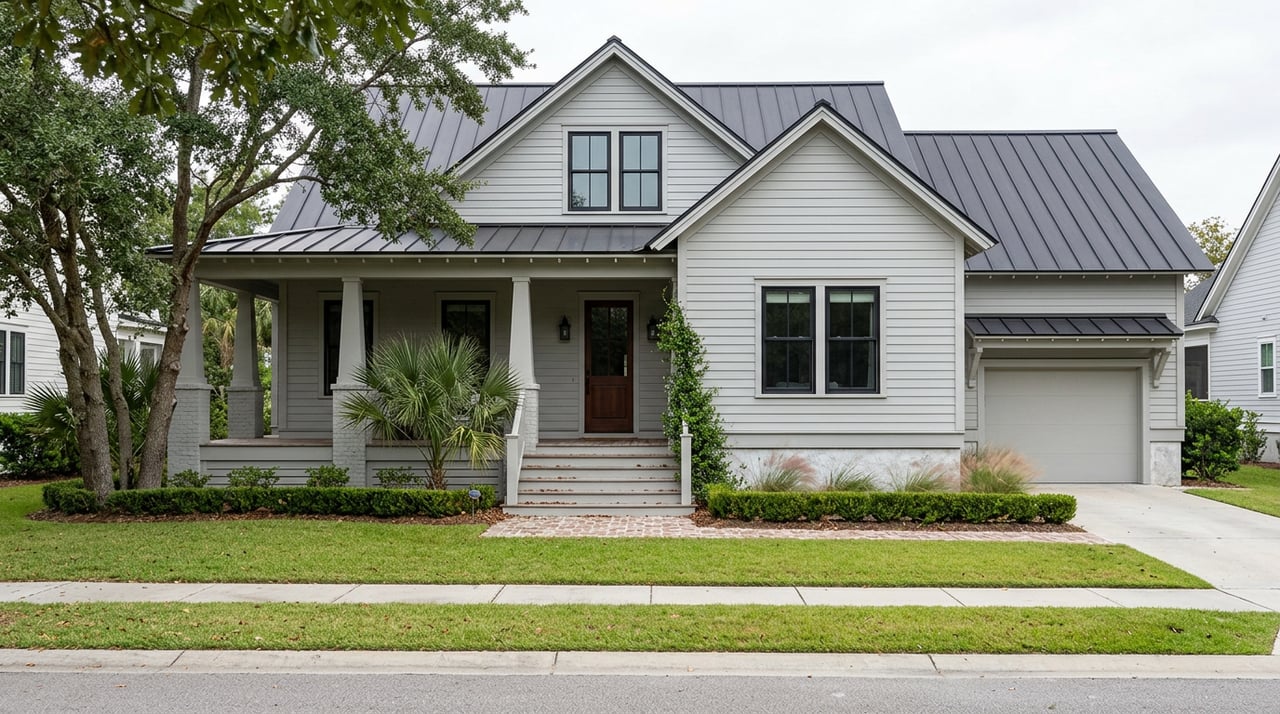
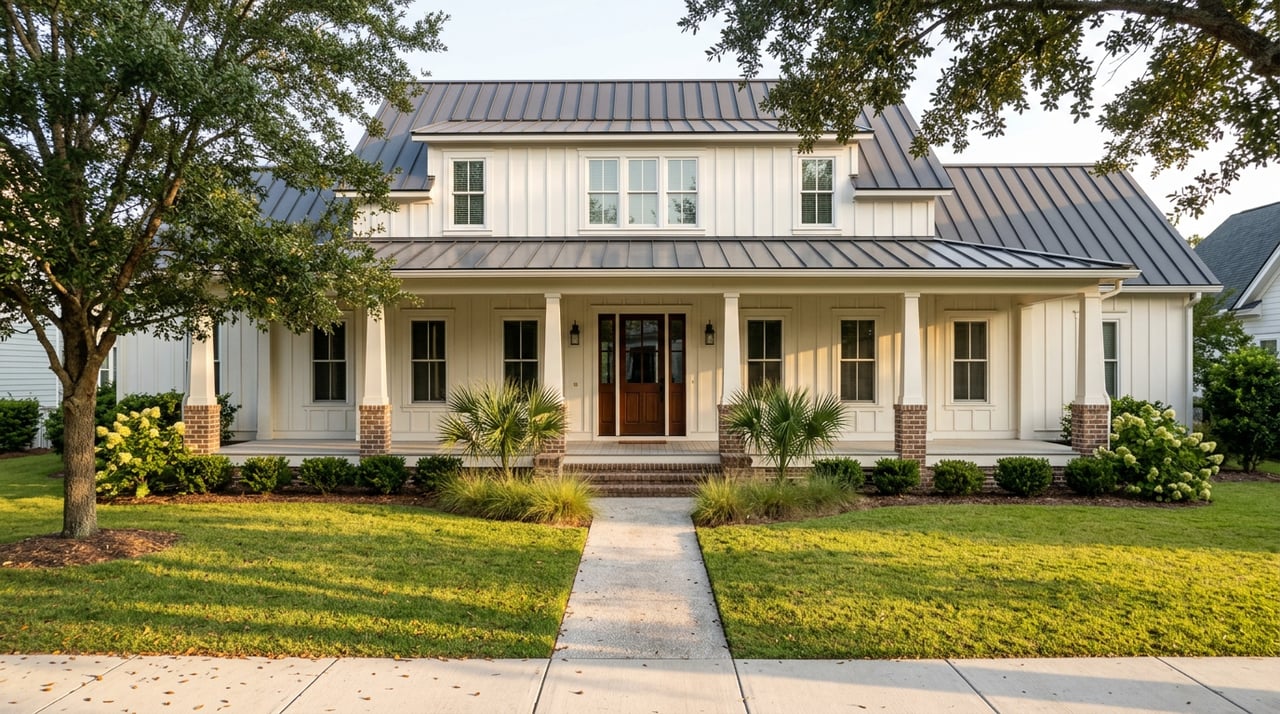
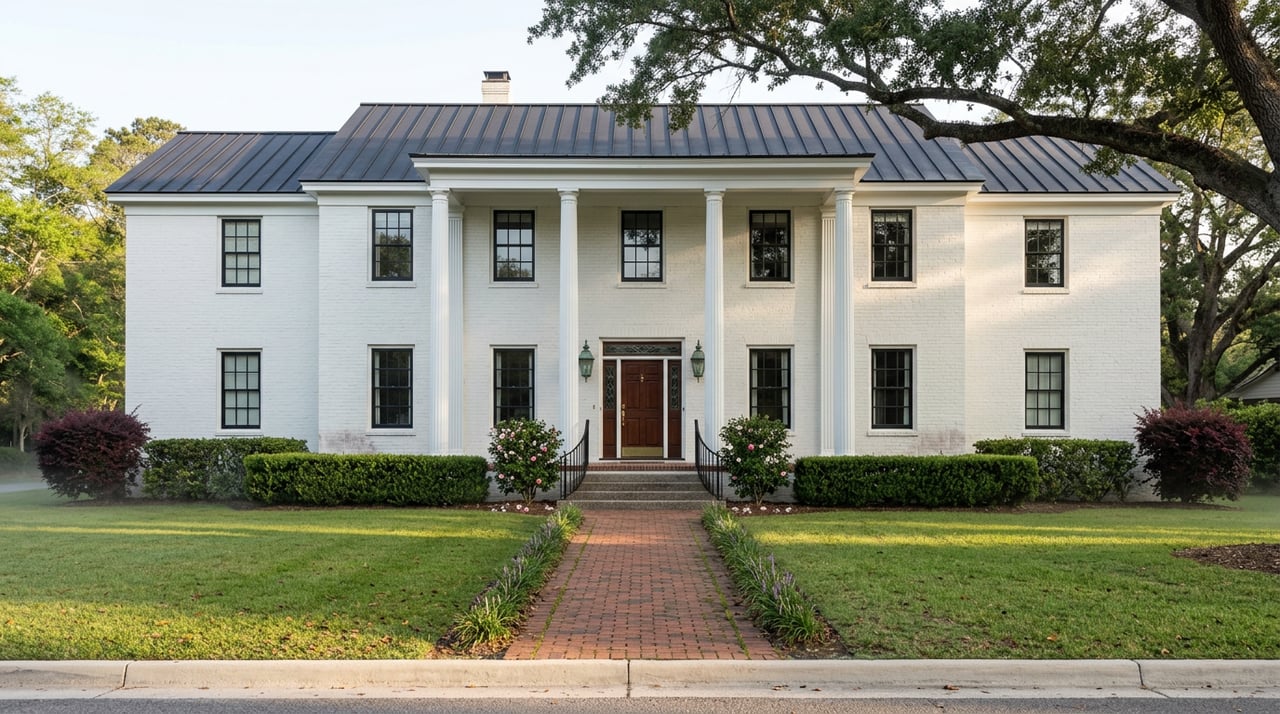
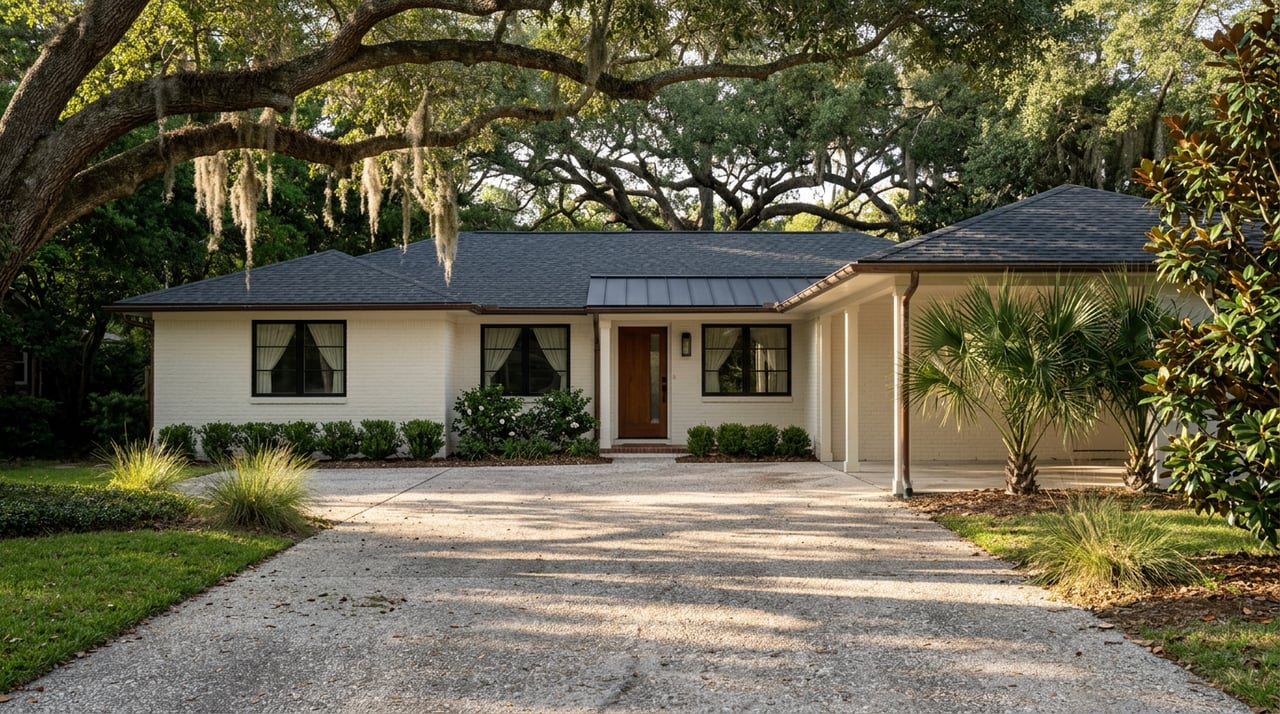
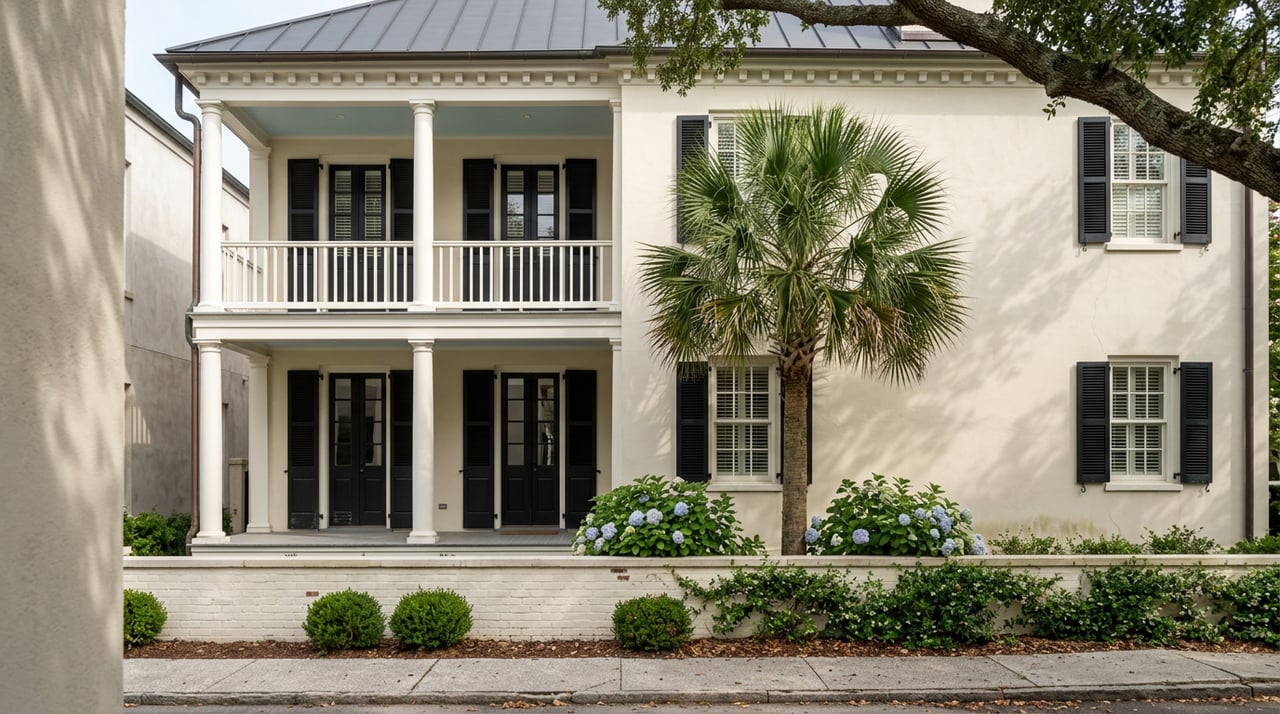
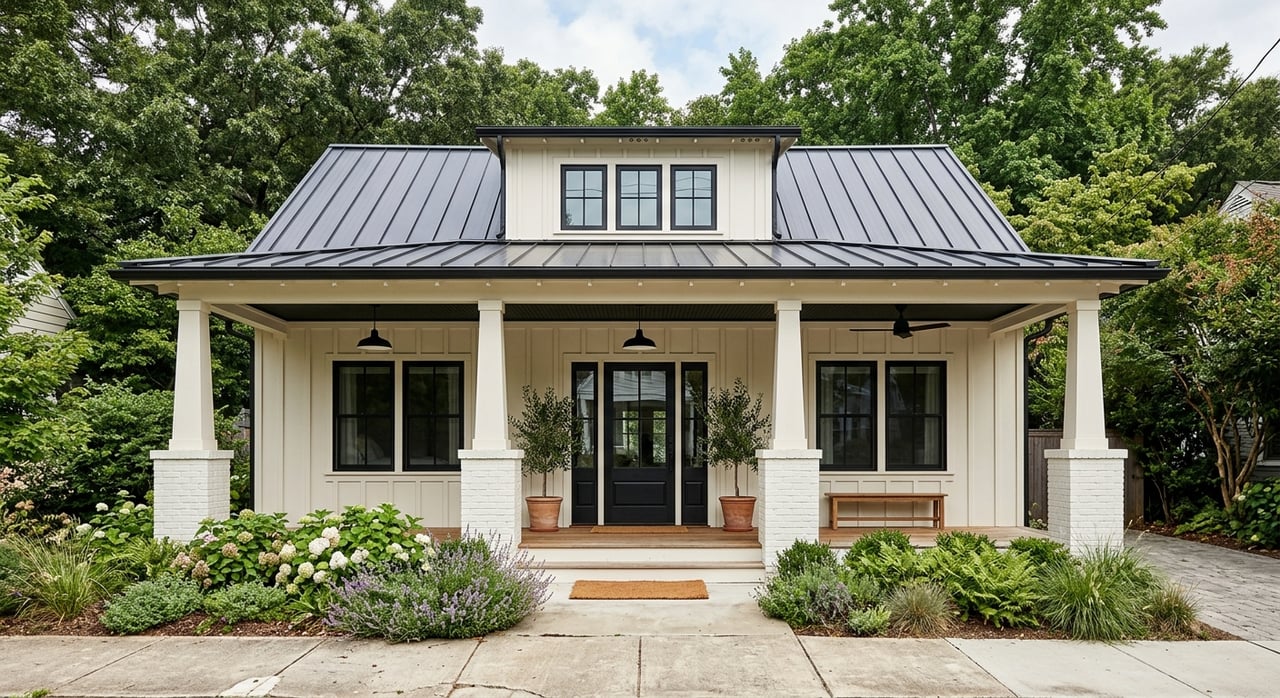
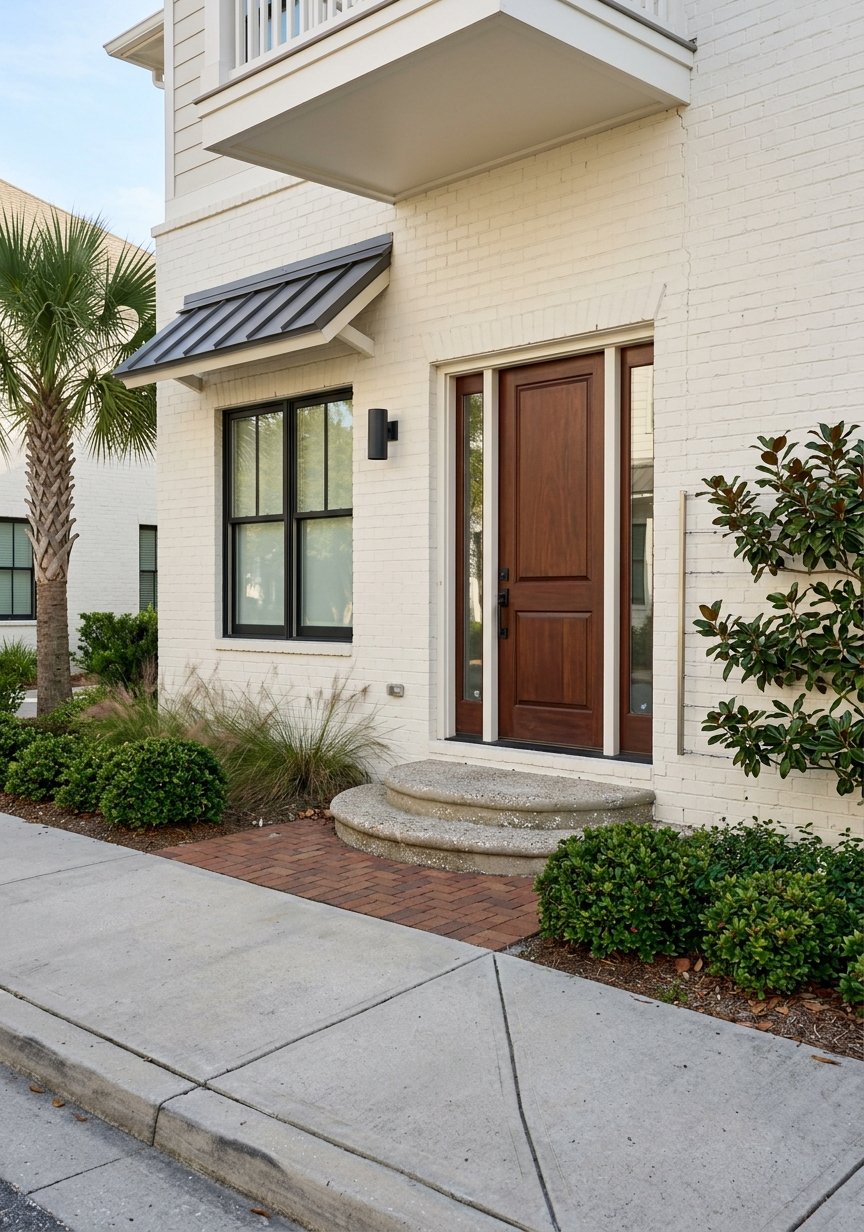
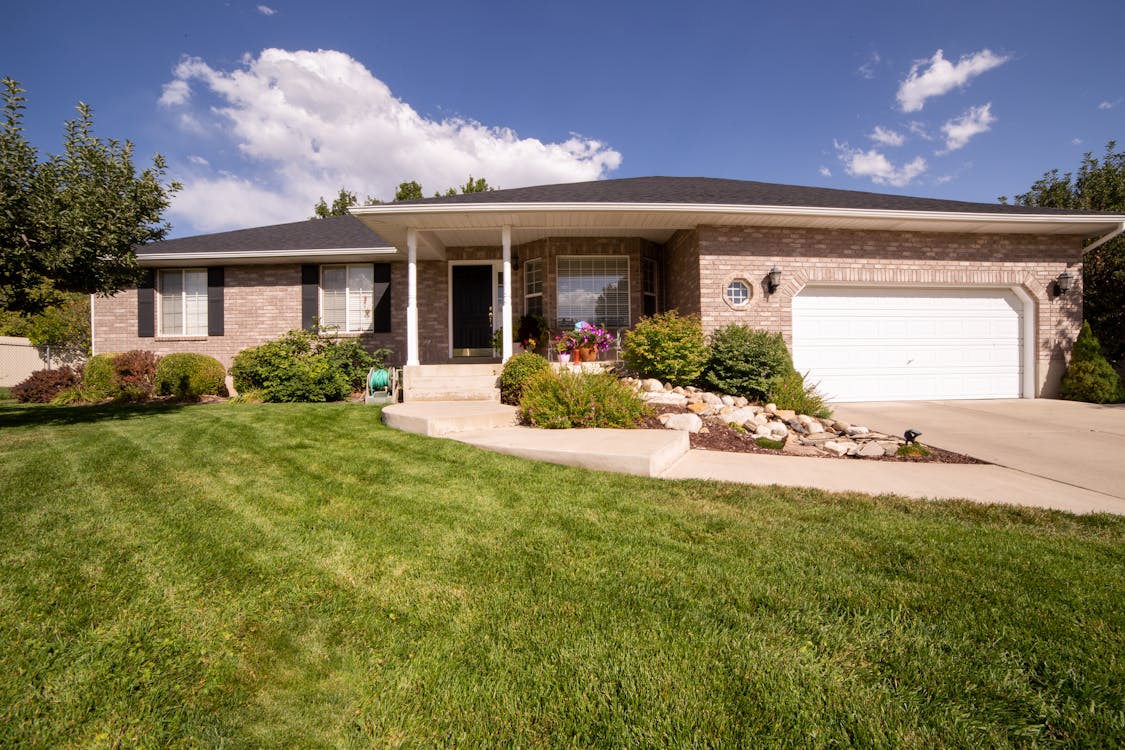
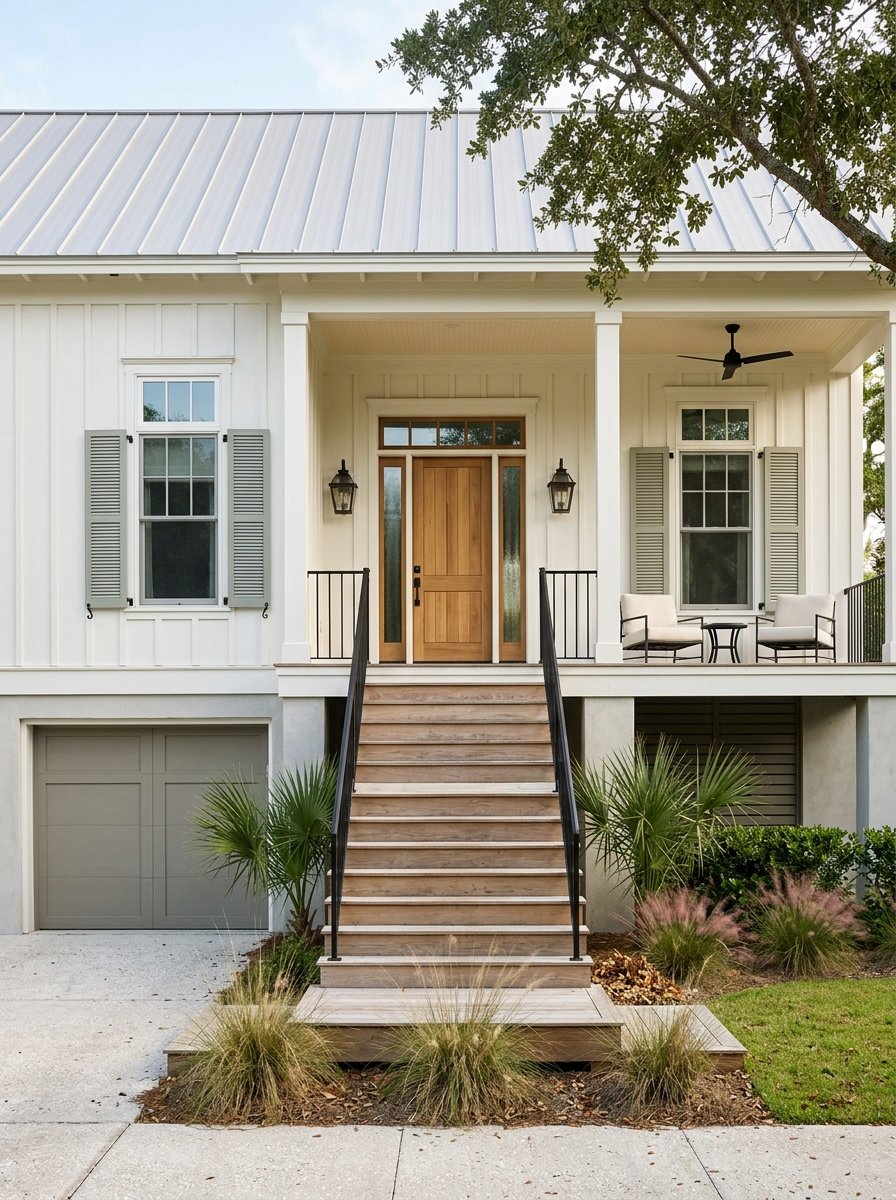
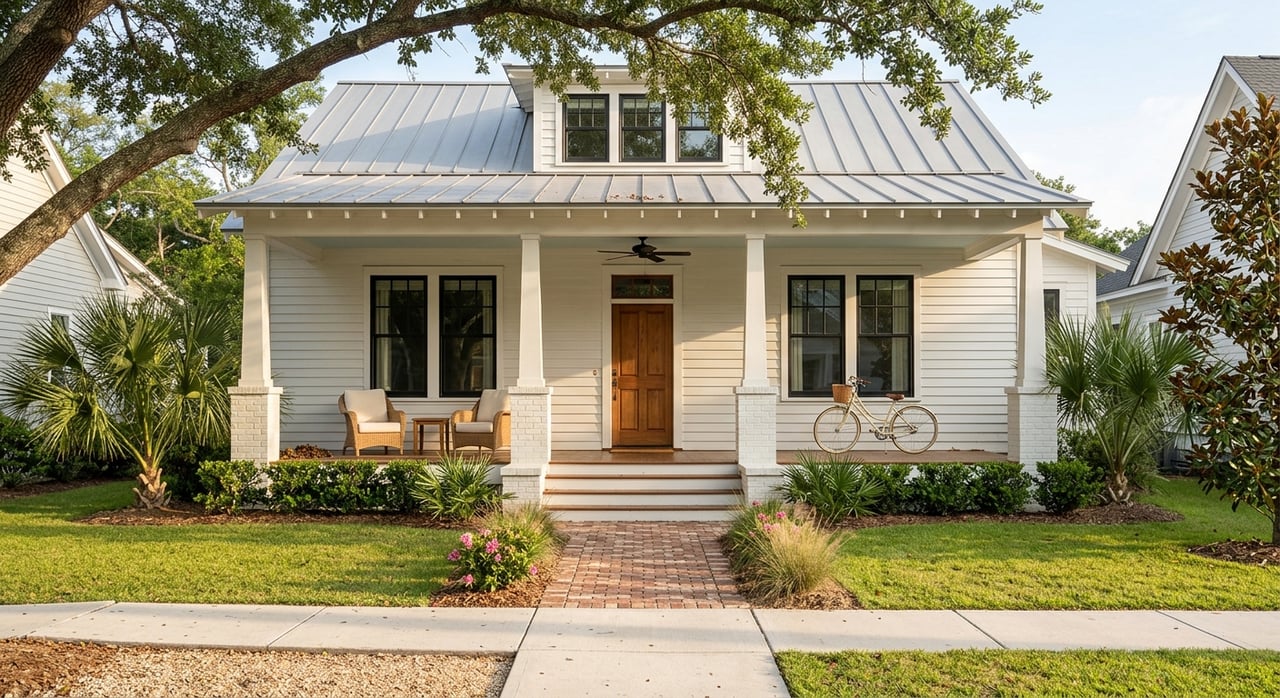
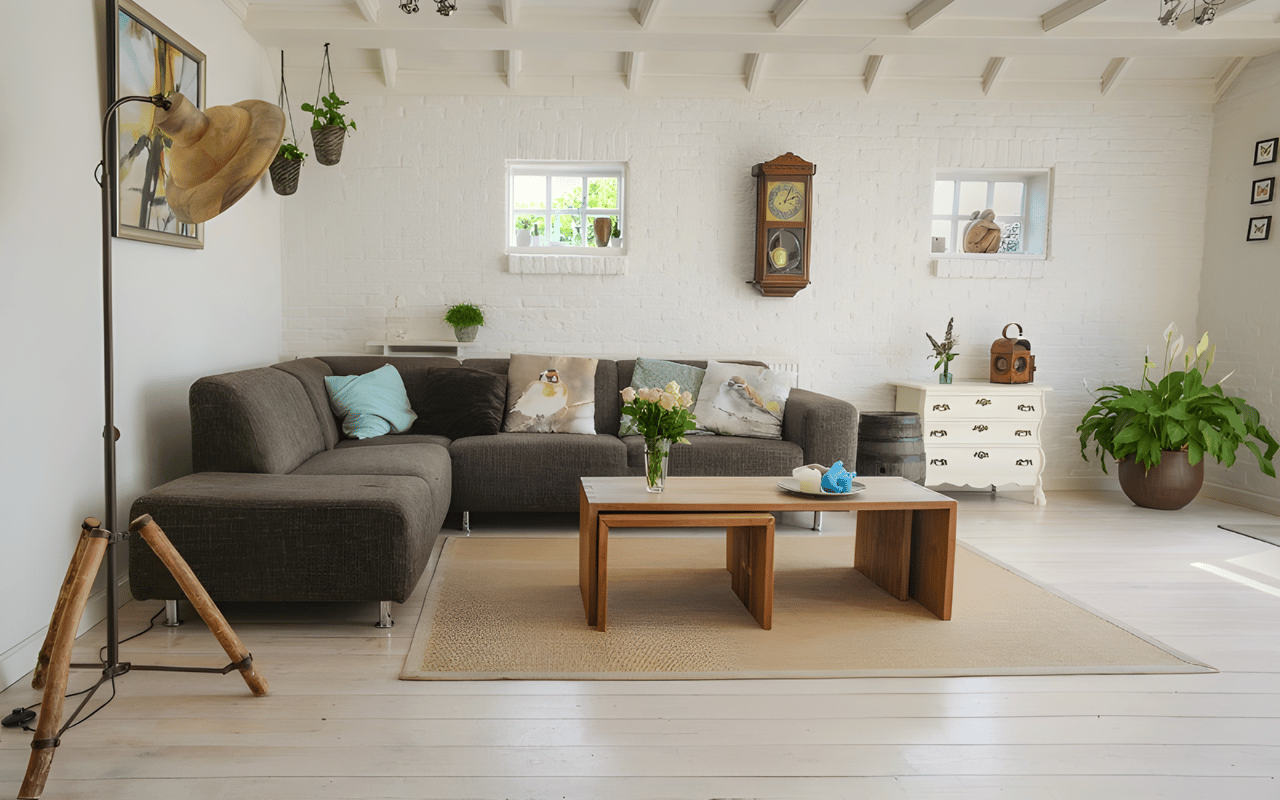
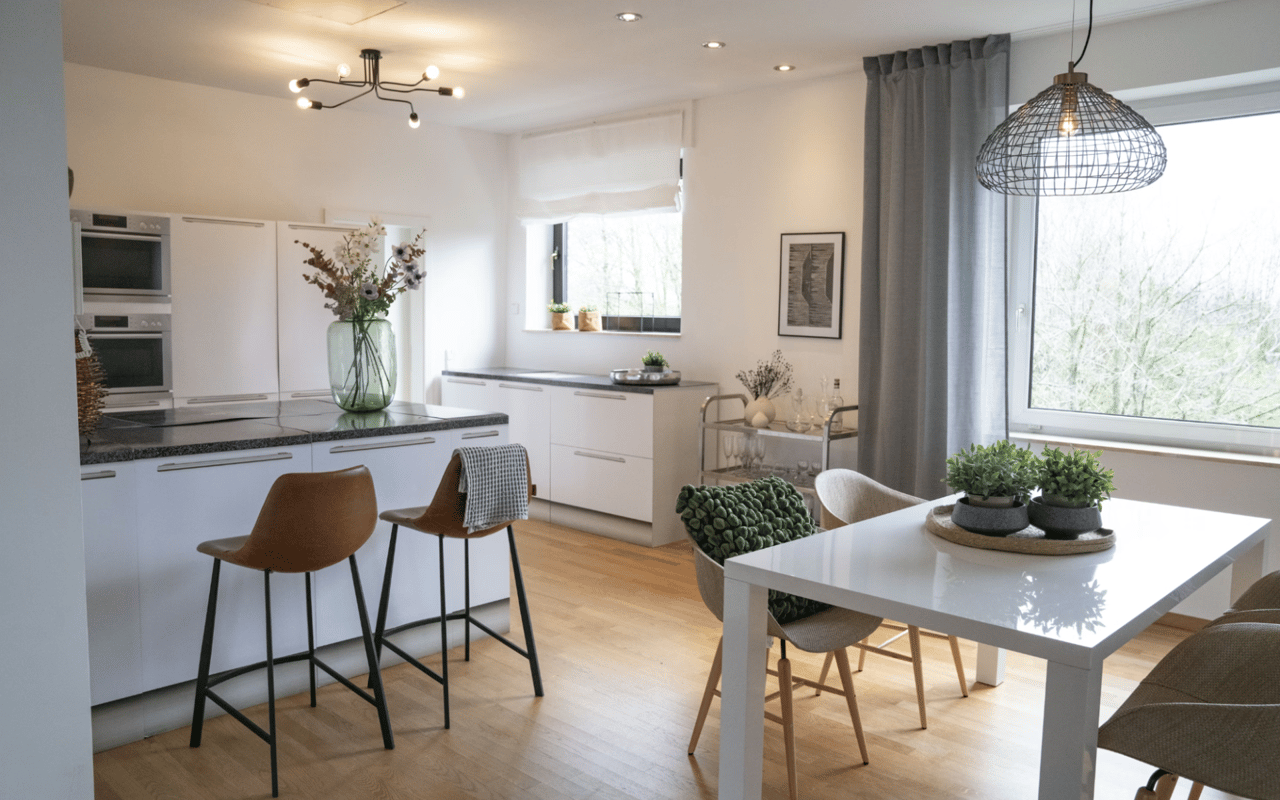
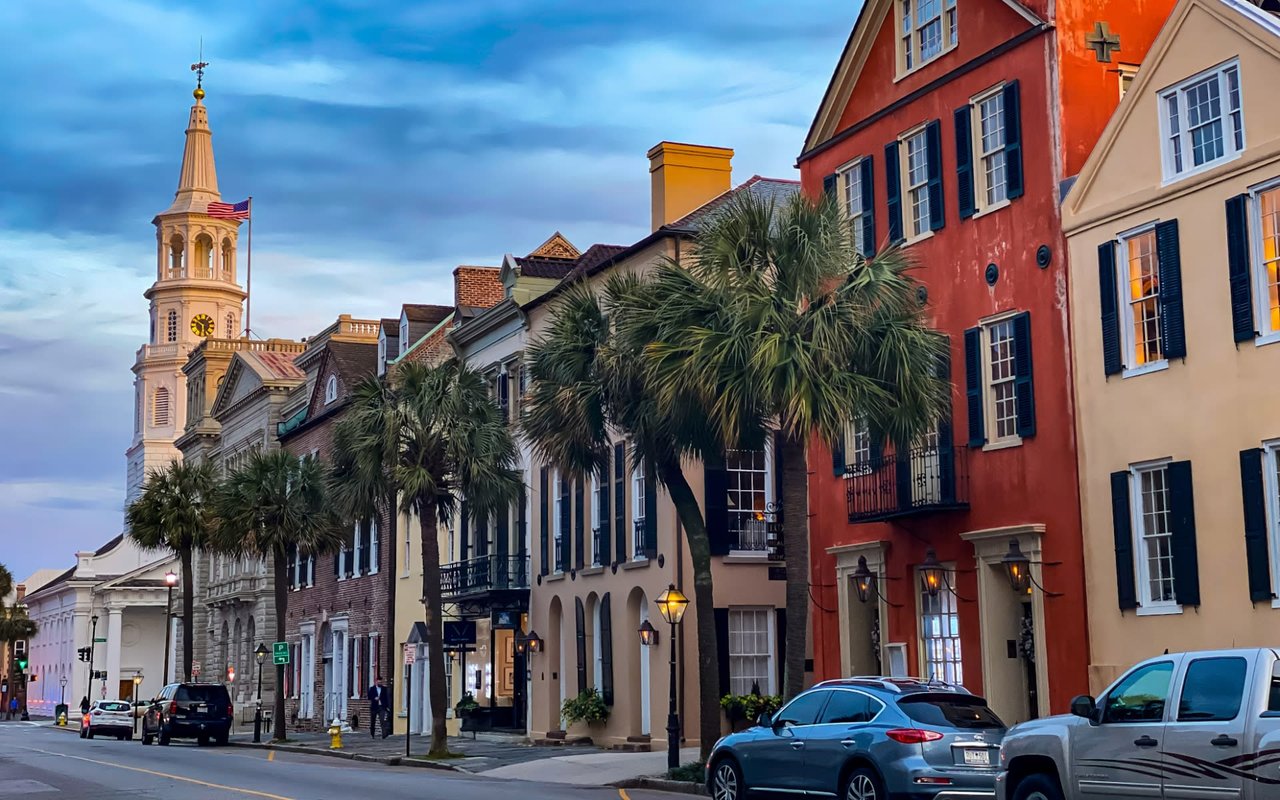
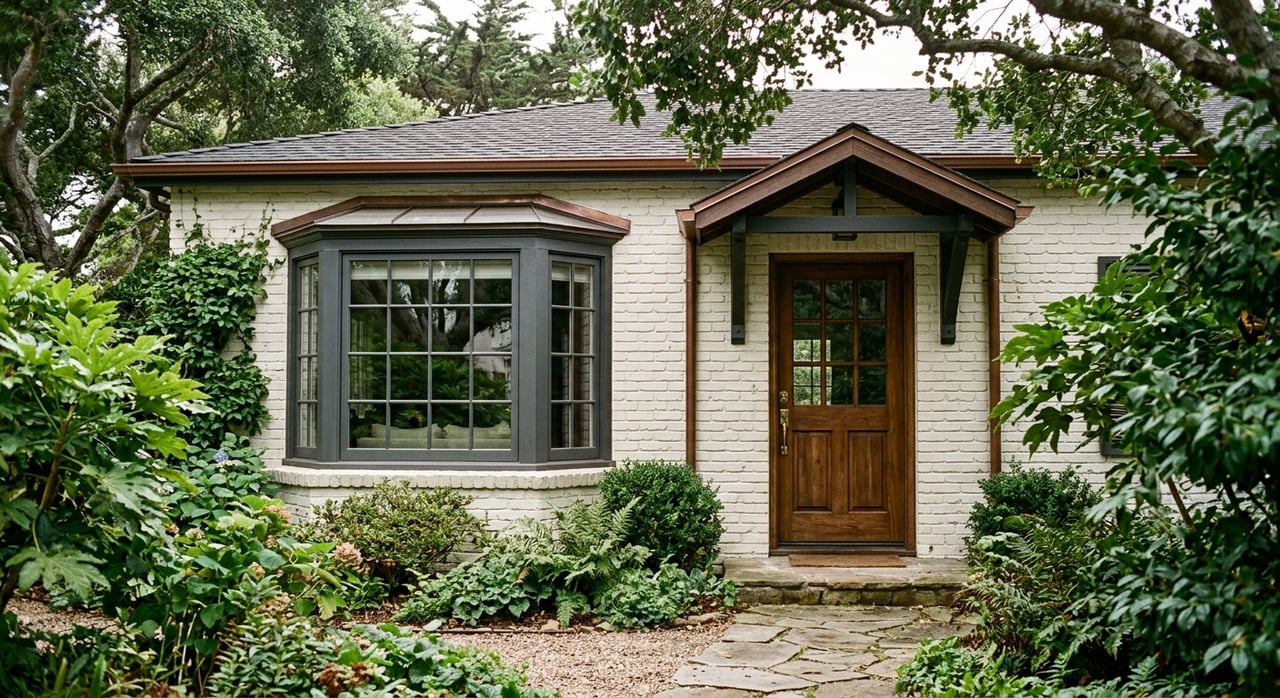
One reason Snee Farm attracts a wide range of buyers is that it is not a one-style neighborhood. Homes.com describes the housing mix as mid-century ranch homes, contemporary New Traditional homes, 1980s-era townhouses, coastal cottages, and classic Southern designs.
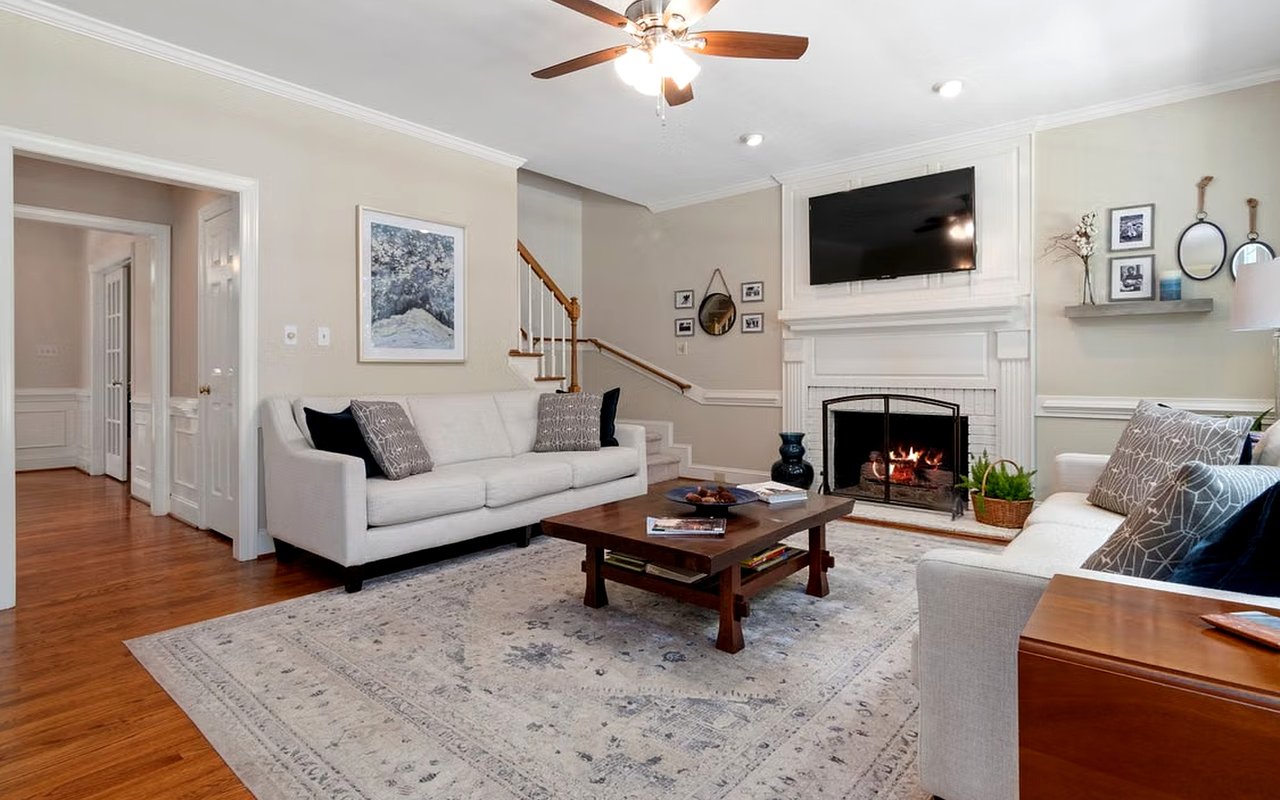
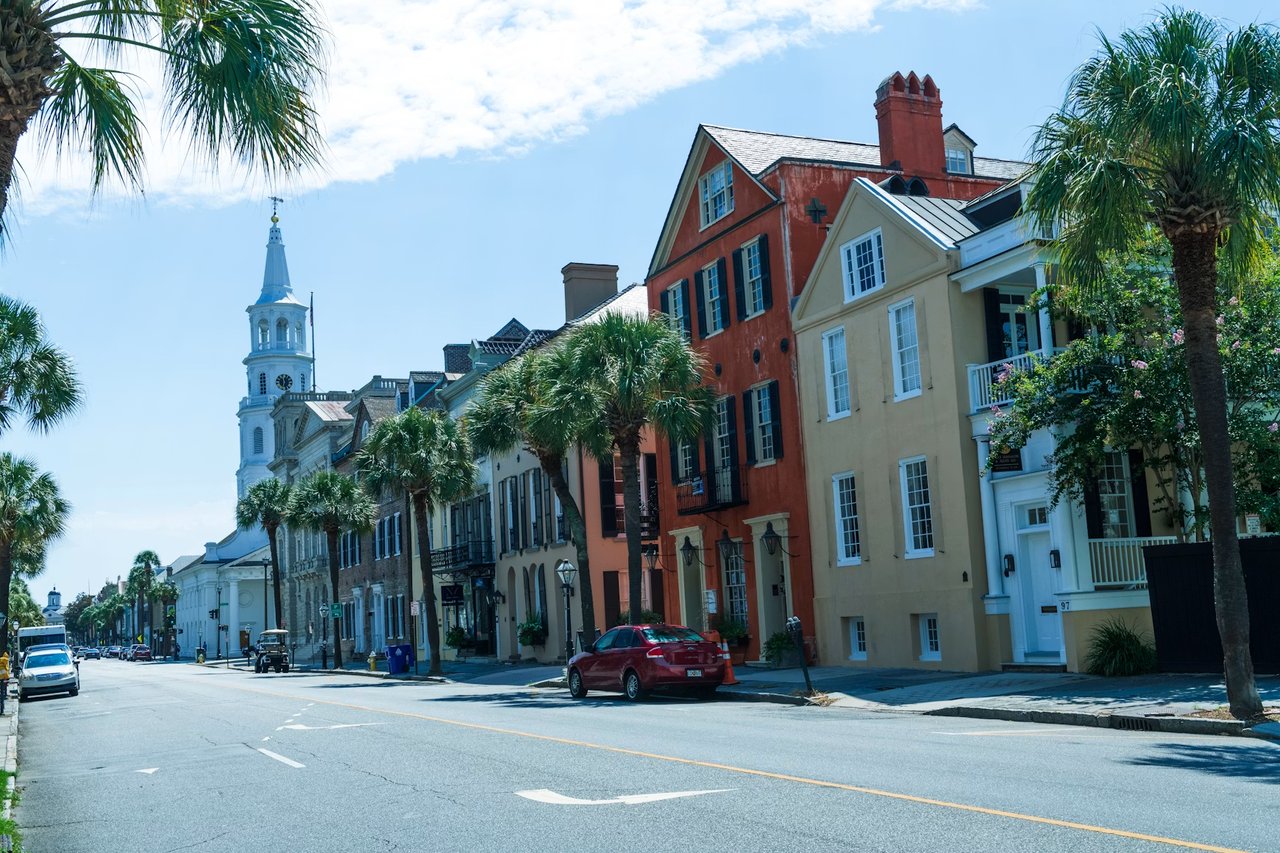
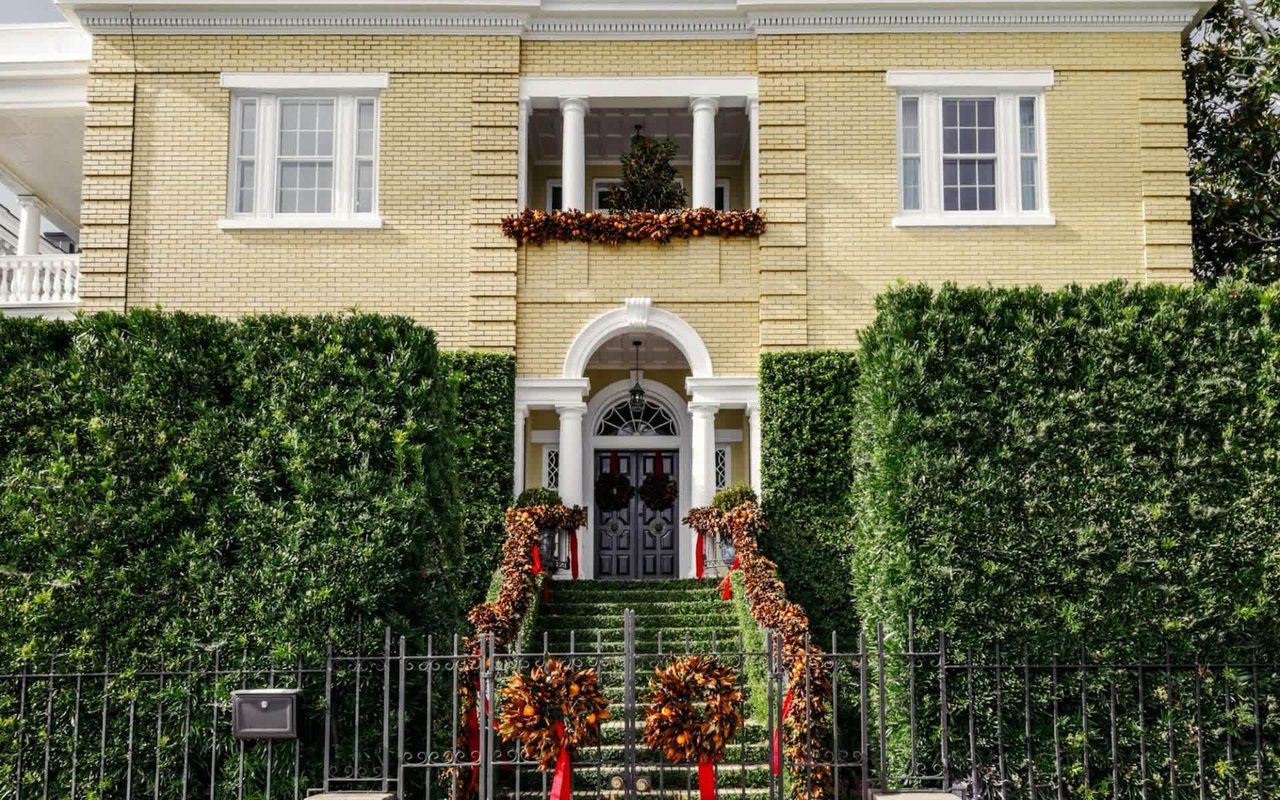
You will also see a broad mix in current listings, including townhomes, condos, renovated ranches, Charleston-style homes, and larger golf-course properties. That variety can be a real advantage if you want options beyond what you might find in a more uniform newer development.
What price range to expect
Snee Farm is not a one-price-point neighborhood. Homes.com reports about 1,330 homes, a median year built of 1982, and a median sale price of $800,000.
Recent market trackers show a similar but not identical picture. Realtor.com’s April 2026 snapshot showed a median listing price of $718,000 and a median sold price of $849,999, while Redfin’s three-month snapshot through May 2026 showed a median sale price of $849,714 and a median sale price per square foot of $439.
The practical takeaway is that your options can vary a lot. Public listing examples show attached homes and smaller units in the low-to-mid $400,000s, renovated ranch-style homes around the mid-$900,000s, and larger golf-course or estate homes above $1 million, with some examples over $3 million.
Who Snee Farm fits best
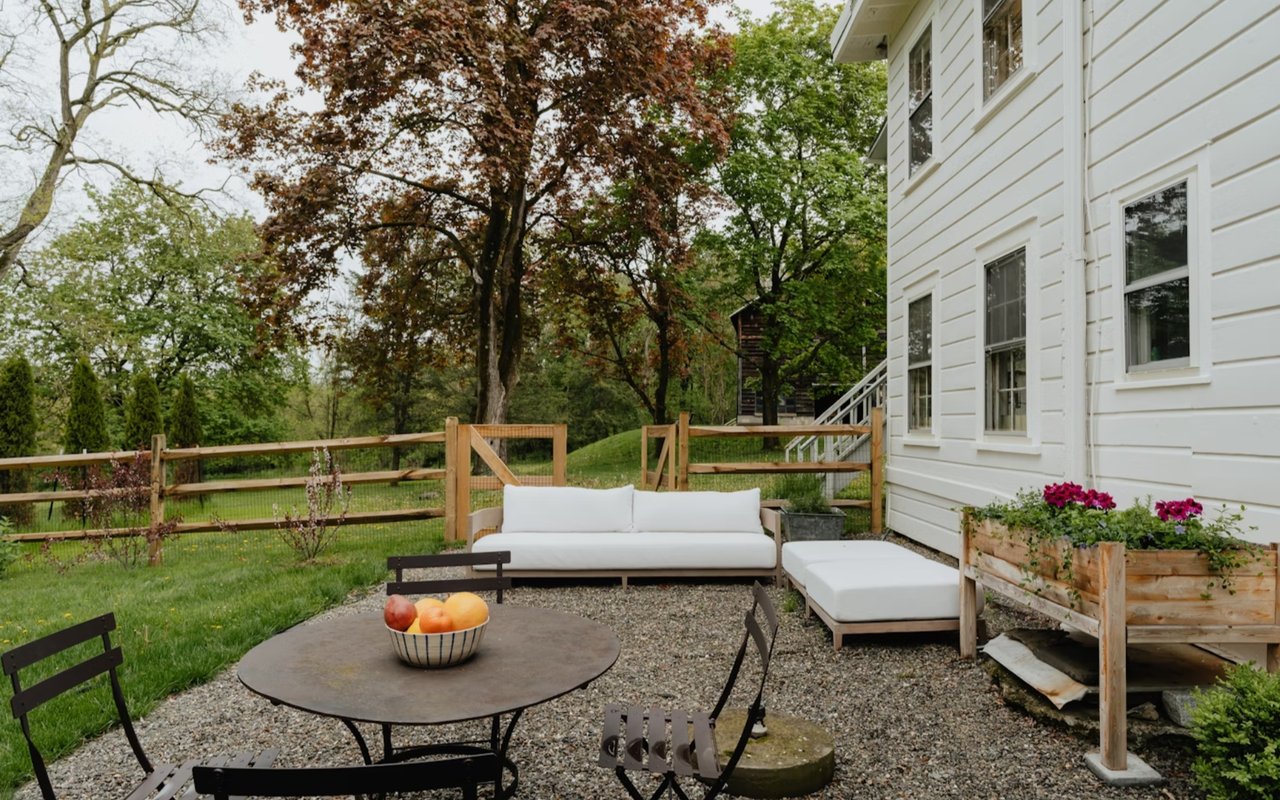
Snee Farm tends to appeal to buyers who want an established Mount Pleasant neighborhood with mature landscaping, central access, and a more lived-in feel than a brand-new subdivision. If you value character, larger trees, and a location that keeps you connected to downtown Charleston and the beaches, that combination can be very compelling.
It can also work well if you like having a range of home types and budgets within the same neighborhood. That flexibility makes Snee Farm worth considering for buyers looking at everything from smaller attached properties to larger move-up homes.
When Snee Farm may not fit
Not every buyer wants what an older neighborhood offers. If you want brand-new construction, a highly uniform streetscape, or a more predictable low-maintenance setup, a newer master-planned neighborhood may feel more aligned.
That does not make Snee Farm a worse option. It just means the neighborhood tends to reward buyers who appreciate character and location enough to accept that many homes may need selective updating or more careful due diligence.
The value-for-location tradeoff
A big part of Snee Farm’s appeal is what you get for the location. Compared with some newer developments, the neighborhood often offers more lot maturity, more architectural variety, and a stronger sense of history.
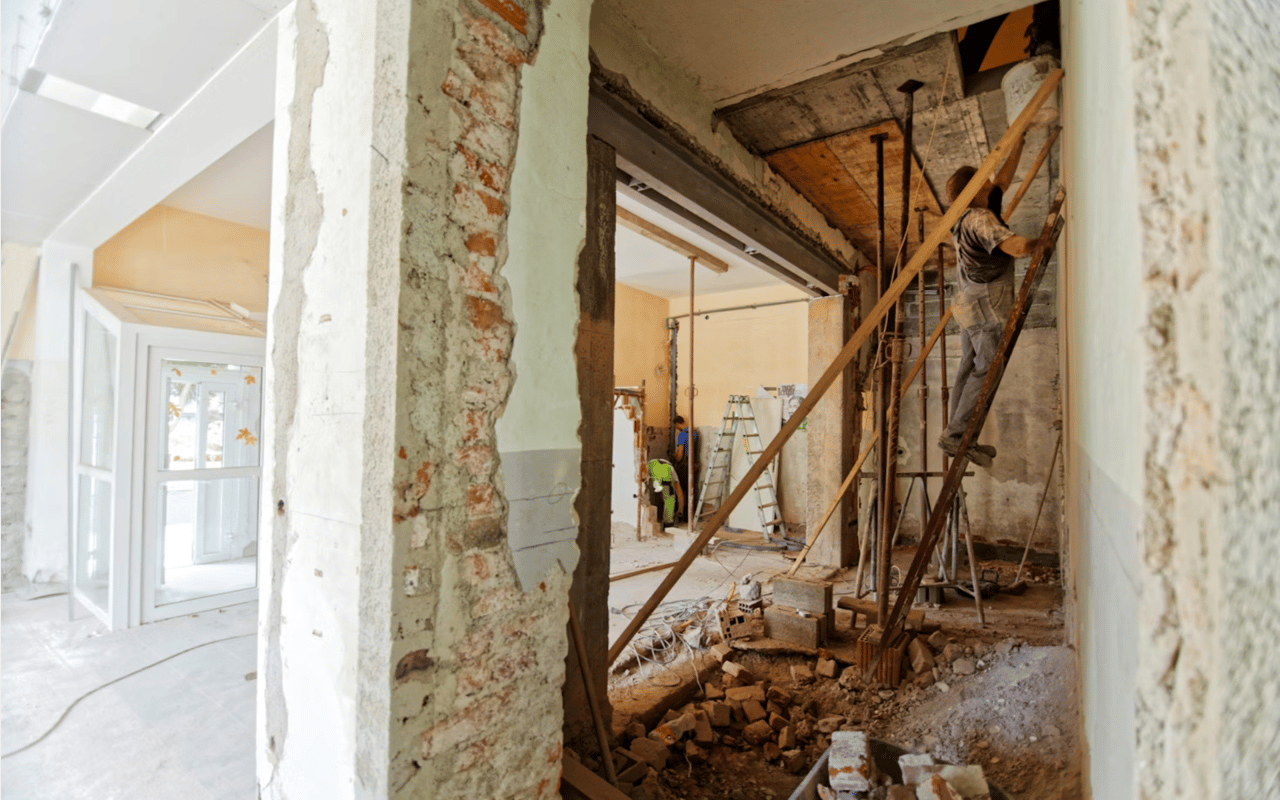
The tradeoff is that older homes can bring more moving parts. In Snee Farm, that often means the house itself matters as much as the street or section, because two homes at a similar price point may differ a lot in updates, systems, and long-term maintenance needs.
What to inspect in older homes
Because Homes.com places the neighborhood’s median year built at 1982, and some current listings date to 1977, age-related due diligence matters here. If you are buying in Snee Farm, a careful look at systems and maintenance history is just as important as layout and finishes.
InterNACHI notes that older homes are more prone to issues involving drainage, electrical systems, roof wear, heating systems, plumbing defects, poor ventilation, and structural wear tied to water intrusion. In practical terms, that means you should pay close attention to the roof, grading and drainage, electrical panel and service, plumbing, HVAC, insulation, ventilation, and signs of moisture.
Key items to review
- Roof condition and age
- Grading, drainage, and water flow around the home
- Electrical panel, service, and outlet safety features
- Plumbing condition and visible past repairs
- HVAC performance and age
- Attic insulation and ventilation
- Crawl space or other visible moisture concerns
- Signs of deferred maintenance or older materials
Lead paint and asbestos questions
Some Snee Farm homes may fall under pre-1978 lead-paint rules. The EPA says homes built before 1978 are much more likely to contain lead-based paint, and federal law requires lead-paint disclosure before a buyer is obligated under contract for most pre-1978 homes.
The EPA also says renovation work that disturbs lead-based paint should be handled by EPA-certified firms using lead-safe practices. If a homeowner suspects asbestos-containing material such as older floor tile or pipe wrap and plans to disturb it, the material should be sampled by a properly trained and accredited asbestos professional.
Why inspections matter here
A standard home inspection is a visual, non-invasive review of major systems. InterNACHI’s Standards of Practice cover items such as the roof, structure, plumbing, electrical, HVAC-related components, attic, insulation, ventilation, and interior systems.
For a dated-but-updated Snee Farm home, the smartest approach is usually to treat the general inspection as the starting point. If the report flags concerns related to roofing, electrical, HVAC, structural conditions, or possible lead or asbestos issues, bringing in licensed specialists can give you a clearer picture before you move forward.
How to decide if Snee Farm is right for you
The best way to evaluate Snee Farm is to start with your priorities. If your top goals are central Mount Pleasant access, mature surroundings, neighborhood character, and a broad range of homes, this area deserves a close look.
If your priorities lean toward newer construction, consistency, and minimal update needs, you may want to compare Snee Farm with newer neighborhood options before deciding. In other words, Snee Farm is less about perfect uniformity and more about finding the right house within a well-established location.
Final thoughts on Snee Farm
Snee Farm stands out as a central, established Mount Pleasant neighborhood with history, club culture, and a layered housing market. For the right buyer, it offers a hard-to-fake mix of convenience, character, and lifestyle.
If you are considering Snee Farm, the details matter. Home condition, renovation quality, lot placement, and price positioning can all shape whether a specific property feels like a great fit. If you want help comparing homes in Snee Farm or weighing it against other Mount Pleasant neighborhoods, connect with Katherine Cox for local guidance tailored to your goals.
FAQs
What kind of neighborhood is Snee Farm in Mount Pleasant?
- Snee Farm is an established Mount Pleasant neighborhood with historic roots, mature landscaping, varied home styles, and a central location between U.S. 17 and I-526.
What price range should you expect in Snee Farm?
- Public market snapshots and listings show a wide range, from some attached homes and smaller units in the low-to-mid $400,000s to larger golf-course and estate properties above $1 million.
What types of homes are common in Snee Farm?
- The neighborhood includes ranch homes, townhouses, condos, coastal cottages, Charleston-style homes, and larger golf-course properties.
What should you inspect when buying a Snee Farm home?
- Pay close attention to the roof, drainage, electrical systems, plumbing, HVAC, insulation, ventilation, and signs of past or present moisture issues.
Is Snee Farm a good fit if you want newer construction?
- If you prefer brand-new homes, uniform architecture, and a more low-maintenance neighborhood setup, a newer master-planned community may be a better match than Snee Farm.