Sullivan's Island vs. Isle of Palms SC: Coastal Home Guide
Choosing between Sullivan's Island and Isle of Palms comes down to lifestyle, housing type, and budget. Sullivan's Island (ZIP 29482) is a quiet, exclusively single-family barrier island with no commercial hotels and a median listing price around $4.55M. Isle of Palms (ZIP 29451) offers an active beach-town setting, resort amenities, condos, and a median listing price around $2.15M.
Feature / Factor | Sullivan's Island (ZIP 29482) | Isle of Palms (ZIP 29451) |
|---|---|---|
Community Character | Quiet, residential, strict preservation, no commercial hotels | Active beach town, resort amenities, visitor-friendly infrastructure |
Housing Stock Mix | Exclusively single-family homes (detached residential) | Single-family homes, oceanfront villas, and multi-level condos |
Median Listing Price | ~$4.55M ($1,348/sq ft; high-scarcity market) | ~$2.15M ($998/sq ft; broader price accessibility) |
Beach Access & Parking | Neighborhood-based paths, right-of-way street parking, no lifeguards | 50+ public access paths, County Park with lifeguards, paid parking lots |
Primary Access Route | Ben Sawyer Bridge (swing bridge from Mount Pleasant) | Isle of Palms Connector (SC-517) |
Recreation Amenities | Nature trail, Fort Moultrie grounds, local parks, Middle St dining | Full recreation center, tennis, pickleball, marina, public docks |
Weighing a luxury home purchase on Sullivan's Island or Isle of Palms? Connect with Katherine Cox + Co. for specialized barrier island real estate advisory.
Quick-Take: Barrier Island Comparison Overview
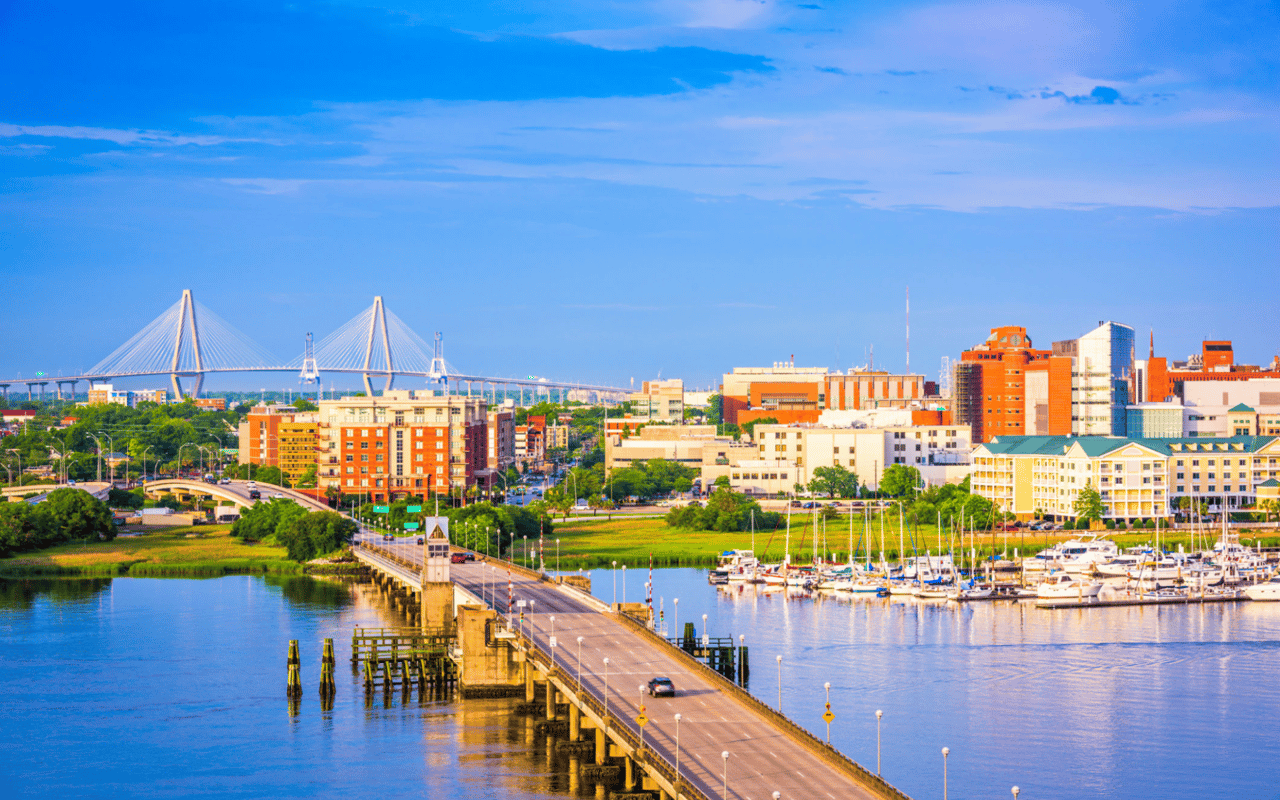
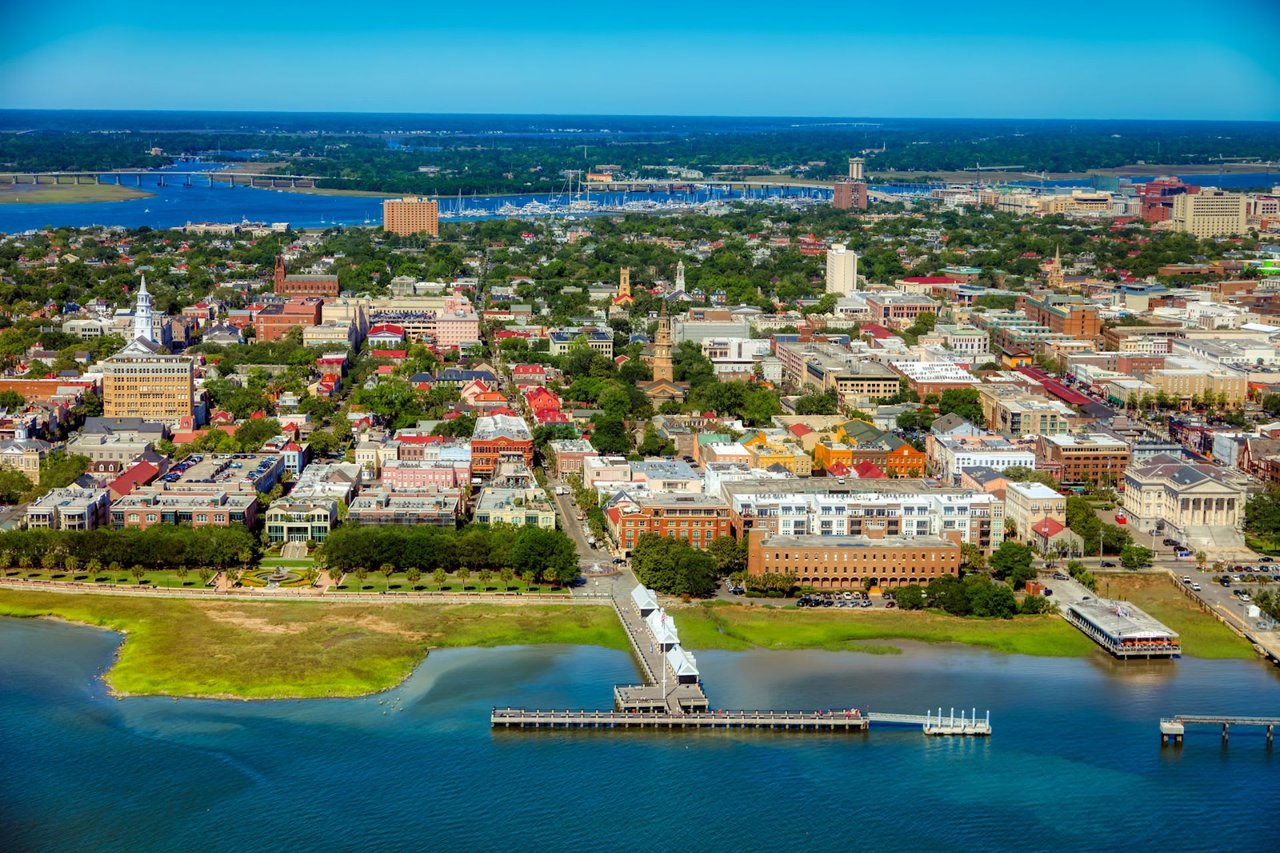
Trying to choose between Sullivan's Island and Isle of Palms? At first glance, these neighboring barrier islands off Mount Pleasant appear similar, but they deliver very different day-to-day living experiences.
Whether evaluating a primary residence, a vacation home, or a coastal investment, understanding the distinct regulatory frameworks, beach access patterns, and property types on each island will help you make a confident decision.
Key Lifestyle Differences Between Sullivan's Island and Isle of Palms
Two Islands, Two Distinct Lifestyles
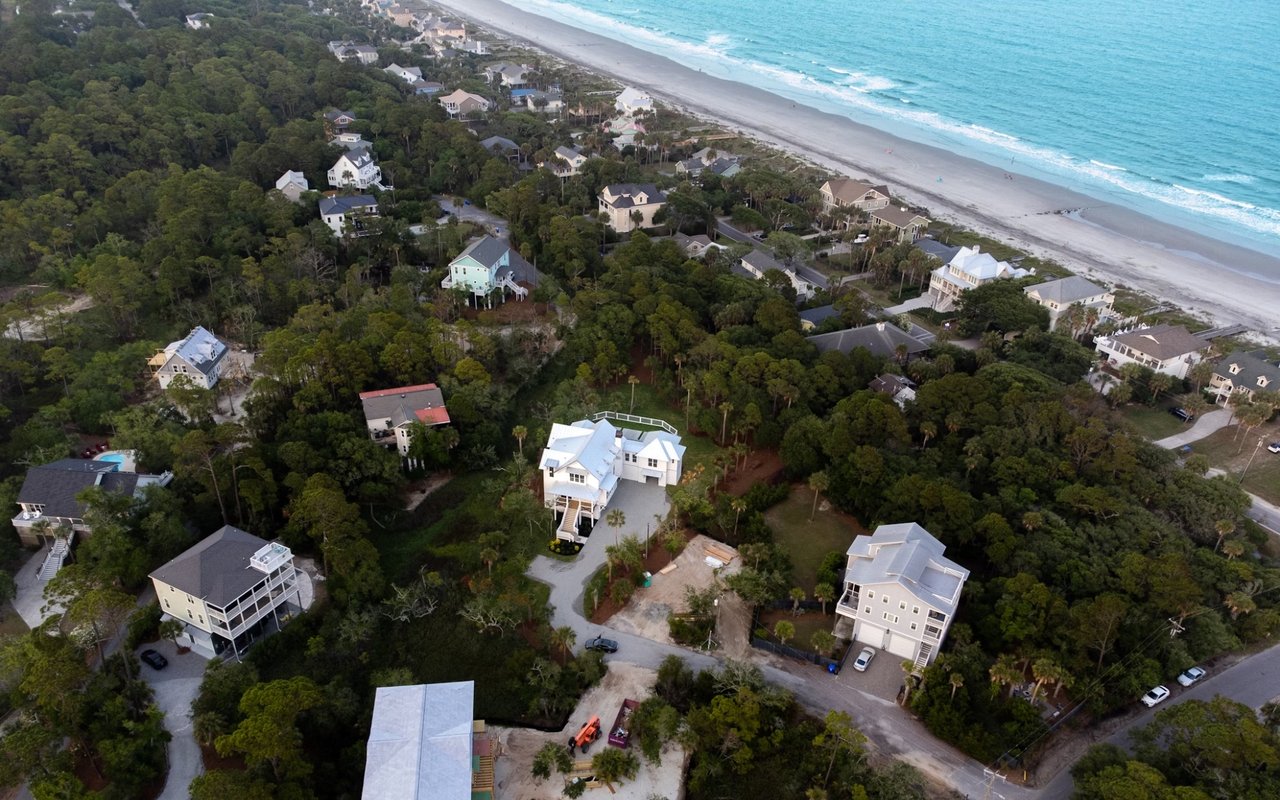
Sullivan's Island and Isle of Palms sit side by side connected by Breach Inlet, but their community feels diverge significantly. Sullivan's Island is a compact, residential sanctuary closely tied to single-family preservation. Isle of Palms features a broader amenity mix, resort infrastructure, and a sustainable tourism model.
Why Sullivan's Island Feels Quieter
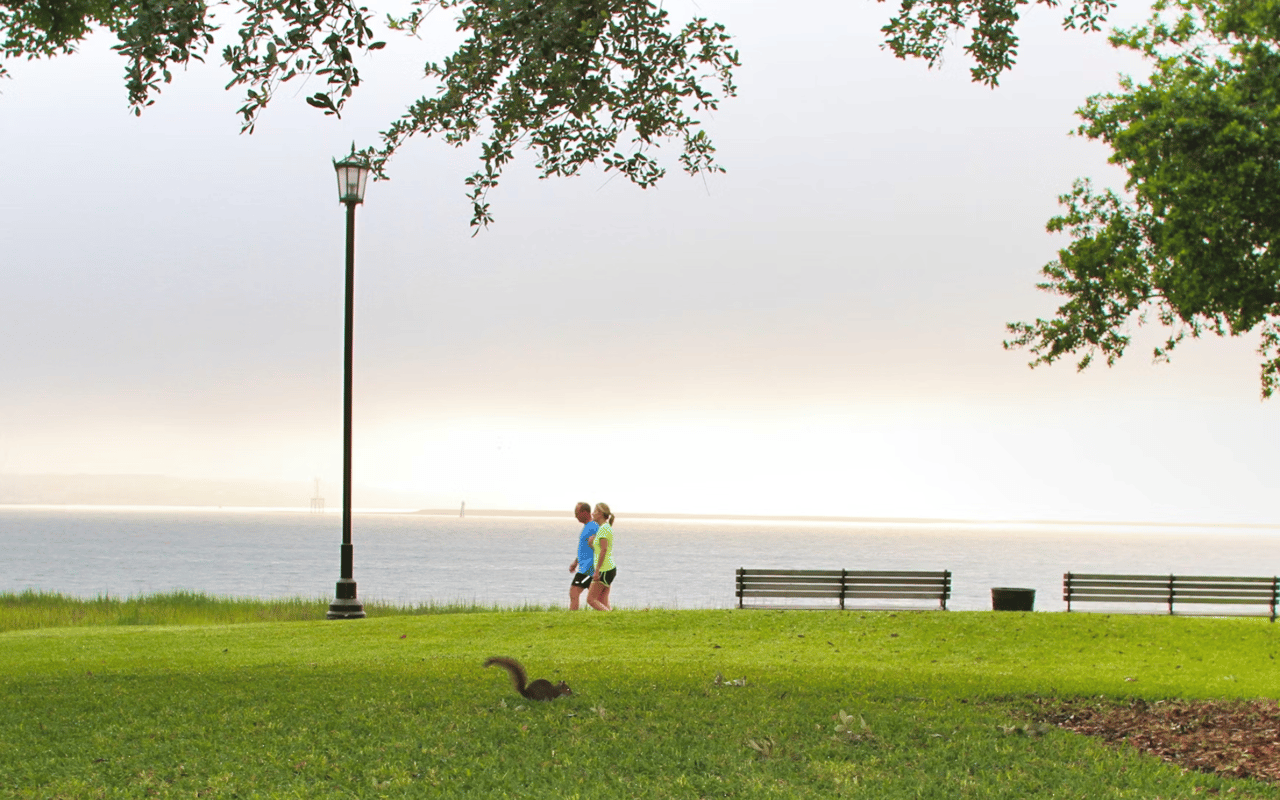
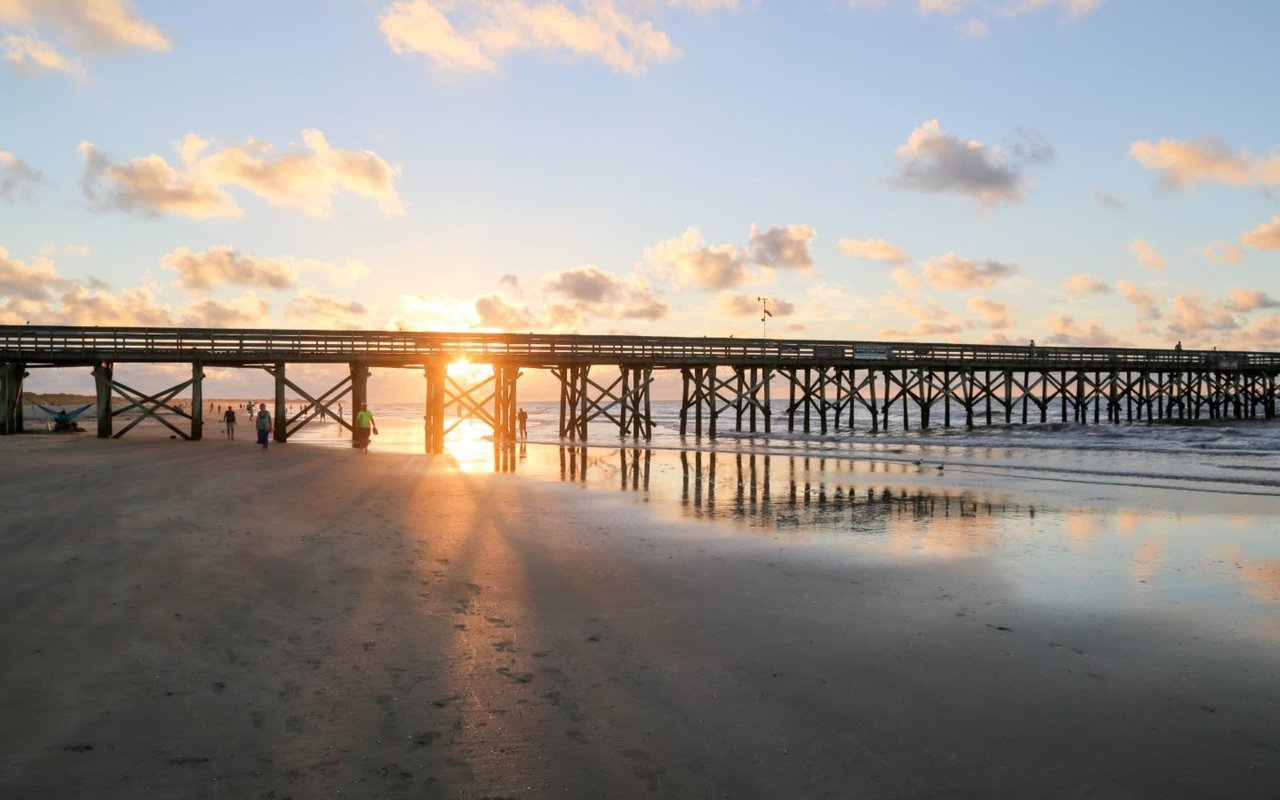
Sullivan's Island maintains 3.5 miles of Atlantic beachfront shaped by strict town rules prohibiting commercial hotels, beach alcohol, smoking, and motorized beach vehicles. Unstaffed by lifeguards, the beach retains a natural, unbuilt atmosphere supported by a 2-mile nature trail connecting Fort Moultrie to the Charleston Light.
Why Isle of Palms Feels More Active
Isle of Palms offers extensive public recreation, including a municipal recreation center with tennis, pickleball courts, a bark park, and a full-service marina on the Intracoastal Waterway. The island caters to an energetic lifestyle that balances year-round residents with seasonal vacationers.
Comparing Beach Access, Traffic, and Infrastructure
Sullivan's Island Beach Access
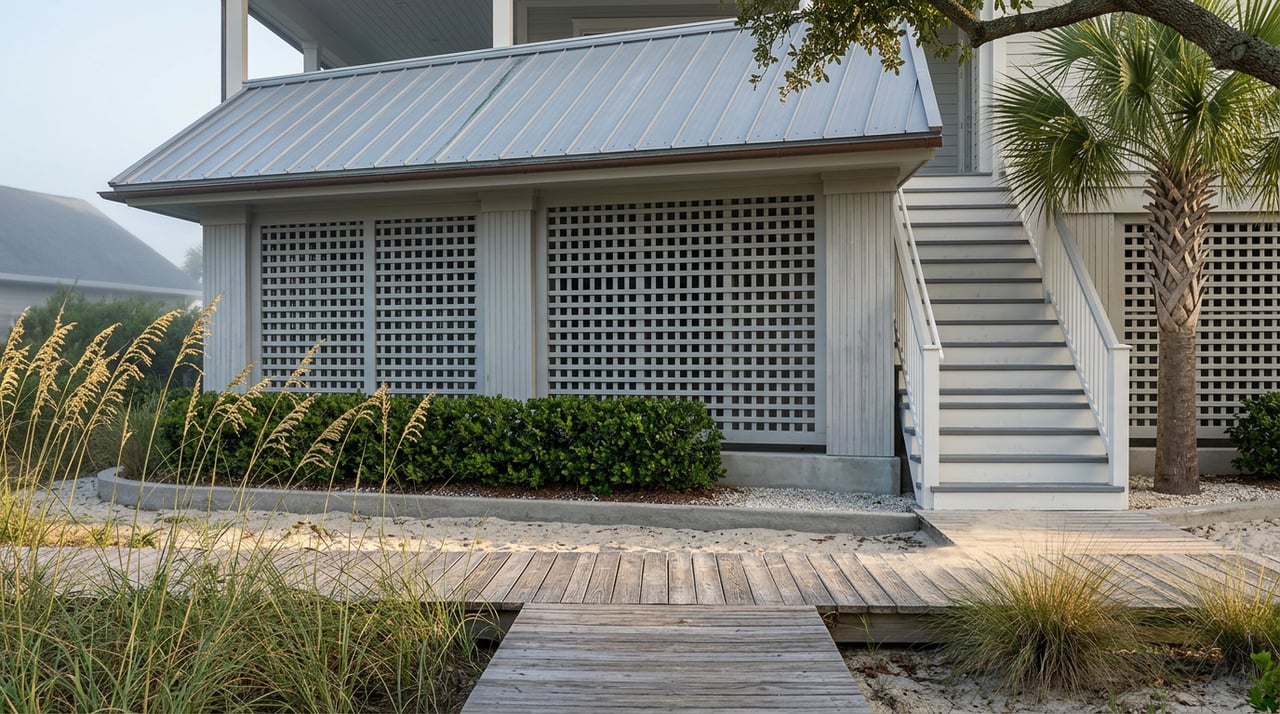
Beach access on Sullivan's Island is integrated into quiet residential street ends (Stations 1 through 32). Public parking is primarily available along designated street rights-of-way, creating a low-density beach experience preferred by privacy-minded homeowners.
Isle of Palms Beach Access
Isle of Palms provides over 50 public beach access paths, dedicated municipal parking lots along Pavilion Drive, paid on-street parking, and Isle of Palms County Park featuring oceanfront restrooms, seasonal lifeguards, and picnic facilities.
Commute Patterns and Traffic Differences
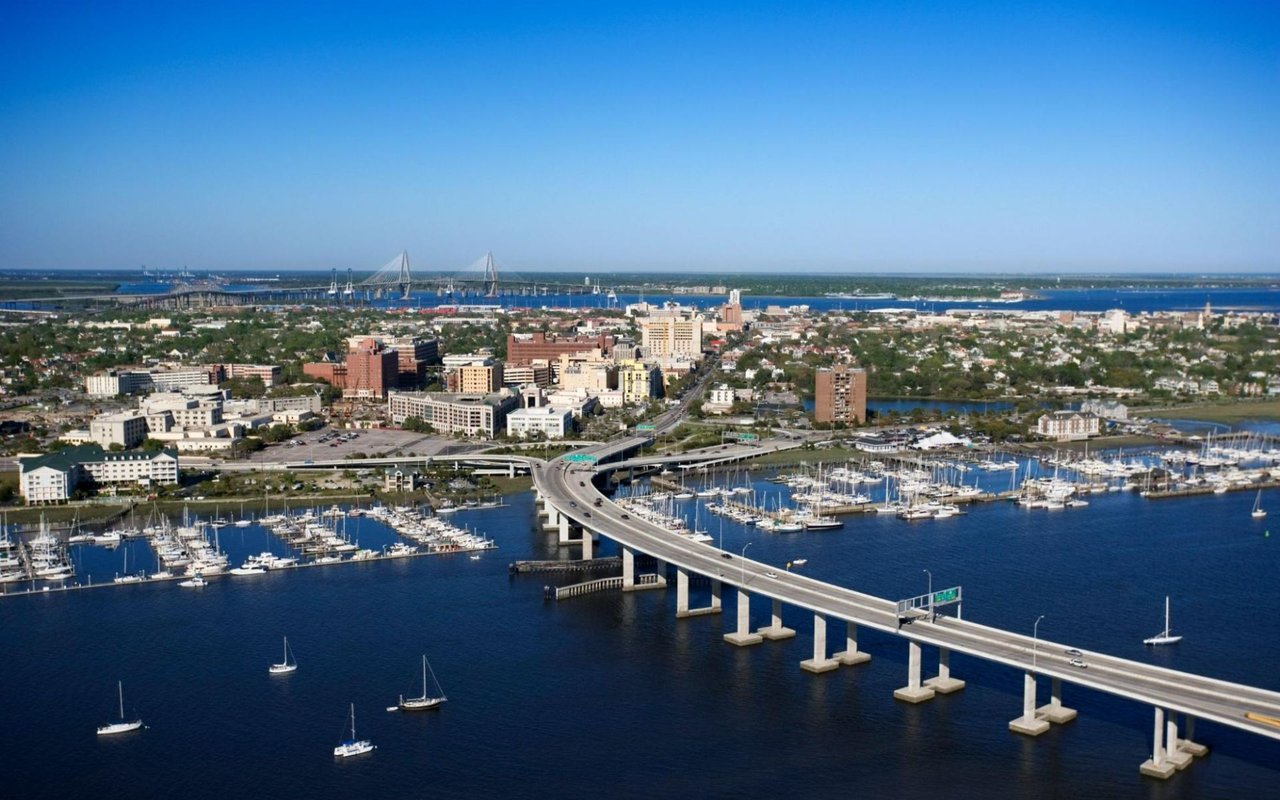
Traffic bottlenecks differ between the two islands. Sullivan's Island relies on the historic Ben Sawyer Bridge swing span, where boat traffic openings occasionally pause vehicle traffic. Isle of Palms connects via the multi-lane Isle of Palms Connector (SC-517), where peak summer beach traffic concentrates along Palm Boulevard.
Real Estate Market & Housing Comparison
Sullivan's Island Homes and Scarcity
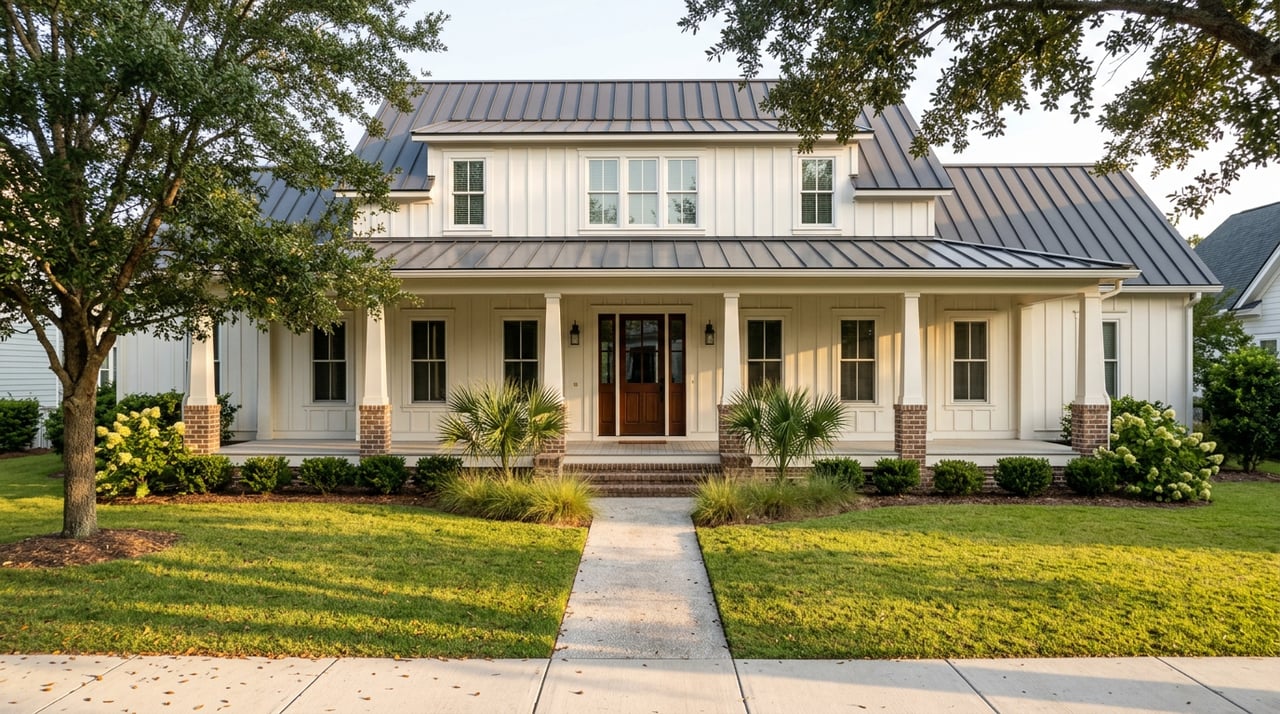
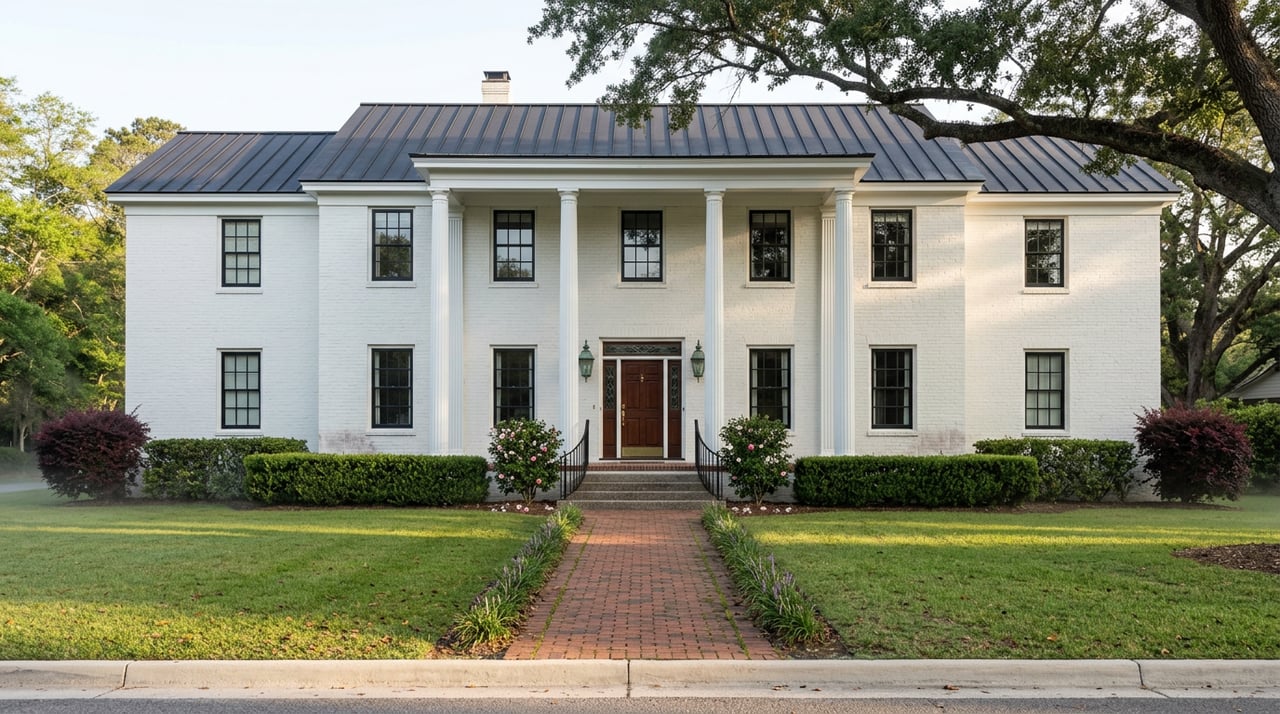
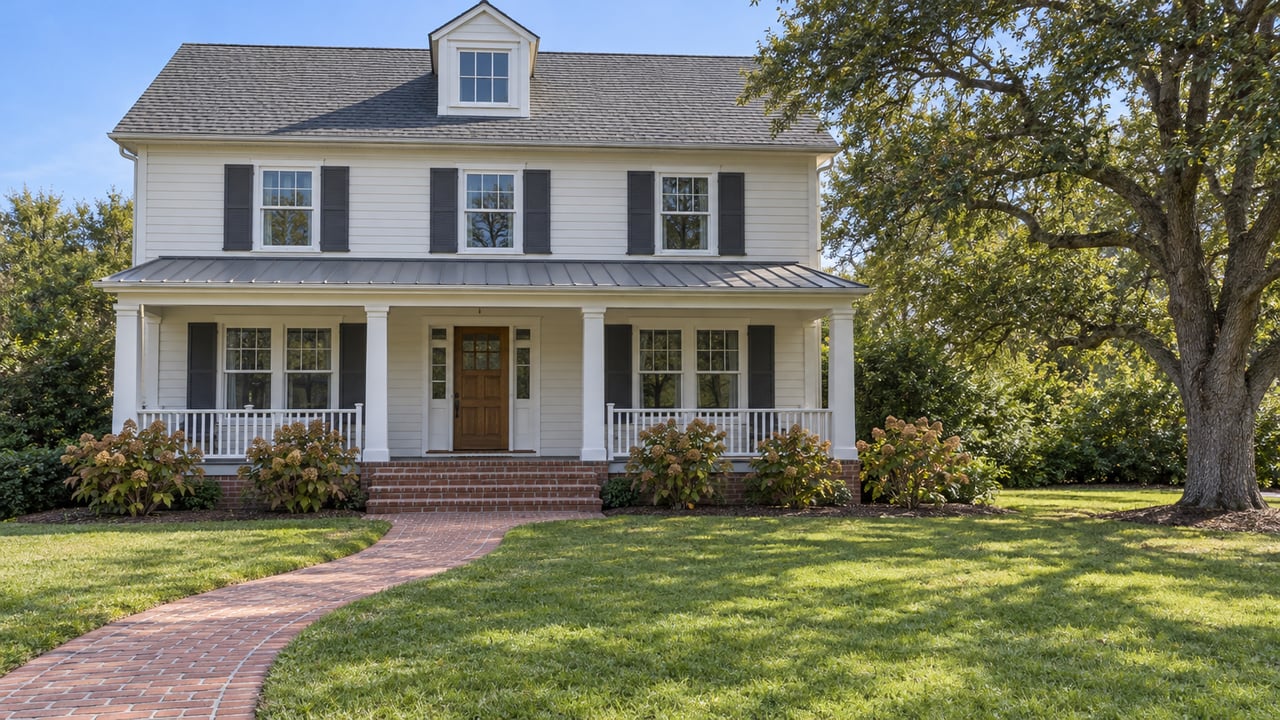
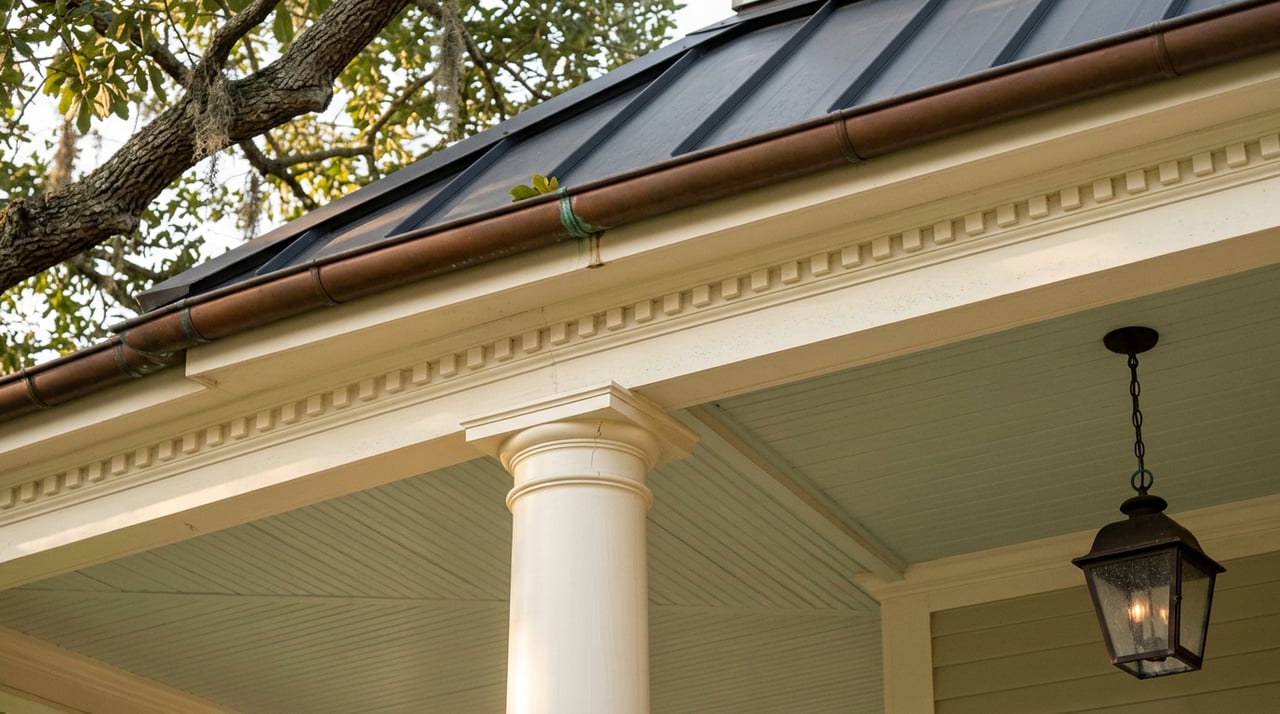
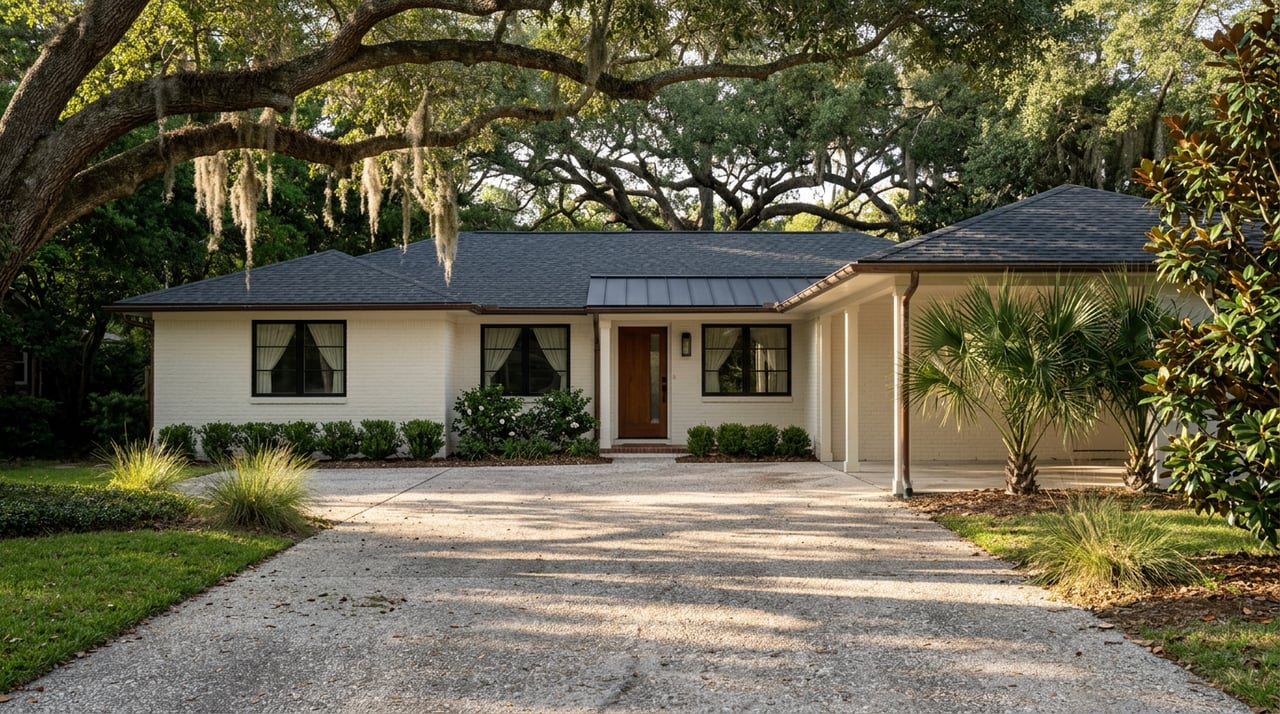
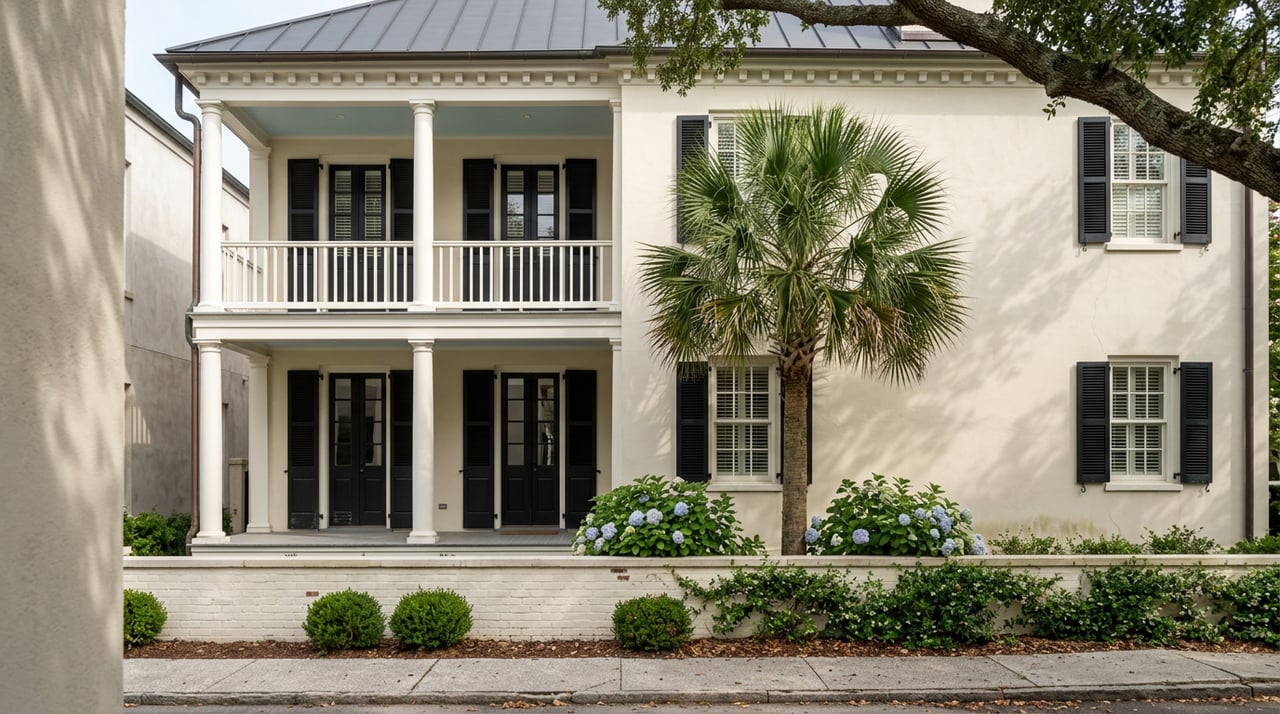
Sullivan's Island features an exclusively single-family housing inventory. Strict Board of Architectural Review guidelines protect historic Lowcountry architecture, creating a high-demand, scarcity-driven market where interior homes range from $2.5M to $3.5M and oceanfront estates command $5M to $15M+.
Isle of Palms Homes and Condos
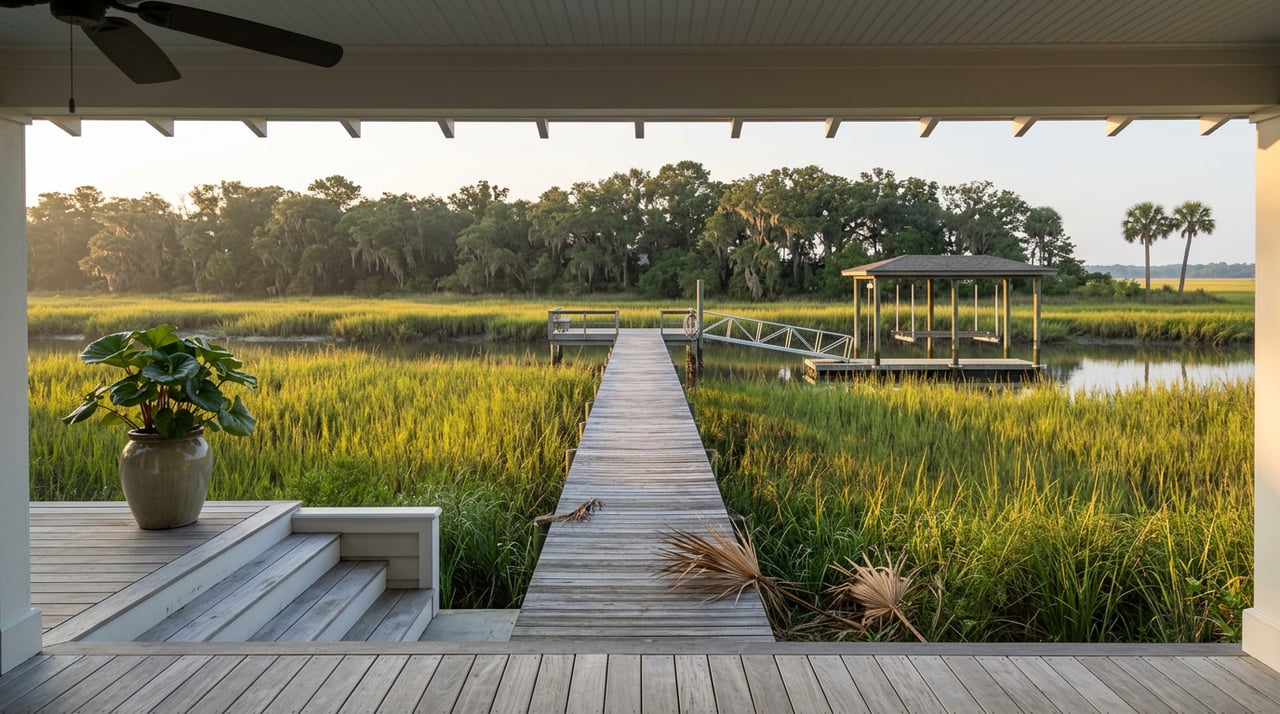
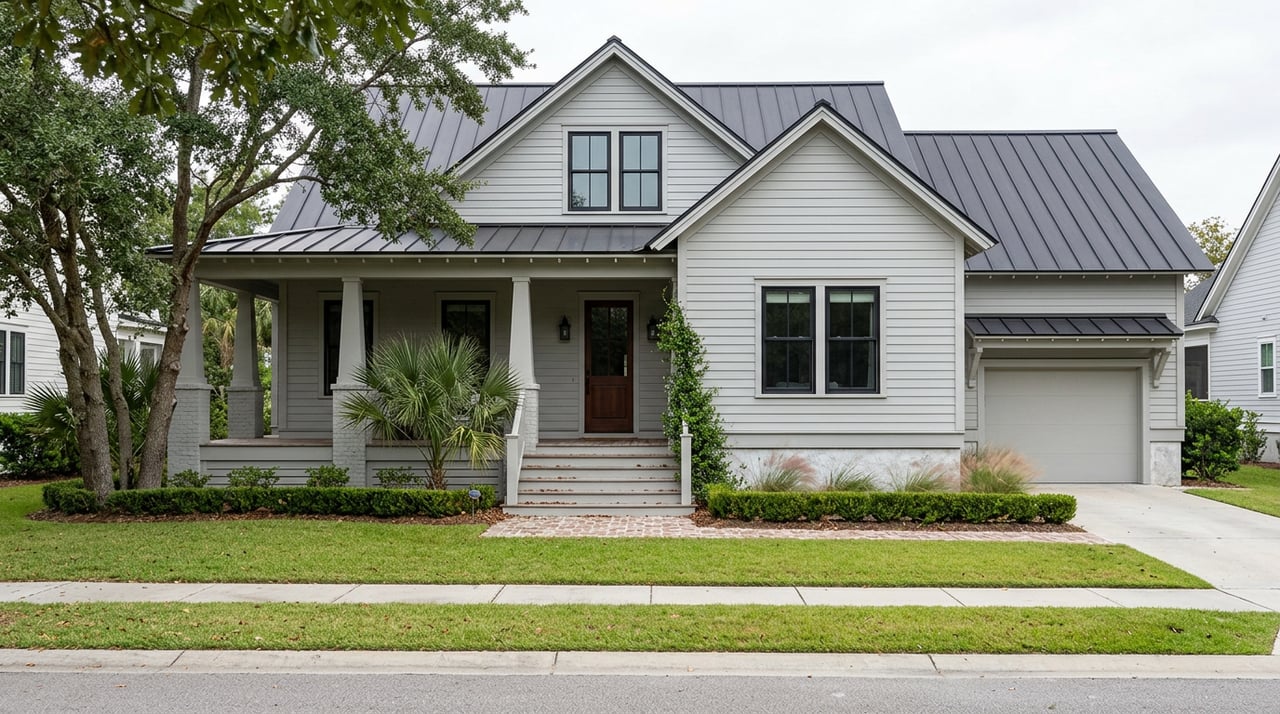
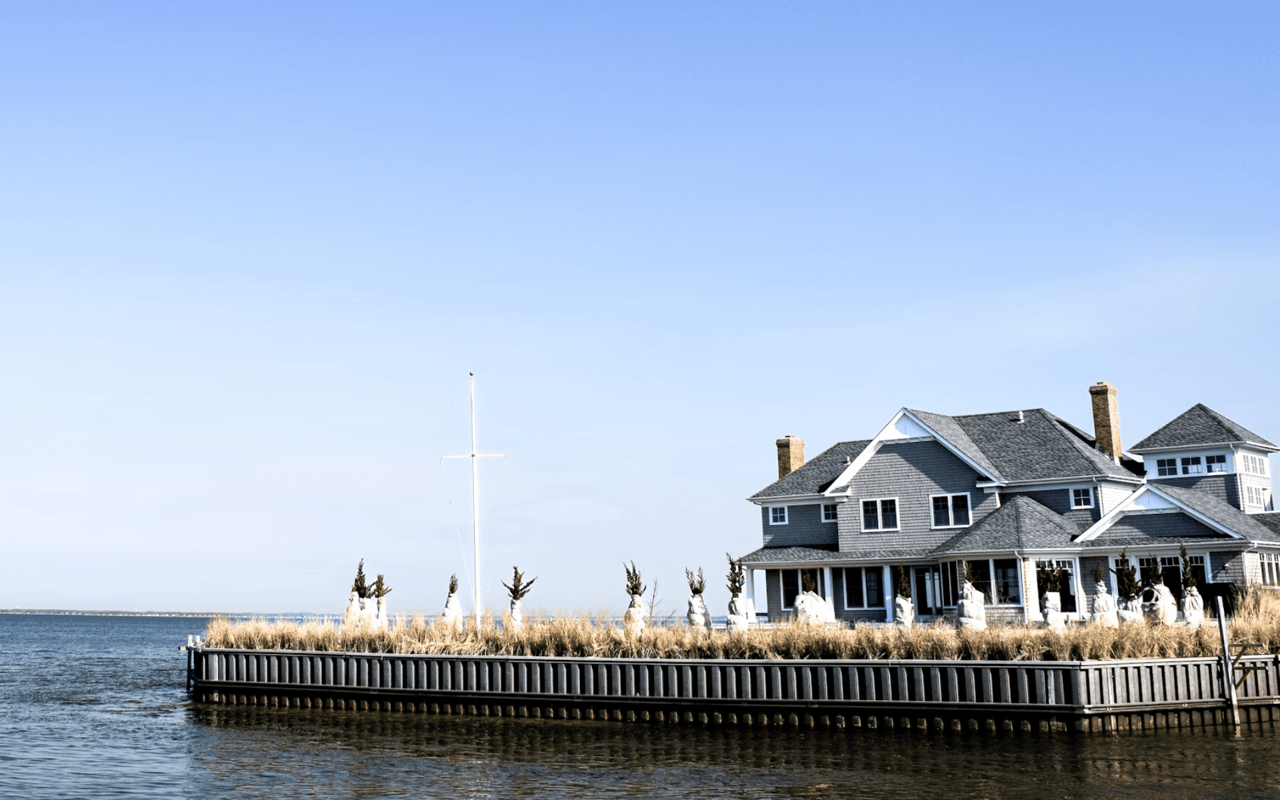
Isle of Palms provides a diverse real estate mix, including oceanfront single-family homes, deep-water dock estates, and multi-level oceanfront condominiums at Wild Dunes Resort. This structural variety provides entry-level coastal home options unavailable on Sullivan's Island.
Price Positioning and Market Dynamics
Market snapshots demonstrate the pricing gap between the islands. Sullivan's Island features a median listing price of ~$4.55M ($1,348/sq ft), reflecting extreme land scarcity. Isle of Palms features a median listing price of ~$2.15M ($998/sq ft), providing broader entry-level access for coastal buyers.
Discover Your Ideal Charleston Barrier Island Base
Want an insider's touring analysis comparing flood elevations, school zones, and private dock access across both islands? Work with Katherine Cox + Co.
Frequently Asked Questions
What is the main lifestyle difference between Sullivan's Island and Isle of Palms?
Sullivan's Island is a quiet, exclusively single-family residential island with no commercial hotels. Isle of Palms offers an active beach-town setting, resort amenities, and a mix of single-family homes and condos.
Is Sullivan's Island more expensive than Isle of Palms?
Yes. Sullivan's Island has a significantly higher median listing price (~$4.55M) and higher price per square foot due to strict land scarcity compared to Isle of Palms (~$2.15M).
Does Isle of Palms have more condo options than Sullivan's Island?
Yes. Isle of Palms features numerous multi-level condominium complexes and resort villas (such as Wild Dunes), whereas Sullivan's Island consists almost entirely of single-family detached homes.
Which island is easier for beach parking and guest visits?
Isle of Palms offers dedicated municipal parking lots, paid street parking, and Isle of Palms County Park, making day trips and guest visits easier to manage than on Sullivan's Island.
How does traffic differ between Sullivan's Island and Isle of Palms?
Sullivan's Island traffic relies on the Ben Sawyer Bridge swing span (subject to boat openings). Isle of Palms connects via the Isle of Palms Connector (SC-517), where traffic concentrates along Palm Boulevard.
Is Sullivan's Island still a good option if you want restaurants nearby?
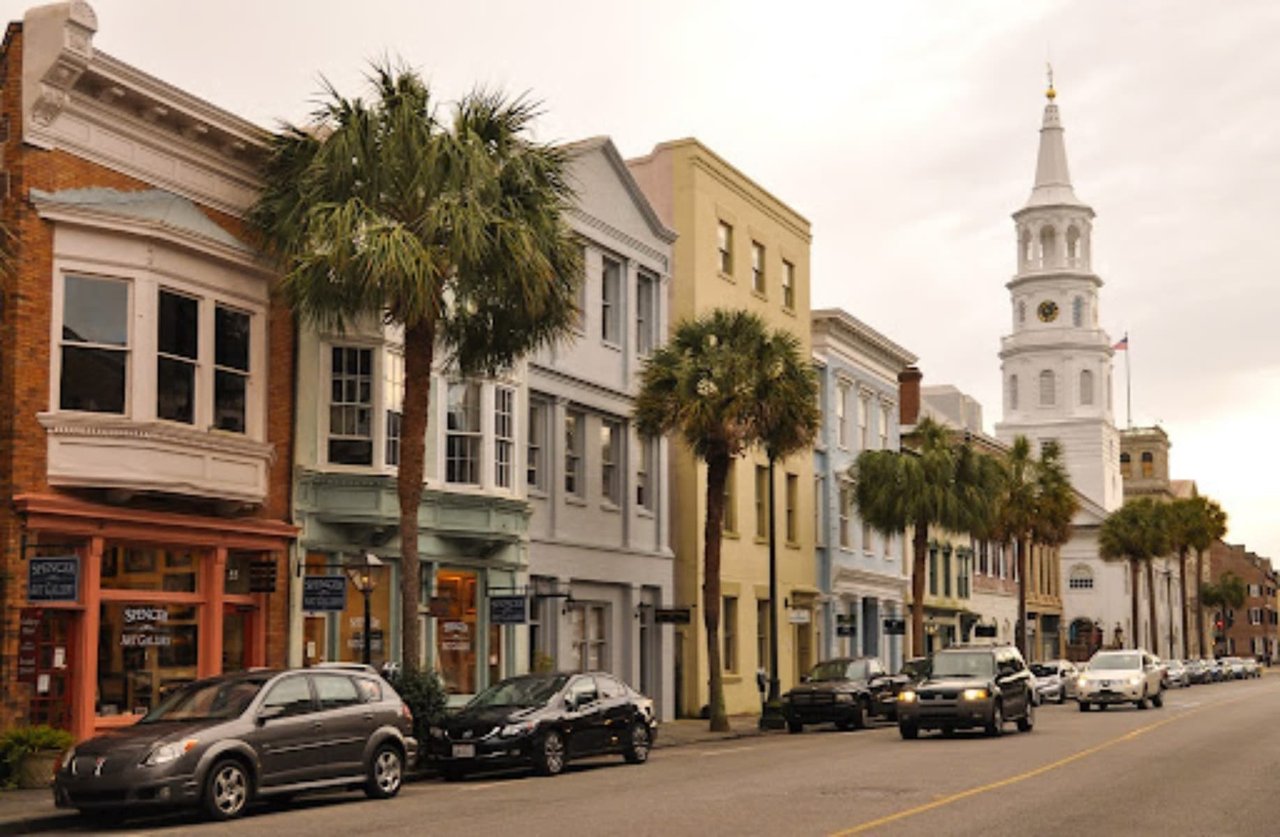
Yes. Sullivan's Island features an acclaimed dining strip along Middle Street (including Poe's Tavern and The Obstinate Daughter), offering top dining within a walkable residential footprint.
Explore Related Charleston Coastal Communities & Real Estate Guides
Authored by Katherine Cox | Katherine Cox + Co.
Katherine Cox is a premier luxury real estate specialist in Charleston, SC representing buyers and sellers across Sullivan's Island, Isle of Palms, Mount Pleasant, and Historic Downtown Charleston.
Office: 1127 Queensborough Blvd, Ste. 103, Mount Pleasant, SC 29464 | Direct: (843) 568-3193. Learn more on Katherine Cox's Profile Page.
Source Notes: Town zoning codes and municipal parking regulations verified via Town of Sullivan's Island and City of Isle of Palms municipal records. MLS sales metrics verified via Realtor.com and CTAR MLS as of 2026.