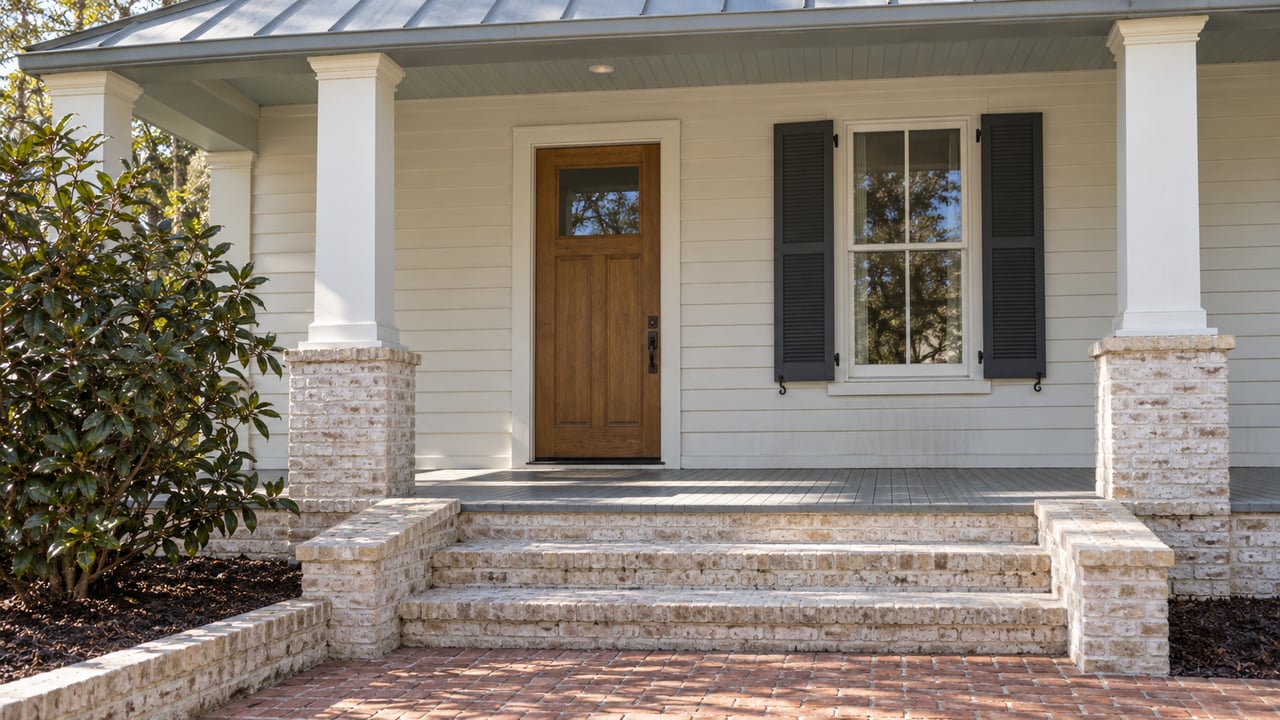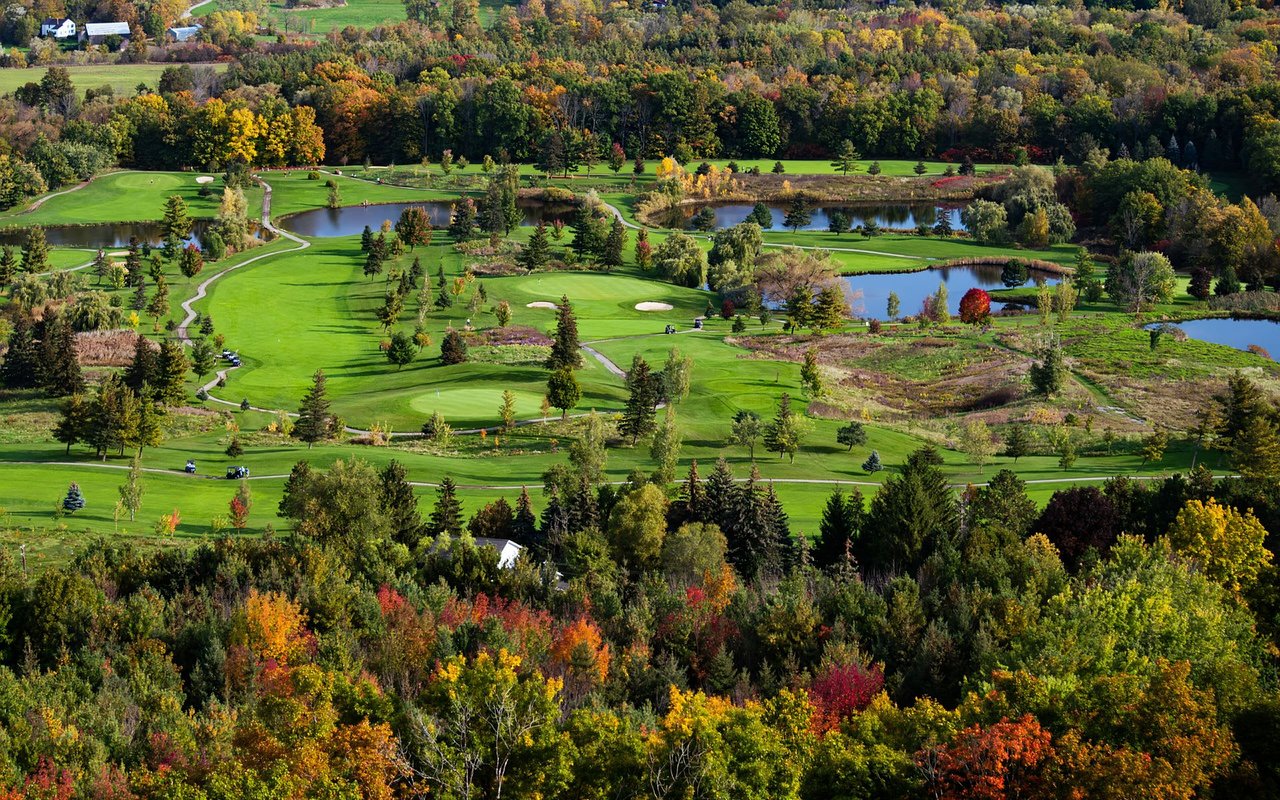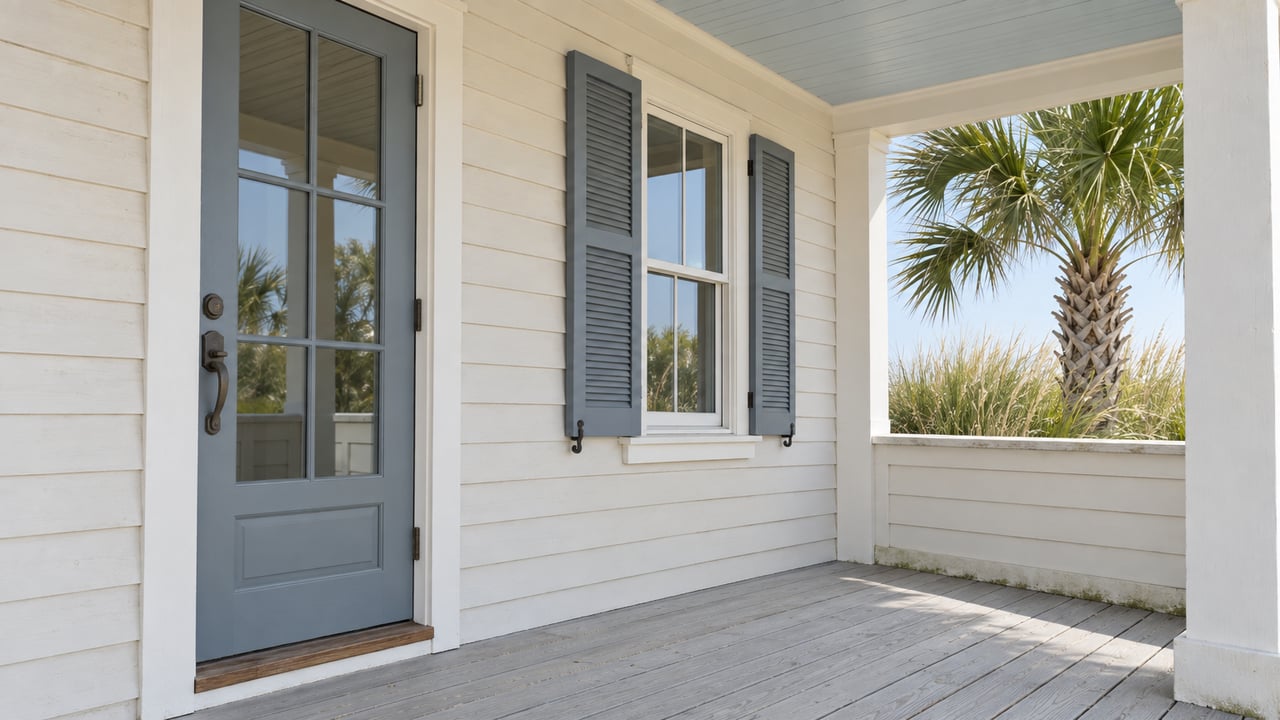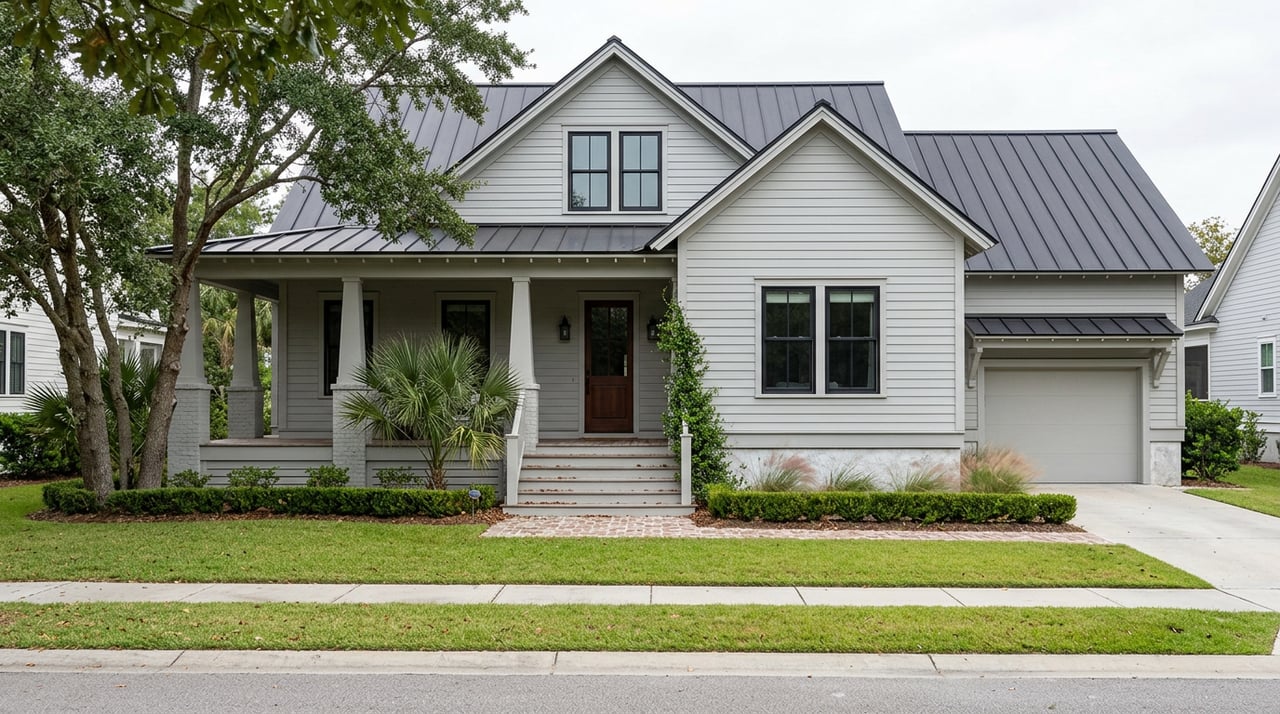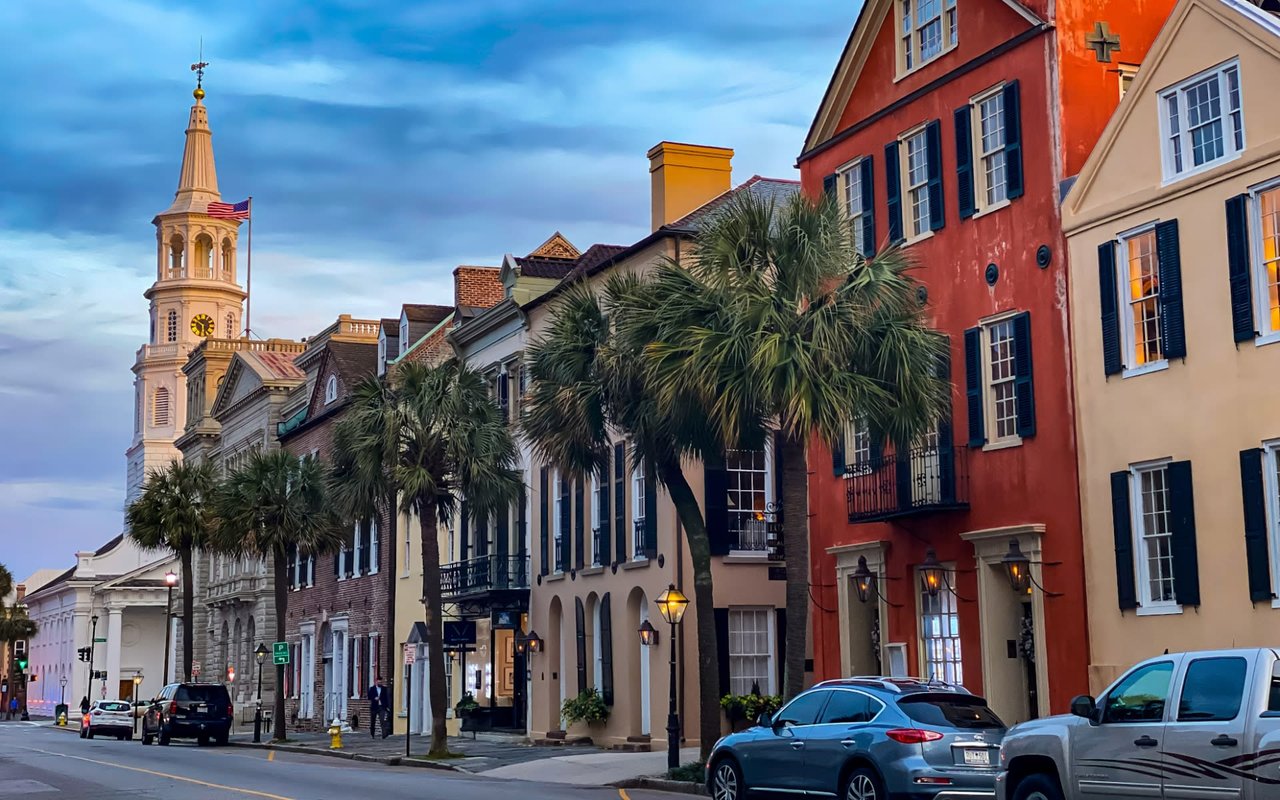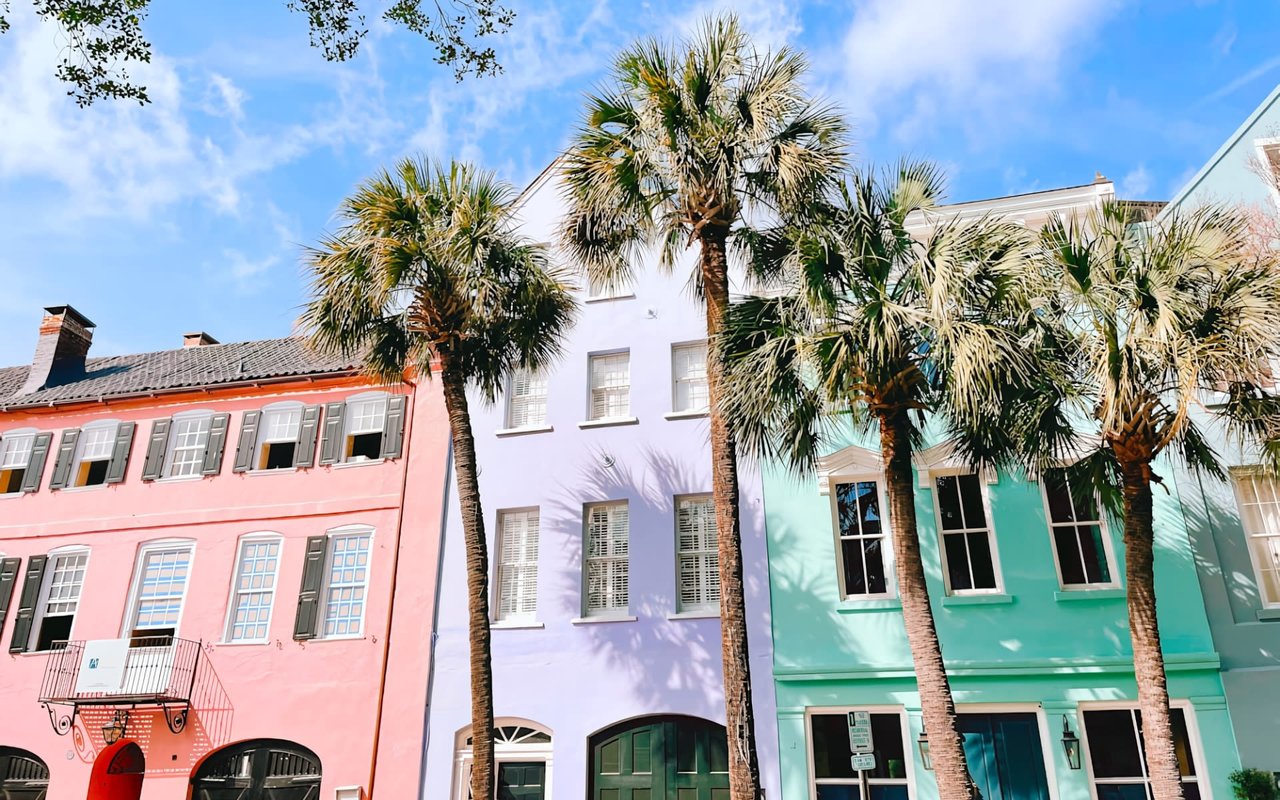
A buyer touring a creek-front estate in Olde Park last spring asked her agent a reasonable question: since the I'On Club sits practically next door, does that come with the house? It doesn't. The I'On Club is a private business that happens to operate on I'On's land, and it sells memberships to the general public, Olde Park resident or not, same as anyone driving in from Snee Farm or downtown. Proximity buys nothing here. That single misunderstanding is worth unpacking, because it points to something bigger about how these two neighborhoods were built.
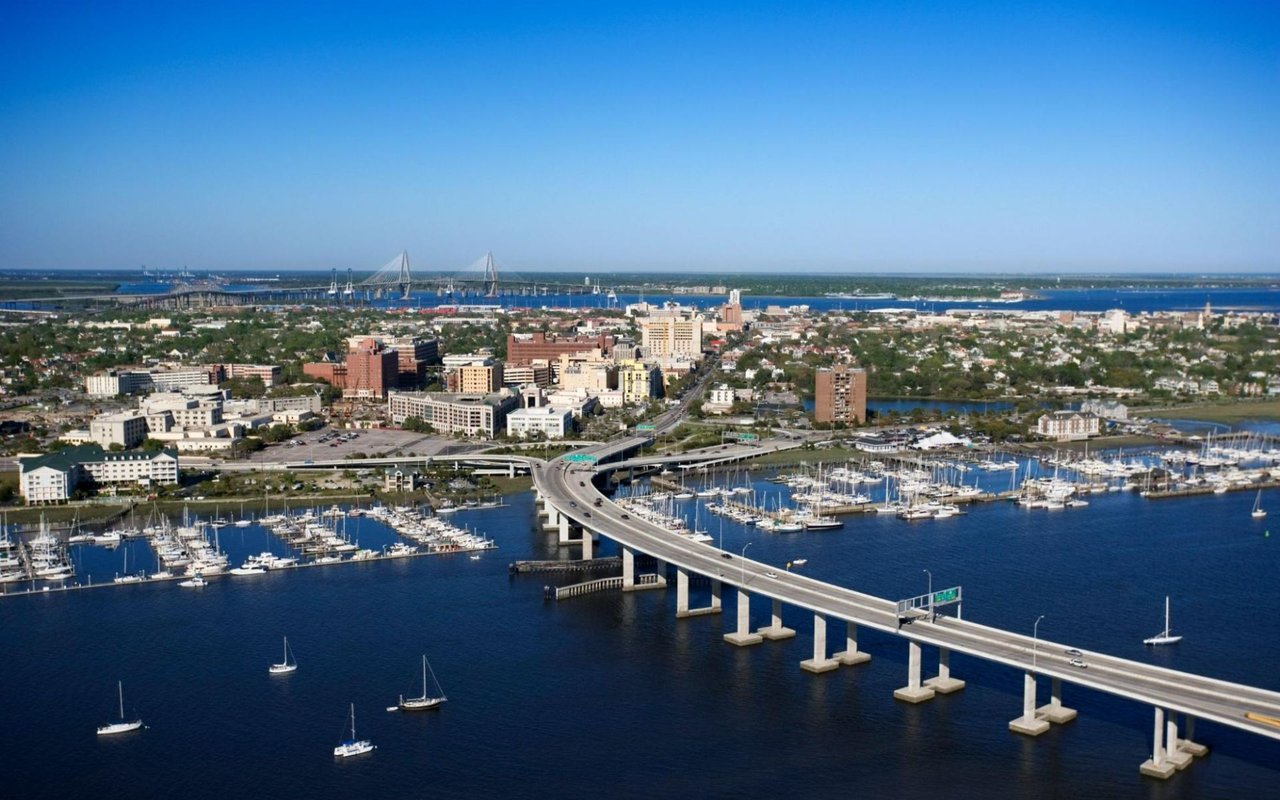
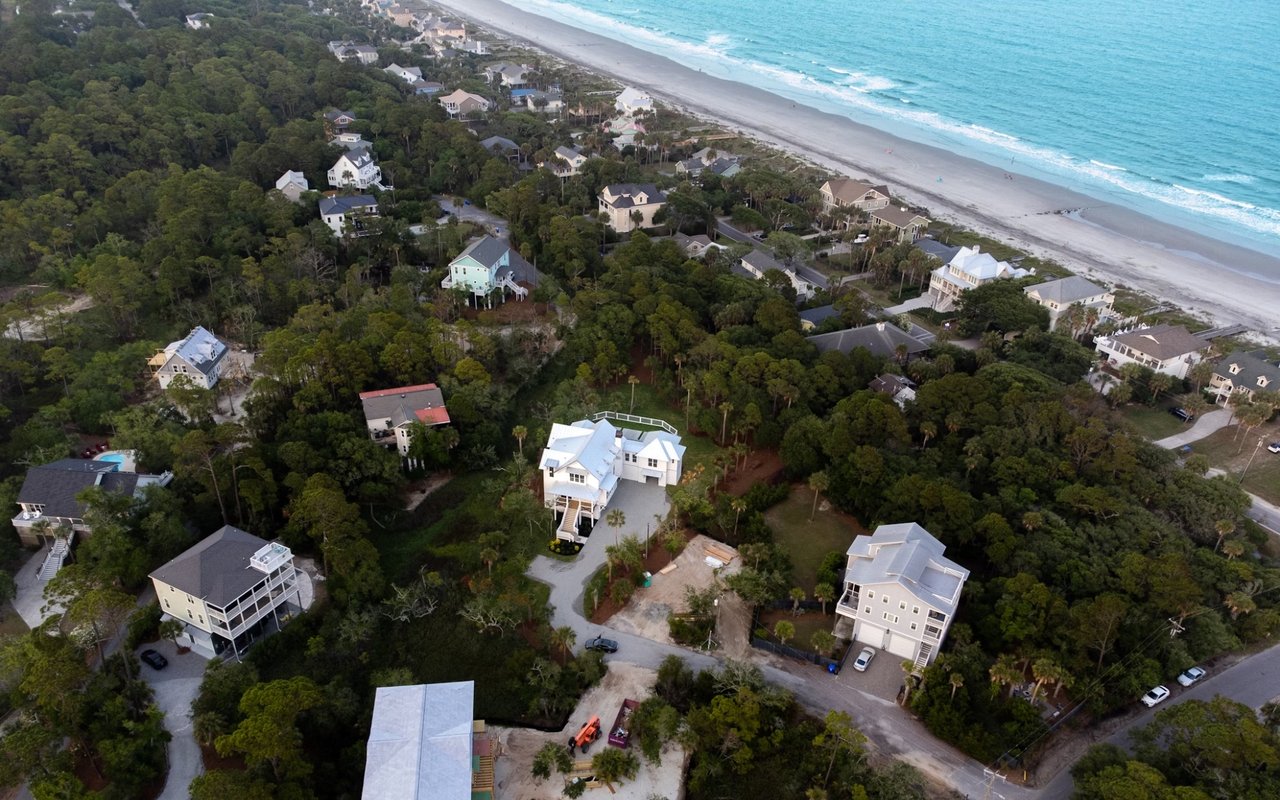
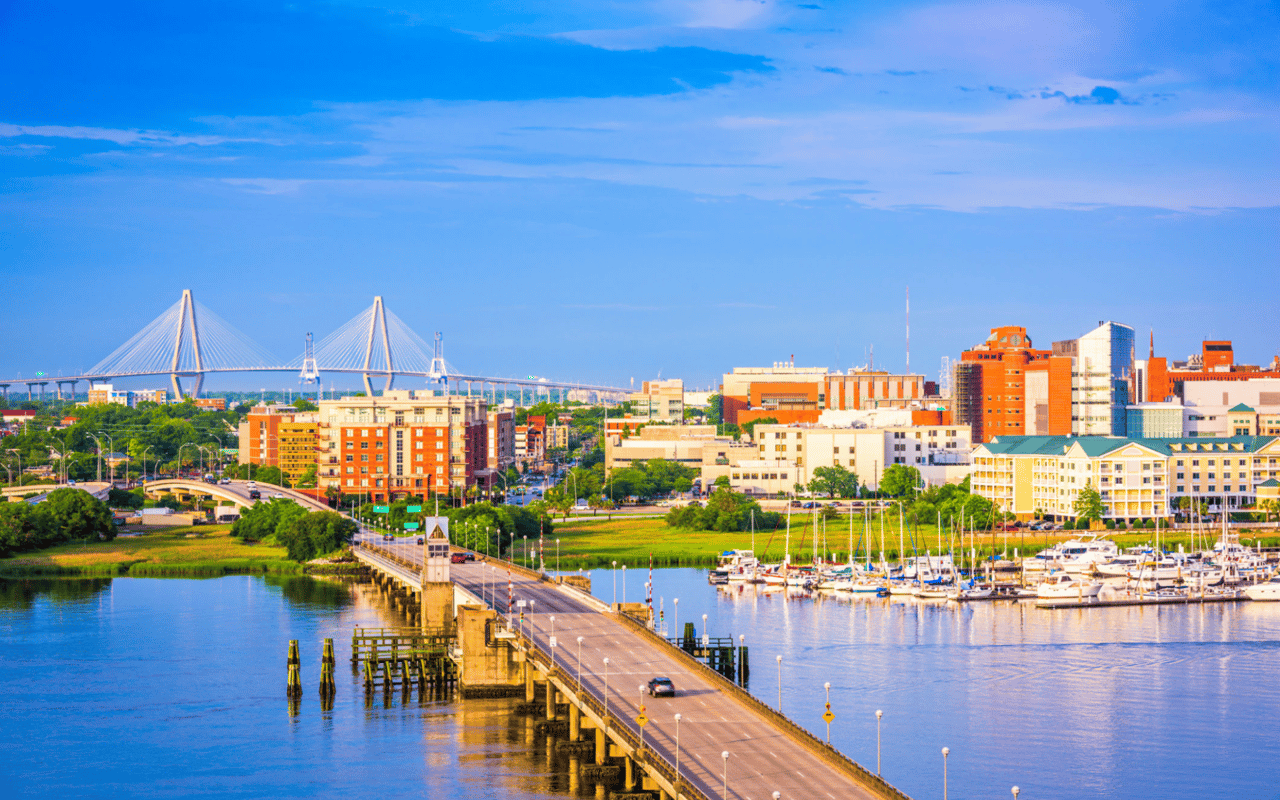
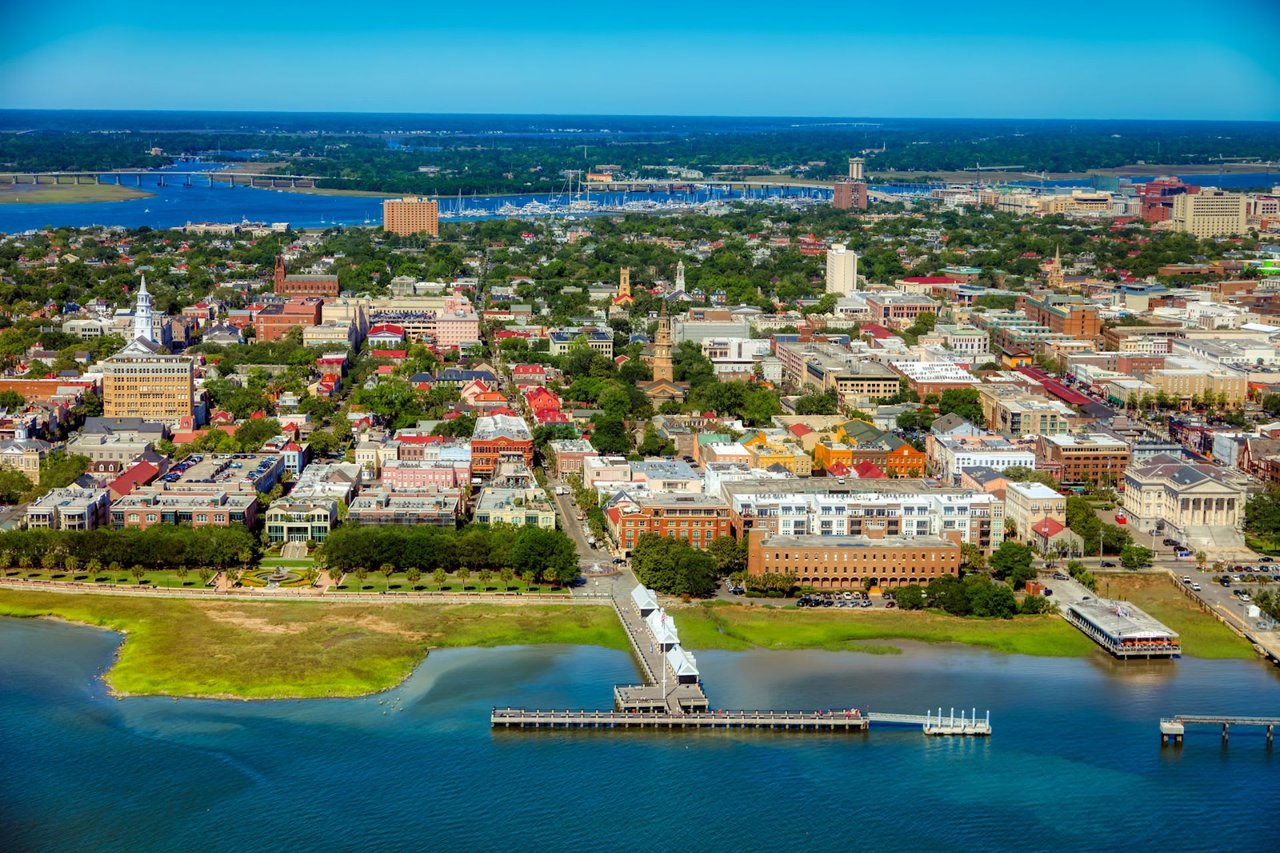
Olde Park and I'On sit on opposite sides of the same stretch of Mathis Ferry Road in Mount Pleasant, close enough that residents of one regularly end up eating, swimming, or playing tennis in the other. But they were designed around two different theories of what a homeowner's dues should pay for, and once you see the mechanism, a lot of the price and lifestyle differences between them stop looking like coincidence.
The Fee That Isn't a Neighborhood Fee
The I'On Club, located at 580 Mathis Ferry Road, runs six clay tennis courts that have won a USTA Outstanding Tennis Facility of the Year award, four hard pickleball courts, three saline pools including an eight-lane Junior Olympic lap pool, two fitness studios, and an onsite restaurant. It is a genuinely serious amenity operation. It is also not part of I'On's homeowners association. It's a separate private club, and I'On's own neighborhood documentation is explicit that membership is optional and open to non-owners as well, a structure tied to a boating-facilities easement on the property.
That distinction matters for both neighborhoods, but it matters more for Olde Park. An I'On buyer who skips the club still gets trails, parks, and a civic calendar baked into their HOA dues. An Olde Park buyer who wants tennis or a lap pool is buying it from scratch, at full non-resident-adjacent pricing, from a business that owes their subdivision nothing. There's no bundled discount for living across the fence.
Two HOAs, Nearly the Same Bill
Here's the number that should stop a comparison-shopping buyer in their tracks. I'On's base Assembly dues run around $1,650 a year. Olde Park's HOA documentation lists an annual fee of roughly $1,800, covering insurance and common-area upkeep. Those two figures are close enough that a buyer glancing at a listing sheet could reasonably conclude the two communities charge about the same for about the same thing.
They don't.
| I'On | Olde Park | |
|---|---|---|
| Homes / lots | ~761 titleholding lots on ~243 acres | 114 homes |
| Typical lot | Median ~0.15 acre (about 6,500 sq ft) | Large, forested lots; Reserve section parcels with 600+ ft of creek frontage |
| Base HOA dues | ~$1,650/year (Assembly) | ~$1,800/year |
| What the dues fund | ~6 miles of trails, ~12 parks, 5 playgrounds, amphitheater programming | Landscaping, insurance, pond and common-area maintenance |
| On-site recreation | Trails and parks included; club (tennis, pool, fitness) is separate and optional | None; nearest club membership is a fully separate purchase |
| March 2026 median sale | ~$2.3M (trailing 12-month median ~$2.0M) | Too few annual sales for a stable median |
The dues are close because both figures are just a budget divided by a homeowner count, and the two neighborhoods happen to land near the same per-household number. What differs completely is the numerator. I'On spreads the cost of a village-scale recreation and civic program across 761 lots, which is enough density to make trails, parks, and a Trust-programmed amphitheater affordable per household. Olde Park spreads a much smaller job, mowing, insuring, and maintaining four ponds and a handful of common areas, across only 114 homes. Same rough bill, entirely different scope of what gets built with it.
Built to Look Old From Day One
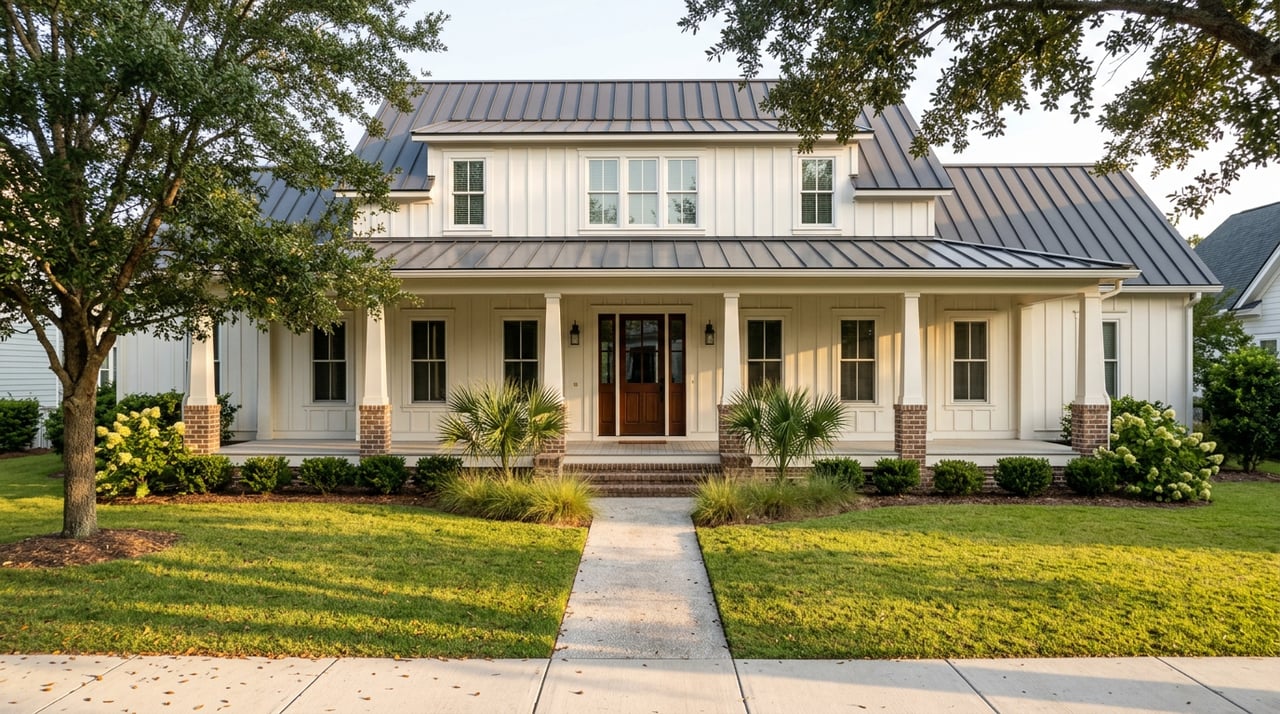
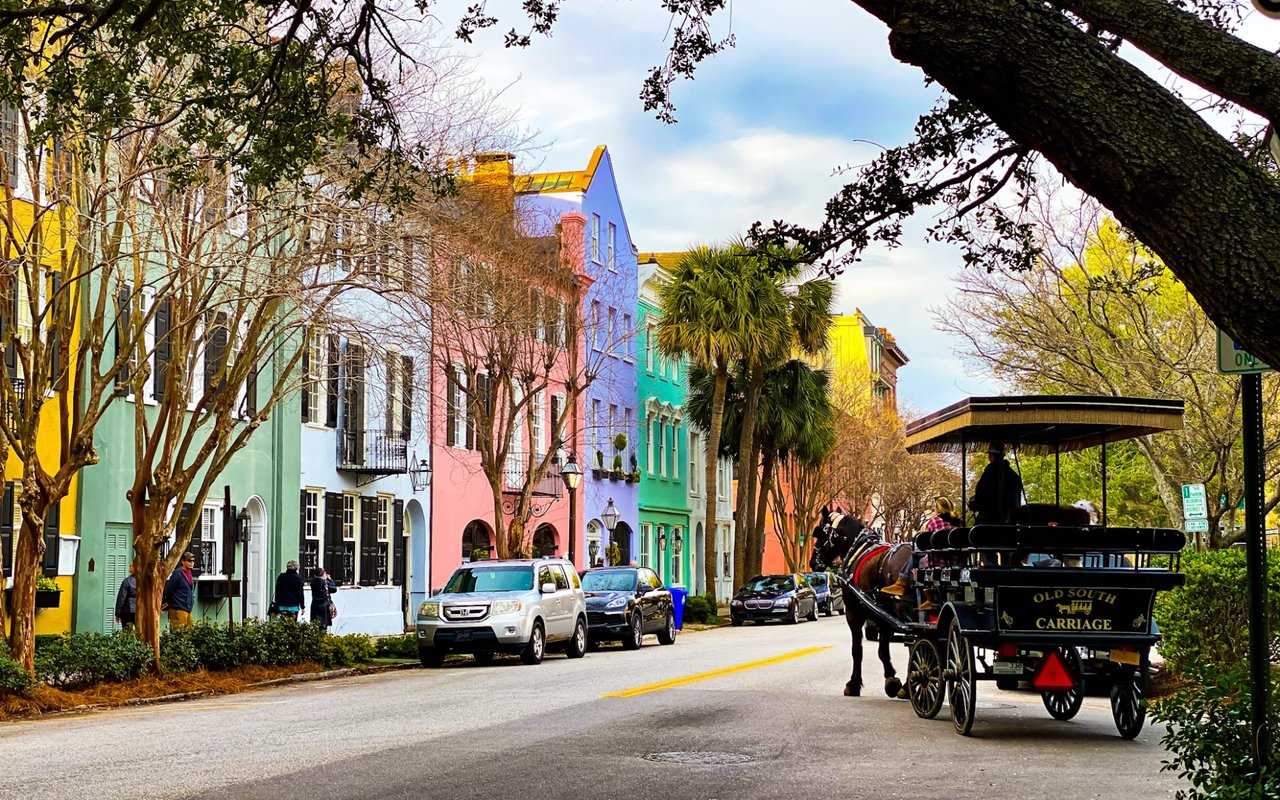
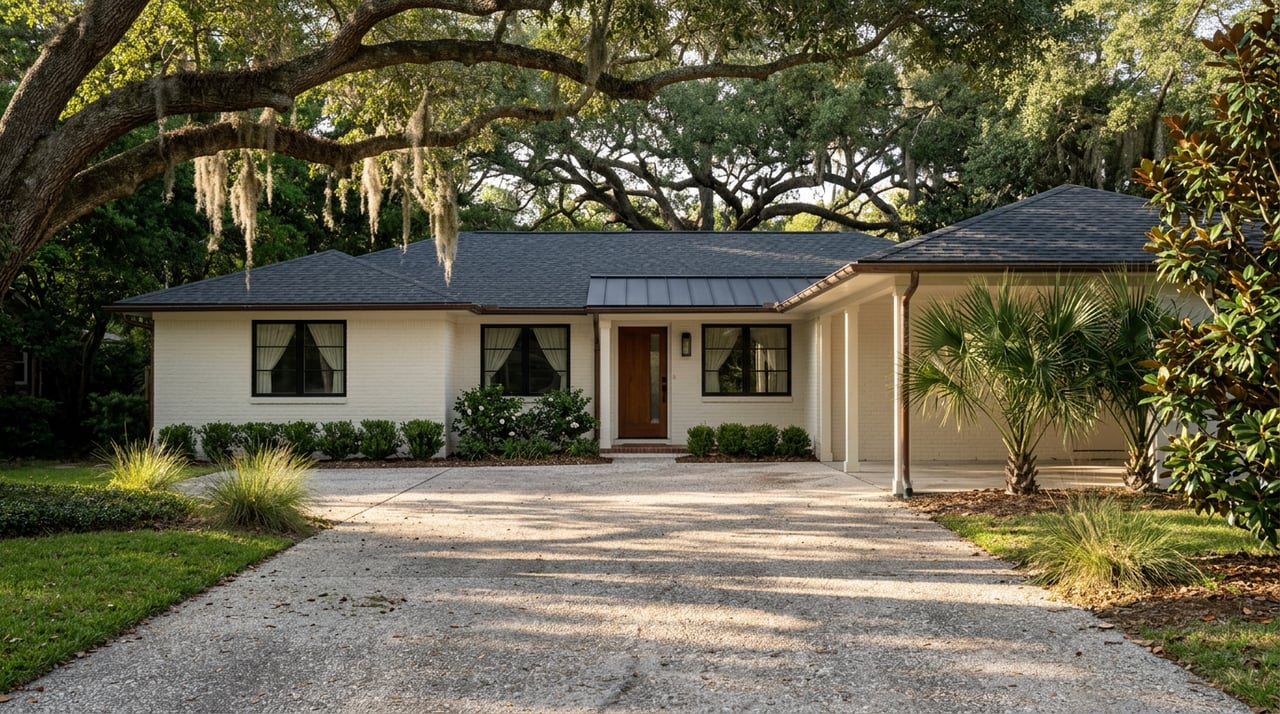
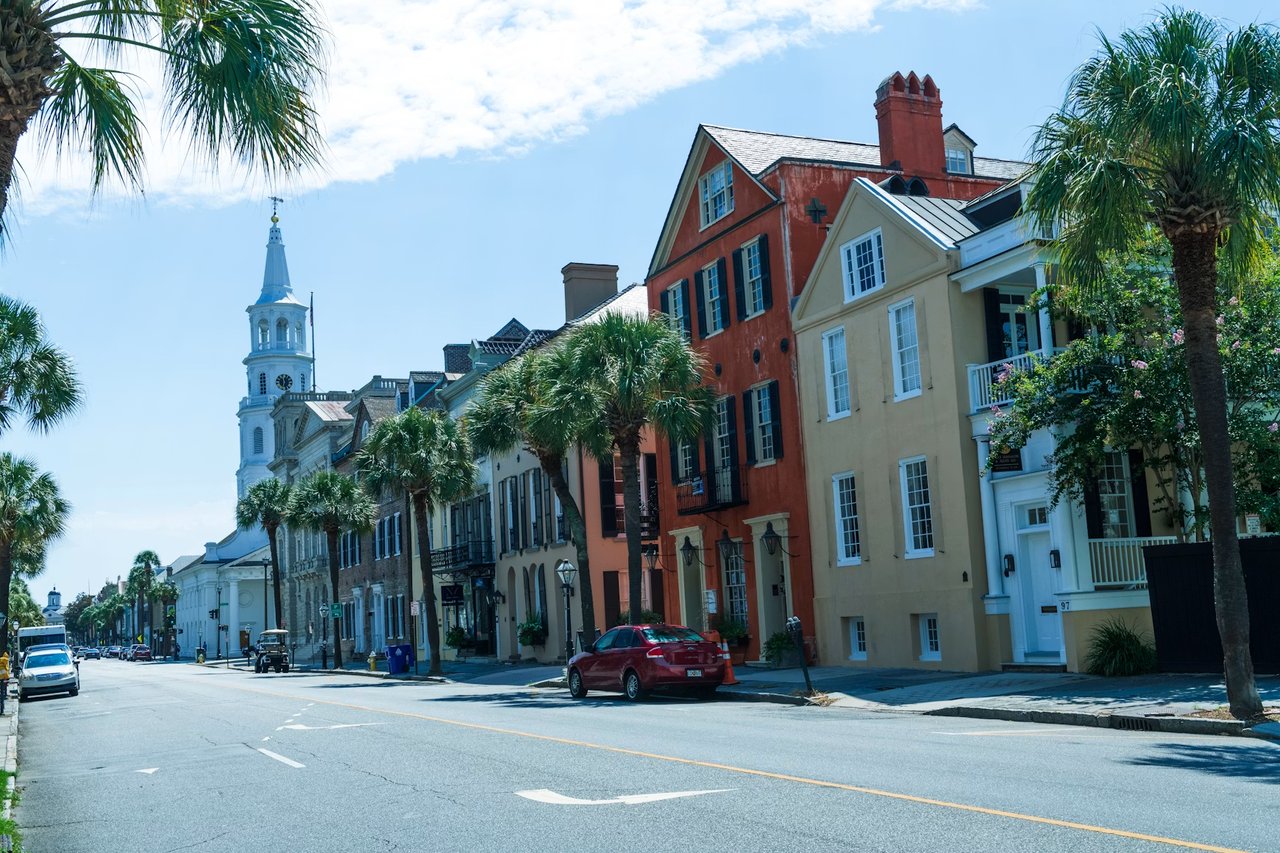
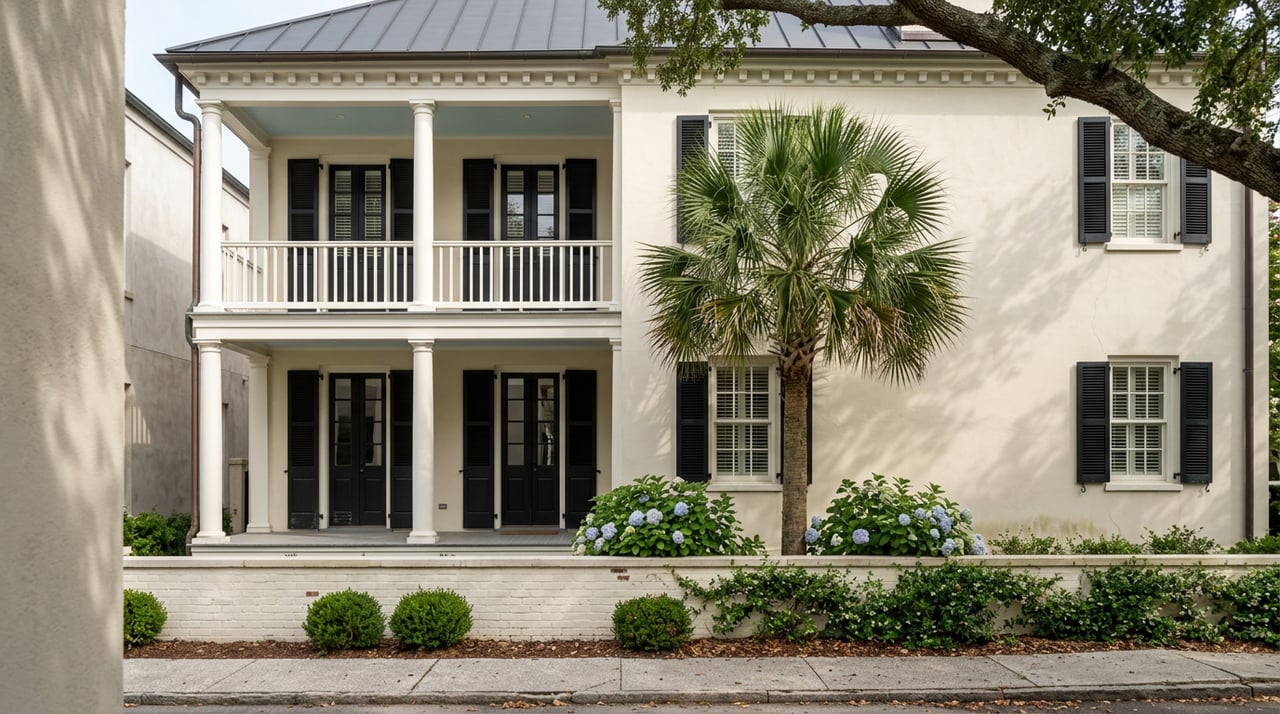
Olde Park broke ground in 2000, developed by Louis Griffith with his father Joe Griffith and attorney Joe Rice as the project's chief homeowners and partners. The design brief wasn't speed or amenity density. It was patience. Rather than let young landscaping mature over a decade, the developers preserved existing pine and oak stands and planted grown palmettos and dogwoods so the streets would feel settled from the first closing.
"The original thought was when you come in here, it's something that looks like it's been here for 30 years."
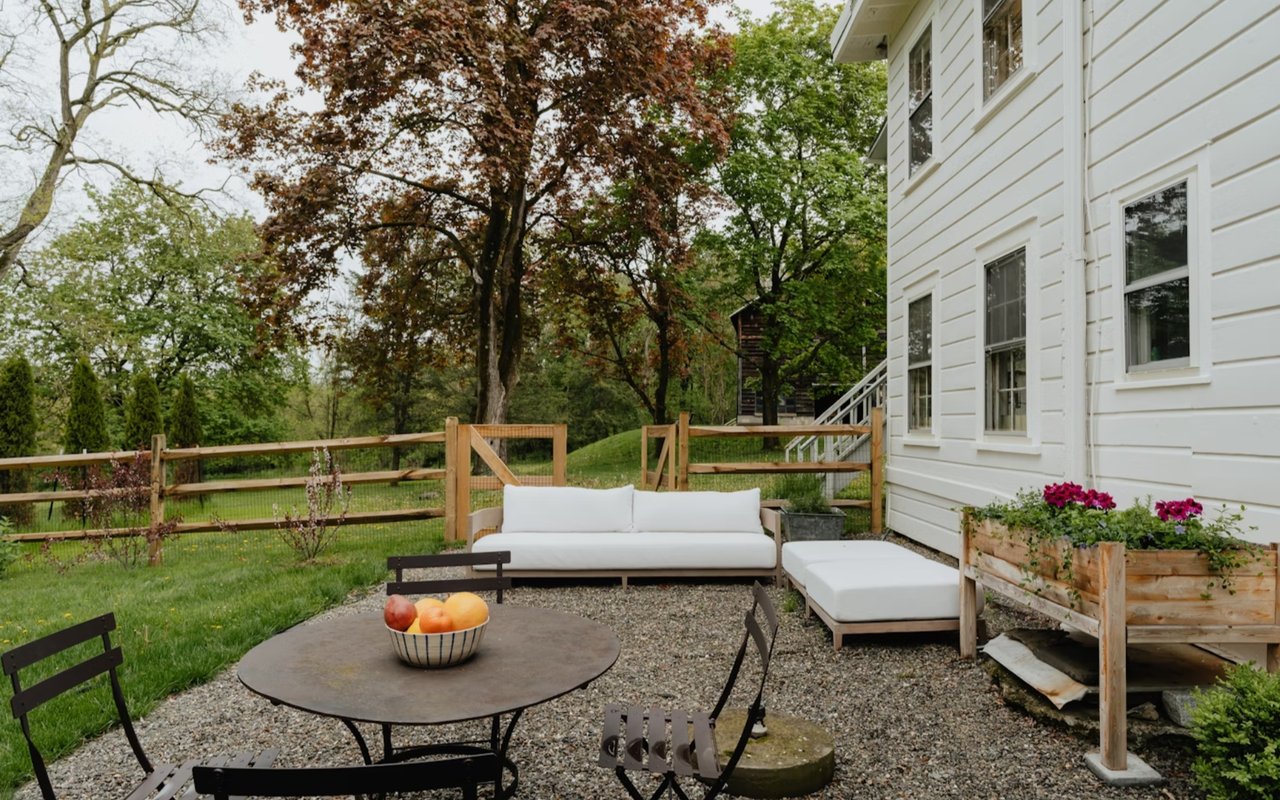
That's the whole strategy in one sentence. Olde Park's 114 homes sit on large, heavily treed lots with a boat ramp, a handful of interconnected ponds, and a gazebo, but no clubhouse, no pool, no built-in program of events. The money went into land and mature trees instead of shared infrastructure, which is exactly the inverse of what I'On's density-funded model produced next door.
What a Deep-Water Lot in the Reserve Actually Buys
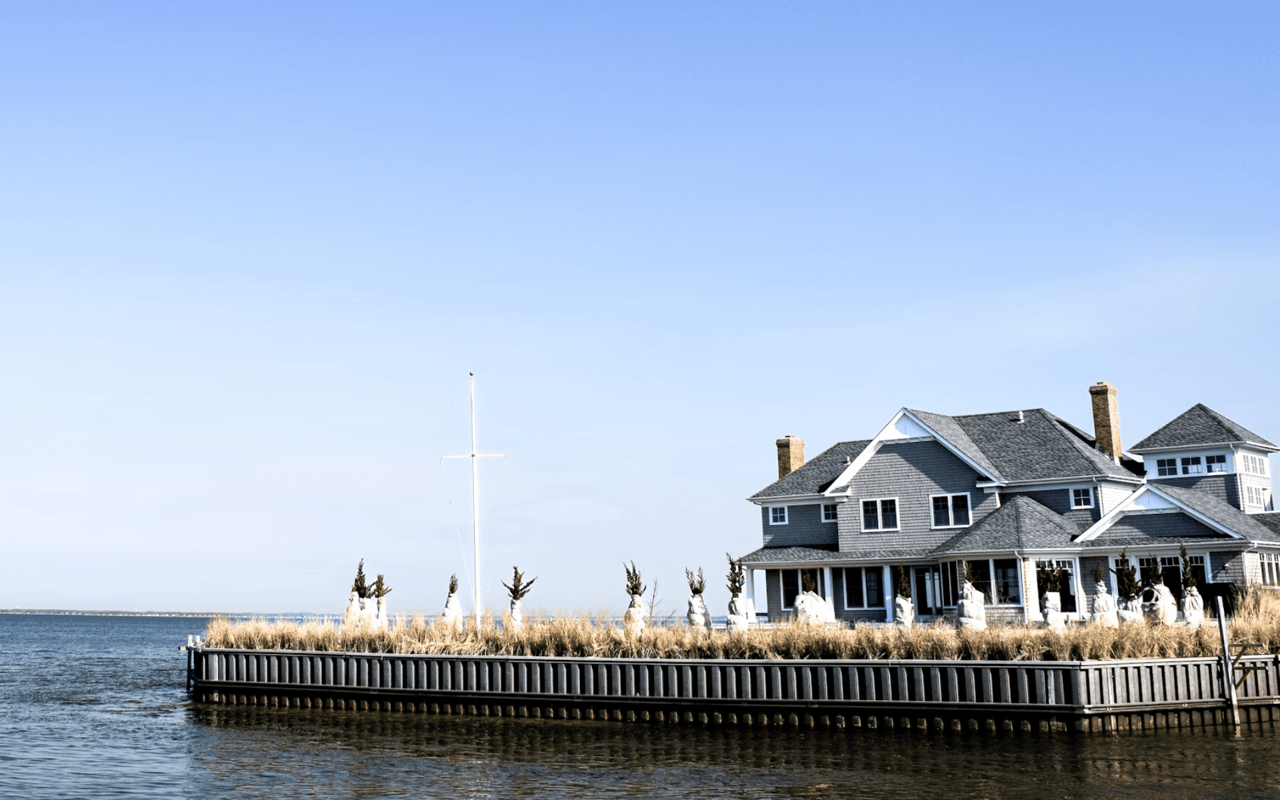
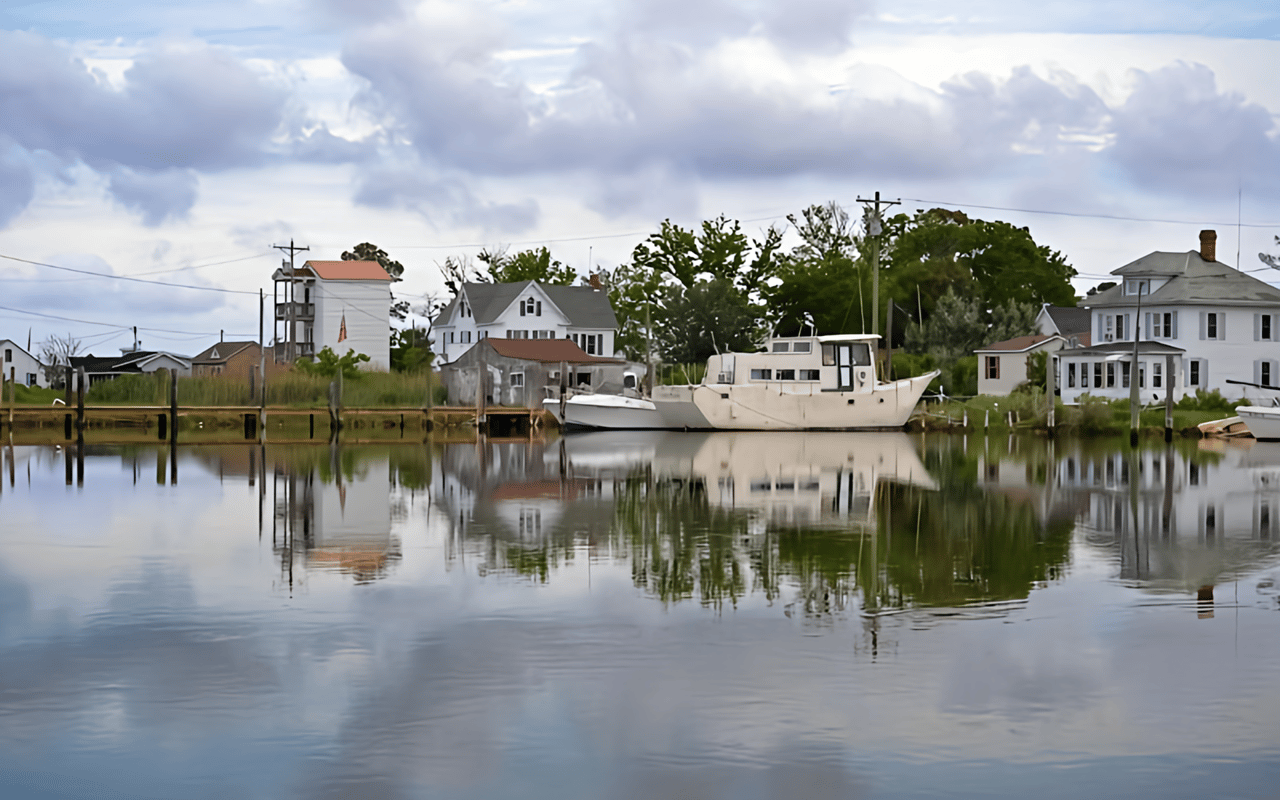
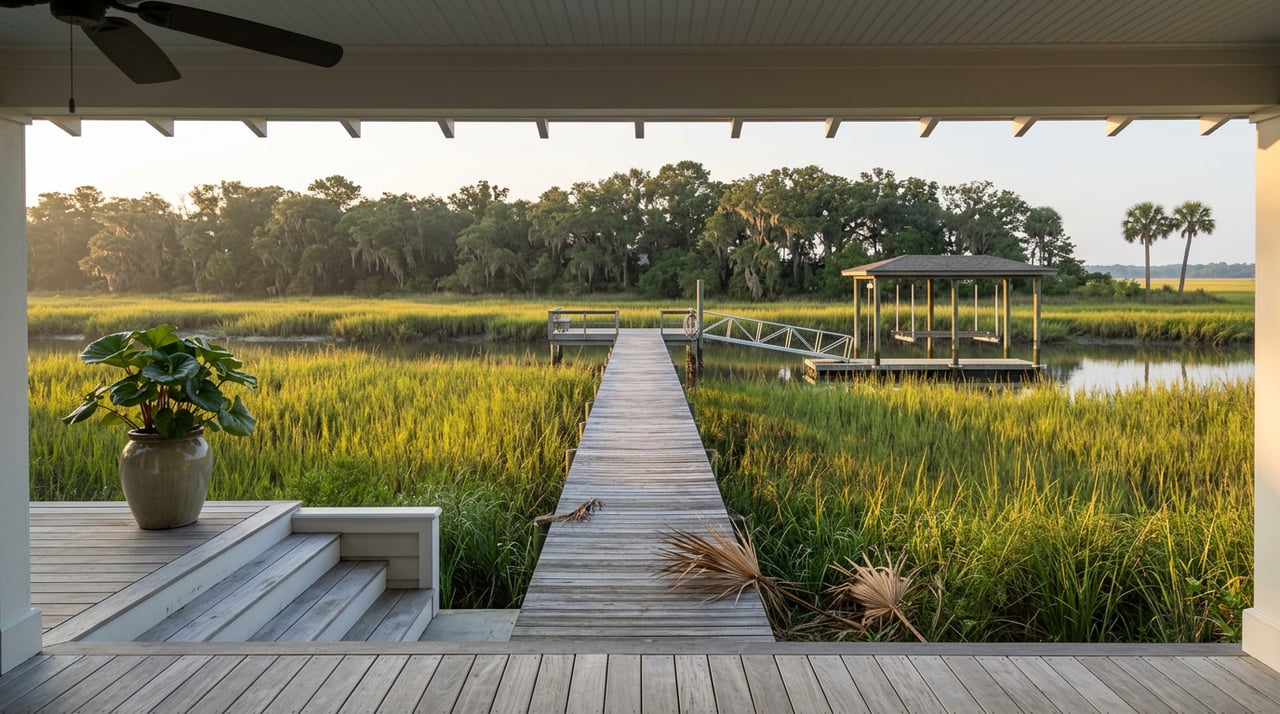
The most expensive corner of Olde Park is a section called the Reserve, along a road named Olde Salt Run, where lots back up to Hobcaw Creek. One recent listing there described a custom 8,450-square-foot home on the largest lot in the subdivision, with more than 600 feet of deep-water frontage, an 85-foot floating dock, and a 12,000-pound boat lift. That's not a hypothetical amenity fee buys you a slice of a shared pool. It's private water access on a scale I'On's small, walkable lots were never designed to offer.
I'On's homes sit close to the street on purpose, with sharp road bends called deflections that slow traffic and put neighbors within easy walking distance of each other and the village center. That's a deliberate trade of private acreage for public realm, the reverse of Olde Park's bet. Neither is a better neighborhood. They're optimized for different buyers, and the lot sizes and dues structures are just the visible evidence of that choice.
Why "Median Price" Means Something Different on Each Street
I'On's March 2026 median sale price came in around $2.3 million, while the trailing 12-month median sat closer to $2.0 million. That gap between a single month and a full year isn't a red flag, it's a reminder that even a healthy, liquid market with 761 total lots will show month-to-month noise. With that many titleholding lots, though, the trend line still means something. Buyers can reasonably use I'On's median as a planning anchor.
Olde Park can't offer the same comfort. With only 114 homes total and typically just one or two active listings at a time, a single high-end waterfront sale in the Reserve section can swing the neighborhood's reported average by hundreds of thousands of dollars. A published "average sale price" for Olde Park is really just describing whichever handful of homes happened to close recently, not a market trend. For a neighborhood this size, comparable sales on similar lot type and frontage matter far more than any headline number.
How to Actually Compare These Two Before You Write an Offer
- Ask about HOA dues and club membership as two separate line items in both neighborhoods. Neither bundles them, but only I'On's dues include trails and parks as part of the deal.
- Skip the "median price" comparison for Olde Park. With 114 total homes, ask instead for closed sales on lots with similar frontage and section within the last year.
- For any Reserve-section or creek-front Olde Park lot, get dock length, water depth, and easement details in writing. These vary listing to listing and aren't standardized across the neighborhood.
- If you're buying or selling in I'On, confirm who pays what at closing. The resale transfer fee is split, with the buyer covering 0.15% to the Assembly and the seller covering 0.10% to the I'On Trust, a structure that surprises buyers used to a single flat transfer fee.
- Decide what you're actually optimizing for. If walkability, trails, and a real civic calendar matter more to your daily life than acreage, weight I'On heavier. If privacy, mature trees, and private water access matter more, weight Olde Park heavier.
A Few Direct Questions
Can an Olde Park resident just join the I'On Club since it's next door? Yes, but on the same terms as anyone else. Membership is open to the public, including non-residents, so living in Olde Park doesn't reduce the cost or guarantee access.
Does Olde Park have any shared recreation of its own? No clubhouse, pool, or tennis facility. The neighborhood's shared spaces are its ponds, walkways, and a gazebo. Any club-style recreation is a separate purchase.
Why do Olde Park listings sometimes look wildly more expensive than I'On on a per-home basis? Partly lot size and water frontage, and partly sample size. With only 114 total homes and few active listings at any time, one large Reserve-section sale can dominate whatever "average" gets reported.
Comparing these two neighborhoods on price per square foot alone will miss the point. The real difference is what each HOA dollar was built to fund, and once you see that, the rest of the numbers make a lot more sense.
If you're weighing I'On against Olde Park, or trying to figure out which trade-off fits how you actually want to live in Mount Pleasant, Katherine Cox has walked both streets with buyers who started out comparing spec sheets and ended up choosing based on what mattered once they saw it in person. Book an appointment and bring your questions about docks, dues, and everything in between.