Charleston Relocation Guide
Moving to Charleston SC: Complete Relocation & Living Guide
What should you know before moving to Charleston, SC? Relocating to Charleston offers a thriving economy driven by aerospace, tech, and healthcare, alongside rich history and coastal recreation. While the cost of living is 12% above the national average, competitive median home prices around $493,000 and strong job growth make it a premier relocation destination.
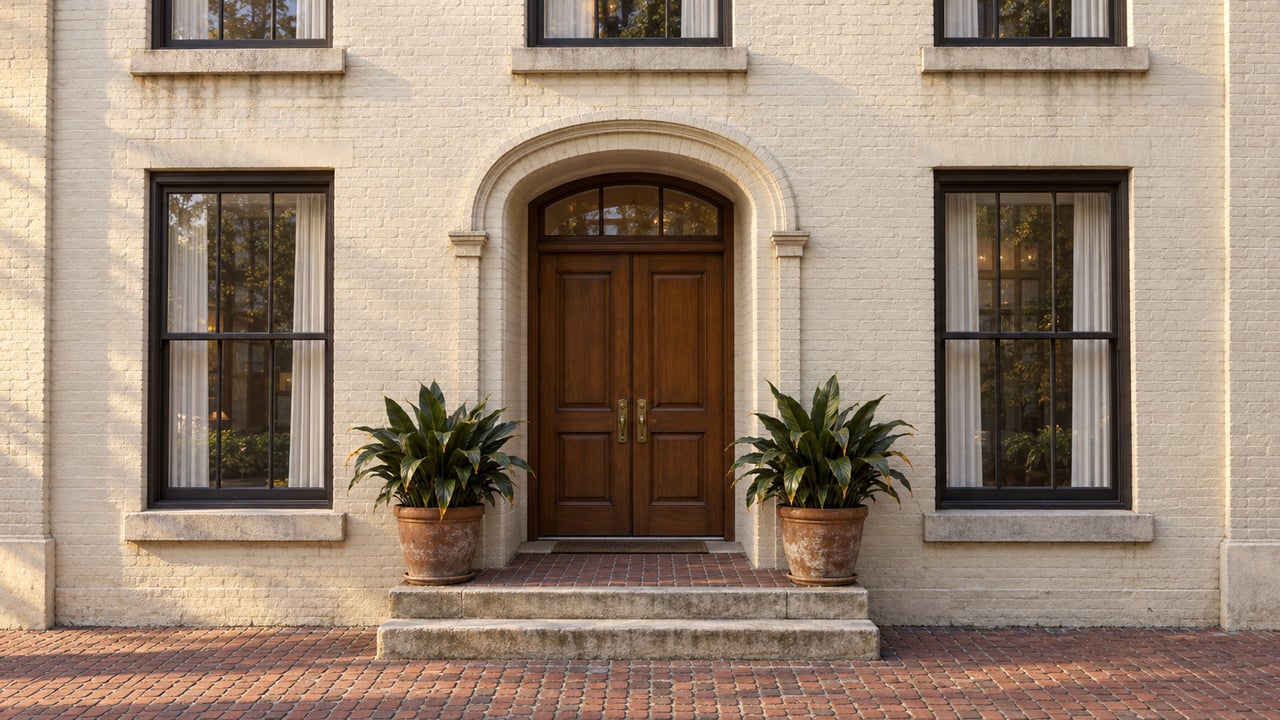
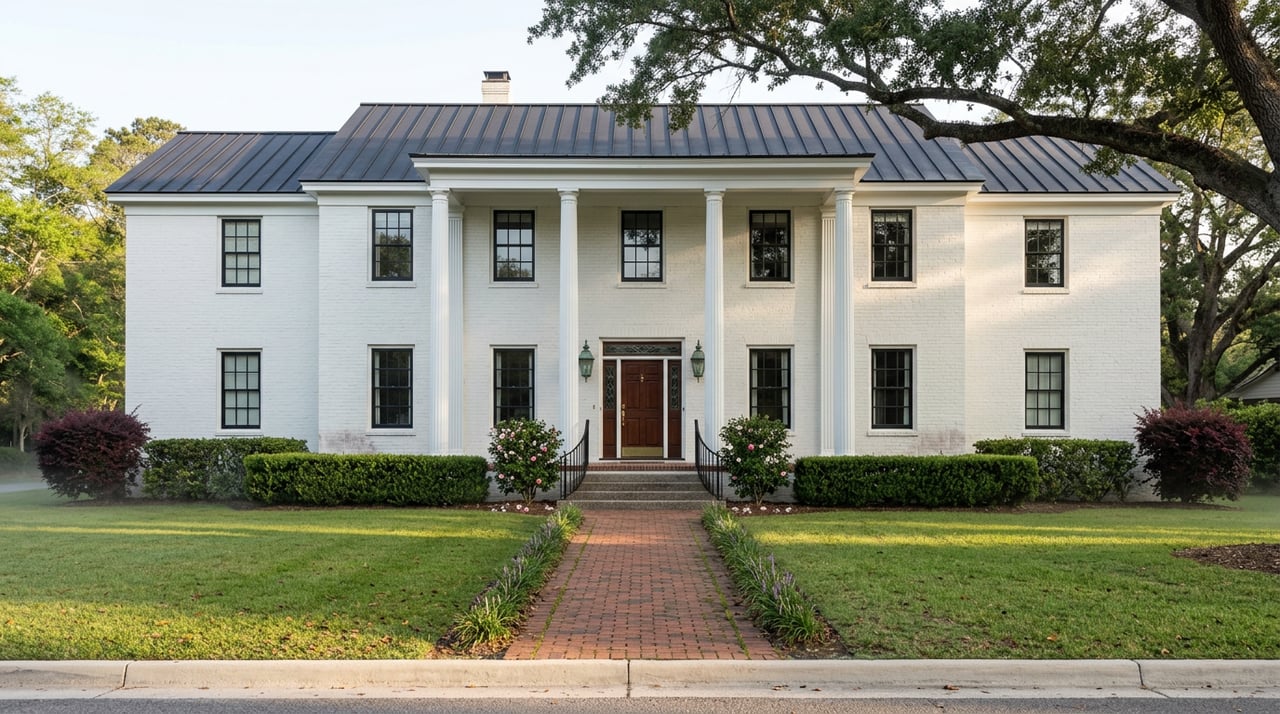
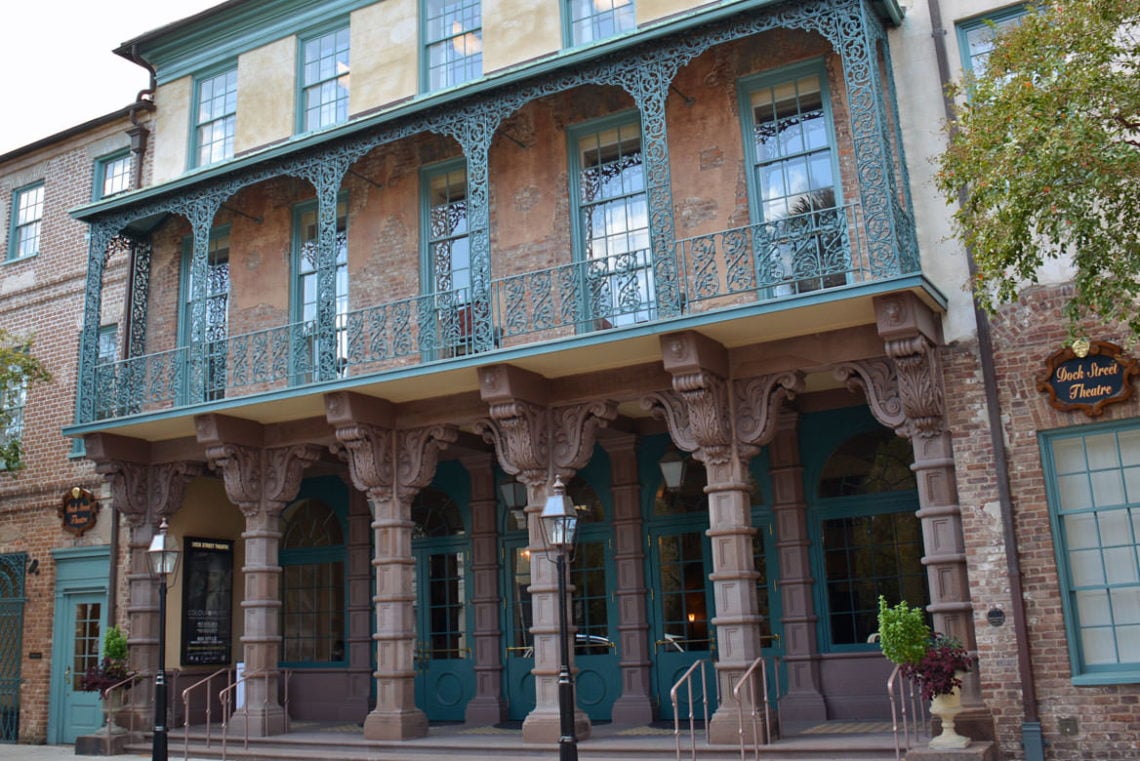
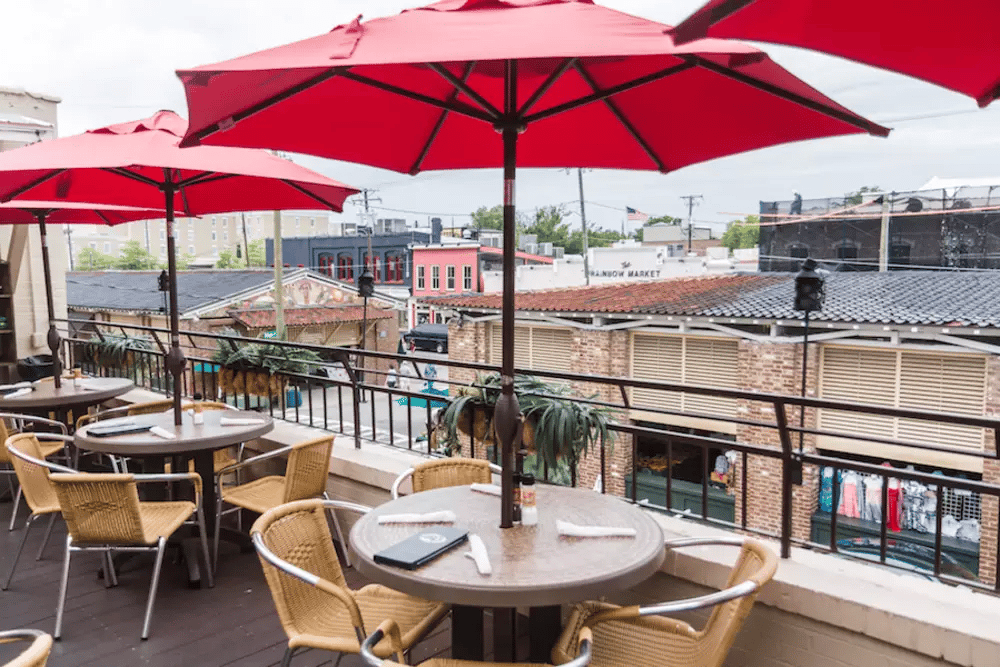
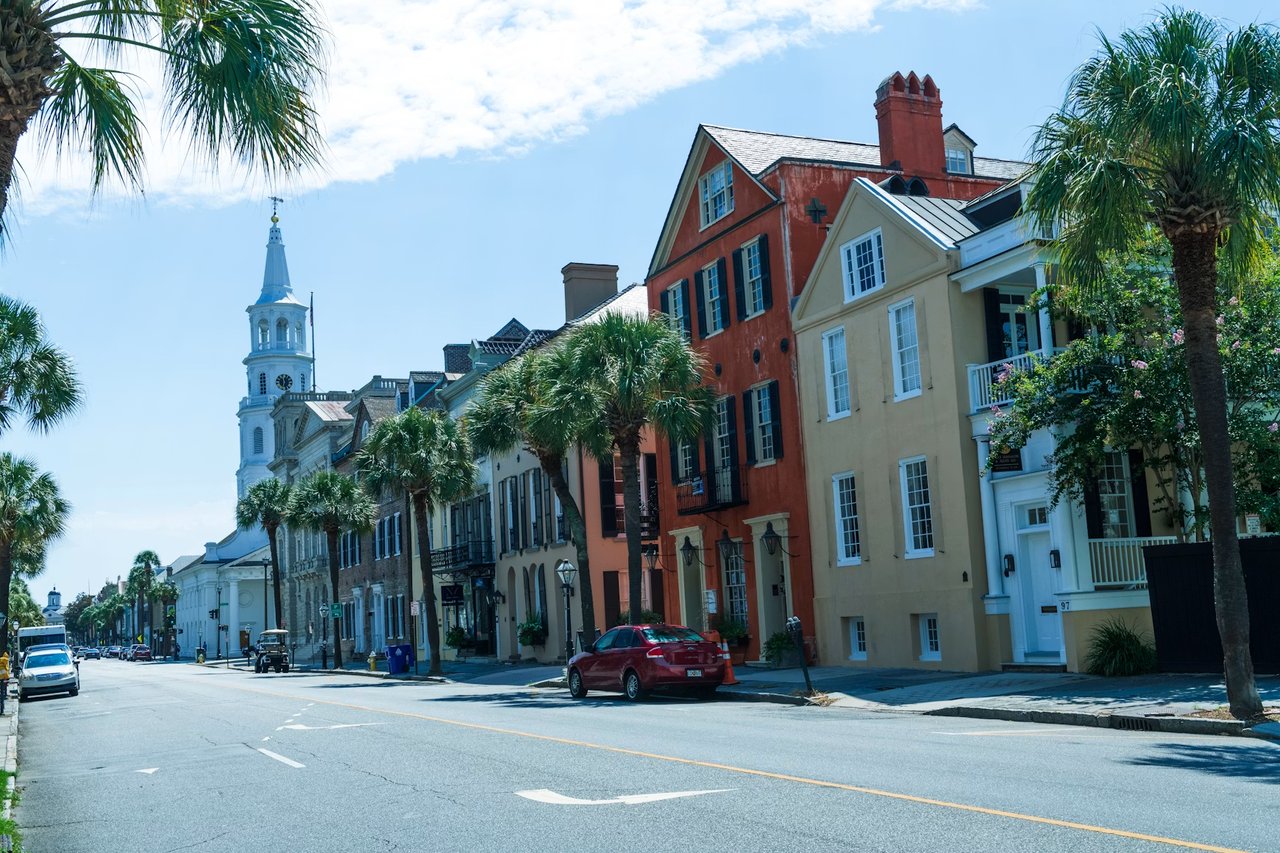
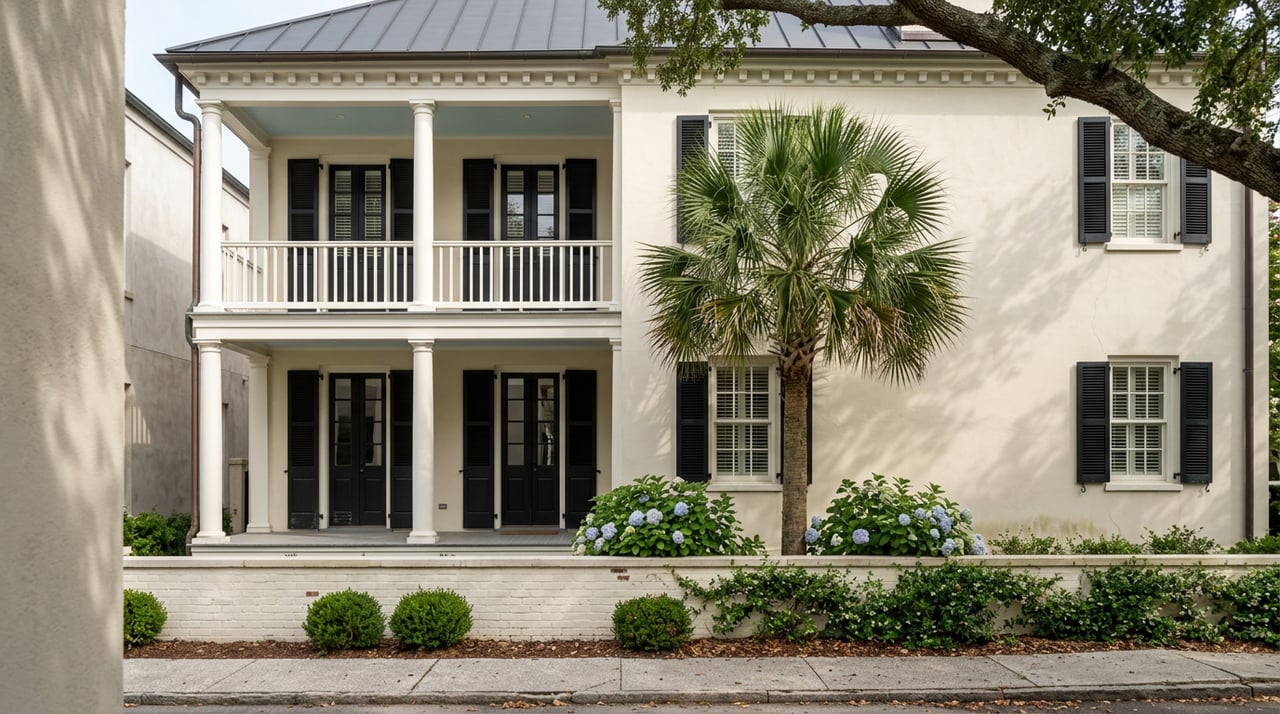
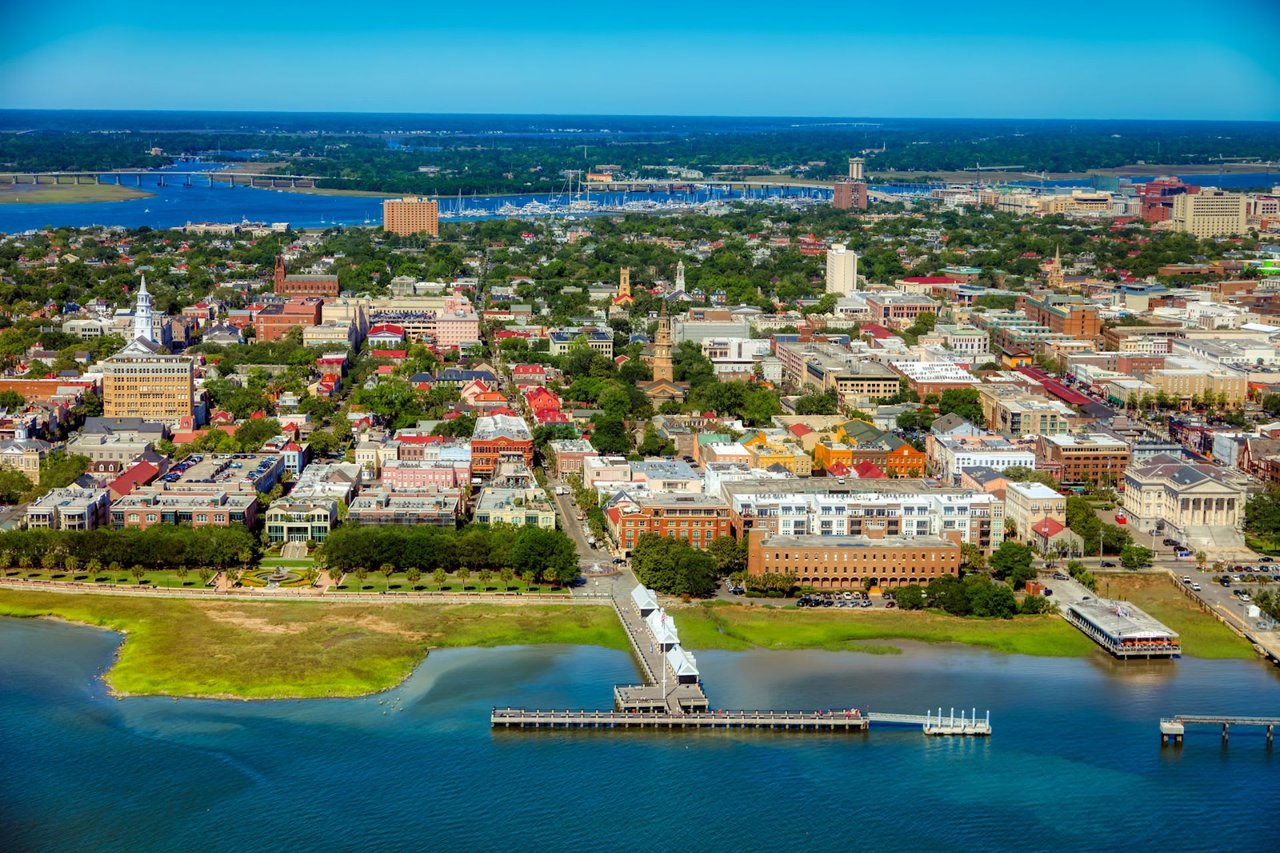
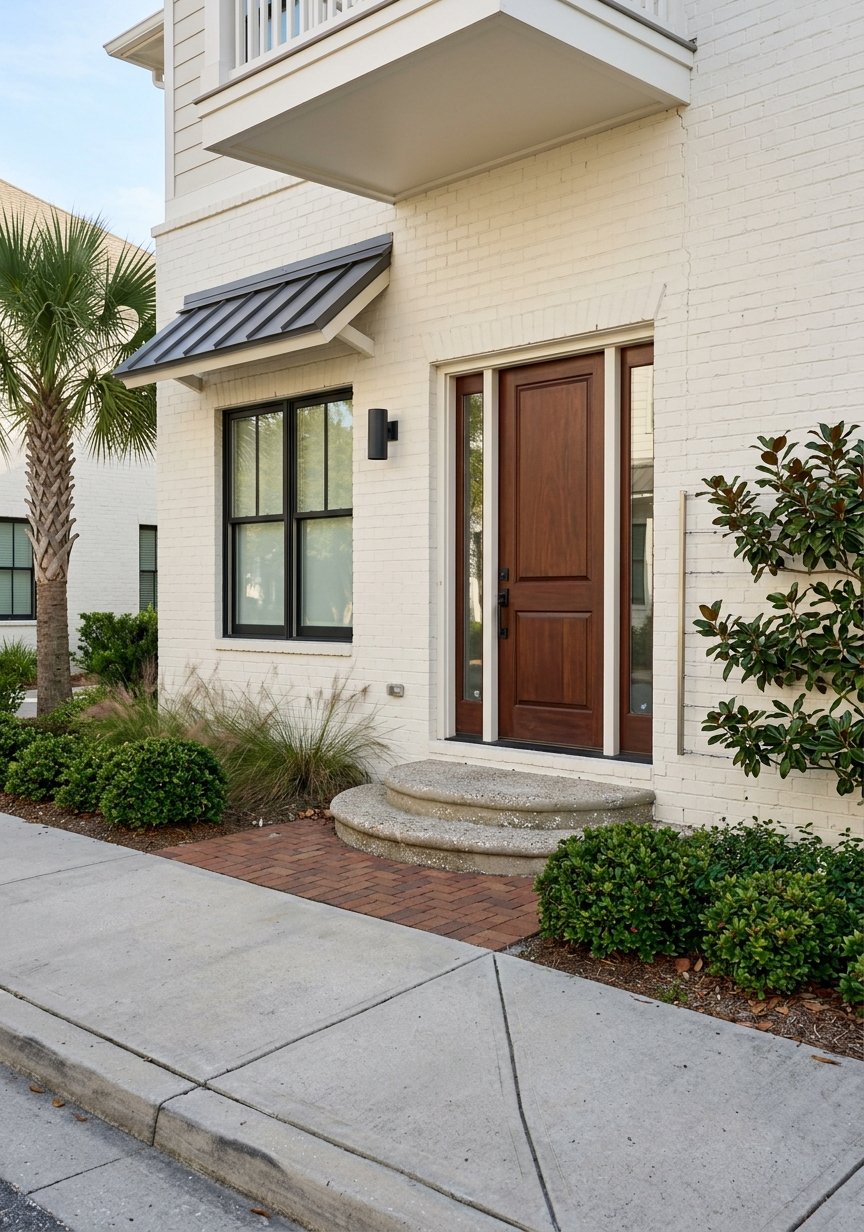
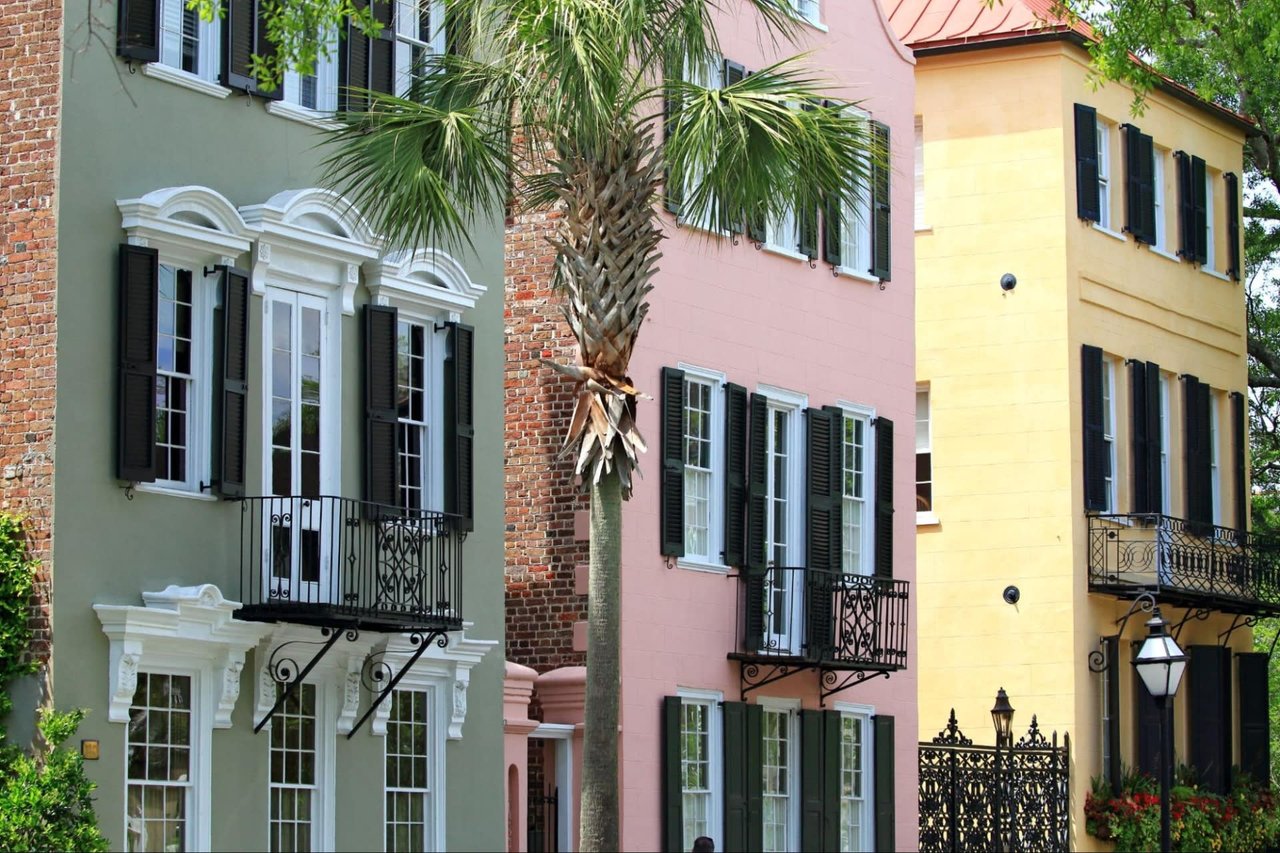
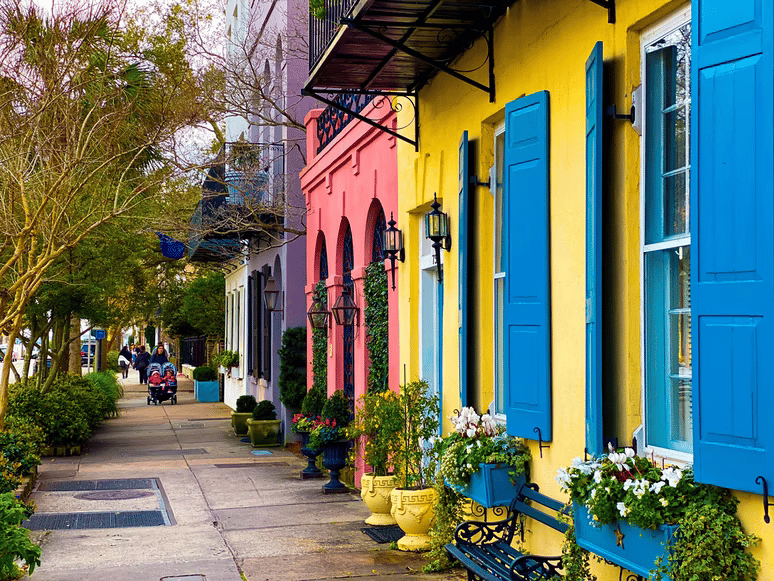
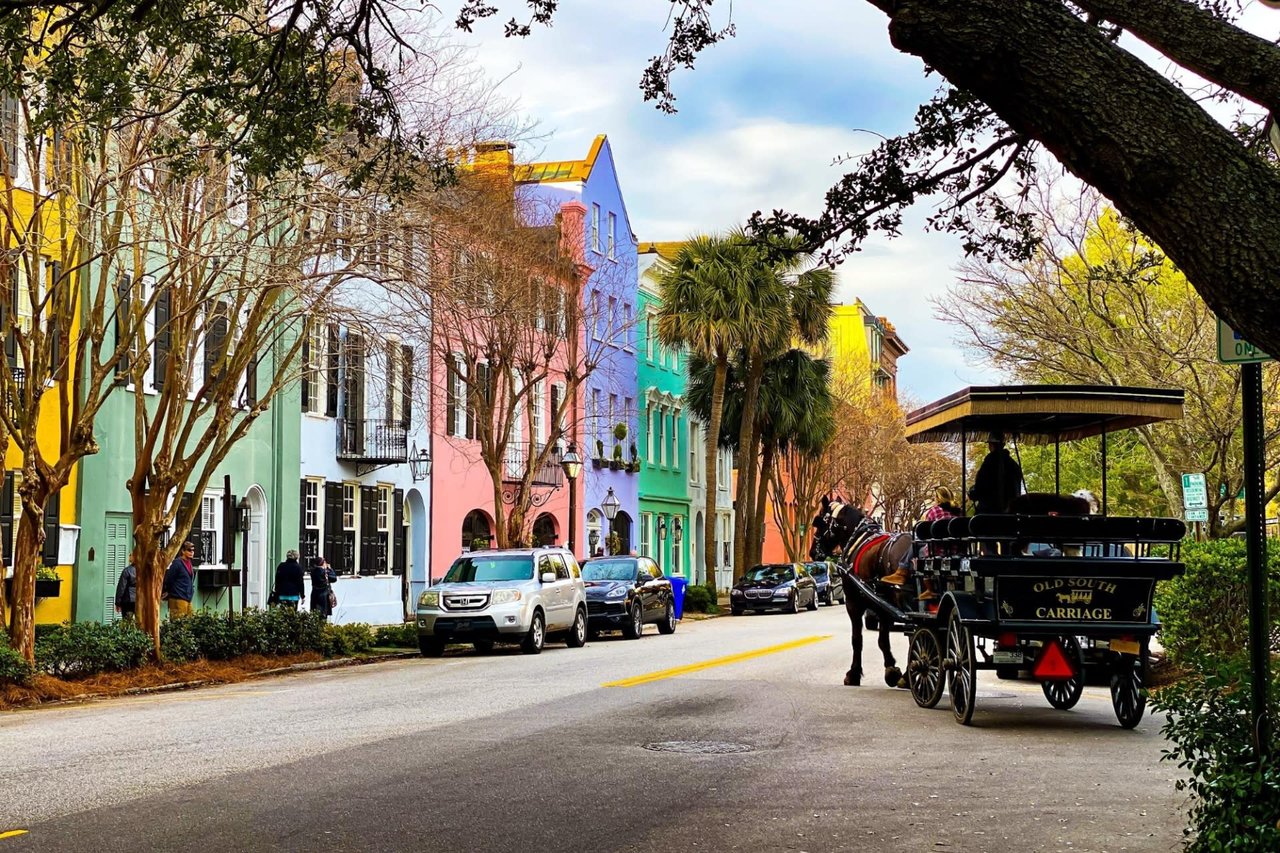
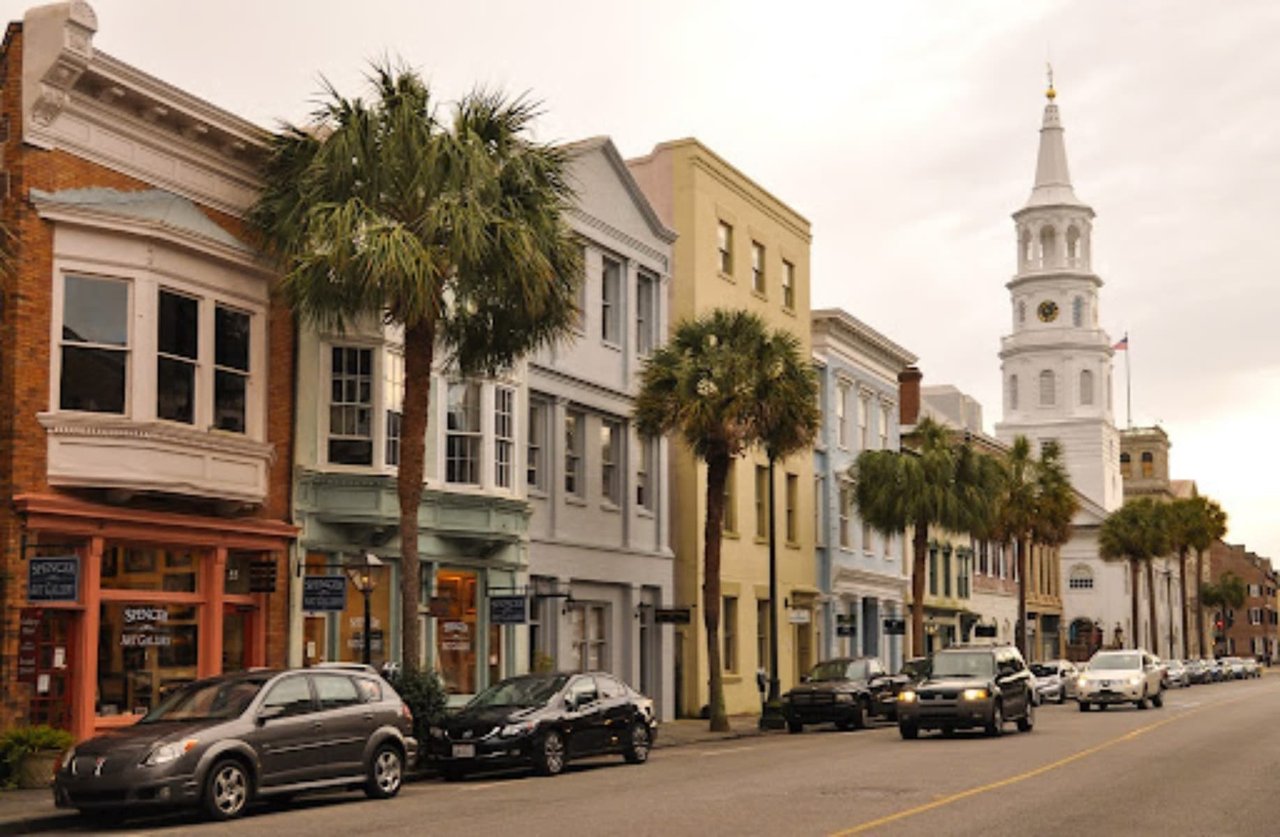
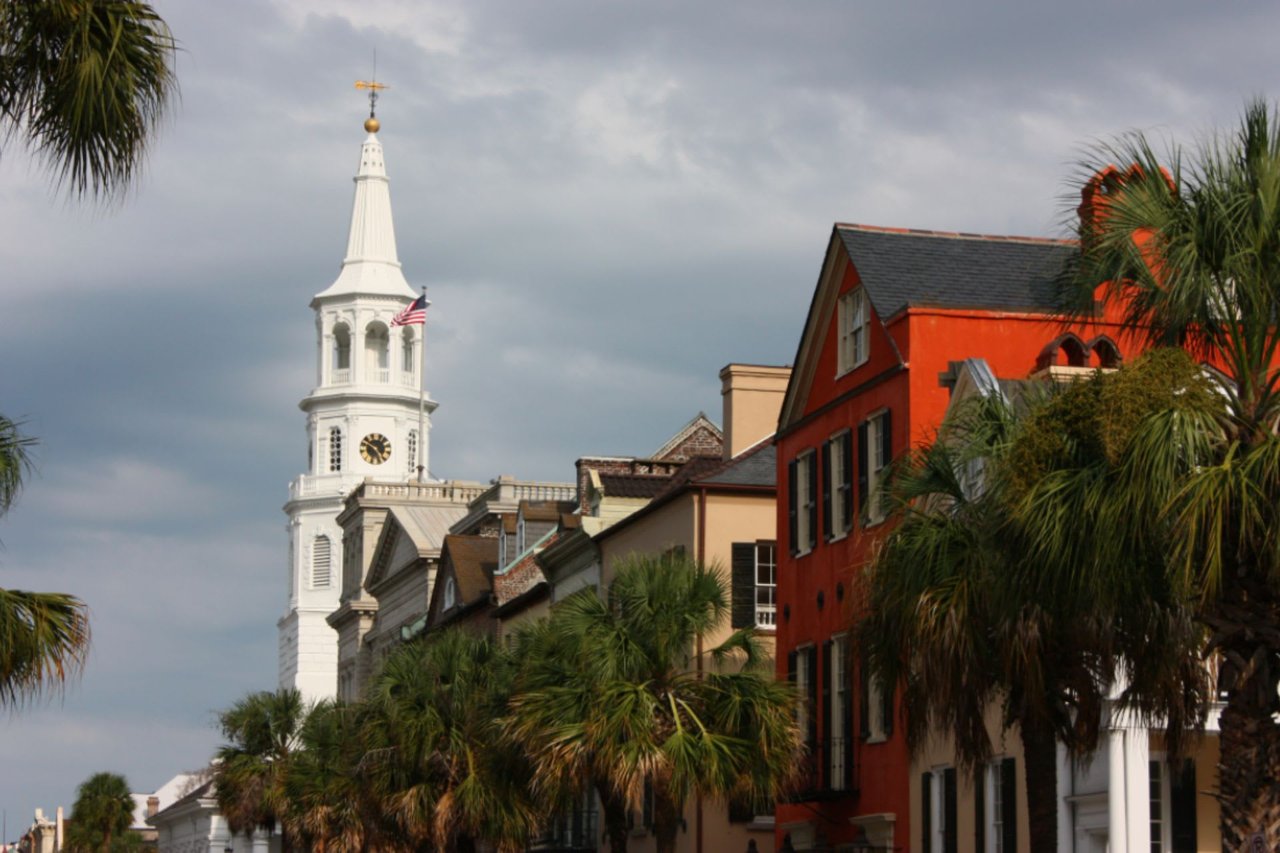
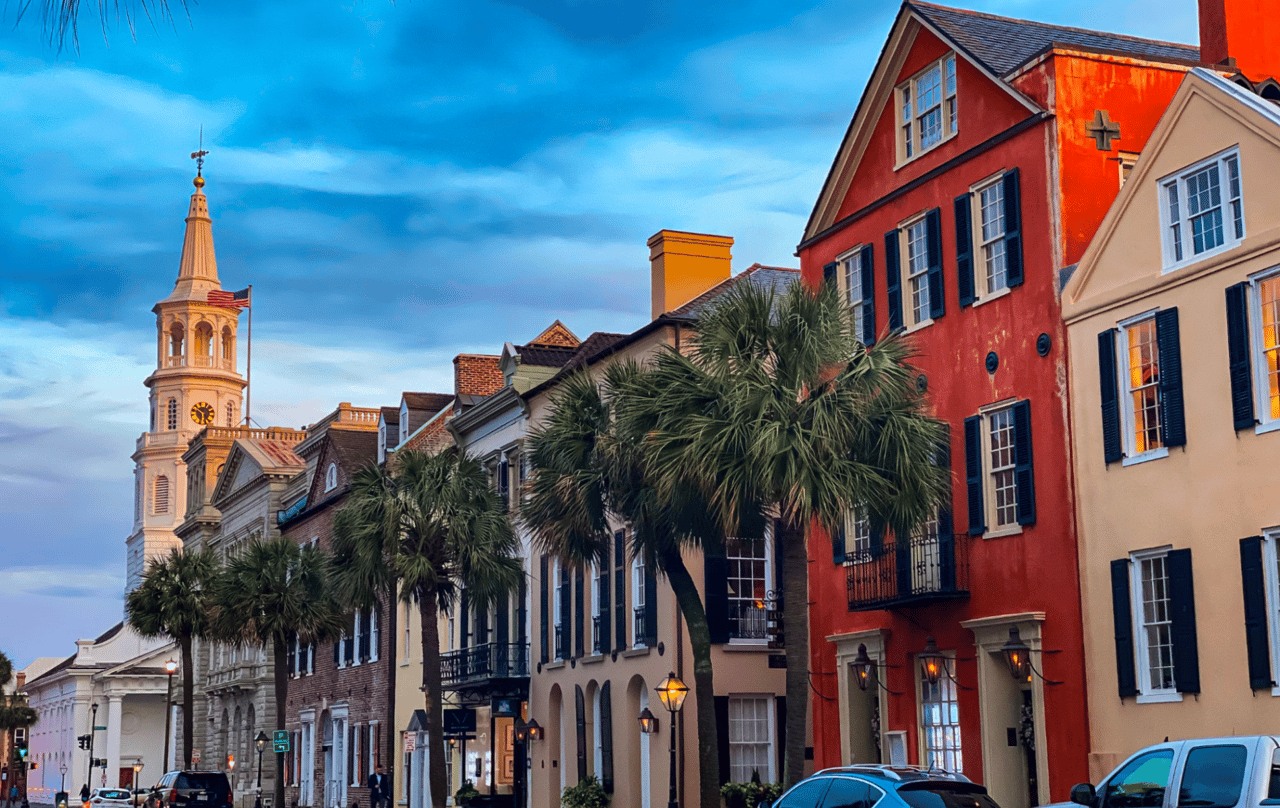
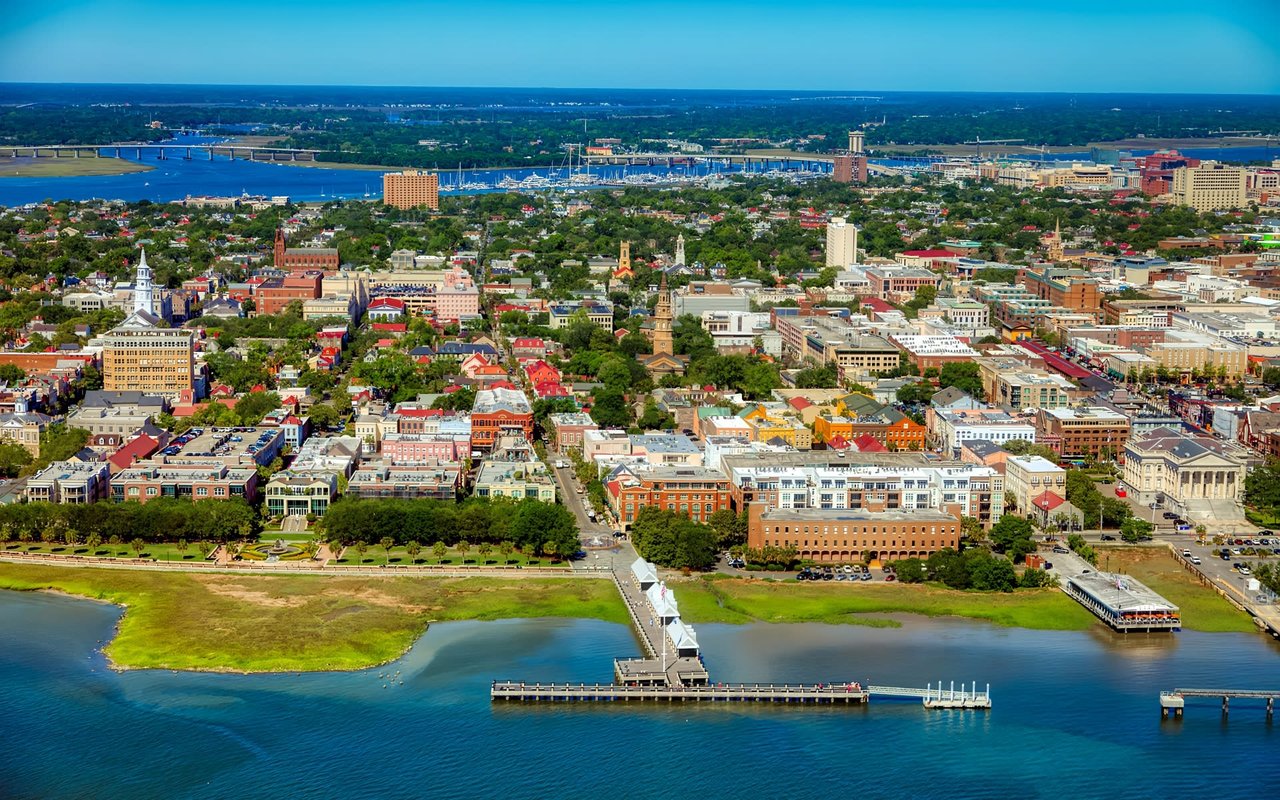
Welcome to Charleston, South Carolina, a historic coastal city where southern hospitality meets a thriving modern economy. Renowned for its sun-drenched Atlantic beaches, centuries-old cobblestone streets, and magnificent historic architecture, Charleston is a picturesque Lowcountry haven. Walking through the city, you are transported across eras by gas-lit lanterns, majestic palmetto trees, and beautifully preserved antebellum homes.
What truly distinguishes Charleston is its welcoming, close-knit community. Residents take immense pride in their neighborhoods, eagerly sharing the region's rich culture, culinary arts, and natural beauty with newcomers. Whether you are moving to Charleston for career advancement, coastal real estate, top-ranked schools, or undeniable charm, relocating to the Holy City is an extraordinary journey.
Charleston's cost of living sits approximately 12% above the national average and 25.4% above the South Carolina state baseline. This regional premium reflects Charleston's high quality of life, coastal desirability, and strong economic performance. Higher living expenses are matched by above-average local earnings, with a median household income of $76,556 compared to the U.S. national average of $69,021.
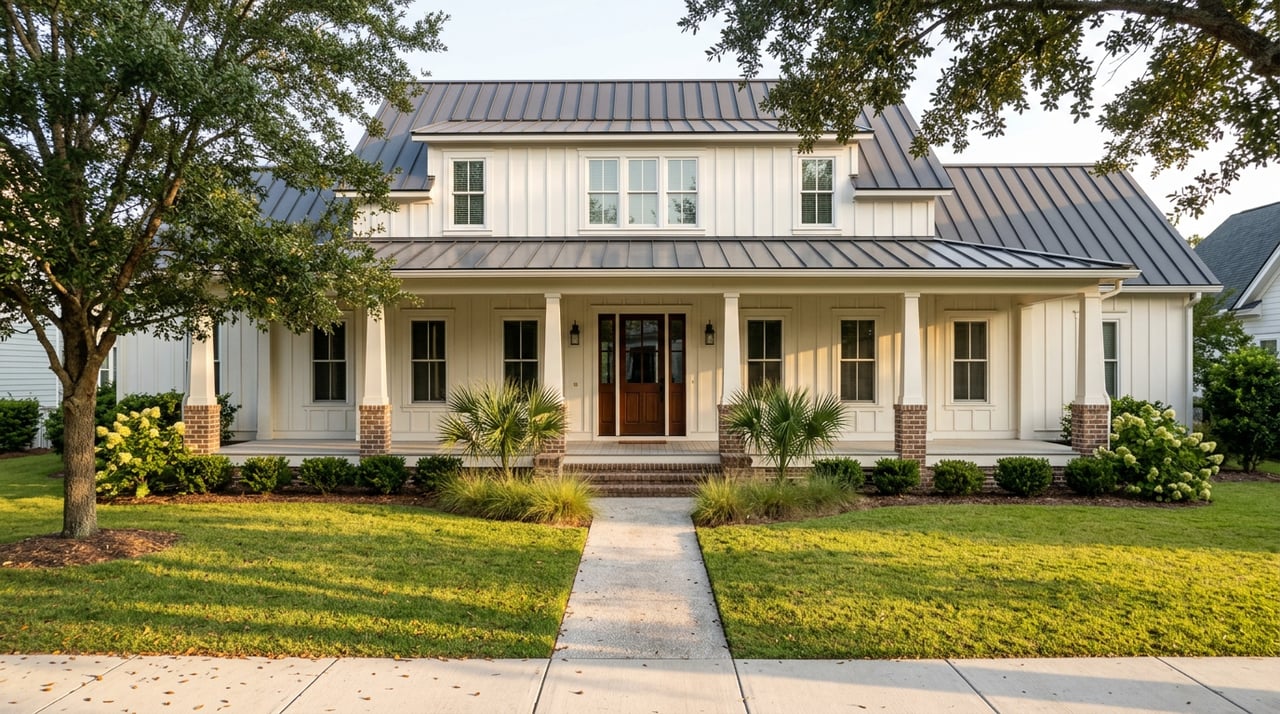
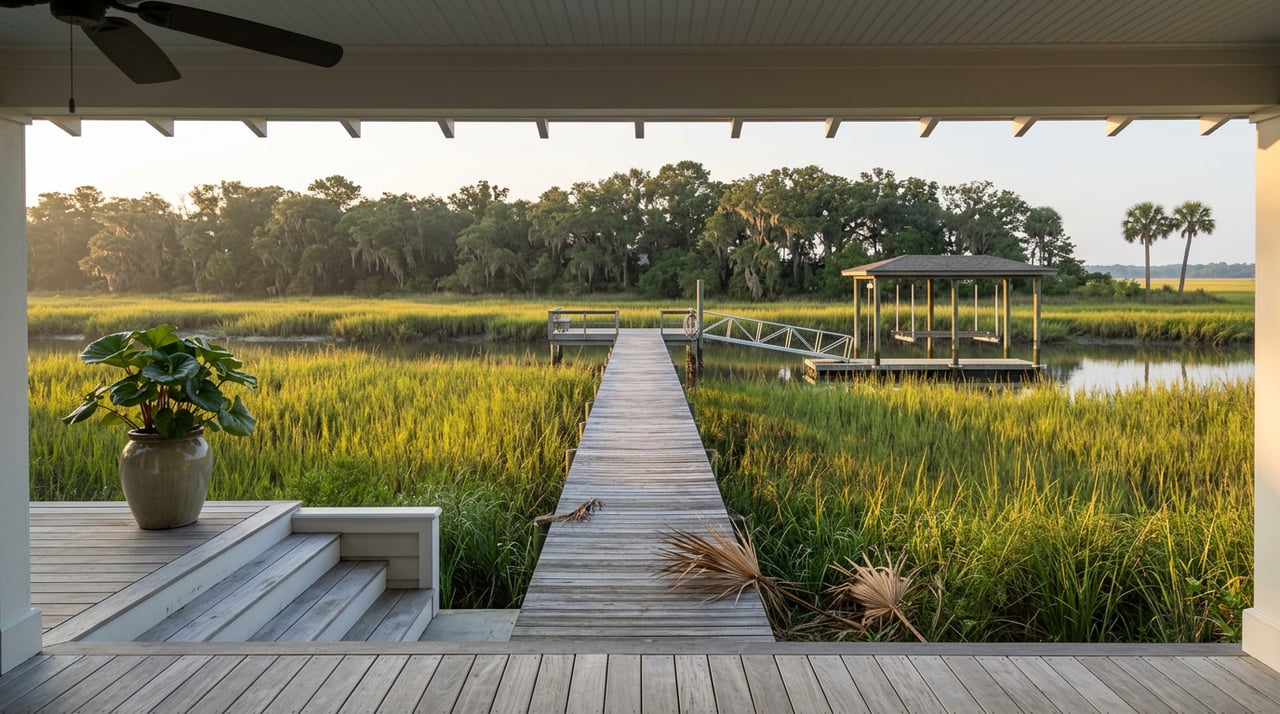
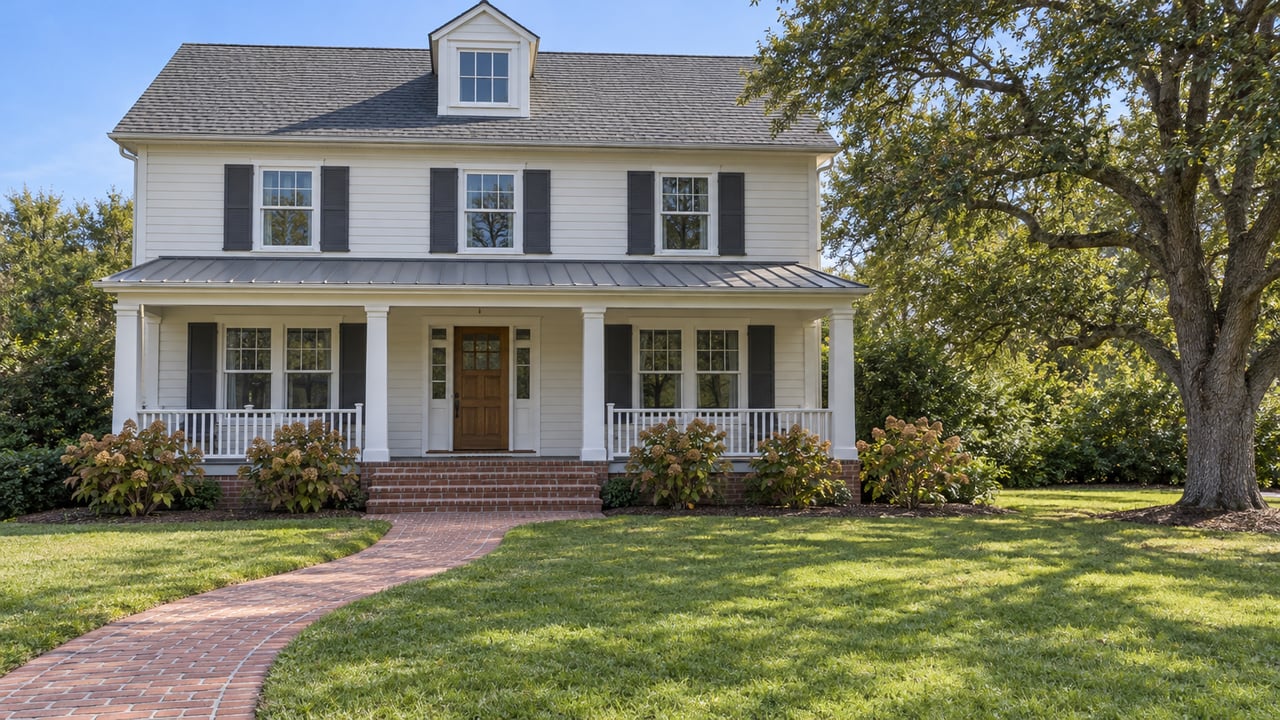
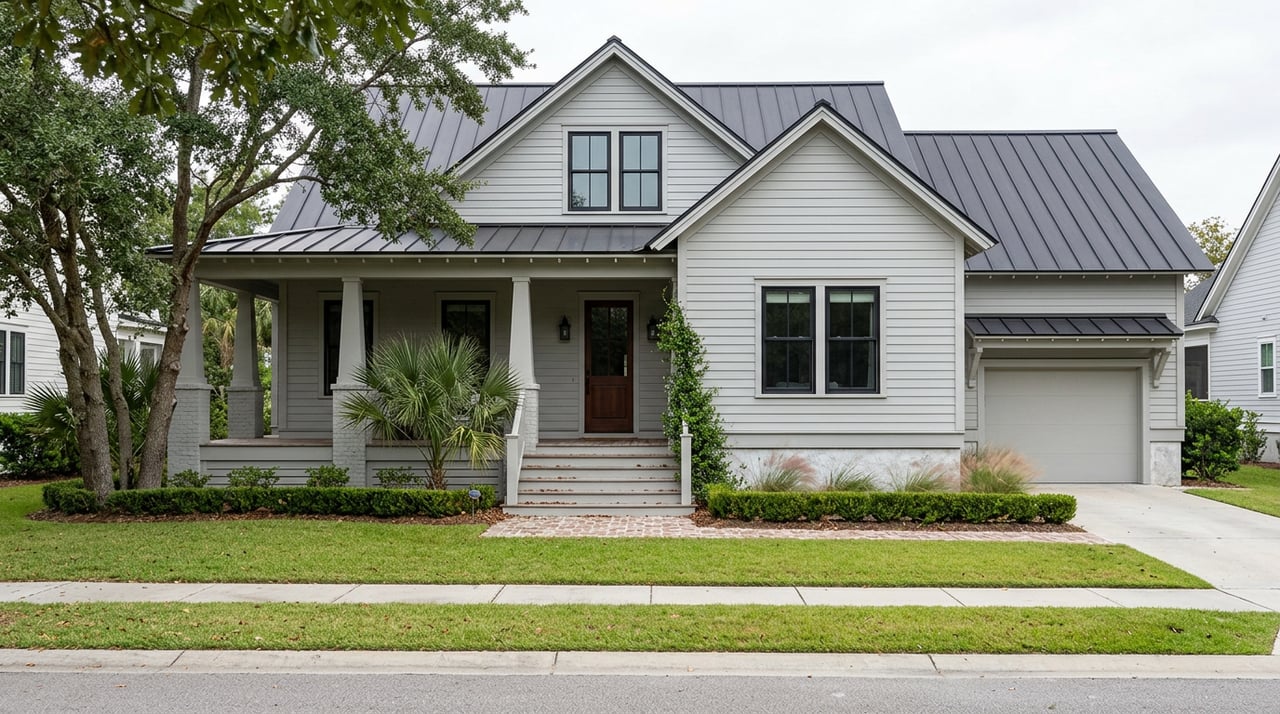
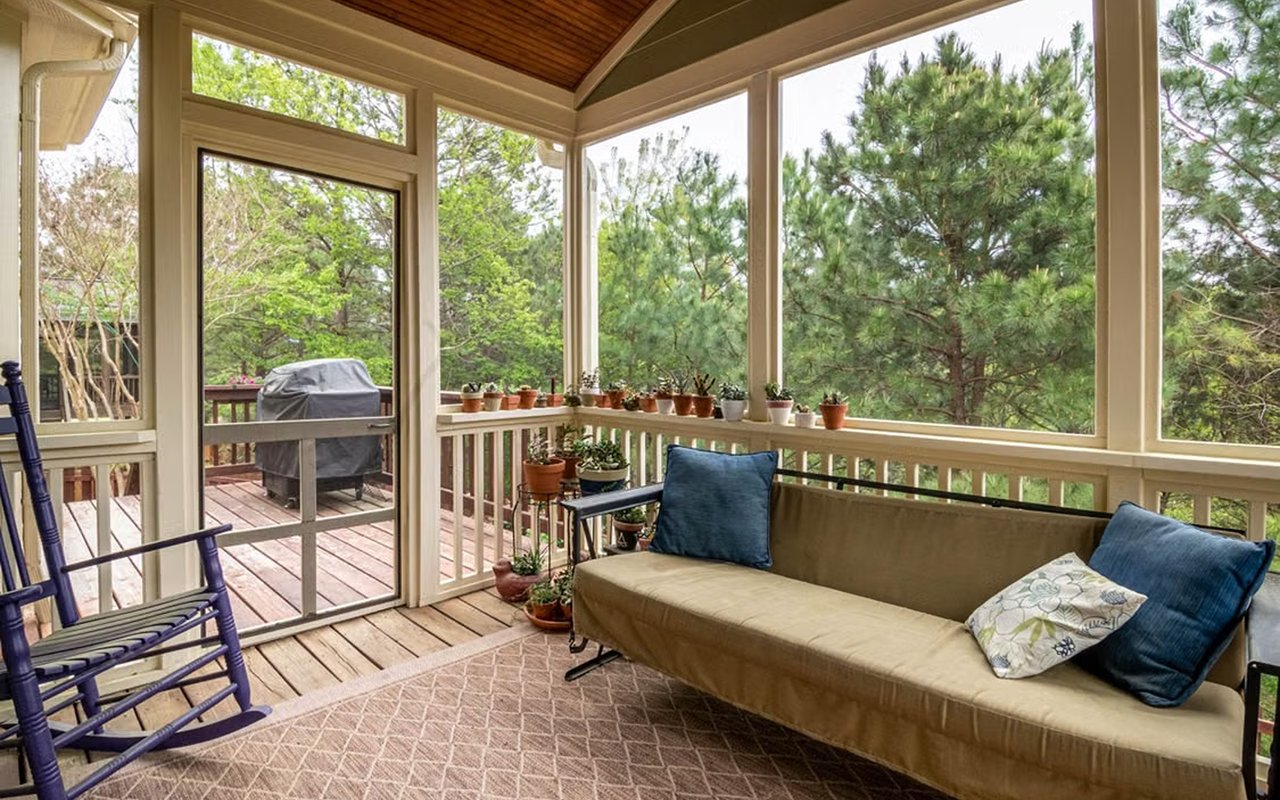
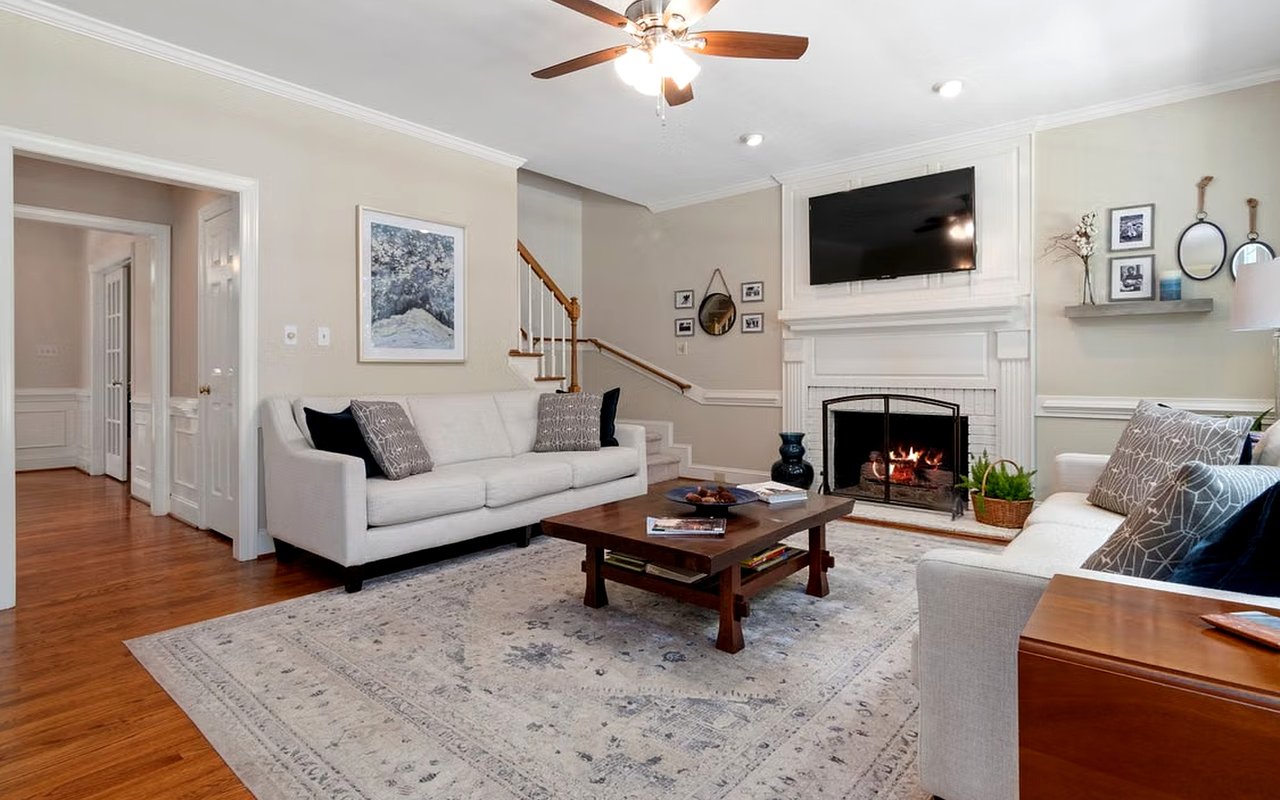
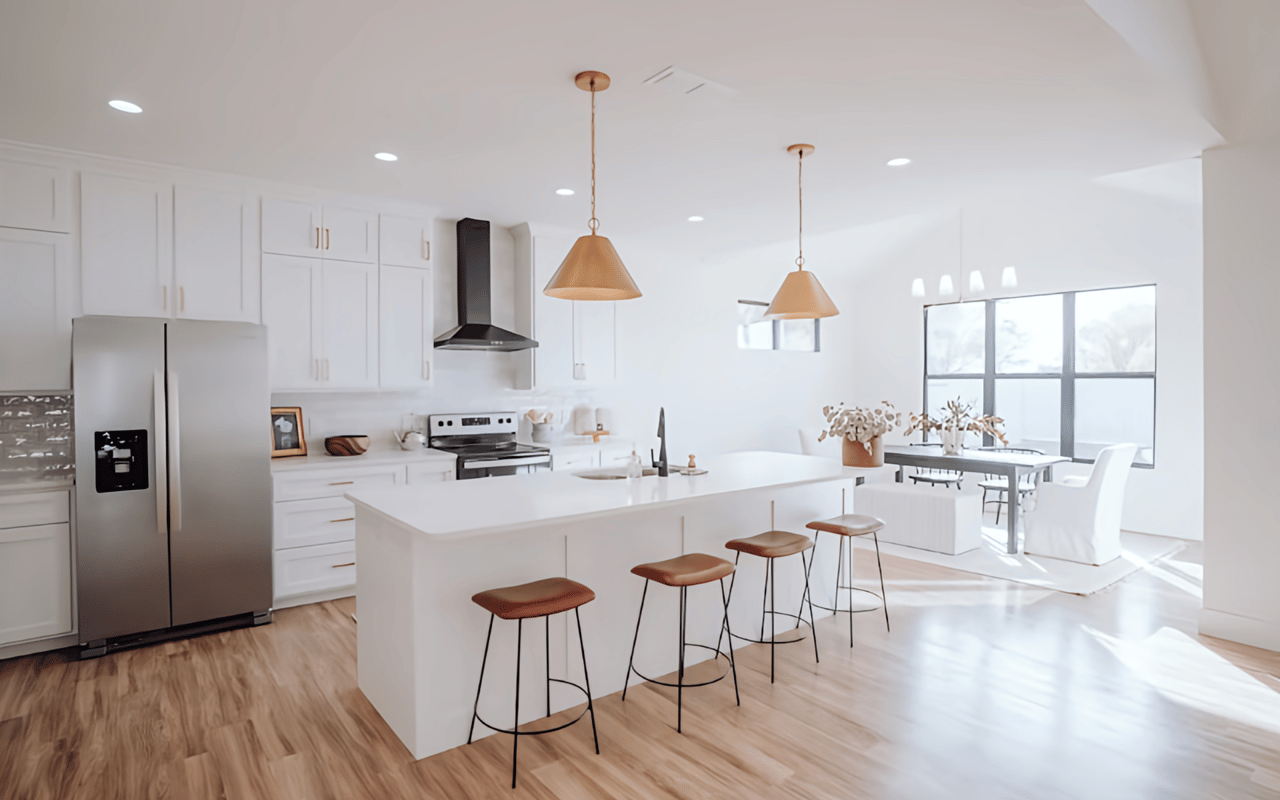
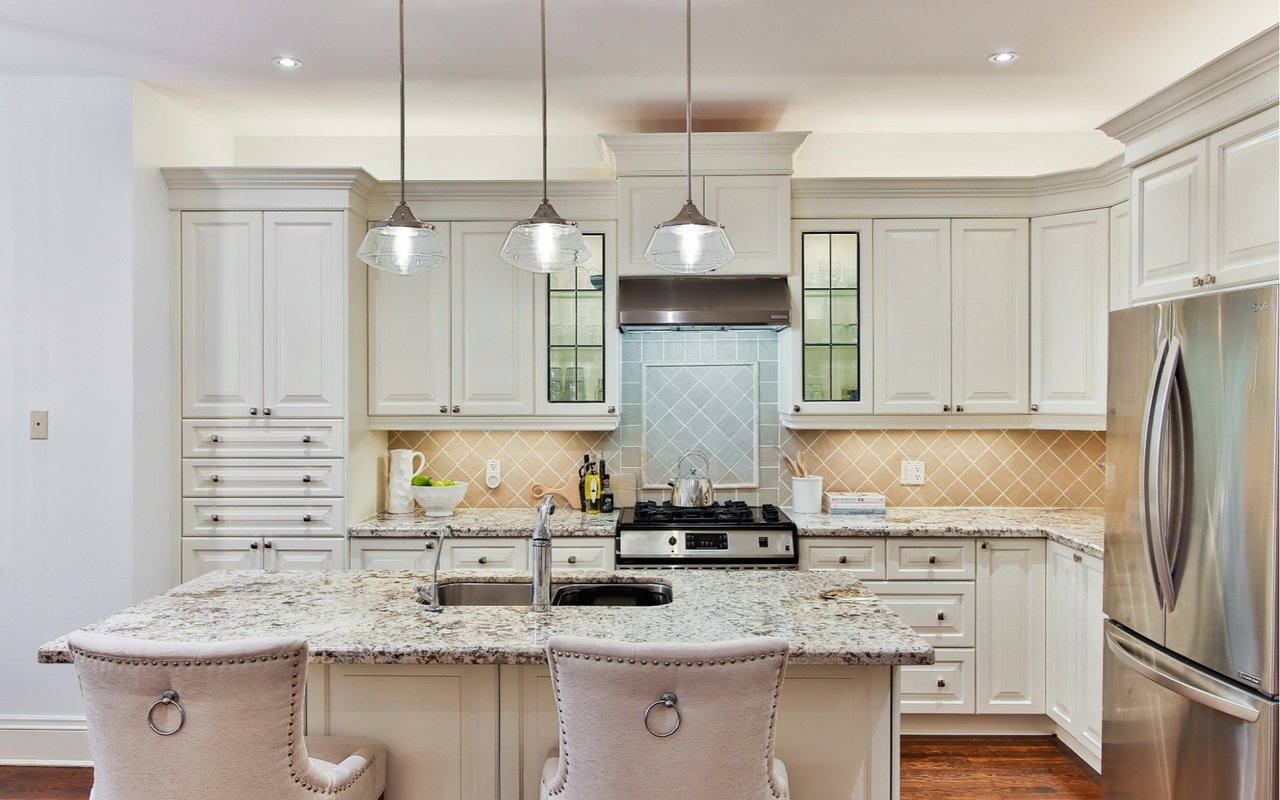
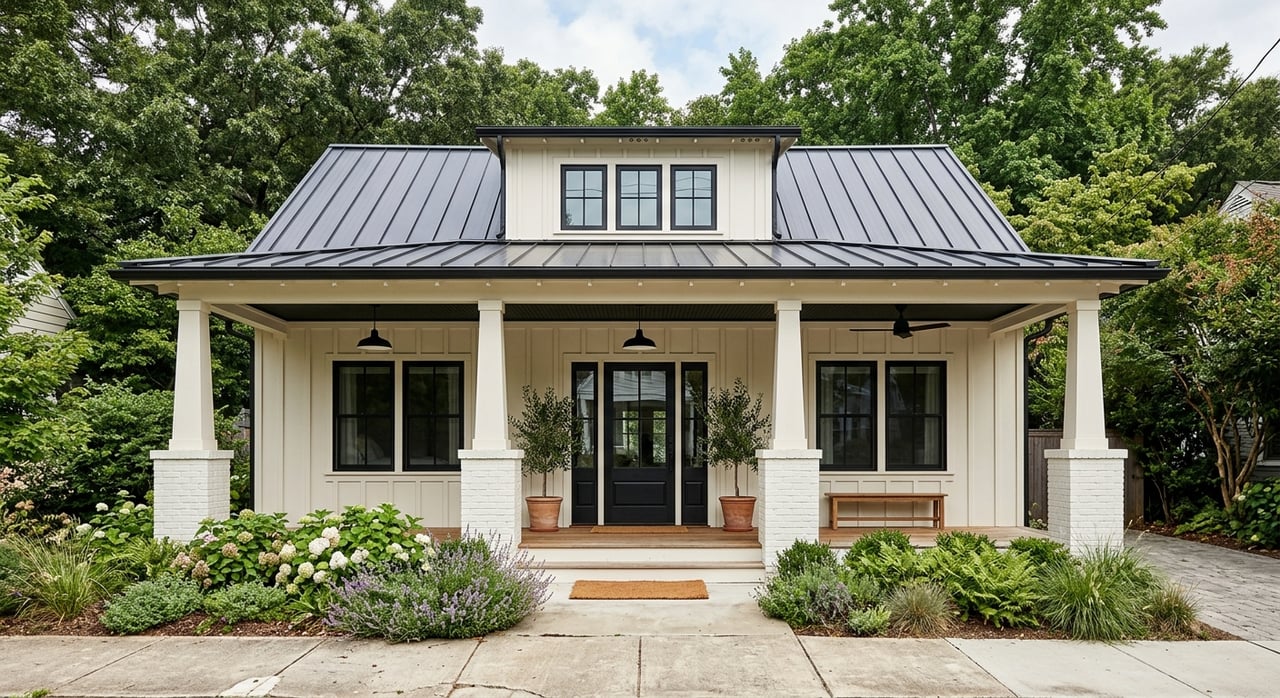
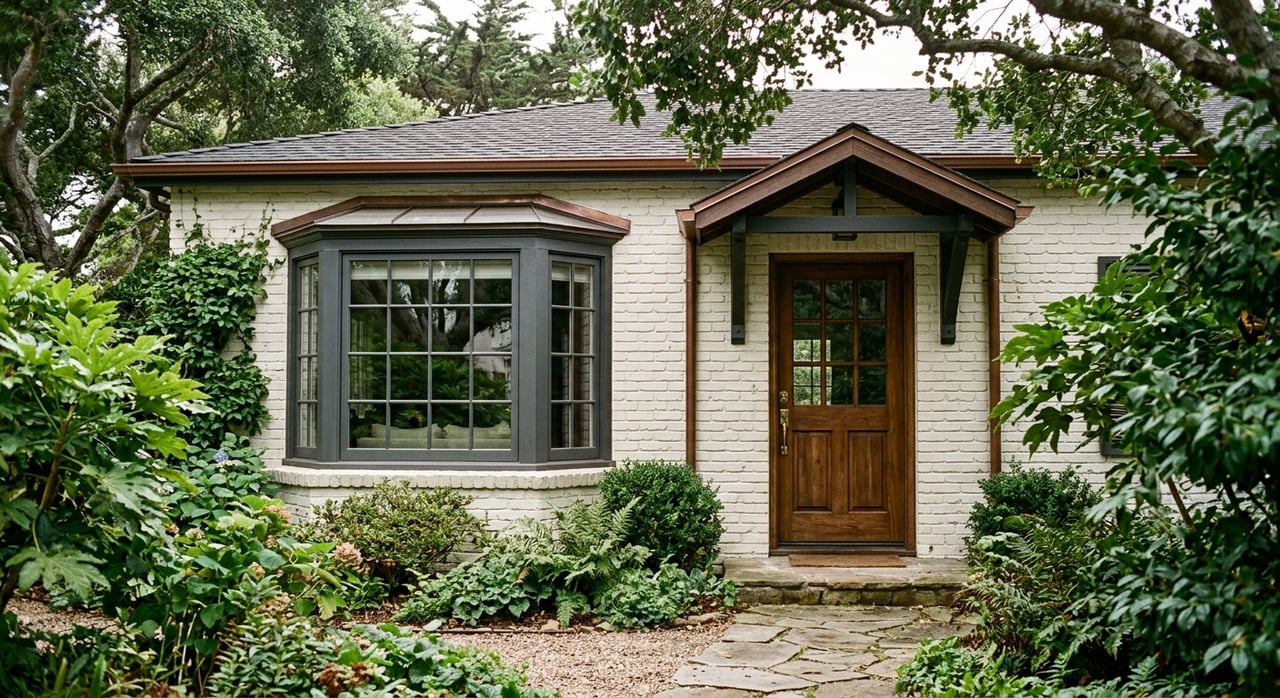
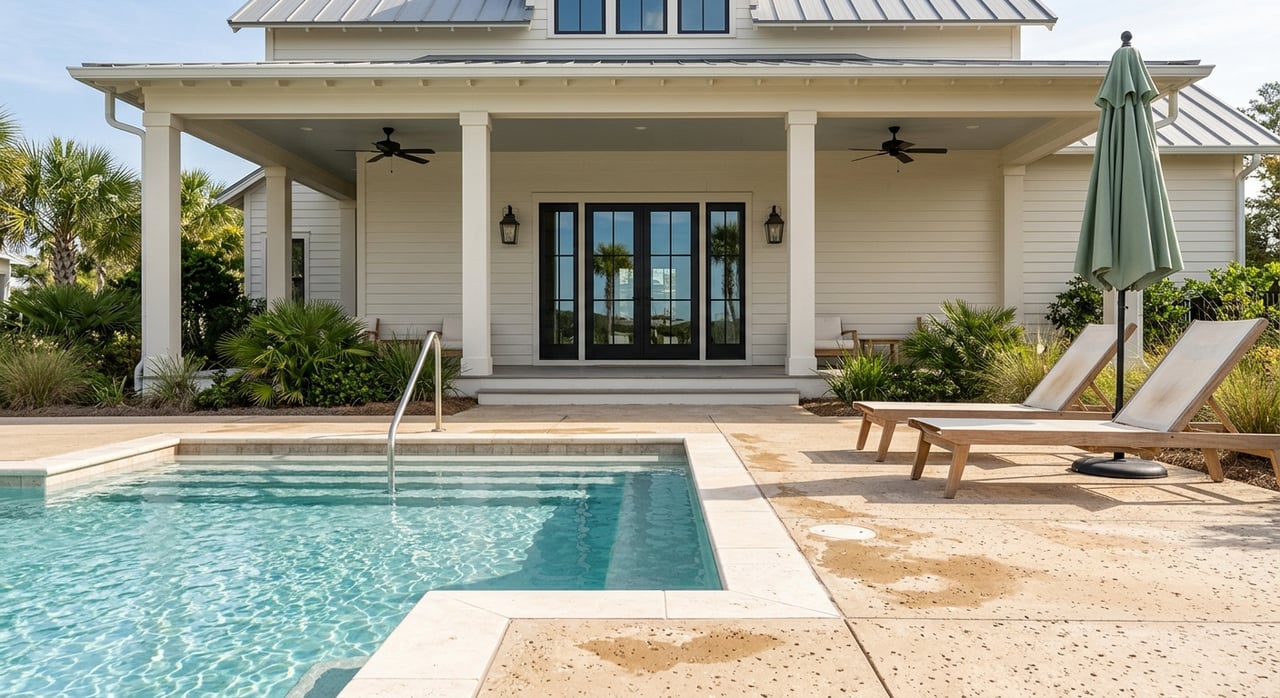
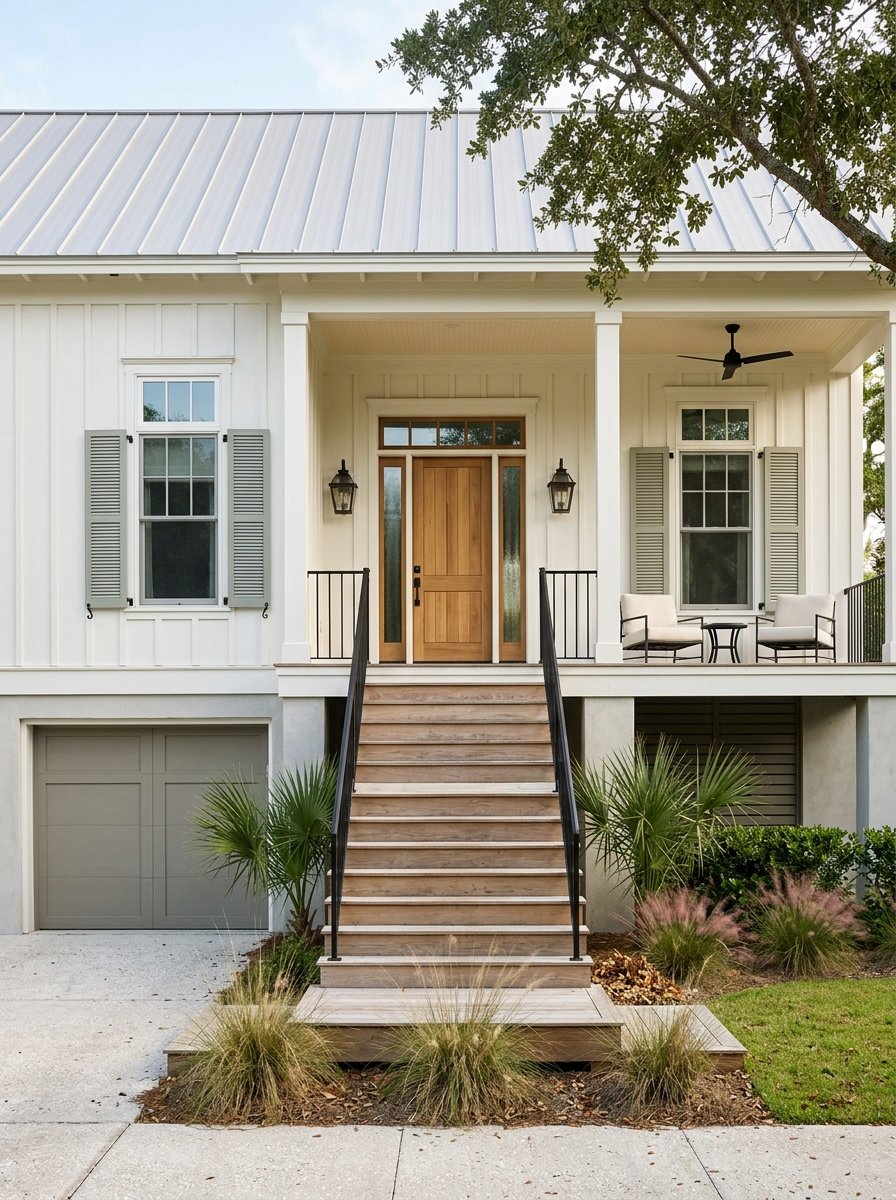
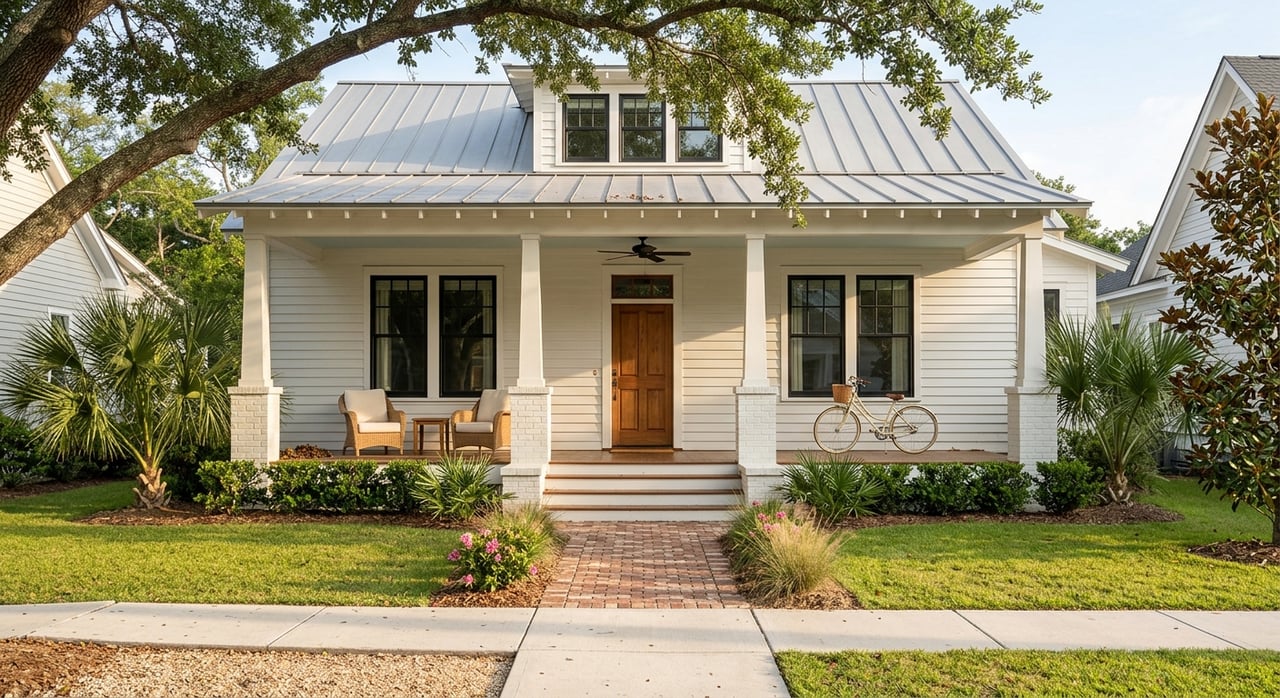
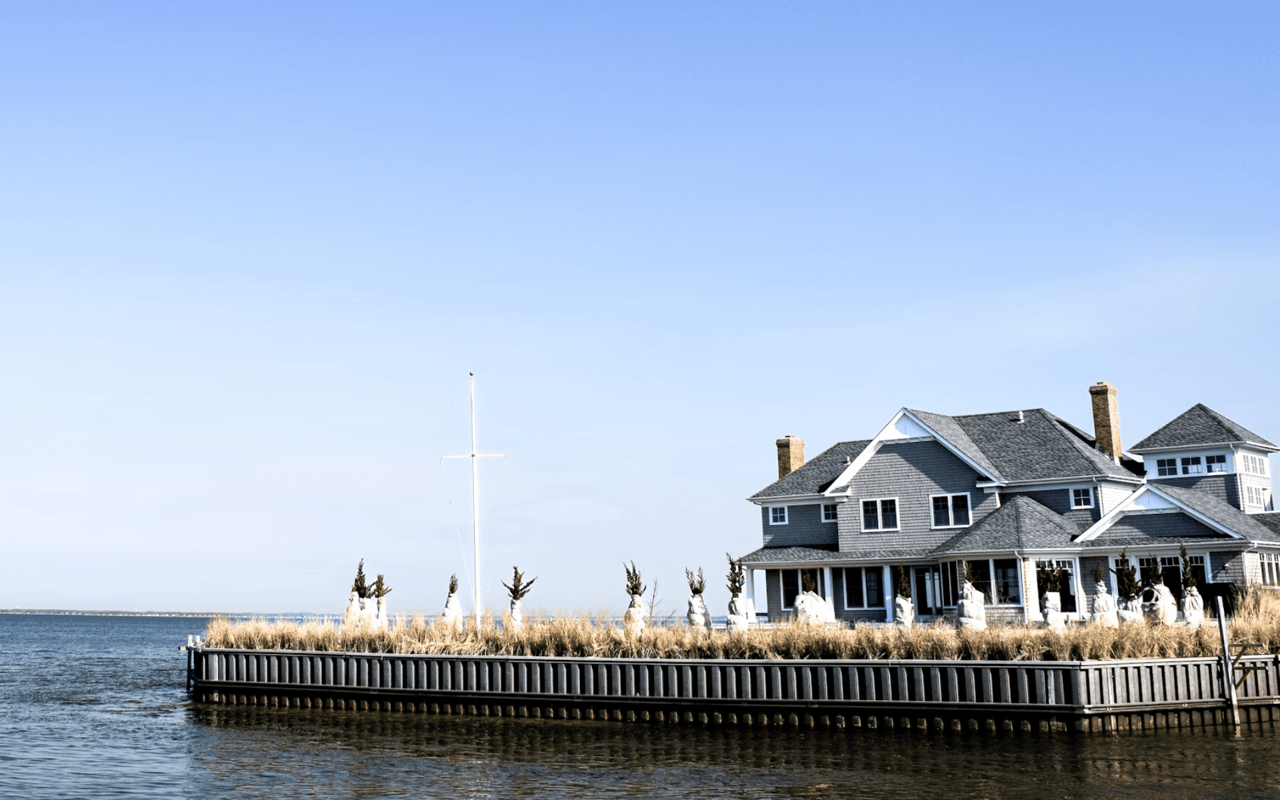
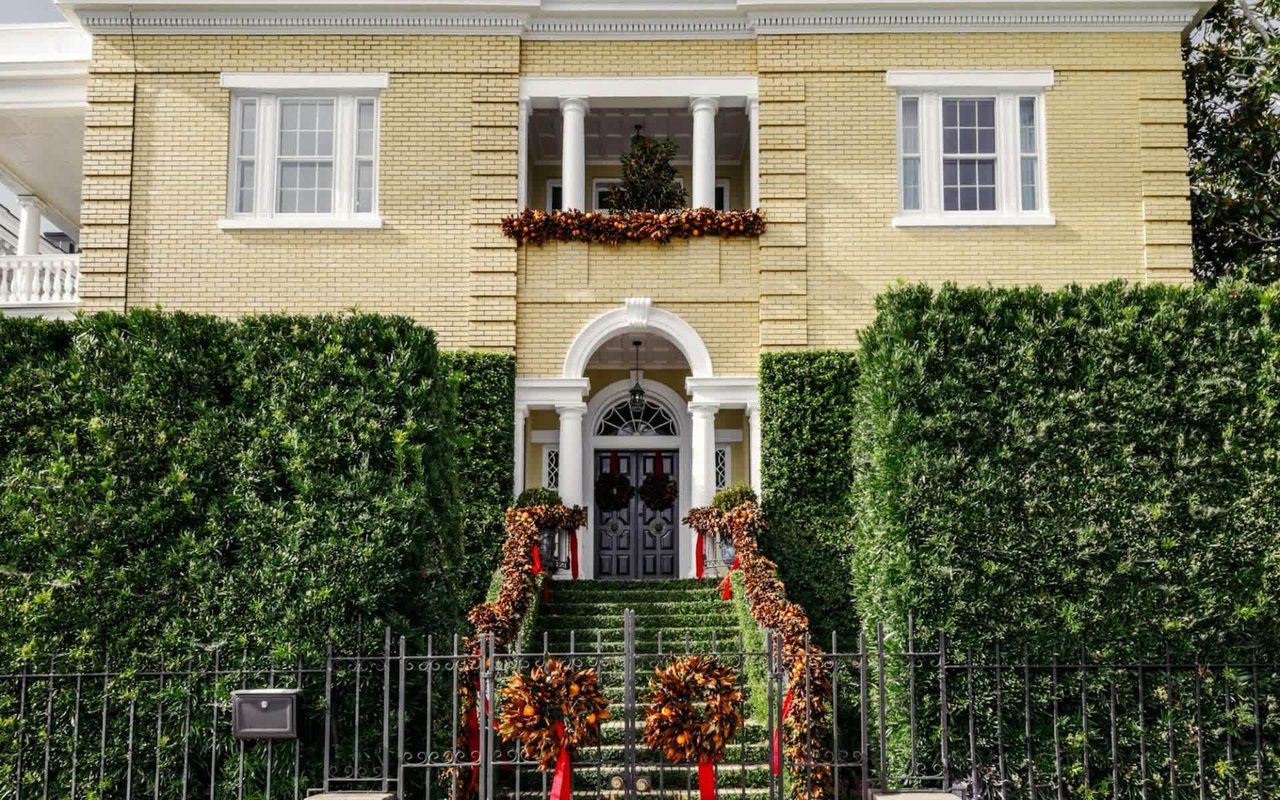
In the housing market, Charleston's median home value stands at $493,200, with an owner-occupancy rate of 58.4%. The real estate landscape offers diverse options ranging from historic downtown condominiums and West Ashley single-family subdivisions to luxury waterfront estates on Sullivan's Island and Mount Pleasant.
Relocation Metrics
Compare key economic, housing, climatic, and educational benchmarks across the Charleston metropolitan area.
Relocation Factor | Charleston Metric | National / State Benchmark | Key Takeaway for Relocating Buyers |
|---|---|---|---|
Overall Cost of Living | 112.0 (12% above U.S. average) | 100.0 U.S. Baseline | Quality-of-life premium offset by higher local average incomes |
Median Household Income | $76,556 annually | $69,021 U.S. Average | Strong purchasing power across regional industry sectors |
Median Home Value | $493,200 (Charleston City) | $389,800 U.S. Median | 58.4% owner-occupied; broad choice of historic & modern homes |
Job Growth Projection | +43.34% future growth | +30.54% U.S. Projected | Robust career opportunities in aerospace, tech, health & logistics |
Unemployment Rate | 4.0% | 6.0% U.S. Benchmark | Tight labor market indicating stable employment health |
Climate & Snowfall | 48 in. annual rain; 0.2 in. snow | 38 in. rain; 28 in. snow U.S. | Subtropical climate with warm winters & mild shoulder seasons |
Source: U.S. Census Bureau, Bureau of Labor Statistics (BLS) & Charleston Regional Development Alliance (CRDA).
Charleston's job market demonstrates strong momentum, featuring a 0.7% annual growth rate and a projected long-term job growth rate of 43.34%, significantly higher than the national average of 30.54%. A healthy 4.0% unemployment rate reflects rapid job creation and workforce absorption.
Key economic pillars driving Charleston's employment ecosystem include:
- Aerospace & Advanced Manufacturing: Anchored by Boeing's 787 Dreamliner final assembly facility in North Charleston and Volvo Cars' manufacturing complex in Ridgeville.
- Technology & Innovation: Known as Silicon Harbor, Charleston hosts hundreds of tech companies, software firms, and defense contractors centered on the peninsula and Daniel Island.
- Healthcare & Life Sciences: Led by the Medical University of South Carolina (MUSC), Roper St. Francis Healthcare, and Trident Health System.
- Port Logistics & Trade: Driven by the South Carolina Ports Authority, one of the deepest and most efficient harbors on the East Coast.
Charleston enjoys a humid subtropical climate characterized by mild winters, long springs, and warm summers. October, April, and May offer peak outdoor conditions with abundant sunshine and comfortable temperatures in the 70s and low 80s.
Summer brings warm weather, with July high temperatures averaging 90 degrees Fahrenheit and higher humidity. Annual rainfall averages 48 inches, keeping Lowcountry foliage, live oaks, and marshlands lush. Winters are remarkably mild, with average low temperatures remaining around 39 degrees Fahrenheit and snowfall averaging a negligible 0.2 inches annually.
Relocating to Charleston grants access to historic landmarks, culinary excellence, and outdoor coastal recreation:
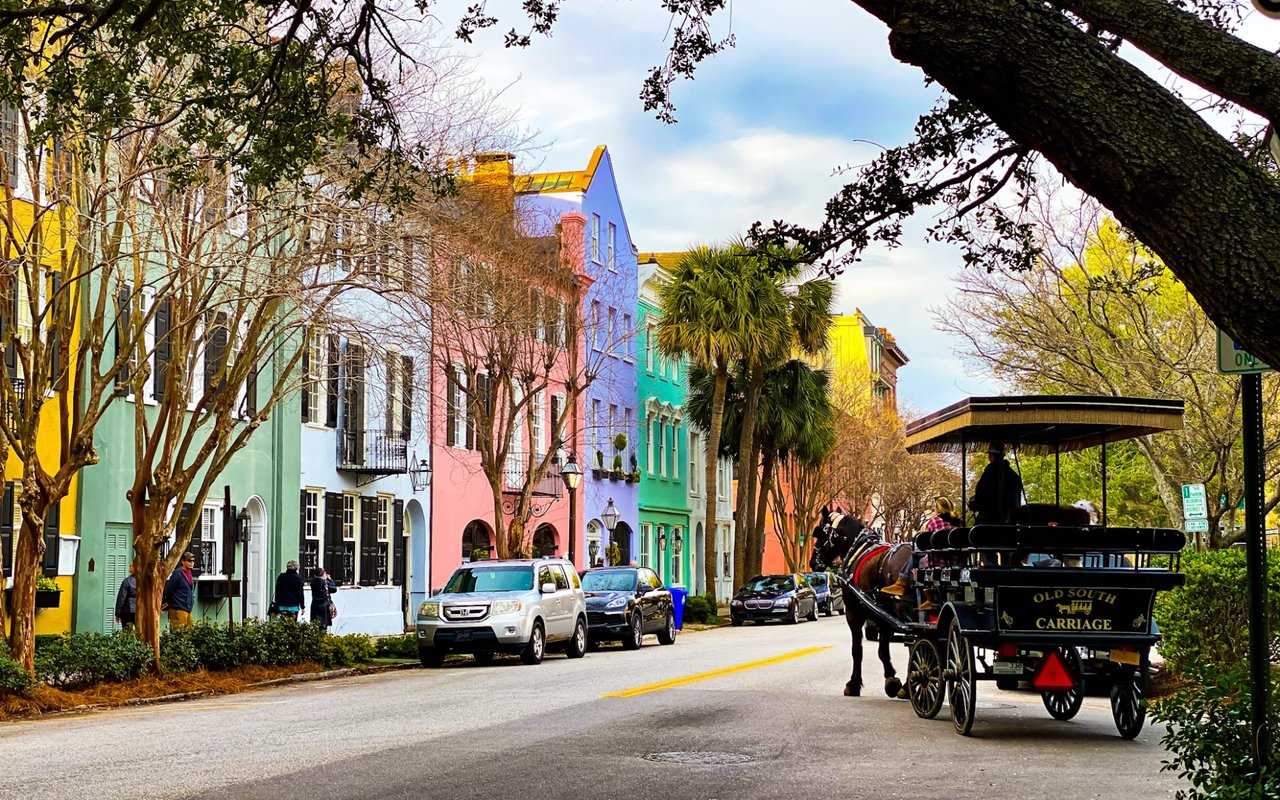
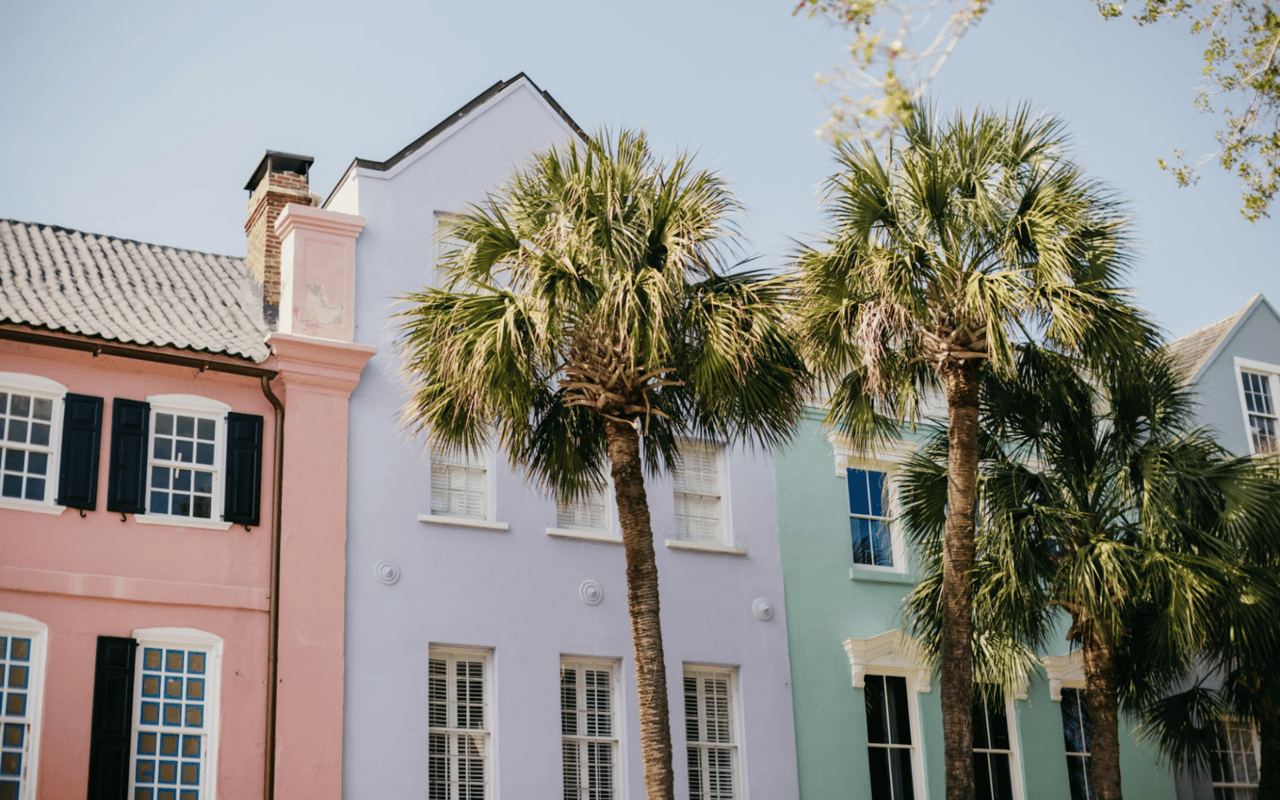
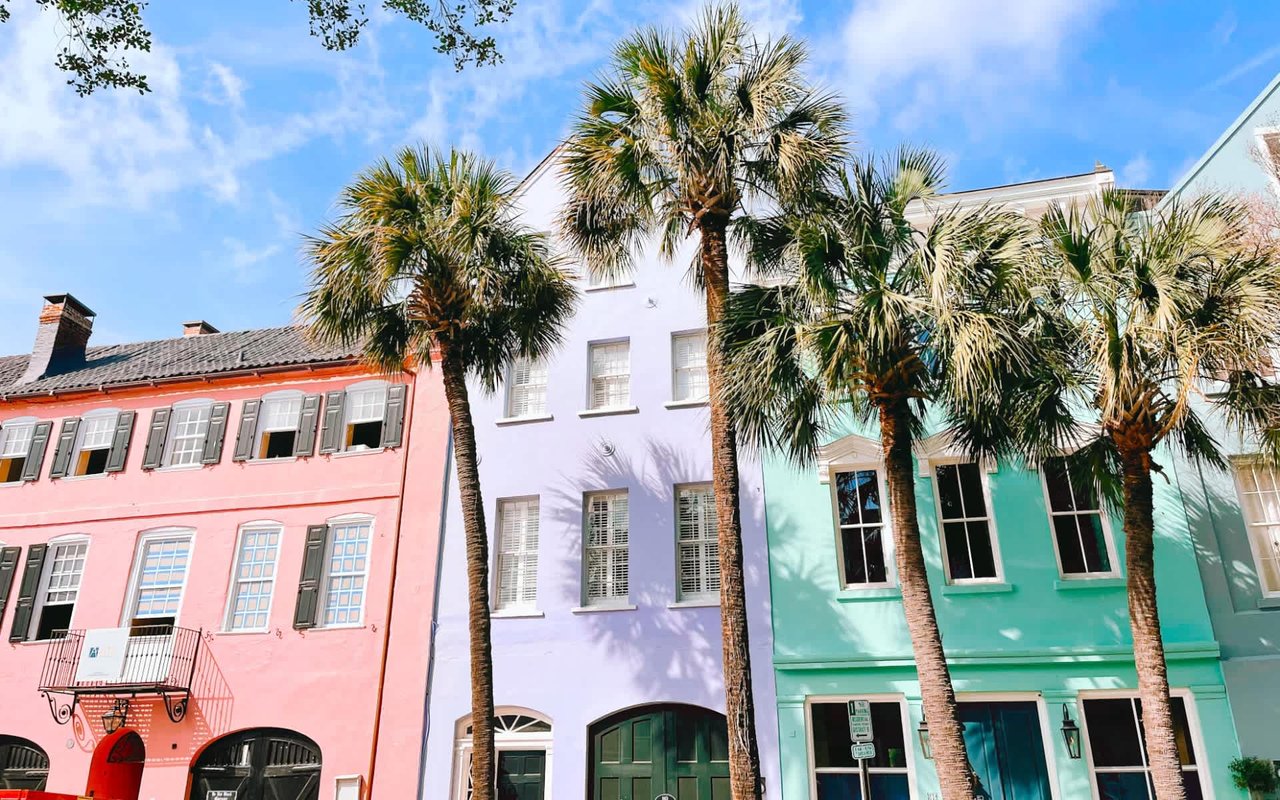
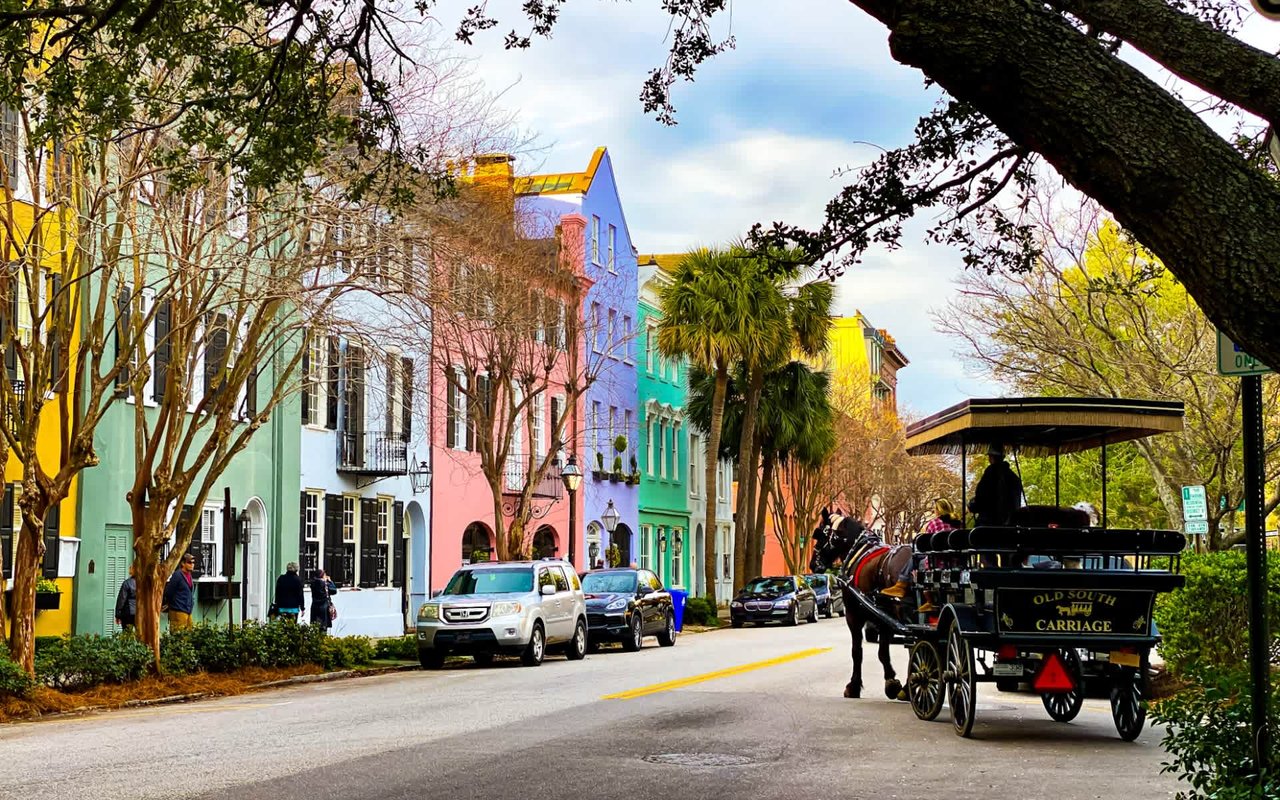
- Historic Landmarks: Stroll Rainbow Row's pastel historic homes, explore the Charleston City Market, and visit White Point Garden at the tip of the peninsula.
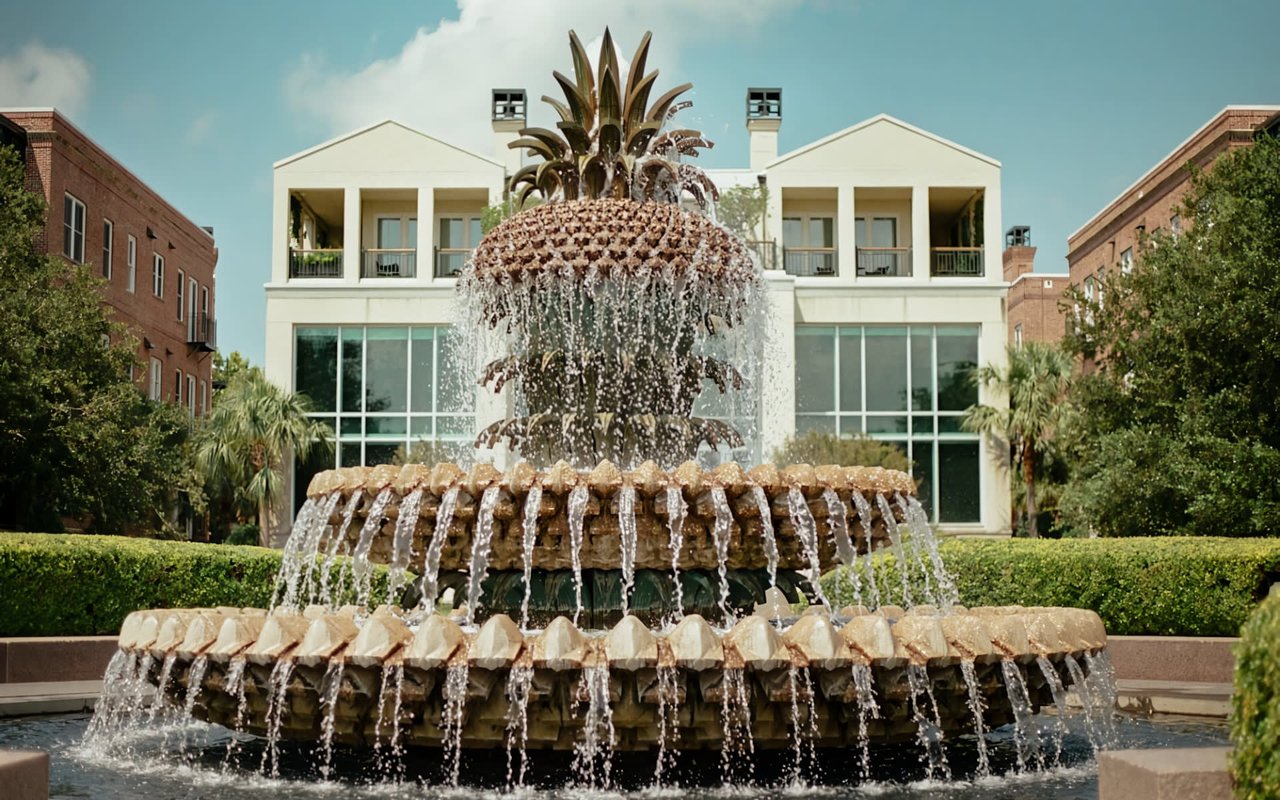
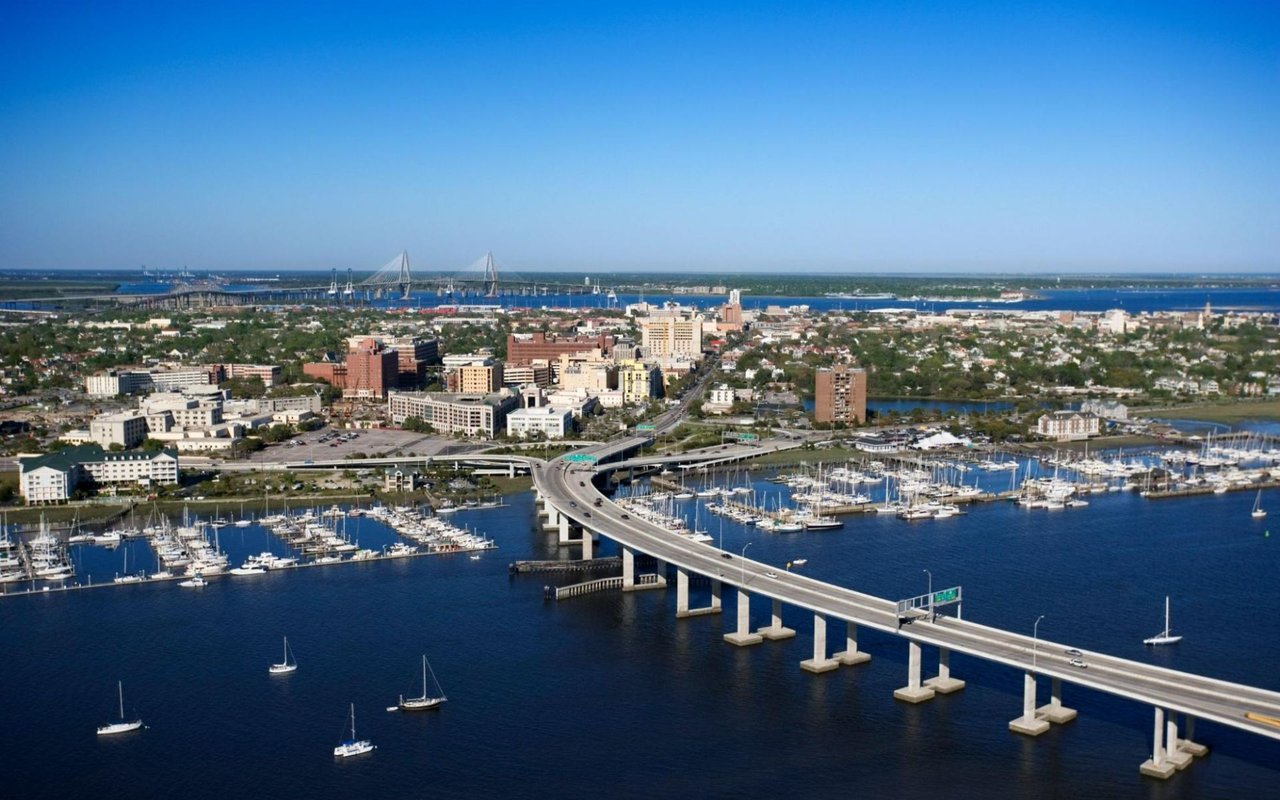
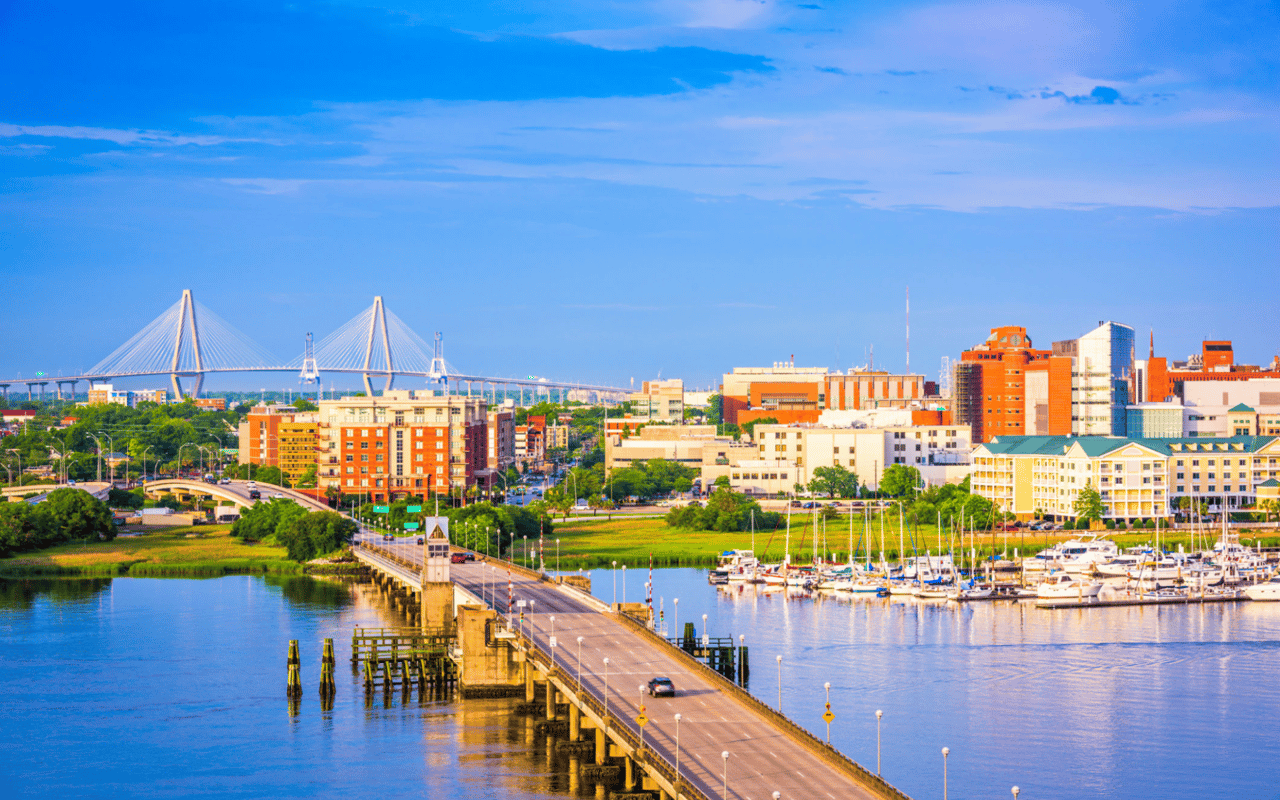
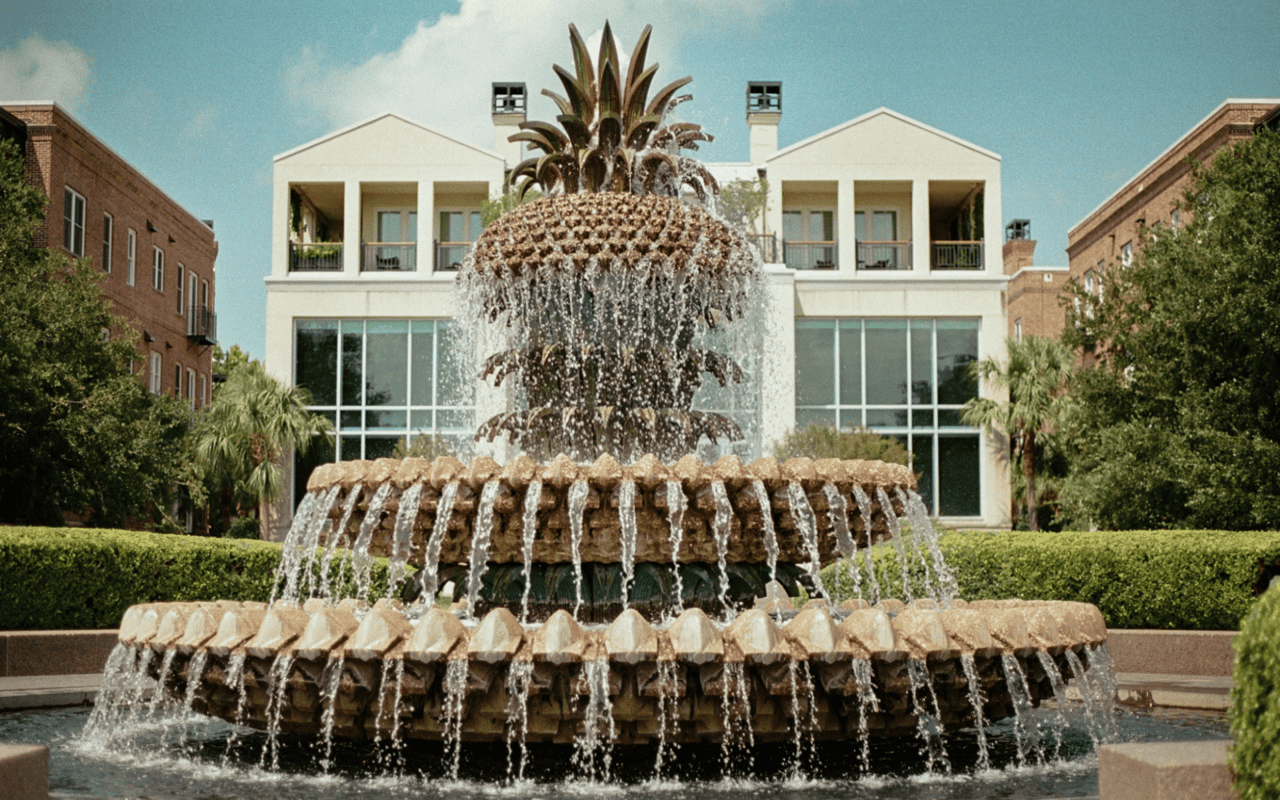
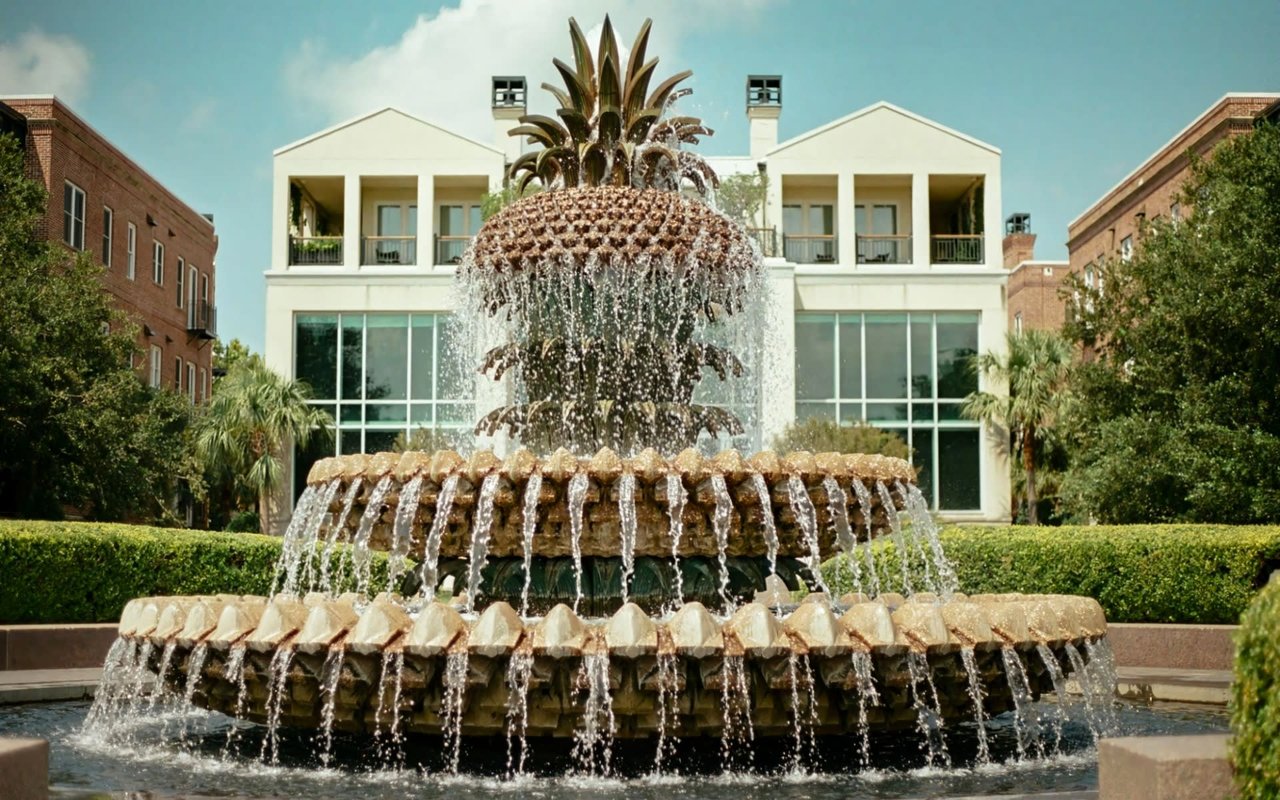
- Waterfront Parks: Relax at Joe Riley Waterfront Park, home of the iconic Pineapple Fountain overlooking Charleston Harbor and the Ravenel Bridge.
- Museums & Arts: Visit America's First Museum (The Charleston Museum), Patriots Point Naval & Maritime Museum, and the Gibbes Museum of Art.
- World-Class Dining: Savor Lowcountry culinary traditions at Slightly North of Broad (S.N.O.B.), Magnolias, Circa 1886, and Peninsula Grill.
Families relocating to the area are served by the Charleston County School District (CCSD), the second-largest public school system in South Carolina, featuring top-performing magnet programs and academic centers.
In addition to public schools, Charleston offers premier independent private schools:
- Mason Prep School: Non-profit co-educational school serving grades K through 8 in downtown Charleston, focusing on academic curiosity and leadership.
- Charleston Day School: Historic private co-ed school (K through 8) in the downtown historic district combining rigorous academics with character development.
- Ashley Hall: Independent college preparatory school for girls (K through 12) with co-ed preschool programs, renowned for academic excellence.
Exploring specific Charleston communities? Review our expert guides on 8 Best Neighborhoods in Charleston, Charleston Waterfront Real Estate, and Sullivan's Island Homes.
Charleston's cost of living is approximately 12% above the national average and 25.4% higher than the South Carolina state average. However, this is balanced by strong local job growth and higher median household earnings ($76,556).
Major economic sectors include aerospace (Boeing), automotive manufacturing (Volvo, Mercedes-Benz Vans), healthcare (MUSC), technology (Silicon Harbor), and port logistics driven by the South Carolina Ports Authority.
Charleston features a subtropical climate with warm summers (July highs around 90°F) and mild winters (average low of 39°F). Snowfall is extremely rare (0.2 inches annually), and spring and autumn offer optimal 70-degree weather.
Top private schools in Charleston include Mason Prep School (K-8), Charleston Day School (K-8 in the historic district), and Ashley Hall (girls K-12 with co-ed preschool).
The median home value in the city of Charleston is approximately $493,200, with options ranging from downtown condominiums to suburban single-family homes and luxury coastal estates.
Katherine Cox + Co.
Born and raised in Charleston, Katherine Cox offers deep local insight, neighborhood guidance, and personalized real estate services to ensure a seamless relocation to the Lowcountry.
Katherine Cox is a lifelong Charleston resident and premier real estate agent with Katherine Cox + Co. Specializing in luxury relocation, historic peninsula properties, waterfront estates, and Mount Pleasant family homes.