When a downtown Charleston condo goes under contract, the seller's state disclosure comes with an owners association addendum. It asks whether the association has levied special assessments and whether there are known common-area problems. Each question can be answered Yes, No, or No Representation. The form never asks for a reserve study or a reserve account balance.
As of this October, South Carolina has no overarching law requiring periodic structural inspections of older buildings. It also has no mandate for reserve studies or repair accounts. On the peninsula, that leaves the buyer to check the building.
The form puts the investigation on the purchaser by name
The South Carolina Residential Property Condition Disclosure Statement has been in effect since June 1, 2023. Its association addendum lists eleven questions, and every one of them has a No Representation box. The form also tells the buyer who is responsible for looking into the association:
"Purchaser should review the applicable documents (covenants, conditions, restrictions, bylaws, deeds, condominium master deed, and similar documents), all related association issues, and investigate the owners association prior to entering into any legal agreements including a contract."
Association charges are listed as dues, fees, assessments and reserve charges. That tells a buyer what the monthly bill includes. It says nothing about whether the reserves behind that bill match what the building will eventually need.
Dockside shows what an ownership share means when the building fails
A condo deed gives you a unit plus a share of everything the owners hold together, including the structure's problems. Dockside is the clearest local example of how big that share can get.
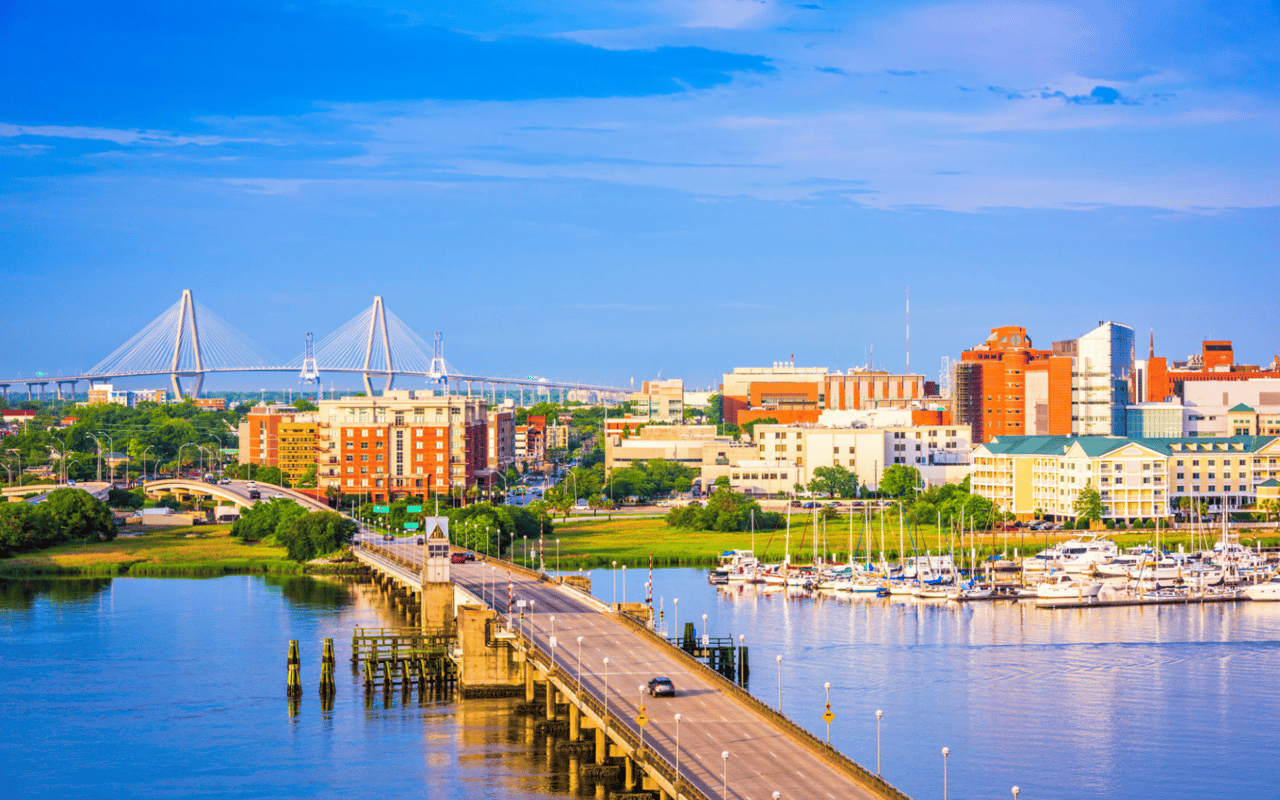
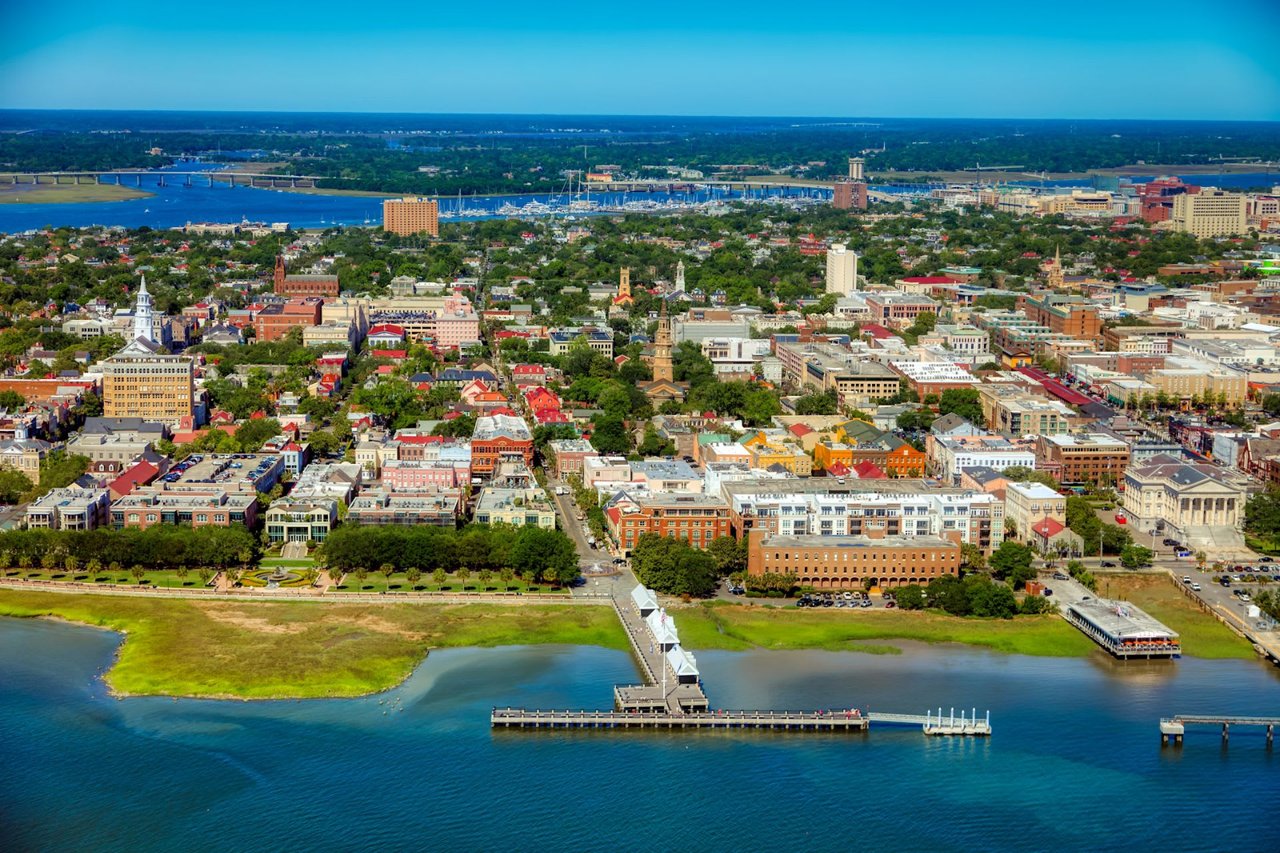
Dockside is the 18-story tower and 21 townhomes on Concord Street. On Feb. 26, 2025, after a city-ordered closure, residents were given 48 hours to vacate. ABC News 4 placed the property near the South Carolina Aquarium and the Charleston Harbor Walk. According to The Post and Courier, an engineering analysis found that the tower's concrete slabs lacked the strength or thickness to carry the combined weight of the building, its furnishings and the people inside. In the summer of 2025, owners voted down a repair estimated at $150 million.
The repair bill would have been split among the owners, and it was larger than the property is now expected to sell for. The association filed for Chapter 11 on Dec. 29, 2025. A liquidation plan filed July 28, 2026 put the expected sale price at $35 million to $50 million. It projected an auction in the first quarter of 2027, closing by midyear, and net proceeds going to owners after closing. At those numbers, the rejected repair would have cost roughly three to four times what the whole 3.31-acre site is projected to bring.
JLL announced on Aug. 7, 2026 that it would market the site. JLL vice chairman Lee Allen told The Post and Courier the consensus was "unanimous" that both the tower and the townhomes will come down. The listing is for a redevelopment site, so whatever the owners receive will come from a land sale.
Insurance has not covered the gap so far. The association is suing three of its insurers in federal court over claims of more than $54 million, which the companies dispute, and the plan calls the amount and timing of any recovery uncertain. The bankruptcy docket shows a Sept. 30, 2026 status hearing, and as of early October no sale had been approved.
Three bills tried to change who does the checking, and all three stalled in committee
After the evacuation, state Sen. Ed Sutton told The Post and Courier that he planned to file legislation setting a statewide baseline for inspecting older structures, possibly at 40 years. In the same story, Rep. Kathy Landing said this "can't just be left up to the good actors." Three House bills from the 2025–2026 session addressed the issue. Here is what each would have done:
| Bill | Sponsors | What it proposed | Last action |
|---|---|---|---|
| H.3235 | Rep. Wendell Gilliard | A study committee on inspecting coastal and Charleston-peninsula buildings six stories or taller, including whether periodic reinspection should be required | Referred to House Labor, Commerce and Industry, Jan. 14, 2025 |
| H.5063 | Reps. Landing, Hartnett, Teeple, Gilliard and Bustos | Periodic full structural inspections of certain coastal multi-story buildings as a condition of property insurance renewal | Referred to House Labor, Commerce and Industry, Jan. 29, 2026 |
| H.5204 | Rep. Kilmartin | An HOA disclosure packet for buyers that includes a reserve study, recurring reserve studies for new associations, and a path to fully funded reserves | Referred to House Labor, Commerce and Industry, Feb. 18, 2026 |
The regular session of the 126th General Assembly adjourned sine die on May 14, 2026. Clemson's Governmental Affairs office notes that bills that did not pass in the second year of the session died, and that lawmakers reconvene in January 2027. So anyone buying a peninsula condo this fall is working under the same rules that were in place before Dockside was evacuated.
The peninsula condo median can't tell you much about a building
The reason to look at the building rather than the market is in the market's own numbers. The Charleston Trident Association of Realtors reports Downtown Charleston, Area 51. For September 2026, its townhouse and condo median sale price was $1,173,750, up 113.9% from a year earlier. That figure came from 14 closings, with 62 units in inventory and a median of 76 days on market. When a median more than doubles on 14 sales, it reflects which units happened to sell that month.
The Upper Charleston Peninsula, Area 52, had one attached closing in September 2026, at a $410,000 median. With samples that small, the median moves with the mix of units that sold. Two units with the same finishes and the same view can carry very different shares of future costs depending on their buildings, and those differences only show up in each association's records.
What a buyer can ask for before writing an offer
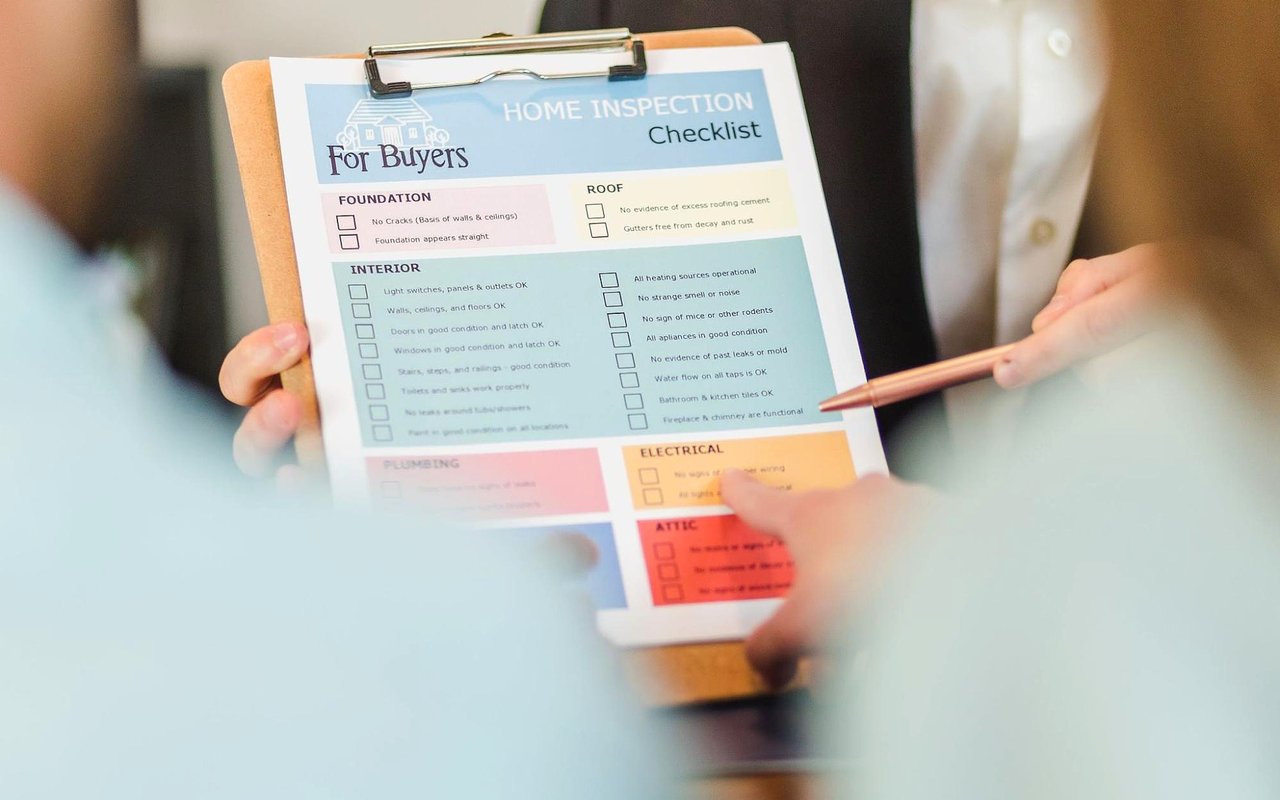
H.5204 never passed, but its packet is a good outline of what to request. These are the items the bill would have required associations to hand prospective buyers, alongside questions the state addendum already asks:
- The most recent reserve study and its date. H.5204 would have put a reserve study in the buyer packet. Today, nothing guarantees one exists.
- The current reserve account balance. Compare it with what the reserve study says the building will need.
- Several years of financial statements. The bill called for seven years, which is enough to see whether reserve contributions kept pace or were cut to hold dues down.
- Past and known upcoming special assessments. The state addendum asks whether assessments have been levied. Ask what the board expects next.
- Known physical damage or safety issues. If the answer on the addendum is No Representation, the association's records are the next place to look.
This is general information, not legal or financial advice. Confirm your own contract terms and contingency timelines with a South Carolina real estate attorney and your lender.
A few direct questions
Is the Dockside sale final? No. As of early October 2026, the docket showed a Sept. 30 status hearing and no approved sale. The liquidation plan projected an auction in the first quarter of 2027.
Was Dockside's problem salt air and age? According to The Post and Courier's reporting, engineers attributed it to the building's original faulty construction, not to coastal damage.
Could the rules change in 2027? The 2026 bills died when the session ended, and the General Assembly reconvenes in January 2027. Any change would have to start over as new legislation.
If you're weighing a condo on the peninsula, Katherine Cox + Co. can help you request the association's reserve study, financials and assessment history, and go through them with you before you commit to an offer. Book an Appointment and we'll start with the documents.