By Katherine Cox
Keeping your house in prime condition is about more than curb appeal; the real stability starts with your foundation. If you live in Charleston, SC, you know that the Lowcountry’s beautiful vistas and subtropical climate come with unique challenges. Moisture levels, shifting soils, and even tree roots can affect the longevity of your home’s foundation.
Whether your house is centuries old or newly built, learning how to care for your foundation helps protect your investment over time, prevents costly repairs, and keeps your home’s value solid for years to come. Fortunately, there are clear steps you can take to identify problems early, maintain stability, and enjoy true peace of mind.
Key Takeaways
-
Understand the specific environmental factors that affect home foundations in Charleston.
-
Learn routine checks and simple maintenance you can perform yourself.
-
Discover when to call a professional for inspections or repairs.
-
Gain tips on landscaping and water management to support your home’s structure.
Understanding Foundation Nuances in Charleston
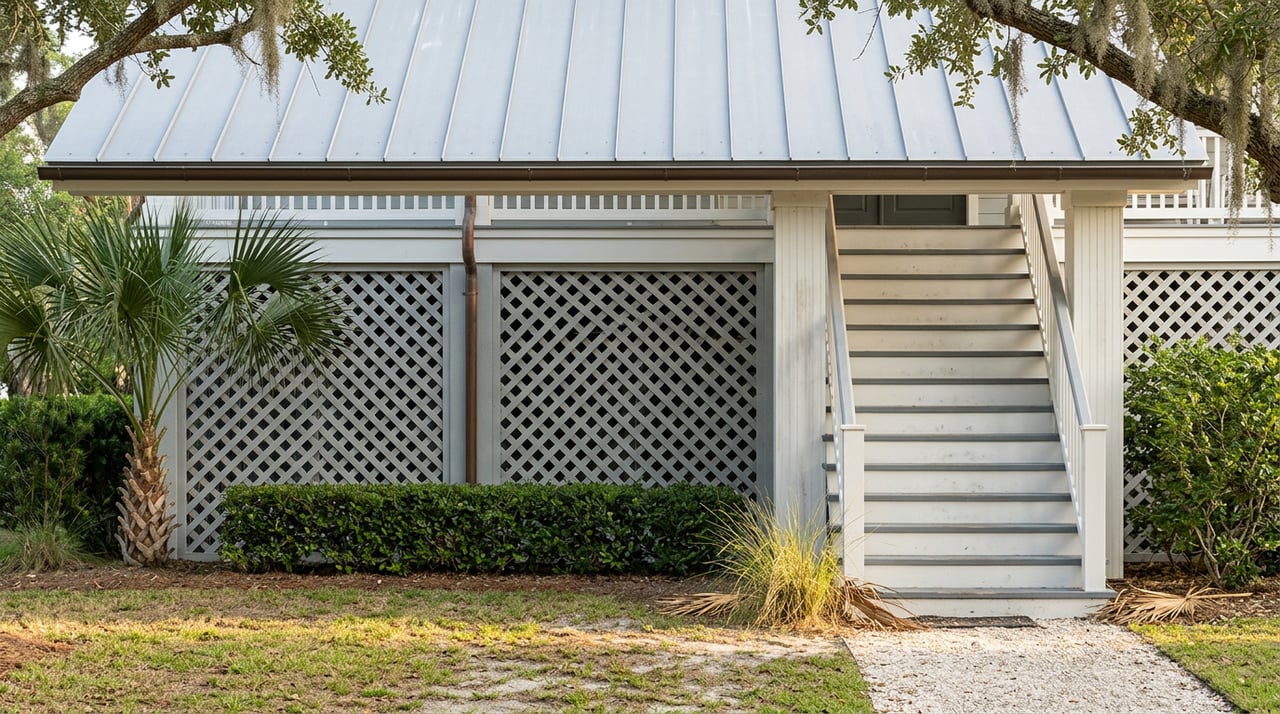
Charleston’s historic charm often comes with unique structural quirks. The region’s soil is primarily composed of clay and sand, which reacts significantly to changes in moisture levels. After heavy rains or flooding, these soils can swell and shift. During dry periods, they contract, potentially leading to uneven settling beneath your home. This natural cycle creates stress on foundation materials, which may lead to cracking or separation over time.
Humidity is another factor. Charleston’s high moisture levels can infiltrate, leading to excess dampness around your foundation. The result? Increased risk of mold, mildew, and even wood rot if the area isn’t properly sealed or ventilated. Older homes may have shallow footings or outdated materials that are more susceptible to movement, while newer constructions, though often better protected, still require regular attention.
Tree roots can also pose a problem. While Charleston’s live oaks and magnolias add undeniable beauty to the landscape, their extensive roots can push against or extend under your foundation, seeking out moisture. Over time, this can cause cracking or destabilization, especially if the trees are planted too close to the house.
Humidity is another factor. Charleston’s high moisture levels can infiltrate, leading to excess dampness around your foundation. The result? Increased risk of mold, mildew, and even wood rot if the area isn’t properly sealed or ventilated. Older homes may have shallow footings or outdated materials that are more susceptible to movement, while newer constructions, though often better protected, still require regular attention.
Tree roots can also pose a problem. While Charleston’s live oaks and magnolias add undeniable beauty to the landscape, their extensive roots can push against or extend under your foundation, seeking out moisture. Over time, this can cause cracking or destabilization, especially if the trees are planted too close to the house.
What to Know
-
Clay-rich soils expand and contract with moisture, leading to shifting and settling.
-
High humidity and frequent rainfall can cause moisture buildup around and under homes.
-
Older homes may lack modern construction features for stability.
-
Nearby trees may send roots beneath foundations in search of water.
Signs Your Foundation Needs Attention
Staying ahead of foundation problems starts with careful observation. Many issues begin subtly and worsen over time if not addressed. Knowing what to look for can help you intervene before small concerns snowball into expensive repairs.
Inside your home, you might notice doors or windows that suddenly stick or don’t close properly. Uneven floors—often felt as a slight slope or bounce—can indicate that part of your foundation is settling differently than the rest. Cracks along interior walls, especially above windows and doors or where walls meet ceilings, are classic warning signs. In unfinished spaces, check the foundation walls for visible cracks or gaps.
Outside, walk around your house and examine the base for separation between bricks, visible cracks, or any areas where the ground appears to have sunk away from the structure. Water pooling near the foundation after storms is a red flag that drainage may be inadequate, increasing the risk of water damage and soil movement.
Inside your home, you might notice doors or windows that suddenly stick or don’t close properly. Uneven floors—often felt as a slight slope or bounce—can indicate that part of your foundation is settling differently than the rest. Cracks along interior walls, especially above windows and doors or where walls meet ceilings, are classic warning signs. In unfinished spaces, check the foundation walls for visible cracks or gaps.
Outside, walk around your house and examine the base for separation between bricks, visible cracks, or any areas where the ground appears to have sunk away from the structure. Water pooling near the foundation after storms is a red flag that drainage may be inadequate, increasing the risk of water damage and soil movement.
Common Signs of Foundation Problems
-
Sticking doors or windows.
-
New or widening cracks in walls, ceilings, or floors.
-
Sloped or uneven floors inside the house.
-
Visible cracks, gaps, or separations along the foundation outside.
-
Water collecting or persistent dampness around the base of your home.
Routine Maintenance
Proactive care goes a long way toward preventing major repairs. In Charleston, regular maintenance includes both interior and exterior tasks.
Start by keeping gutters and downspouts clear and directing water at least 5-10 feet away from the house. This step is crucial during Charleston’s rainy months, as poor drainage is one of the fastest ways to undermine a foundation. Inspect your foundation twice a year—spring and fall are ideal—to look for cracks, shifting, or signs of moisture. Take note of any changes and document with photos for comparison during future checks.
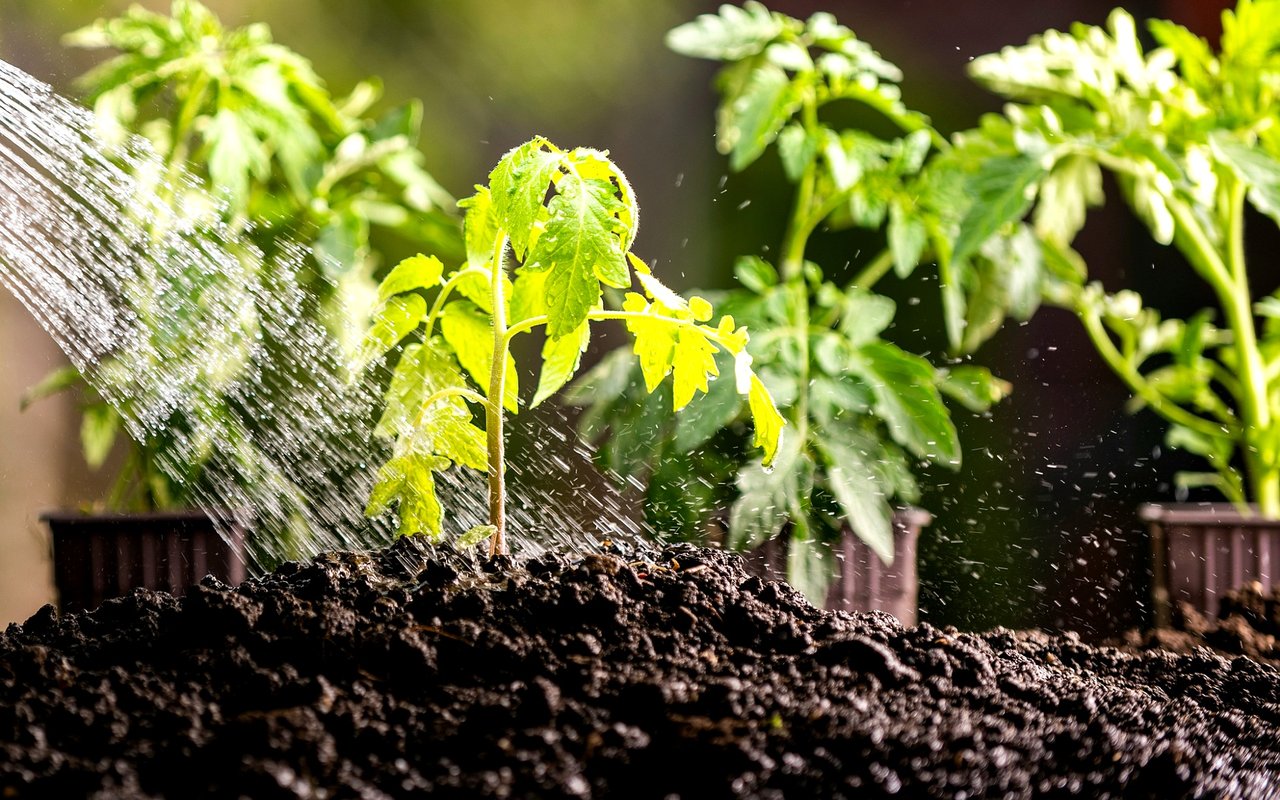
Maintaining consistent soil moisture is also important. While Charleston gets plenty of rain, periods of drought can cause soil shrinkage, pulling away from the foundation. During dry spells, consider gently watering the soil near the base of your home to prevent sudden contraction.
Standing water or excess humidity can weaken supports and cause foundation movement. Install a vapor barrier if necessary, and use a dehumidifier to keep moisture in check.
Start by keeping gutters and downspouts clear and directing water at least 5-10 feet away from the house. This step is crucial during Charleston’s rainy months, as poor drainage is one of the fastest ways to undermine a foundation. Inspect your foundation twice a year—spring and fall are ideal—to look for cracks, shifting, or signs of moisture. Take note of any changes and document with photos for comparison during future checks.
Maintaining consistent soil moisture is also important. While Charleston gets plenty of rain, periods of drought can cause soil shrinkage, pulling away from the foundation. During dry spells, consider gently watering the soil near the base of your home to prevent sudden contraction.
Standing water or excess humidity can weaken supports and cause foundation movement. Install a vapor barrier if necessary, and use a dehumidifier to keep moisture in check.
Routine Maintenance Tasks
-
Clean gutters and downspouts regularly to direct water away from your home.
-
Inspect the foundation for cracks and shifting at least twice a year.
-
Monitor interior floors, walls, and doors for movement or sticking.
-
Water the soil around your foundation during prolonged dry periods.
Landscaping and Water Management Tips
Thoughtful landscaping can dramatically influence the lifespan of your home’s foundation. Begin by creating a gentle slope away from your house so that rainwater naturally flows away rather than toward your foundation. This helps prevent water from pooling against the base.
Choose plants with moderate water needs, and avoid placing large trees too close to the house. While shade is appealing, roots can interfere with foundation materials as they seek moisture. When you must plant trees, select species known for smaller root systems and maintain a distance equal to their expected mature height from your home.
Mulch can help regulate soil moisture, but avoid piling it against the foundation, as this can trap moisture. Likewise, avoid heavy watering or installing irrigation systems directly adjacent to the house. If you have paved walkways or patios near your foundation, ensure they slope away from the home to keep water moving in the right direction.
Choose plants with moderate water needs, and avoid placing large trees too close to the house. While shade is appealing, roots can interfere with foundation materials as they seek moisture. When you must plant trees, select species known for smaller root systems and maintain a distance equal to their expected mature height from your home.
Mulch can help regulate soil moisture, but avoid piling it against the foundation, as this can trap moisture. Likewise, avoid heavy watering or installing irrigation systems directly adjacent to the house. If you have paved walkways or patios near your foundation, ensure they slope away from the home to keep water moving in the right direction.
Landscaping and Drainage Strategies
-
Grade your yard so that water slopes away from your house.
-
Select smaller plants and shrubs near the foundation; keep large trees farther away.
-
Use mulch carefully to retain soil moisture, but keep it away from the base.
-
Avoid heavy irrigation or planting water-hungry plants right next to your foundation.
-
Inspect hardscaping like patios or walkways to confirm they slope away from the house.
When to Call a Professional
While you can handle much of the day-to-day upkeep, some issues require specialized expertise. If you notice wide or growing cracks, significant shifting, or water intrusion that doesn’t resolve with simple drainage improvements, it’s time to bring in a foundation expert.
Professionals can perform detailed inspections, use specialized tools to assess underlying soil conditions, and recommend tailored solutions for your situation. In some cases, repairs may involve underpinning (reinforcing the foundation), installing drainage systems, or correcting improper grading.
Keep in mind that the earlier you address foundation problems, the less invasive—and less expensive—the repair is likely to be. An annual inspection from a reputable local contractor can provide valuable peace of mind, especially if your home is older or built on more reactive soil.
Professionals can perform detailed inspections, use specialized tools to assess underlying soil conditions, and recommend tailored solutions for your situation. In some cases, repairs may involve underpinning (reinforcing the foundation), installing drainage systems, or correcting improper grading.
Keep in mind that the earlier you address foundation problems, the less invasive—and less expensive—the repair is likely to be. An annual inspection from a reputable local contractor can provide valuable peace of mind, especially if your home is older or built on more reactive soil.
When Professional Input Is Needed
-
Large or widening cracks in the foundation or interior walls.
-
Persistent water intrusion or pooling around the base of your home.
-
Noticeable settling, sloping, or shifting of floors and walls.
FAQs
How Often Should I Inspect My Foundation?
It’s a great idea to visually inspect your foundation at least twice a year, ideally in the spring and fall. After major storms or extended dry periods, do a quick check to look for new cracks or changes.
Is It Necessary to Water My Foundation During Dry Spells?
Yes. During extended dry periods, gently watering the soil around your foundation helps prevent it from shrinking away, which can lead to movement or settling.
What Should I Do If I Notice Cracks?
Small hairline cracks can be common and often aren’t serious, but you should monitor them for changes. If the cracks widen or are accompanied by sticking doors or windows, uneven floors, or water issues, consult a foundation expert promptly.
Get Started Today
Maintaining your house’s foundation in Charleston, SC, doesn’t have to be overwhelming. With consistent care, a watchful eye, and proactive landscaping, you can safeguard your home against the environmental challenges of the Lowcountry.
Ready to make your next move in Charleston real estate with confidence? Work with me, Katherine Cox, and get dedicated guidance every step of the way. Whether you’re buying, selling, or exploring your options, I’ll help you navigate the local market with expertise and care.
Ready to make your next move in Charleston real estate with confidence? Work with me, Katherine Cox, and get dedicated guidance every step of the way. Whether you’re buying, selling, or exploring your options, I’ll help you navigate the local market with expertise and care.