By Katherine Cox
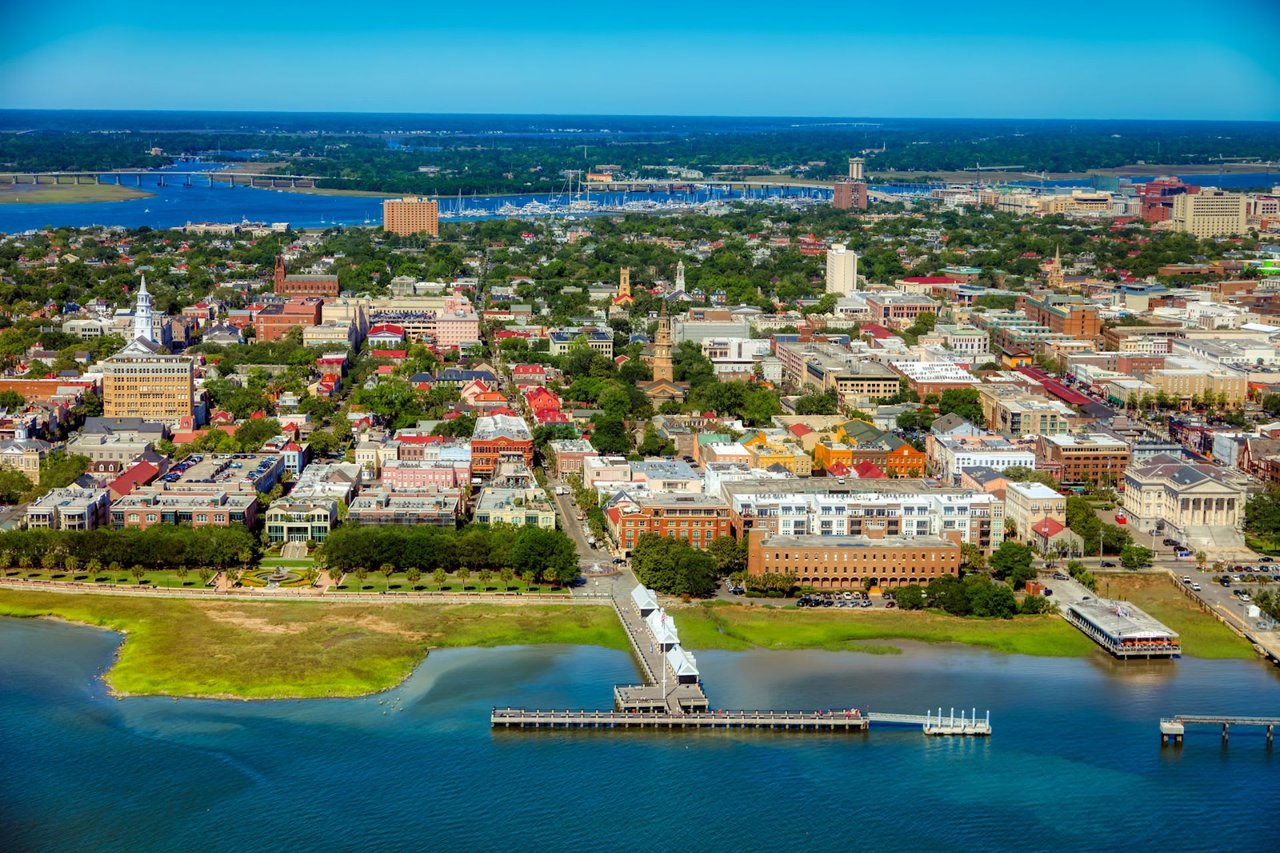
The inspection report just landed in your inbox, and it is longer than you expected. Before you panic over every flagged item, though, take a breath. In Charleston, a lengthy report is normal, especially on older peninsula homes and coastal properties that contend with humidity, moisture, and time.
What matters next is how you respond. A home inspection is your window to ask the seller to fix real problems or adjust the deal, but only if you approach it strategically. Knowing which items to raise, how to raise them, and where sellers tend to say yes can save you thousands and protect the home you are about to buy.
Key Takeaways
- In Charleston, repair negotiations happen through a written repair request after your inspection, within the contract timeline you agreed to.
- Structural, moisture, electrical, and wood-destroying-organism issues carry the most weight in Charleston real estate negotiations.
- Sellers can agree to repairs, offer a closing credit, reduce the price, or decline, so flexibility helps you reach a deal.
- As your agent, I help you separate deal-breakers from minor cosmetic items and negotiate with confidence.
What Comes After a Home Inspection in Charleston?
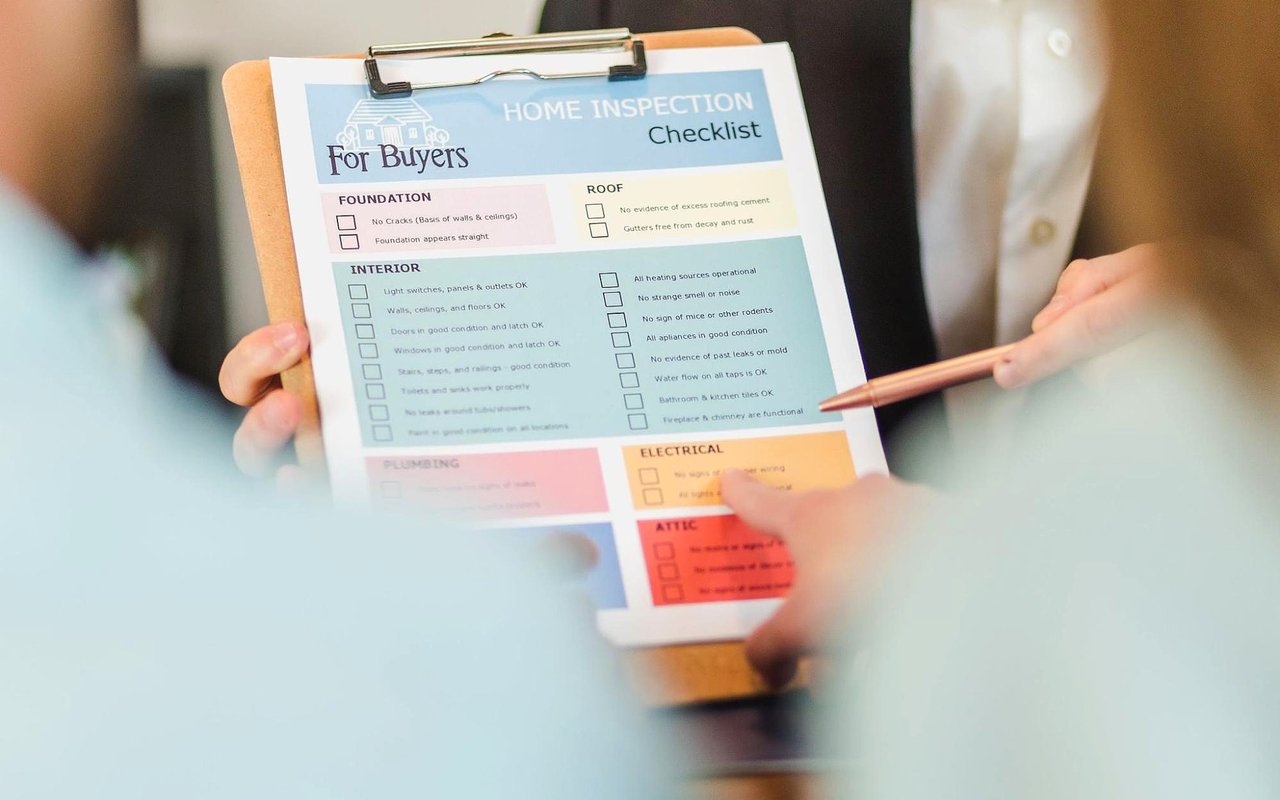
After a home inspection in Charleston, you submit a written repair addendum to the seller within the timeframe set by your purchase contract. This request lists the specific items you would like to be addressed before closing, and it opens the formal negotiation window.
Your inspection period is a set number of days, so timing matters. Once you have the report, we will review it together and decide which findings are worth pursuing. Charleston’s homes span everything from historic downtown properties to newer construction, and each type tends to surface different issues.
The goal here is not to hand the seller a wish list. It is to build a focused, reasonable request that a seller is likely to accept.
Your inspection period is a set number of days, so timing matters. Once you have the report, we will review it together and decide which findings are worth pursuing. Charleston’s homes span everything from historic downtown properties to newer construction, and each type tends to surface different issues.
The goal here is not to hand the seller a wish list. It is to build a focused, reasonable request that a seller is likely to accept.
What To Prioritize
- Structural concerns like foundation movement, roof damage, or compromised framing that affect the home's integrity.
- Moisture and drainage problems in crawl spaces, which are common in Charleston's coastal, low-lying areas.
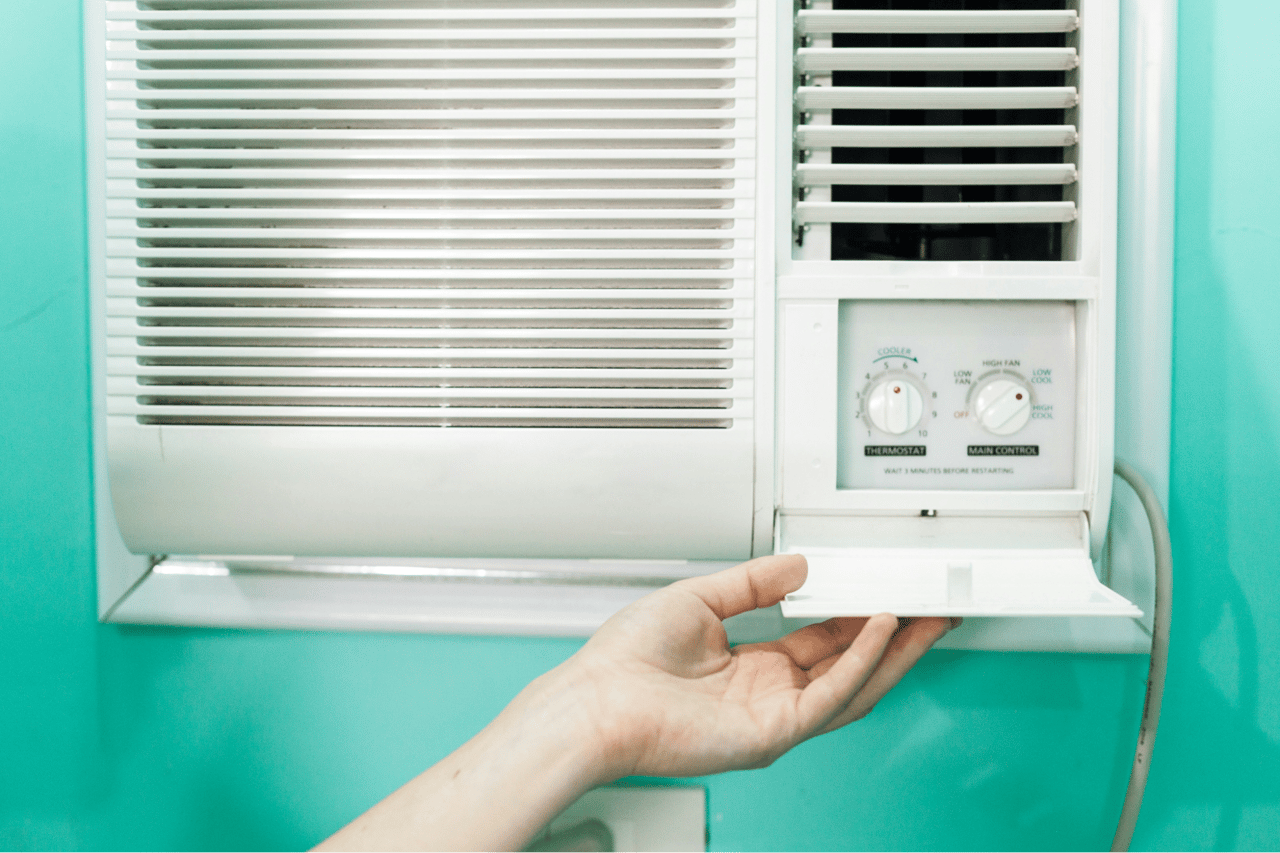
- Electrical, plumbing, and HVAC systems that are not functioning properly.
- Active wood-destroying organism activity, which the Charleston climate makes a frequent finding.
Which Repairs Are Worth Negotiating on Charleston Homes?
The repairs worth negotiating are the ones tied to structure, systems, moisture, and wood-destroying organisms, not cosmetic wear. Focusing on substantial items keeps your request credible and keeps the seller at the table.
Charleston's warm, humid environment puts stress on homes over time. Crawl space moisture, aging HVAC systems, and roof wear show up often, and these are the findings that frequently justify a request. On historic properties near the peninsula, older wiring and plumbing can also be fair game.
Cosmetic items, such as scuffed paint, dated fixtures, or a loose cabinet handle, rarely belong in a formal request. Save your negotiating power for what actually protects your investment.
Charleston's warm, humid environment puts stress on homes over time. Crawl space moisture, aging HVAC systems, and roof wear show up often, and these are the findings that frequently justify a request. On historic properties near the peninsula, older wiring and plumbing can also be fair game.
Cosmetic items, such as scuffed paint, dated fixtures, or a loose cabinet handle, rarely belong in a formal request. Save your negotiating power for what actually protects your investment.
How To Sort the List
- Focus on functionality and integrity, so systems and structure come first.
- Group related findings together to show the seller a clear pattern rather than nitpicking.
- Set aside minor cosmetic items you can handle yourself after closing.
- Flag anything a licensed specialist should evaluate further, such as a suspected roof or foundation issue.
How Do You Ask a Seller to Make Repairs in Charleston?
When buying a home in Charleston, you ask a seller to make repairs through a written repair addendum that names each item clearly and states the resolution you are requesting. Specific, well-documented requests typically get better responses than vague demands.
For each item, we decide whether to ask for a completed repair, a monetary credit at closing, or a price reduction. Many Charleston sellers prefer offering a credit, so you control the repair and the contractor after you move in. This approach often moves negotiations faster.
Tone and framing matter. A request backed by the inspector's findings reads as reasonable, and reasonable requests close deals in the Charleston real estate market.
For each item, we decide whether to ask for a completed repair, a monetary credit at closing, or a price reduction. Many Charleston sellers prefer offering a credit, so you control the repair and the contractor after you move in. This approach often moves negotiations faster.
Tone and framing matter. A request backed by the inspector's findings reads as reasonable, and reasonable requests close deals in the Charleston real estate market.
What To Include in Your Request
- State the specific outcome you are asking for, whether a repair, a credit, or a price adjustment.
- Attach supporting documentation, such as the inspection report or a specialist's evaluation.
- Keep the list focused on meaningful items so the seller takes the request seriously.
FAQs
Can You Back Out After a Home Inspection in Charleston?
Yes, you can back out after a home inspection in Charleston if you are within your inspection contingency period and the findings justify it. Your contract gives you a defined window to review the report and decide, so acting promptly protects your right to cancel and recover your earnest money under the terms you agreed to.
Who Pays for Repairs After a Home Inspection in Charleston?
This depends on what you and the seller negotiate. The seller may complete the work, offer a credit, or reduce the price, and buyers sometimes agree to handle certain items themselves. Nothing is automatic, which is why a well-built repair request matters so much on Charleston homes.
What Are Your Options If the Seller Says No?
If the seller declines your repair request, you can renegotiate, accept the home as-is, or exercise your right to walk away within the inspection period. Understanding these paths ahead of time keeps you calm and in control. Most often, you receive a counter that addresses some items and passes on others, which opens another round of back-and-forth. On competitive Charleston homes, a seller may hold firm, and that is when we weigh how much the outstanding issues truly matter to you.
Negotiating Repairs: Navigate Your Charleston Home Inspection With Confidence
Negotiating repairs after a home inspection in Charleston comes down to focus, timing, and knowing which findings truly matter. Every Charleston home tells its own story, from historic downtown properties to newer builds, and each one calls for a slightly different approach at the negotiating table. That local read is what turns the inspection journey into a fair, closable deal.
When you are ready to buy in the Charleston real estate market, I would love to guide you through your inspection and repair negotiations. Reach out to me, Katherine Cox, to get to the closing table with confidence.
When you are ready to buy in the Charleston real estate market, I would love to guide you through your inspection and repair negotiations. Reach out to me, Katherine Cox, to get to the closing table with confidence.