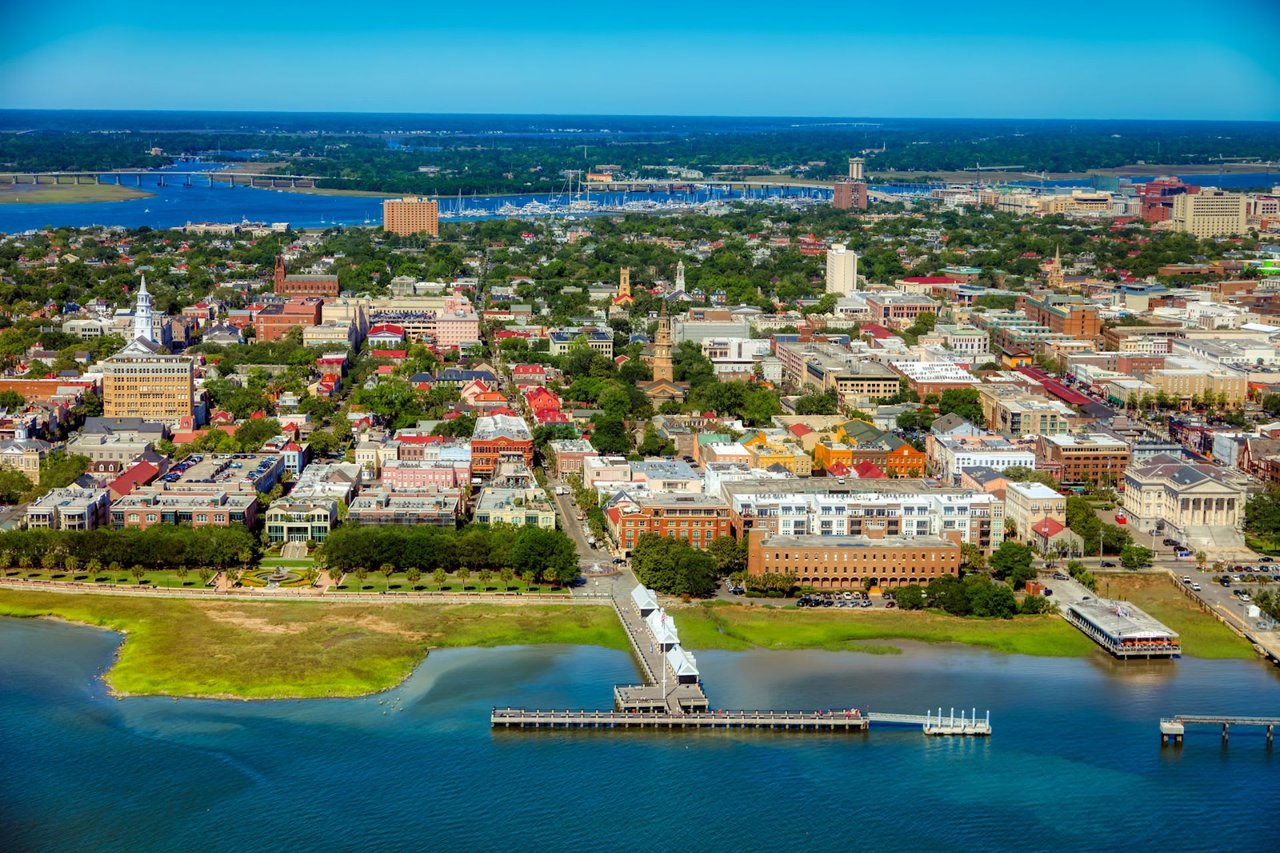
"We need STR reform, but we don't need a cap on this island." That's Folly Beach councilman Blair Holladay, arguing against his own council's plan to bring back a rental cap a judge had just thrown out. The debate over there has been loud all summer, and it's still not settled. Fifteen minutes north, Isle of Palms hasn't had that fight in years, because the island never built a cap to begin with. But that quiet comes with its own catch, and it's one that trips up buyers who've shopped the beach market broadly before landing on IOP: a short-term rental license here does not pass from seller to buyer. It has to be earned again, by the new owner, on that specific lot.
For a buyer who has spent time looking at Folly Beach or Mount Pleasant listings first, where an existing license is treated like a fixture worth protecting in the contract, that's a real adjustment. On Isle of Palms, there's often nothing to protect, because there's nothing scarce to hand over.
What "no cap" actually means on the island
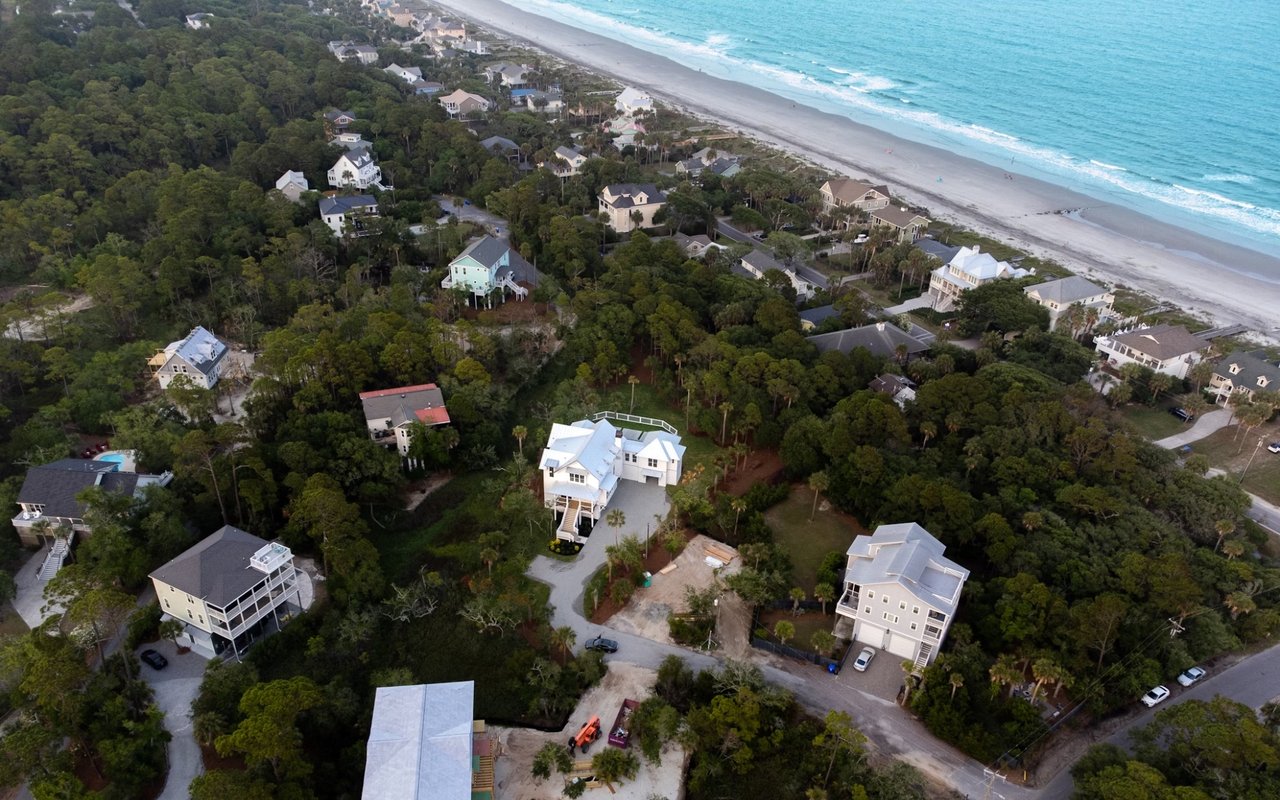
The city's own tally for the 2025-2026 rental license year shows 682 licensed properties out of roughly 3,129 single-family homes on the island, a little under 22 percent. Condo buildings run higher, particularly in Wild Dunes and the older beachfront structures that were built with rental income in mind from the start.
That number isn't a ceiling. It's just where things landed this year. A new owner who wants to rent short-term applies for a license the same way the previous owner did, and gets one as long as the property clears the city's occupancy formula, parking ratio, and safety requirements, the same bar every applicant on the island clears. The city's rental license page spells out some of what that includes: a 24-hour contact number on file with the city, and an owner's representative who can be physically on-site within one hour if a problem comes up. Those aren't hurdles tied to who owned the house last year. They're conditions tied to the house itself, and they reset with every sale.
Where the wrong assumption comes from
A buyer who has already toured Mount Pleasant or Folly Beach listings has a reasonable excuse for getting this backward. In both of those markets, the license is the scarce thing, and an existing one attached to a specific address carries real value independent of the house.
Mount Pleasant capped short-term rental permits at 400 years ago, and that cap has now filled. Starting with the 2026 licensing cycle, the town stopped accepting new applications altogether. Anyone who already holds a permit can renew it. Anyone who doesn't can ask to join a waitlist and wait for one to open up through non-renewal. In that market, whether a seller's permit actually transfers to the buyer, and whether it's in good standing, is a detail that needs to be nailed down in writing before an offer goes in, because there may be no other way to get one.
Folly Beach worked on a similar premise until this year, just with a bigger number. Voters approved an 800-license cap on investor short-term rentals back in February 2023. A Charleston County judge struck that cap down on August 14, 2026, along with the income-based registration fee that came with it, ruling that both had been adopted as an improper tax. The city didn't stop enforcing the cap while it appealed, and council voted on September 8 to repeal the old ordinance and reinstate a version of it in the same session, this time without the fee. A second reading followed on September 15, with Mayor Chris Bizzell describing the move as a way to hold a stable framework while a separate rental study finishes. Owners who paid that fee since 2022 aren't waiting quietly either. A group of them filed a proposed class action on September 3 seeking refunds.
None of that is settled as of this writing. A buyer looking at a Folly Beach property with an existing license attached needs to ask not just whether it transfers, but whether the rules it was issued under are still the rules in six months.
Sullivan's Island isn't in this conversation at all
Sullivan's Island took the simplest path of the four: it banned short-term rentals outright. The only exceptions are a small number of properties that were already renting short-term before the ban took effect in 2002 and were grandfathered in. For nearly every other address on the island, the honest answer to "can I rent this short-term" is no, full stop, regardless of what the previous owner did with the house.
The same closing question, four different answers
| Market | Rental license status as of September 2026 | What that means at closing |
|---|---|---|
| Isle of Palms | No cap; about 22% of single-family homes licensed | License doesn't convey. Buyer applies independently once the lot's occupancy, parking, and any HOA or regime documents clear |
| Mount Pleasant | 400-permit cap reached; closed to new applicants for 2026 | Whether the seller's specific permit transfers has to be written into the purchase contract, since a new one may not be available |
| Sullivan's Island | Banned, except pre-2002 grandfathered addresses | Short-term rental isn't part of the plan unless the address already qualifies |
| Folly Beach | Cap struck down by a judge in August, reinstated at second reading September 15, fee dropped, refund lawsuit pending | Confirm current status before assuming anything, the framework is being rewritten in real time |
What to actually check before writing an offer on Isle of Palms
The useful question on this island was never "does this house have a license." It's whether the specific lot supports one, and whether anything layered on top of city rules would stop it anyway.
- Run the occupancy math for the actual bedroom count and parking spaces on the lot, since the city's formula is based on both, not on the home's size or price alone.
- If the property sits inside Wild Dunes, check the resort's own architectural and rental rules separately from city ordinance. A property that clears city code can still be restricted by its own community documents.
- Ask whether the current owner has already lined up a 24-hour local contact and on-site representative, since that requirement follows the property, not the person selling it.
- Confirm with the seller whether any HOA or covenant document creates rental restrictions. South Carolina's residential disclosure paperwork asks sellers to flag exactly this, and it's worth reading closely rather than assuming a clean answer.
A few direct questions
Does an Isle of Palms rental license automatically pass to a new owner? No. There's no license to hand over the way there is in a capped market. A new owner applies for their own and receives one if the property meets the same requirements everyone else does.
Can I count on getting a rental license if I buy in Mount Pleasant hoping to operate one? Not right now. The 400-permit cap filled, and the town has stopped taking new applications for 2026, leaving a waitlist as the only path in.
Is there any way to rent short-term on Sullivan's Island? Only through a small number of addresses that were already renting before the 2002 ban and were grandfathered. Nearly everything else on the island is off the table.
Is Folly Beach's rental cap actually in effect this month? It's in the process of being rewritten. A judge voided the old 800-license cap and its fee in August, council voted to bring back a version of the cap without the fee through readings on September 8 and September 15, and a class action over the old fee is still pending. Confirm the status directly before treating any number as final.
If you're weighing a rental property on Isle of Palms against something in Mount Pleasant, Folly Beach, or Sullivan's Island, the license question is going to look different in each one, and getting that difference backward is an easy way to misprice an offer. Katherine Cox + Co. can walk through the occupancy and parking math on a specific lot before you write one.